




Fleet Safety Video Tip: Engine Overheating
Both the Florida Department of Transportation and Esurance provide advice on how to respond to engine overheating.
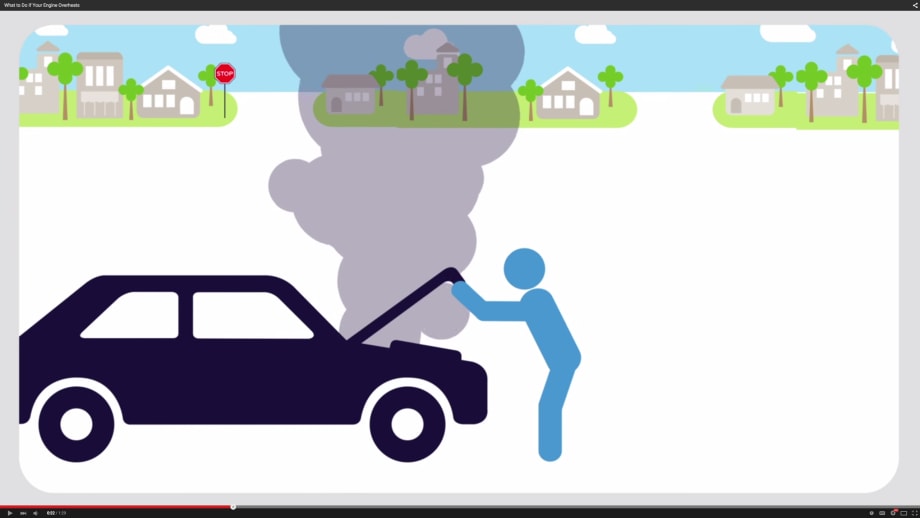
The Washington D.C. area continued its heat wave over the weekend, with temperatures topping 90 degrees for the fourth straight day on Sunday, June 14. On the other side of the nation, Phoenix is expected to reach a high of 108 degrees on Monday, June 15. Higher temperatures can increase the risk for engine overheating, so now is a good time to review what steps a driver can take to respond to this problem.
The Florida Department of Transportation recommends that if your vehicle engine overheats, you don’t drive more than a quarter mile farther. You should have the vehicle towed to avoid further damage to the engine.
But what if no experienced mechanic or tow truck is nearby? Or what if you don’t have phone coverage when trouble arises? Then, FDOT advises, a driver may opt to follow these simple steps:
Pull over to a safe location and turn off the engine.
Don’t open the hood until the vehicle has completely cooled or the temperature gauge has moved from hot to cool.
Check the coolant (also called antifreeze) level in the radiator. Look in the owner’s manual if you’re unsure where the coolant reservoir tank is located.
Make sure the radiator cap is cool before opening it. Slowly twist it off with a towel and beware of any hot steam. If needed, fill coolant to the top of the radiator. Put the radiator cap back on.
Be sure the upper or lower radiator hose and any of the heater hoses have not been blocked, disconnected or burst.
Restart the engine.
Carefully monitor the temperature gauge. If you see it crossing the optimal mark, pull over to a safe location and turn the engine off.
While your best bet is to get help from a mechanic, your safest bet is to be prepared. Store these essential items in your car or truck: coolant, tool kit, working flashlight, non-perishable foods and water.
To watch an Esurance video on the subject of engine overheating, click on the illustration or link below the headline.
Originally posted on Automotive Fleet
More Safety & Compliance
Fleetworthy Expands Expedited Inspection to 5 States
Following its industry-first launch in Nevada, Fleetworthy’s automated inspection technology is now live in California, Michigan, Vermont, and Maine.
Read More →
Crossing State Lines in a Light-Duty Work Truck? Check These Rules First
Crossing state lines in a lighter work truck? J.J. Keller's Kathy Close explains when IRP registration, trip permits, and towing rules come into play.
Read More →
GeoFencing Adds to Your Truck Security Arsenal
Geofencing is a familiar fleet tool today, but its early adoption marked a major shift in vehicle tracking, route monitoring, and the debate over employee privacy.
Read More →From Our Partners


Recalls You Need to Know About in October 2026
In October 2026, what recalls might impact your fleet? Work Truck has the answers in this comprehensive overview of recent NHTSA recalls.
Read More →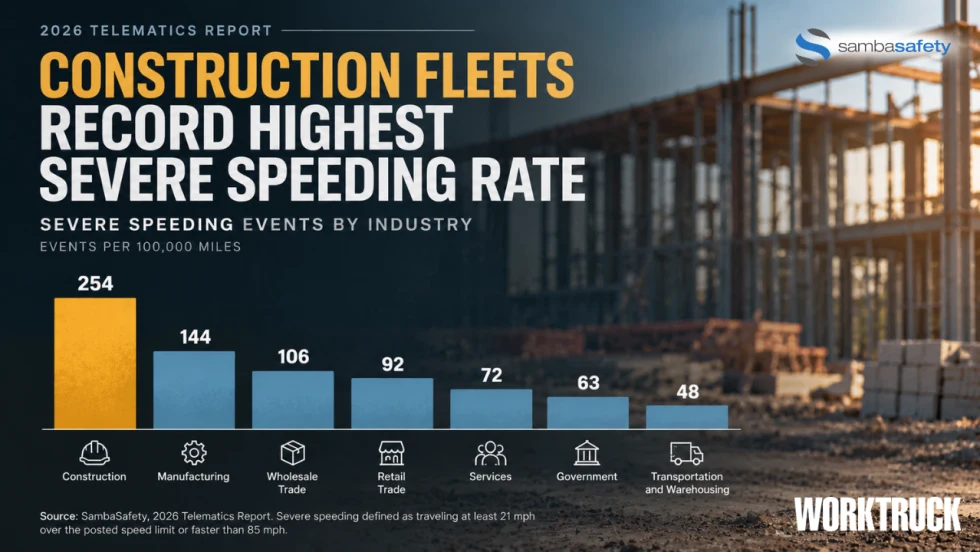
Construction Fleets Show Telematics Adoption Alone May Not Reduce Driving Risk
SambaSafety found construction fleets monitor roughly 92% of their vehicles but recorded the highest severe speeding rate among industries studied.
Read More →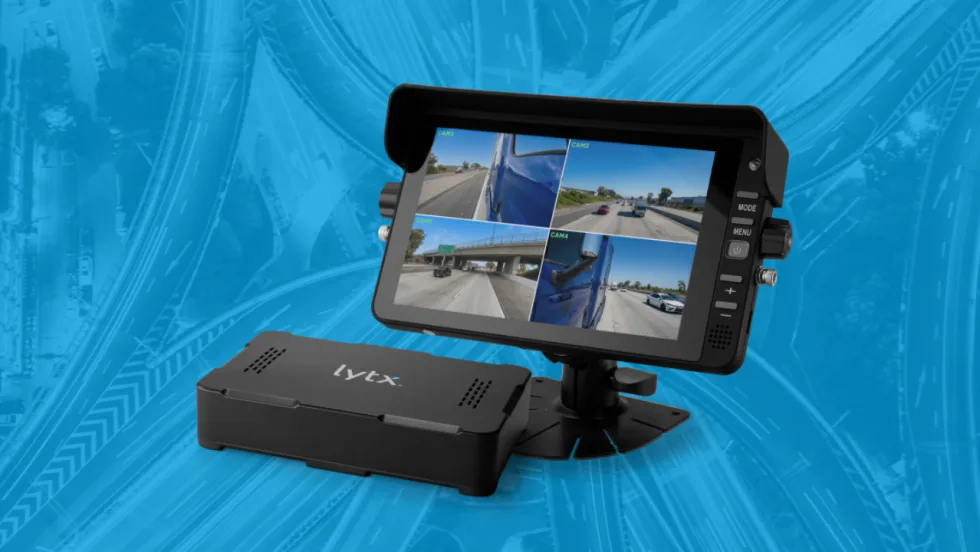
Lytx Launches 360 Hub Kit for Expanded Fleet Camera Visibility
Lytx’s new AI-ready gateway and HD auxiliary camera ecosystem, the Lytx 360 Hub Kit, extends visibility across side, rear, cargo, and blind-zone views to help fleets see more and respond faster.
Read More →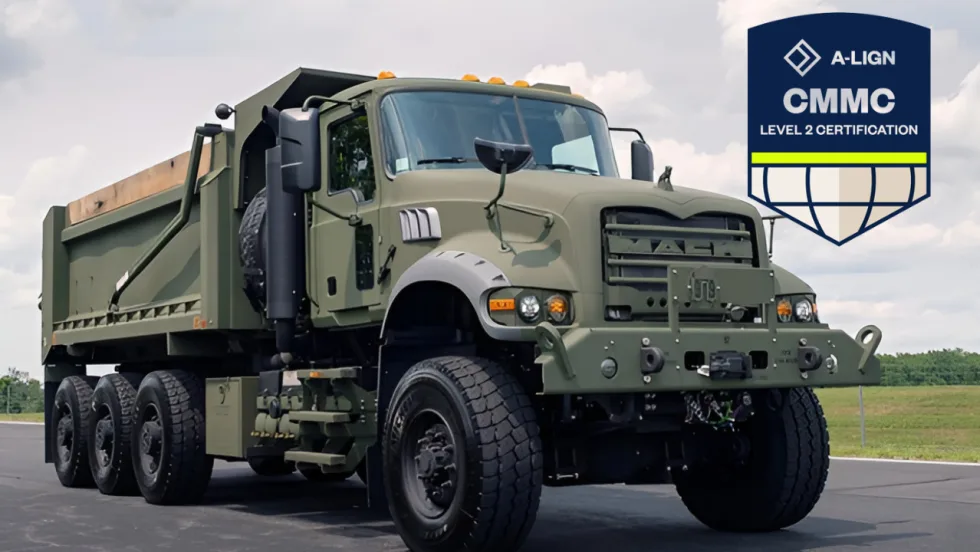
Mack Defense Achieves Cybersecurity Maturity Model Certification Level 2
After an assessment conducted by an authorized Certified Third-Party Assessment Organization (C3PAO), Mack Defense has achieved Cybersecurity Maturity Model Certification (CMMC) Level 2.
Read More →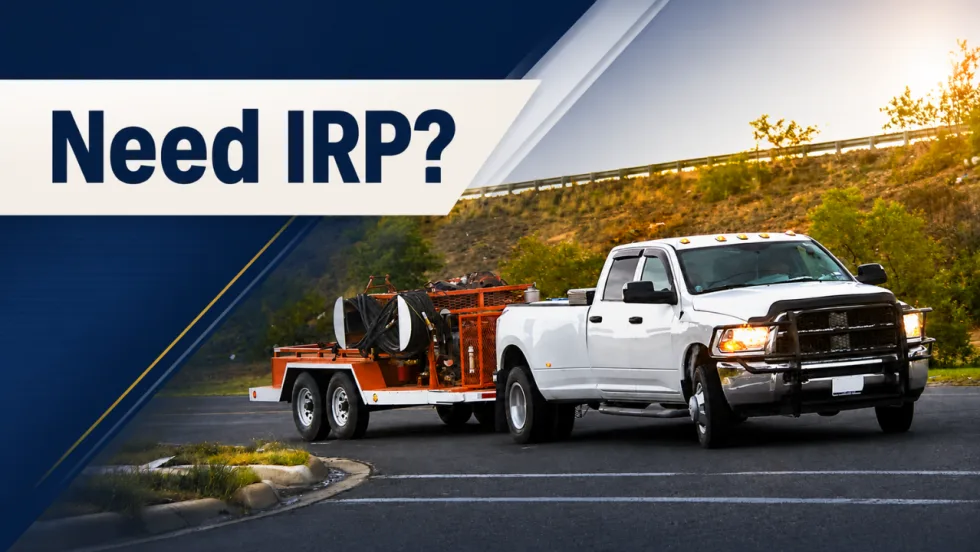
When Work Trucks Under 26,001 Pounds Need IRP Registration
Think trucks under 26,001 pounds are automatically in the clear when it comes to IRP? Not always. Learn where lighter vehicles can still run into trip permit, apportioned registration, and IFTA compliance requirements when crossing state or provincial lines.
Read More →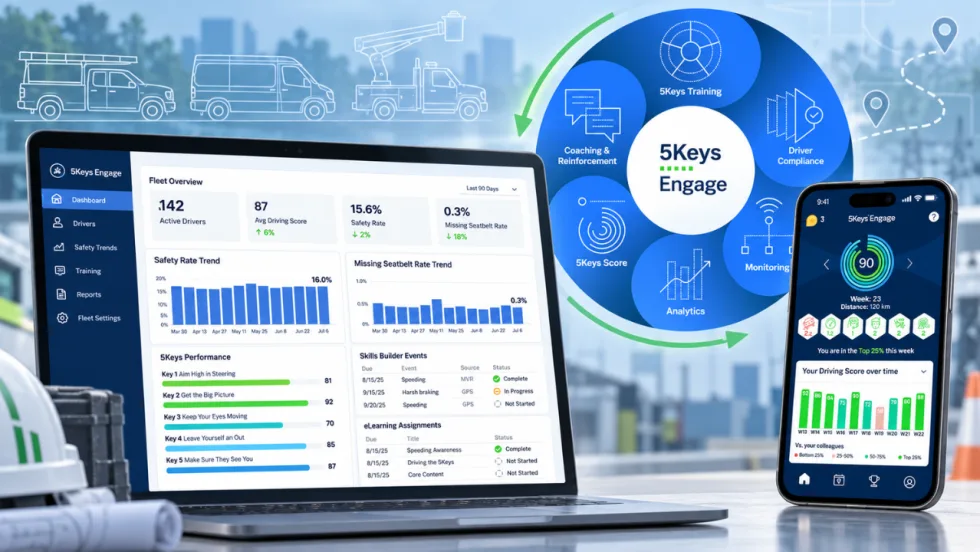
Smith System Wants Work Truck Fleets to Look Beyond the Driver Alert
Smith System’s new Driver Risk Management program is built to help mixed work truck fleets turn telematics alerts and observations into specific behaviors, coaching actions, and measurable follow-up.
Read More →
Volvo Trucks Releases New Safety Recommendations for Traveling with Pets
One of the most important recommendations for professional drivers traveling with pets is to ensure pets are properly restrained while the truck is moving. Other tips are available in the new guide from Volvo Trucks North America and Center for Pet Safety.
Read More →