




Chassis Chief Thinks Future of Trucking will be Plug-In and Go
UNION CITY, IN – Jay Sandler, vice president of commercial products for Workhorse Custom Chassis, a truck chassis manufacturer, thinks medium-duty work trucks of all kinds powered mainly by electricity are only five to 10 years away.
UNION CITY, IN – Jay Sandler, vice president of commercial products for Workhorse Custom Chassis, a truck chassis manufacturer, thinks medium-duty work trucks of all kinds powered mainly by electricity are only five to 10 years away.
With environmental concerns coupled to rising fuel and engine costs, the search for alternative fuels and other sources of power has never been more heated in the trucking industry. Major parcel delivery fleets, such as UPS, FedEx, Purolator of Canada, and the USPS have put a variety of hybrids and alternative-fuel vehicles into experimental use. For most fleets, however, hybrid technology remains too expensive despite such advantages as a 30- to 50-percent reduction in fuel costs, decreased maintenance, noise, and fumes, and the hybrid’s environmental benefit.
However, events are starting to make hybrids more attractive. “2007 emission requirements have upped the cost of diesel engines $4,000-$10,000 more than 2006 models,” said Sandler, a 30-year veteran of the trucking industry. “And more requirements and price increases are coming in 2010.”
Workhorse and other truck and truck component manufacturers have been working with hybrid technology for years now. Workhorse recently developed two hybrid-electric versions of its walk-in truck (step van) chassis for two different parcel delivery companies, Purolator of Canada and UPS.
“In the past year we engineered two totally different hybrid solutions and there’s more we’re looking at,” Sandler said. “From a price standpoint, as orders go up, production costs will come down. But advancements in technology will also be key, particularly in terms of battery storage capacity. And I don’t think we’re far away from that.”
He also added that currently, the hybrid battery pack is the most expensive component Workhorse adds to make a hybrid electric truck. “With more efficient battery storage, a fleet of ‘plug in trucks’ would work quite well.”
Such trucks, according to Sandler, would “fuel up” by plugging into an electrical outlet. Cost-effectiveness would be enhanced by doing this at night when the power grid has the least amount of demand and power might be purchased more cheaply.
“I think this technology will quickly evolve in the next five to 10 years,” Sandler said. “The gas or diesel powertrain will be very different. These future hybrids will have similar horsepower and torque as today’s trucks. They will be quieter and for the most part odorless in terms of combustion fumes. The smaller engines they do have will be cleaner-burning and, as they are reduced to a peripheral part of the new power equation, they will significantly reduce the need for oil sources, foreign or domestic. Theses trucks will be a big leap forward in reducing the emissions everyone is concerned about. It will be the most significant change in automotive power we will see in our lifetime.”
More Operations
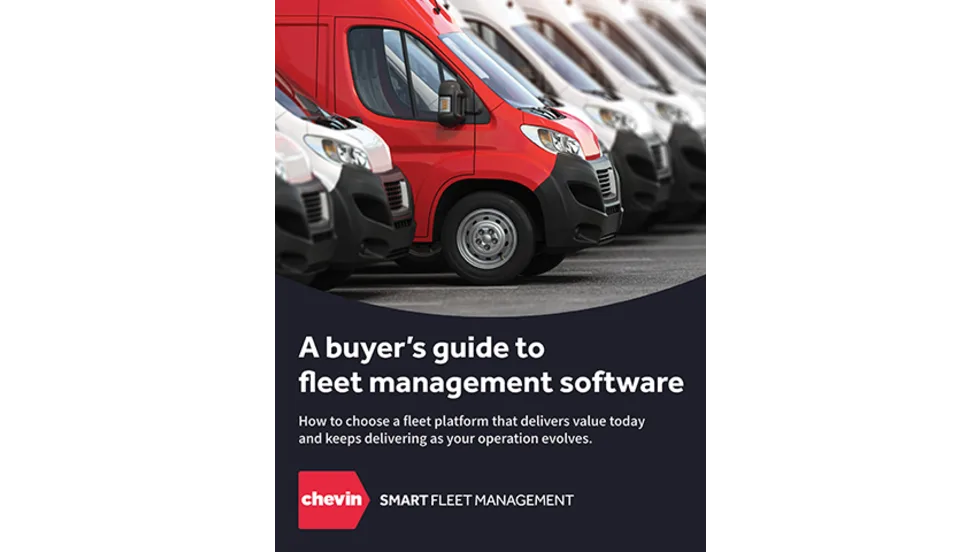
A buyer's guide to fleet management software in 2027
Buying fleet management software in 2027 means looking beyond features and price. As fleet operations, technology and expectations evolve, this guide explores what today’s fleet professionals should consider when choosing a system that can deliver value now and adapt to what comes next.
Read More →
How to Build a Lasting Fleet Career by Staying Curious and Connected
Tina Kourakos never planned on a career in fleet. More than 30 years later, she says curiosity, strong relationships, and a willingness to keep learning helped turn an unexpected assignment into a career spanning fleet management and OEM leadership.
Read More →
Think You Know Trucks? Take Our 19-Question Fleet Trivia Challenge
From chicken lights to diesel engines and trucking history, test your knowledge with 19 questions from the 2026 Work Truck Exchange and Heavy Duty Trucking Exchange.
Read More →From Our Partners
Basic Tracking vs Next Generation Fleet Technology
Sponsored by AT&T Business

5 Facts Every Fleet Manager Should Know About Embedded Telematics
Sponsored by Stellantis/Mobilisights
How AI Video Telematics Boosts Driver Safety and Helps to Avoid Unnecessary Costs
Sponsored by Verizon Connect

Charting the 8 Bottom-Line Benefits of Workforce Optimization
Sponsored by Verizon Connect

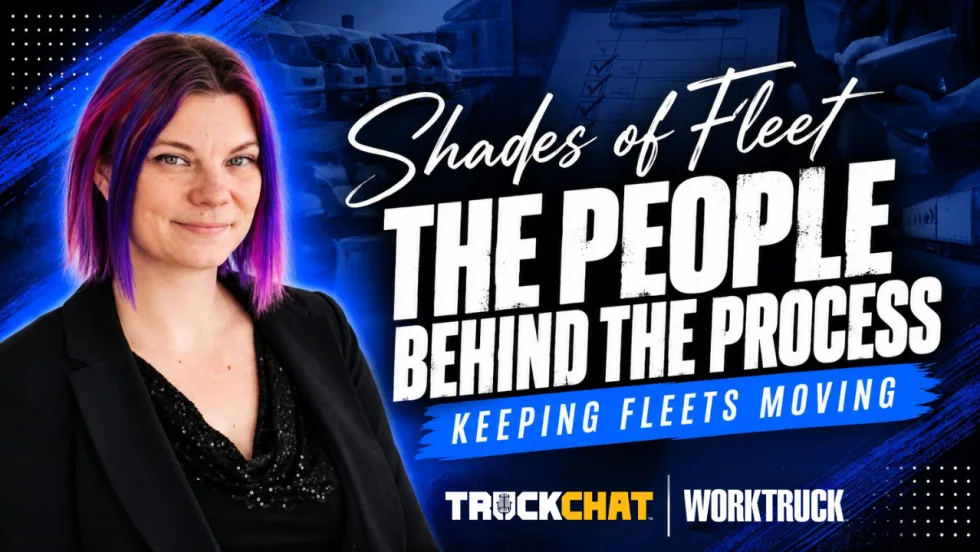
Where’s My Truck: Inside the Fleet Logistics Work Nobody Sees
Shades of Fleet video thumbnail featuring Lauren Fletcher beside the text “The People Behind the Process, Keeping Fleets Moving,” with fleet vehicles and logistics imagery in the background.
Read More →
Work Truck Seeks Fleet and Industry Insights on 2026 Trends and 2027 Forecasts
Work Truck is seeking insights from fleet leaders and industry partners on the trends that shaped 2026 and what commercial fleets should prepare for in 2027. Participate today!
Read More →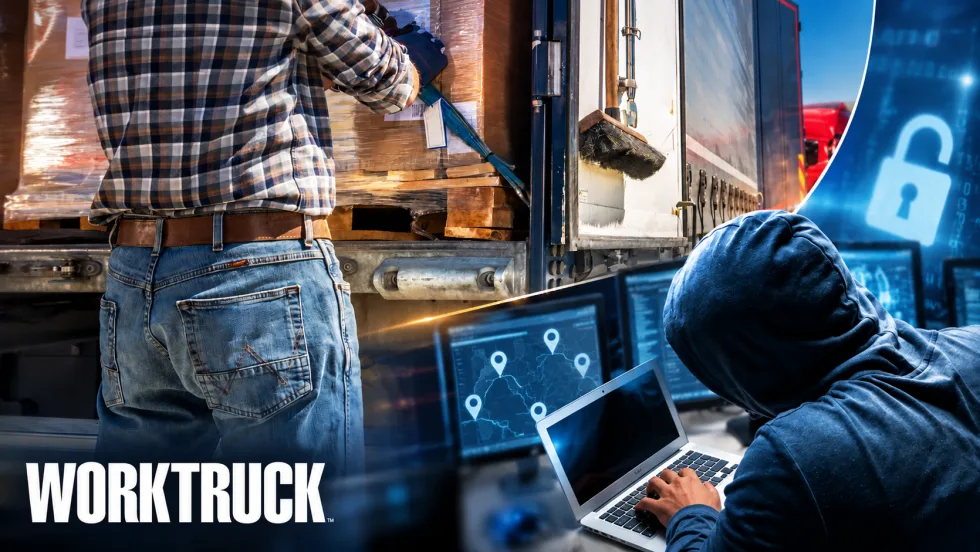
It's 10 p.m... Do You Know Who Has Access to Your Fleet?
Preventing cargo theft requires investment in technology, operational processes, and employee training. In an industry with tight margins, it can be difficult to justify investments whose value is measured by incidents that might never occur.
Read More →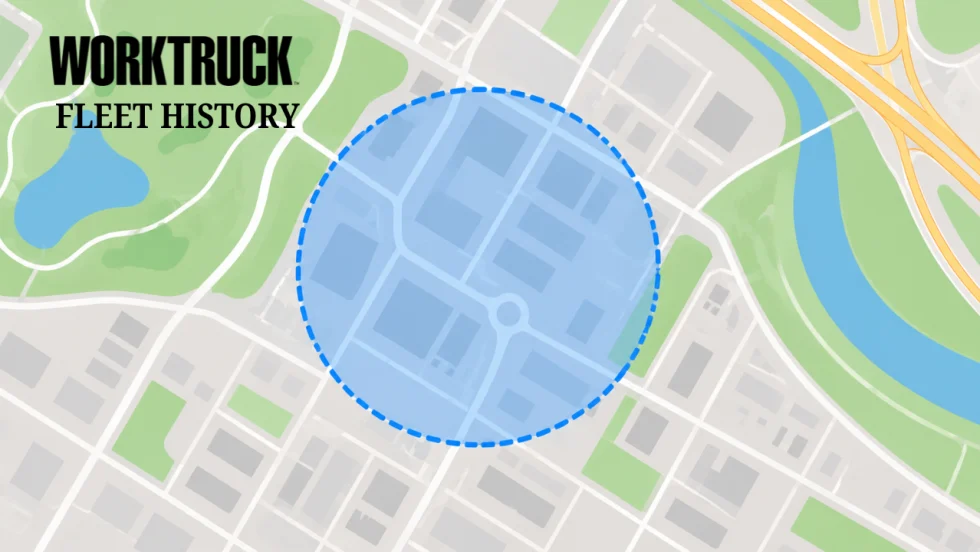
GeoFencing Adds to Your Truck Security Arsenal
Geofencing is a familiar fleet tool today, but its early adoption marked a major shift in vehicle tracking, route monitoring, and the debate over employee privacy.
Read More →
Truckers’ Strike Rumors, New GM Engines, and Hidden Idling Costs Lead This Week’s News
Truckers’ strike rumors, GM’s new 2027 engines, hidden idling costs, racing lessons, IRP rules, and more headline this week’s Truck Chat Weekly Cheat Sheet.
Read More →
Shades of Fleet Wants to Hear From You About Building a Culture of Care
Fleet leaders, we want to hear from you. Share how empathy, trust, and creating space for people can strengthen your team, improve performance, and support retention.
Read More →
What Racing Can Teach Work Truck Fleets About the Work Nobody Sees
Race car driver and mechanical engineer Isaac Johnson shares practical lessons on preparation, relationships, setbacks, and building teams that perform when it counts.
Read More →