




Central Hudson to Buy 8 Hybrid Trucks
POUGHKEEPSIE, NY - Central Hudson has been awarded a $700,000 stimulus grant to defray the incremental costs of four hybrid and four plug-in electric hybrid line trucks for use in daily utility operations.
POUGHKEEPSIE, NY - Central Hudson has been awarded a $700,000 grant through the American Recovery and Reinvestment Act (ARRA), to defray the incremental costs of four hybrid and four plug-in electric hybrid line trucks for use in daily utility operations.
The eight heavy-duty hybrid vehicles combined will save an estimated 12,000 gallons of diesel fuel each year, more than 260,000 lbs. in CO2 emissions, and about $40,000 per year in operating costs, according to the company. The award is administered through the New York State Research and Development Authority (NYSERDA), and New York City and Lower Hudson Valley Clean Communities.
"These trucks are being purchased as part of our normal vehicle replacement program, however with this funding we are able to obtain four diesel-electric hybrids and four plug-in diesel-electric hybrid models for our fleet," said Carl Meyer, president and chief operating officer. "These hybrid trucks reduce emissions and fuel use over conventional vehicles, and provide a win-win solution by protecting the environment and lowering operating costs."
The four hybrid diesel-electric line trucks will use regenerative braking to recharge the batteries that operate the electric motor, and will be used on assignments that require higher levels of driving distances to take advantage of this feature.
The batteries for the four plug-in hybrid diesel-electric line trucks can be recharged through regenerative braking, but also by an AC outlet, and will use this plug-in feature to ensure a full charge at assignments with less travel and which are more stationary in nature. "Recharging batteries from the electric grid reduces greenhouse gas emissions by 70 percent compared with using diesel or gasoline engines, at an average fuel cost of less than $1.00 per equivalent gallon," said Meyer.
All eight trucks will be equipped with advanced lithium-ion batteries. By using a combination of electricity and diesel fuel to power the vehicles, the hybrids are projected to reduce greenhouse gas emissions by about 40 percent over conventional vehicles using diesel fuel alone.
Since 2006 and during most months of the year, Central Hudson uses B20 biodiesel fuel for its fleet, a blend of 80 percent petroleum diesel and 20 percent soybean oil. "Biodiesel fuel reduces emissions, lowers our petroleum dependence, and provides better lubricity for diesel engines," said Meyer. "These heavy-duty hybrid trucks will allow our use of two alternative fuels at the same time, electricity and biodiesel, providing the operating experience and information we can use in evaluating future vehicle purchases." Deliveries of the first four hybrid vehicles are expected in late 2010.
The Department of Energy Clean Cities Petroleum Reduction Technologies Projects obtained $300 million through the ARRA, and released more than $13 million to NYSERDA's Statewide Alternative Fuel Vehicle Program on behalf of the Clean Cities Coalitions in New York. As part of the grant program, vehicle performance data will be collected and shared with NYSERDA.
Originally posted on Automotive Fleet
More Fuel

The Smart Way to Build a Mixed-Energy Fleet Isn’t About Picking a Side
Mixed-energy fleets aren’t about picking a winning fuel. Sarah Booth of WEX explains how vehicle data, duty cycles, charging strategy, and real-world costs can help fleets choose the right energy source for each job.
Read More →
Ignoring This Dashboard Warning Could Cost Your Fleet Thousands in Fuel
New research suggests neglected diesel aftertreatment systems could waste up to $30 in fuel per vehicle each day. Here's why vocational fleets should pay attention.
Read More →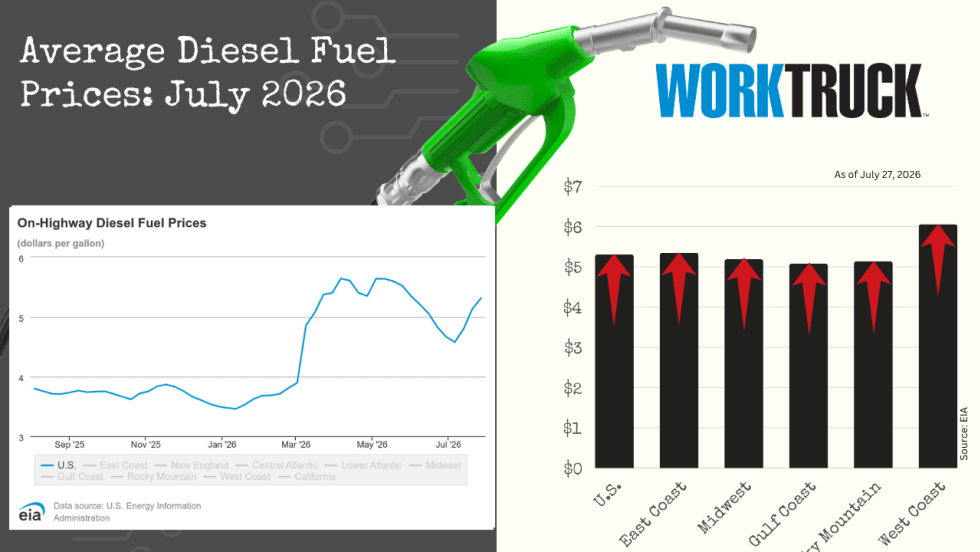
July Diesel Trends Update
The average price of a gallon of diesel increased again this week, and the EIA reported a new national average of $5.31 at the start of the week.
Read More →

WEX Brings Standard Fleet's Connected Vehicle Platform to Fleet Customers
This week’s product launch with Standard Fleet’s connected vehicle platform reflects WEX Venture Capital's strategy of turning startup innovation into customer solutions. Standard Fleet is now available to WEX fleet customers.
Read More →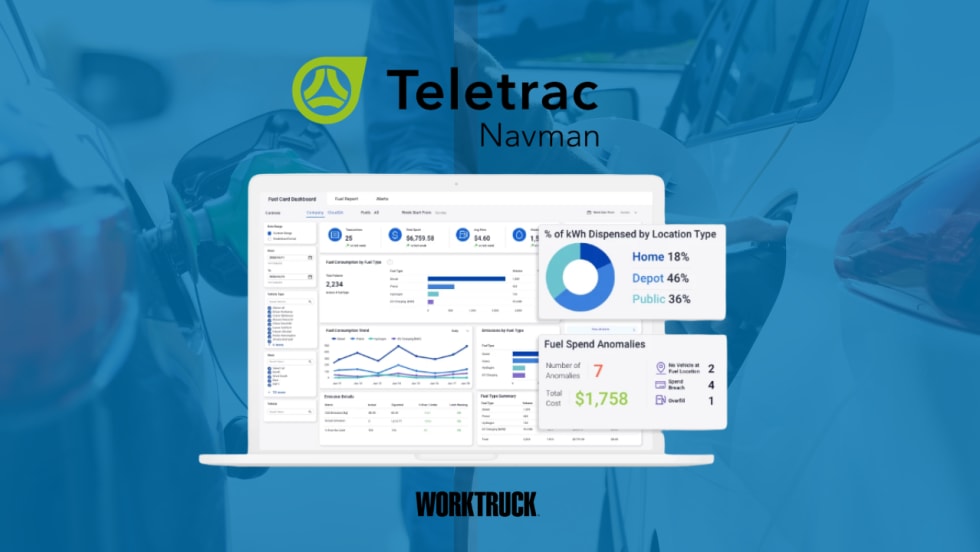
Teletrac Navman Adds Mixed-Energy Fleet Tools to TN360
The new Energy Hub combines fuel transactions, EV charging data, vehicle range, and energy costs in one dashboard for fleets operating multiple vehicle and energy types.
Read More →
WEX DriverDash adds CITGO, Expands Nationwide Access for Fleets
The DriverDash mobile payment app, by WEX, has been integrated into the CITGO merchant network, which means WEX has expanded its U.S. station footprint with the addition of approximately 4,000 CITGO locations.
Read More →
Mixed Energy Fleet Tips for Balancing EVs, Gas and Diesel Vehicles
Mixed energy fleets are becoming the new normal. Learn how fleet managers are balancing EVs, gas and diesel vehicles while controlling costs and planning for the future.
Read More →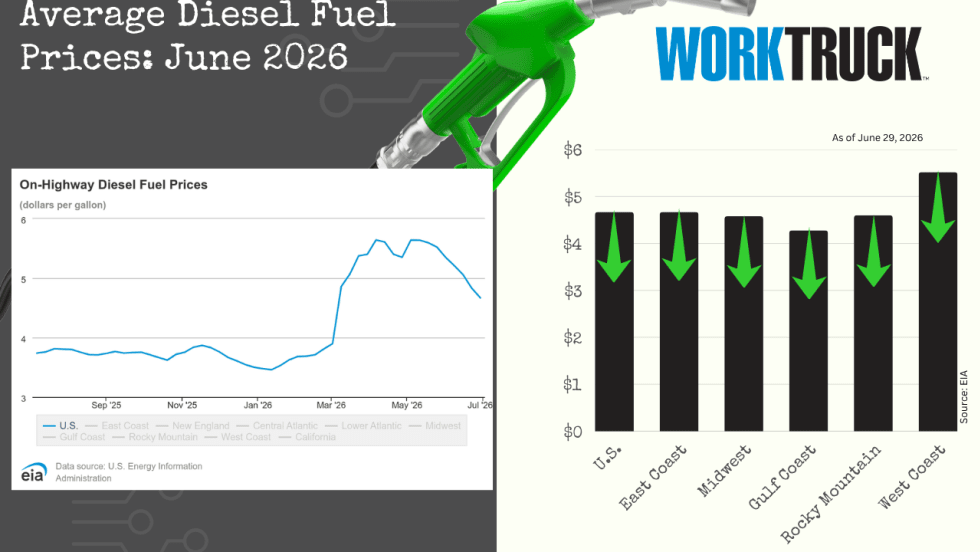
June Diesel Trends Update
The national average price of a gallon of diesel has dropped again, this week by more than 16 cents. All five regions reported lower average prices, ranging from almost 13 cents to more than 28 cents cheaper than a week ago.
Read More →
RoadFlex Launches RoadFlex Direct Open API Platform
RoadFlex Direct connects fuel cards, controls, and data to the telematics and fleet management systems fleets already run, from Geotab and Samsara to Fleetio and RTA, with no separate dashboard or double data entry.
Read More →
The Key to Fuel Efficiency Sits in the Cab
Learn how driver behavior, telematics, coaching, and fuel data can help fleets improve fuel efficiency, lower costs, and reduce emissions.
Read More →