




California to Cut GHG Emissions by 10 Percent by 2020
SACRAMENTO - The Air Resources Board has adopted a regulation that will implement Governor Schwarzenegger's low carbon fuel standard calling for the reduction of greenhouse gas emissions from California's transportation fuels by ten percent by 2020.
SACRAMENTO - The Air Resources Board has adopted a regulation that will implement Governor Schwarzenegger's Low Carbon Fuel Standard calling for the reduction of greenhouse gas emissions from California's transportation fuels by ten percent by 2020.
The new regulation is aimed at diversifying the variety of fuels used for transportation. It will boost the market for alternative-fuel vehicles and achieve 16 million metric tons of greenhouse gas emission reductions by 2020. ARB representatives describe the measure as the most important early-action called for under AB 32, the Global Warming Solutions Act (Nunez, 2006).
According to ARB analyses, to produce the more than 1.5 billion gallons of biofuels needed, more than 25 new biofuel facilities will have to be built.
The regulation requires providers, refiners, importers and blenders to ensure the fuels they provide for the California market meet an average declining standard of "carbon intensity." This is established by determining the sum of greenhouse gas emissions associated with the production, transportation, and consumption of a fuel, also referred to as the fuel pathway.
Economic mechanisms will allow the market to choose the most cost-effective clean fuels (those with the lowest carbon intensity) giving California consumers the widest variety of fuel options.
Seeking to enhance private sector and federal investment into alternative fuel production and distribution, California is also providing funding to assist in the early development and deployment of the most promising low-carbon fuels. The Alternative and Renewable Fuel and Vehicle Technology Program, AB 118 (Nunez, 2007), managed by the California Energy Commission, will provide approximately $120 million dollars per year over seven years to deploy the cleanest fuels and vehicles.
Regulators expect the new generation of fuels to come from the development of technology that uses algae, wood, agricultural waste such as straw, common invasive weeds such as switchgrass, and even from municipal solid waste.
The standard is also expected to drive the availability of plug-in hybrid, battery electric and fuel-cell powered cars while promoting investment in electric charging stations and hydrogen fueling stations.
Governor Schwarzenegger issued the executive order requiring a low carbon fuel standard in early 2007. It directed the state to drive down greenhouse gas emissions from the transportation sector which accounts for 40 percent of the state's total greenhouse gas emissions. The regulation is designed to increase the use of alternative fuels, replacing 20 percent of the fuel used by cars in California with clean alternative fuels by 2020, including electricity, biofuels, hydrogen and other options.
Originally posted on Automotive Fleet
More Fuel

Precision Under Pressure: Why Modern Diesels Demand a New Fuel Maintenance Playbook
Modern diesel fuel systems leave little room for contamination, deposits, or old maintenance habits. See why today’s HPCR engines demand a more proactive approach to fuel quality, injector health, and DPF protection.
Read More →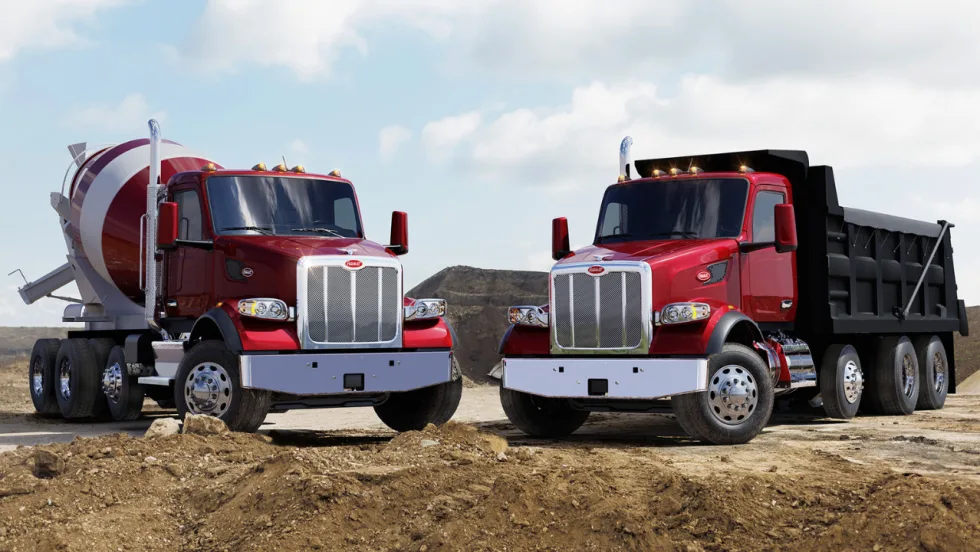
Peterbilt Trucks Equipped with Paccar TX-18 Pro Boost Efficiency for Maryland Fleet
Patuxent Companies is replacing aging trucks with the Peterbilt Model 567 and Model 589, specified with the Paccar TX-18 Pro 18-speed automated transmissions, and is reporting an 8% to 10% improvement in fuel economy.
Read More →
The Smart Way to Build a Mixed-Energy Fleet Isn’t About Picking a Side
Mixed-energy fleets aren’t about picking a winning fuel. Sarah Booth of WEX explains how vehicle data, duty cycles, charging strategy, and real-world costs can help fleets choose the right energy source for each job.
Read More →

Ignoring This Dashboard Warning Could Cost Your Fleet Thousands in Fuel
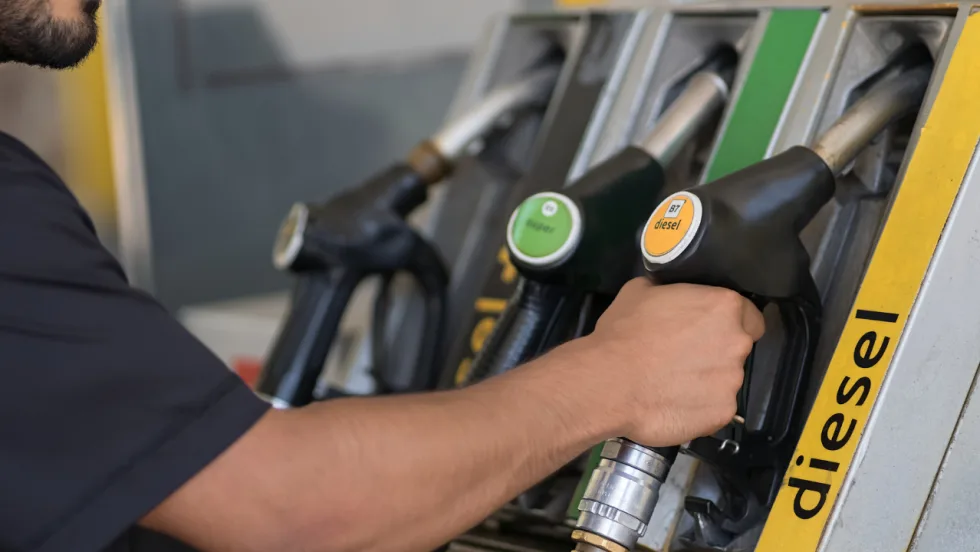
New research suggests neglected diesel aftertreatment systems could waste up to $30 in fuel per vehicle each day. Here's why vocational fleets should pay attention.
Read More →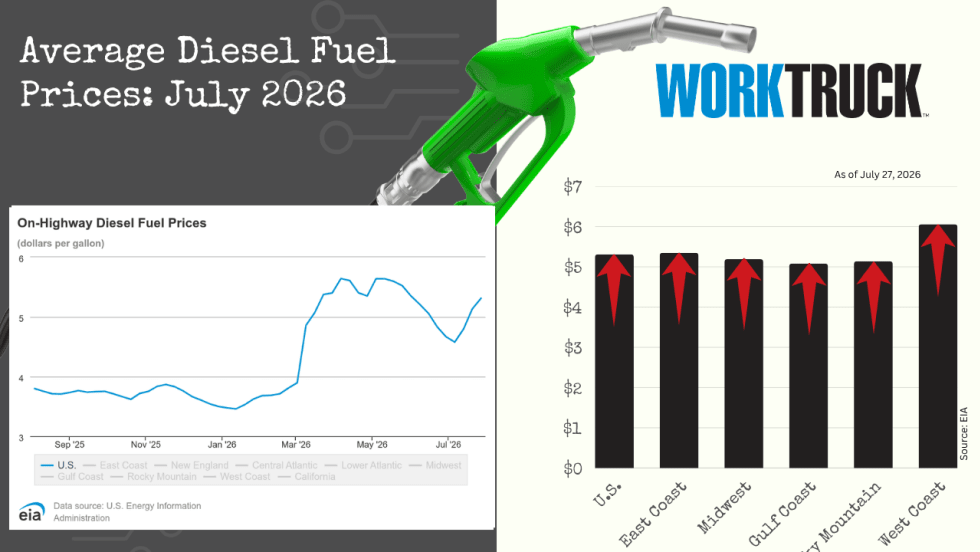
July Diesel Trends Update
The average price of a gallon of diesel increased again this week, and the EIA reported a new national average of $5.31 at the start of the week.
Read More →
WEX Brings Standard Fleet's Connected Vehicle Platform to Fleet Customers
This week’s product launch with Standard Fleet’s connected vehicle platform reflects WEX Venture Capital's strategy of turning startup innovation into customer solutions. Standard Fleet is now available to WEX fleet customers.
Read More →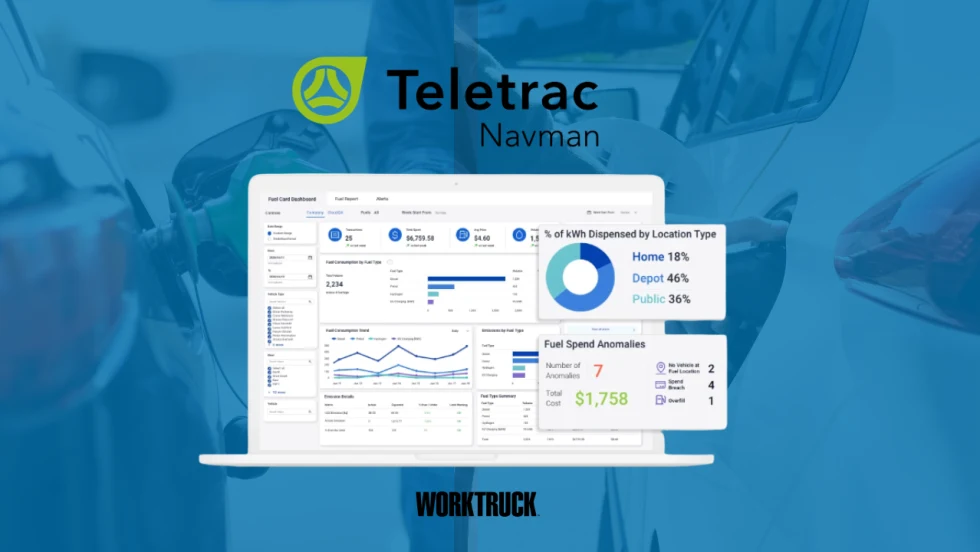
Teletrac Navman Adds Mixed-Energy Fleet Tools to TN360
The new Energy Hub combines fuel transactions, EV charging data, vehicle range, and energy costs in one dashboard for fleets operating multiple vehicle and energy types.
Read More →
WEX DriverDash adds CITGO, Expands Nationwide Access for Fleets
The DriverDash mobile payment app, by WEX, has been integrated into the CITGO merchant network, which means WEX has expanded its U.S. station footprint with the addition of approximately 4,000 CITGO locations.
Read More →
Mixed Energy Fleet Tips for Balancing EVs, Gas and Diesel Vehicles
Mixed energy fleets are becoming the new normal. Learn how fleet managers are balancing EVs, gas and diesel vehicles while controlling costs and planning for the future.
Read More →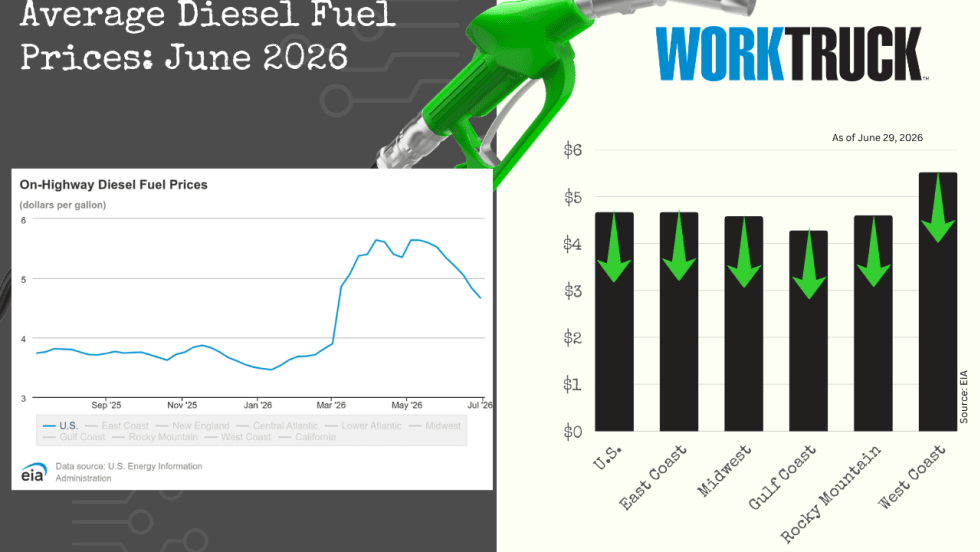
June Diesel Trends Update
The national average price of a gallon of diesel has dropped again, this week by more than 16 cents. All five regions reported lower average prices, ranging from almost 13 cents to more than 28 cents cheaper than a week ago.
Read More →