




Booster Adds Seattle to Fuel Delivery Routes
Booster has begun gas routes in Seattle serving new customers such as Advanced Government Services, Century Link, and Monarch.


Booster has secured all the required permits and regulatory licenses to deliver gas and diesel in Seattle and some of the surrounding towns.
[EMPTY CREDIT]
Booster, a same-day fuel delivery service, has begun gas routes in Seattle. The company launches the market with new, local customers including Advanced Government Services, Century Link, and Monarch. Current customers have also expanded Booster service to its Seattle fleets including Traffic Management Inc. and Imperfect Produce.
Seattle is the first market the company has launched since its $56-million series C funding round in June.
“Seattle holds a special place in Booster history. It was after sitting in line at a gas station on Capitol Hill one rainy day that I was inspired to create Booster,” said Frank Mycroft, CEO, Booster. “We’ve delivered over 2 million tanks of gas safely and sustainably. It’s exciting to see how much we’ve accomplished, and we’re just getting started. We believe a gas station that is mobile and comes to consumers and fleets is the future.”
Booster has secured all the required permits and regulatory licenses to deliver gas and diesel in Seattle and the surrounding towns of Lakewood, Snohomish County (unincorporated areas), Auburn, Marysville, Mukilteo, Des Moines, and Everett, Wash. Additional areas are in the process of being added.
Booster will adhere to operational restrictions such as damming off drainage areas, staying a certain distance from buildings, and always laying down mats under every vehicle to catch any fuel drips in Seattle. Now with Seattle and its outlying cities, Booster has procured regulatory clearance to operate in more than 50 cities in five states.
Booster’s modern, mobile approach to fueling significantly reduces road congestion, CO₂ emissions, and protects community land and water from the negative effects of underground storage tanks. In total, the company has prevented the release of 2.2 million pounds of CO₂ – the equivalent of planting 175,000 trees – by eliminating travel associated with going to get gas, everyday gas station spills, and the need for underground gas station storage tanks.
A Booster survey of fleet professionals across the country found that, on average, each fleet fill-up takes an additional 20 minutes, and 60% of drivers add at least two miles to their routes. These costs add up, and that is without any of the additional issues associated with overtime pay or vehicle wear-and-tear that may arise. Booster’s mobile fuel delivery service can save fleets up to $1,500 per vehicle, per year.
More Fuel

The Smart Way to Build a Mixed-Energy Fleet Isn’t About Picking a Side
Mixed-energy fleets aren’t about picking a winning fuel. Sarah Booth of WEX explains how vehicle data, duty cycles, charging strategy, and real-world costs can help fleets choose the right energy source for each job.
Read More →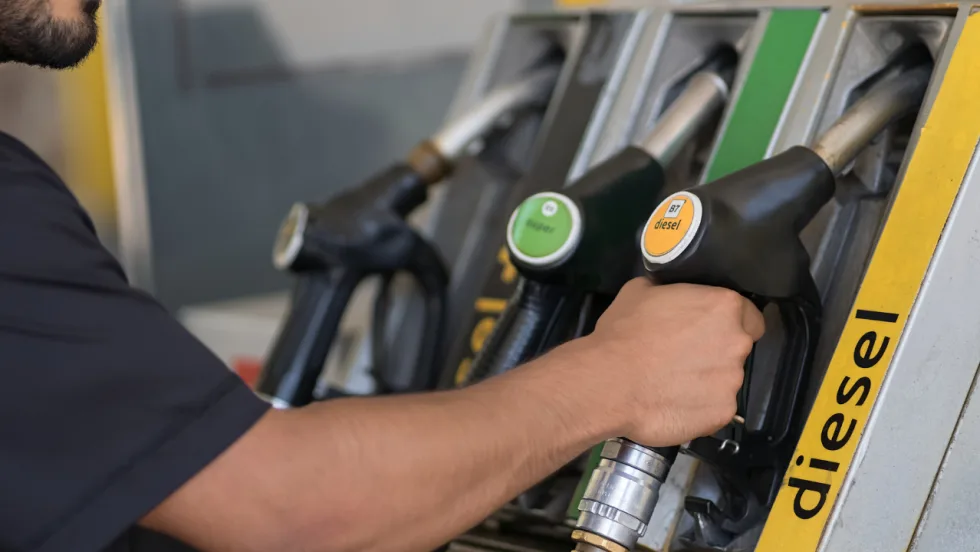
Ignoring This Dashboard Warning Could Cost Your Fleet Thousands in Fuel
New research suggests neglected diesel aftertreatment systems could waste up to $30 in fuel per vehicle each day. Here's why vocational fleets should pay attention.
Read More →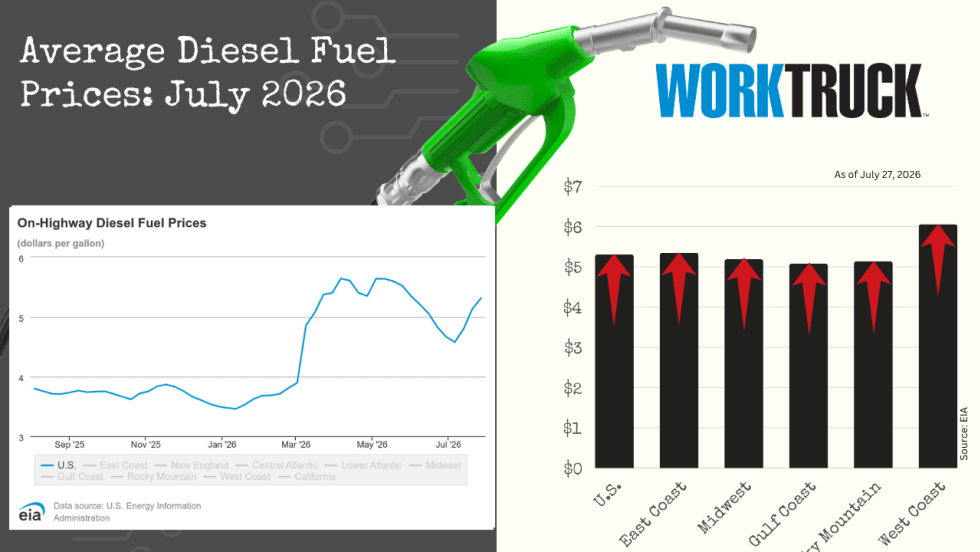
July Diesel Trends Update
The average price of a gallon of diesel increased again this week, and the EIA reported a new national average of $5.31 at the start of the week.
Read More →
WEX Brings Standard Fleet's Connected Vehicle Platform to Fleet Customers
This week’s product launch with Standard Fleet’s connected vehicle platform reflects WEX Venture Capital's strategy of turning startup innovation into customer solutions. Standard Fleet is now available to WEX fleet customers.
Read More →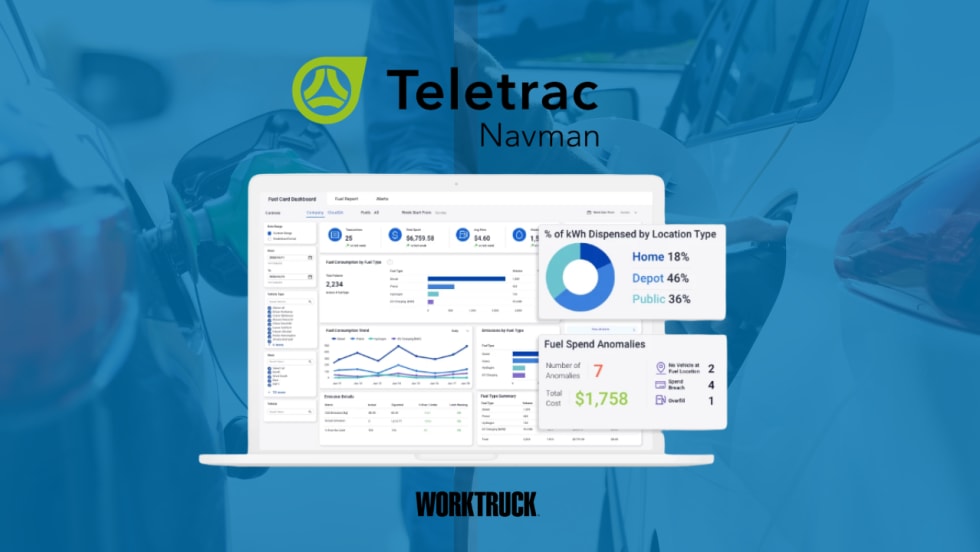
Teletrac Navman Adds Mixed-Energy Fleet Tools to TN360
The new Energy Hub combines fuel transactions, EV charging data, vehicle range, and energy costs in one dashboard for fleets operating multiple vehicle and energy types.
Read More →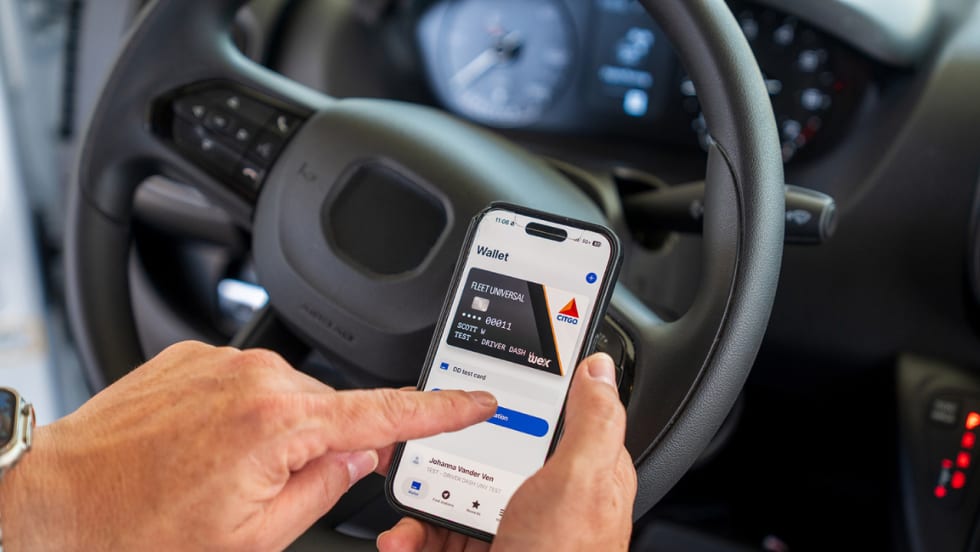
WEX DriverDash adds CITGO, Expands Nationwide Access for Fleets
The DriverDash mobile payment app, by WEX, has been integrated into the CITGO merchant network, which means WEX has expanded its U.S. station footprint with the addition of approximately 4,000 CITGO locations.
Read More →
Mixed Energy Fleet Tips for Balancing EVs, Gas and Diesel Vehicles
Mixed energy fleets are becoming the new normal. Learn how fleet managers are balancing EVs, gas and diesel vehicles while controlling costs and planning for the future.
Read More →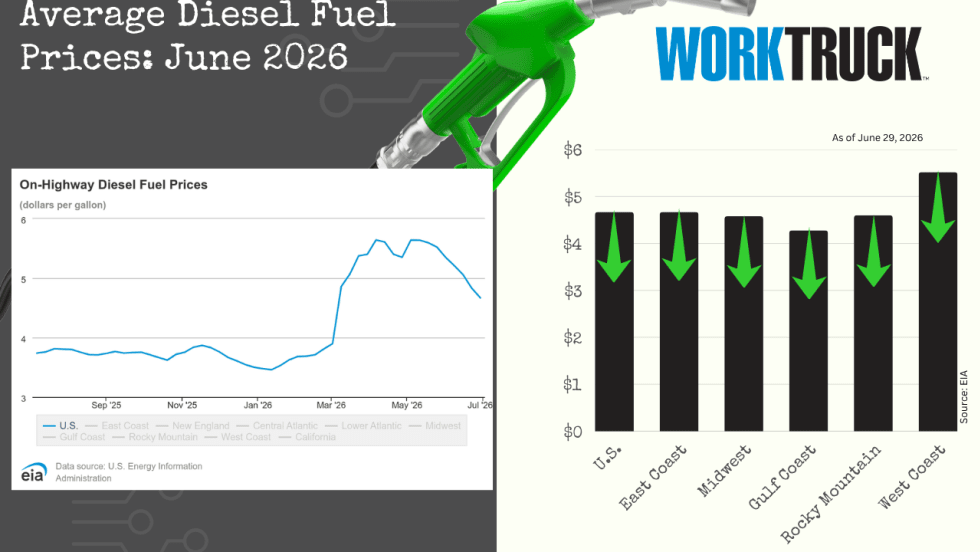
June Diesel Trends Update
The national average price of a gallon of diesel has dropped again, this week by more than 16 cents. All five regions reported lower average prices, ranging from almost 13 cents to more than 28 cents cheaper than a week ago.
Read More →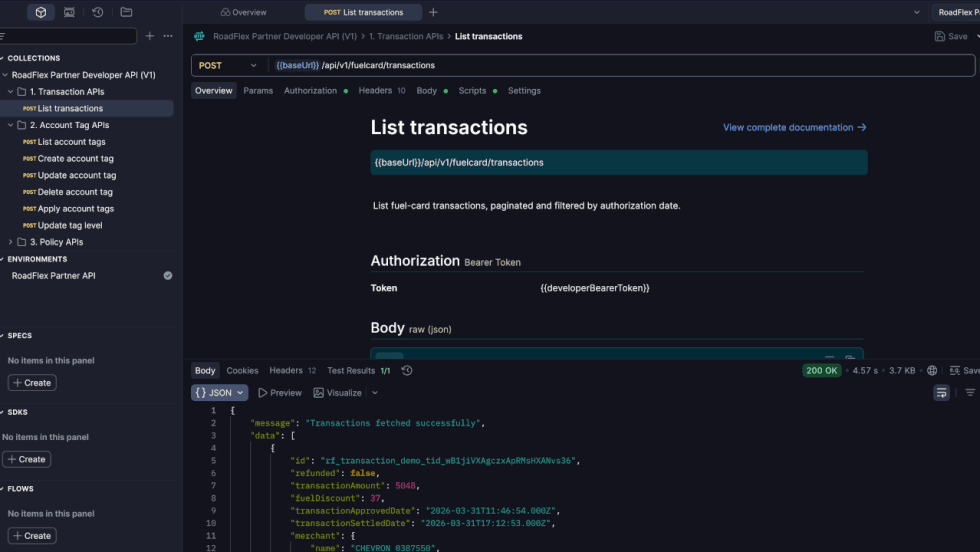
RoadFlex Launches RoadFlex Direct Open API Platform
RoadFlex Direct connects fuel cards, controls, and data to the telematics and fleet management systems fleets already run, from Geotab and Samsara to Fleetio and RTA, with no separate dashboard or double data entry.
Read More →
The Key to Fuel Efficiency Sits in the Cab
Learn how driver behavior, telematics, coaching, and fuel data can help fleets improve fuel efficiency, lower costs, and reduce emissions.
Read More →