




Biodiesel Imports Plummet 36 Percent
After reaching record levels in 2013, United States imports of biomass-based diesel fuel (both biodiesel and renewable diesel) fell 36 percent, to 333 million gallons in 2014.
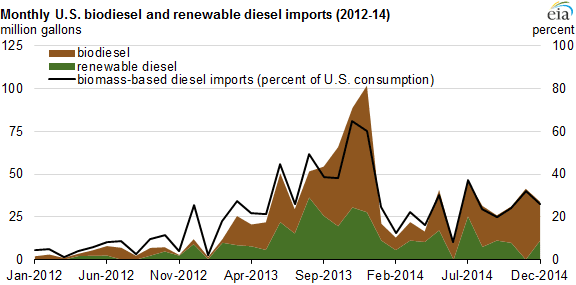
Chart: U.S. Energy Information Administration
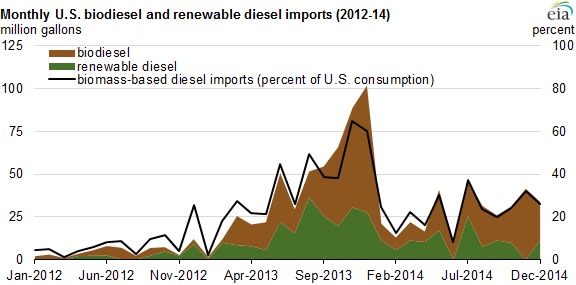
Chart: U.S. Energy Information Administration
After reaching record levels in 2013, United States imports of biomass-based diesel fuel (both biodiesel and renewable diesel) fell 36 percent, to 333 million gallons in 2014. Uncertainty surrounding future Renewable Fuel Standard (RFS) targets and the absence of a late-year influx of volumes from Argentina were two main factors in this decline, according to analysis by the U.S. Energy Information Administration (EIA).
The strongest drivers of the resurgence in U.S. biomass-based diesel demand since 2012 have been increasing RFS targets and the on-again, off-again biodiesel tax credit, according to the EIA. Biodiesel and renewable diesel are valuable because they qualify for the two major renewable fuel programs in the United States: the RFS applied at the national level, and California's Low Carbon Fuel Standard (LCFS). Biomass-based diesel fuels have additional advantages over other renewable fuels because of their relatively high energy content and low carbon intensity, which allow them to qualify for higher credit values in both renewable fuel programs.
Both biodiesel and renewable diesel fuels are produced from refining vegetable oils or animal fats. Biodiesel is blended with petroleum diesel up to 5 percent or 20 percent by volume (referred to as B-5 and B-20, respectively). Renewable diesel is a diesel-like fuel that meets specifications for use in existing infrastructure and diesel engines, and thus is not subject to any blending limitations.
While the RFS is meant to encourage the production and consumption of renewable fuels, obligations for 2014 still have not been finalized and those for 2015 have not yet been proposed. The initial proposal for the 2014 RFS program year, released in November 2013, stated that the 2014 biomass-based diesel obligation would remain unchanged from its 2013 value at 1.28 billion gallons, while the advanced biofuels obligation would be reduced to 2.2 billion gallons, down from 2.75 billion gallons in 2013. The uncertainty and proposed lower target levels have made it difficult for refiners to comply with the RFS recently, but the flexibility and value of biomass-based diesel volumes towards all obligation levels make it a strong driver of biodiesel consumption as long as the RFS is still active, according to the EIA analysis.
There are two other factors that may explain lower biomass-based diesel imports in 2014. In late 2013, there was a surge of biodiesel imports from Argentina as a result of European Union (EU) antidumping duties placed on Argentine biodiesel. This action by the EU temporarily diverted large volumes of Argentine biomass-based diesel that were previously destined to be exported to Europe, Argentina's largest biodiesel export market, to the United States. U.S. imports of biodiesel from Argentina fell by 57 percent from 2013 to 52 million gallons in 2014, according to the analysis.
Another factor was the expiration of the $1.00 per gallon biodiesel tax credit at the end of 2013, the EIA said. While the credit was retroactively restored at the end of 2014, the extent to which producers considered this outcome in making decisions during 2014 remains unknown. Still, relatively high diesel fuel prices for much of 2014 kept domestic biodiesel relatively economic to blend, supporting production at levels near those in 2013. Domestic biomass-based diesel production was sufficient to meet most of the proposed reduced RFS obligations in 2014, thus reducing the need for imports. Total imports of biodiesel and renewable diesel represented an average of 23 percent of domestic biomass-based diesel consumption in 2014, down from an average of 34 percent of consumption in 2013.
The 212 million gallons of biodiesel imported into the United States in 2014 was sourced primarily from Canada (47 percent), reclaiming its spot as the top U.S. supplier after being surpassed by Argentina in 2013, according to the EIA. The remaining volumes of regular biodiesel imports entered the United States primarily on the East Coast, mostly from Indonesia and Argentina. U.S. renewable diesel imports reached 121 million gallons in 2013, down 42 percent from 2013. Slightly more than 92 percent of total U.S. renewable diesel imports came from Singapore and entered the United States primarily through West Coast ports, likely destined for California LCFS compliance.
Originally posted on Automotive Fleet
More Fuel

The Smart Way to Build a Mixed-Energy Fleet Isn’t About Picking a Side
Mixed-energy fleets aren’t about picking a winning fuel. Sarah Booth of WEX explains how vehicle data, duty cycles, charging strategy, and real-world costs can help fleets choose the right energy source for each job.
Read More →
Ignoring This Dashboard Warning Could Cost Your Fleet Thousands in Fuel
New research suggests neglected diesel aftertreatment systems could waste up to $30 in fuel per vehicle each day. Here's why vocational fleets should pay attention.
Read More →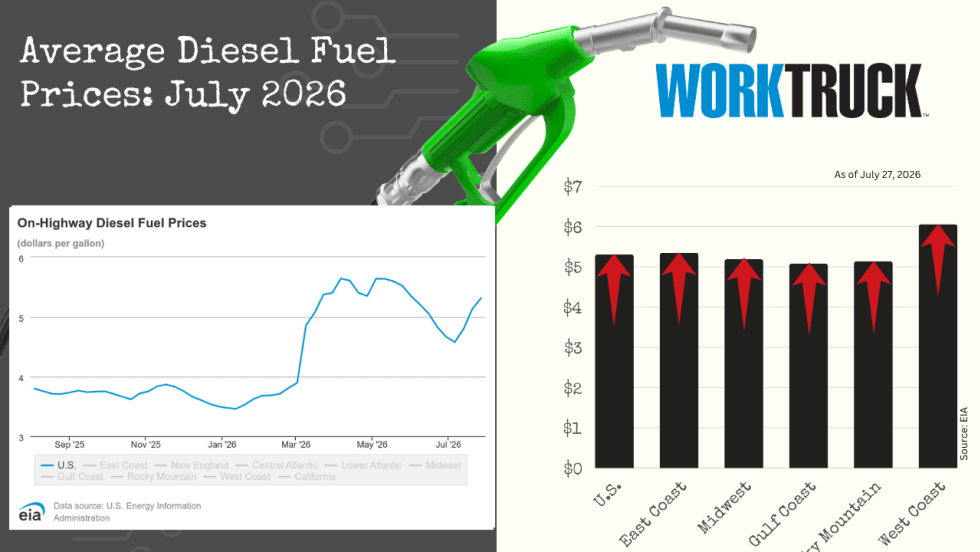
July Diesel Trends Update
The average price of a gallon of diesel increased again this week, and the EIA reported a new national average of $5.31 at the start of the week.
Read More →
WEX Brings Standard Fleet's Connected Vehicle Platform to Fleet Customers
This week’s product launch with Standard Fleet’s connected vehicle platform reflects WEX Venture Capital's strategy of turning startup innovation into customer solutions. Standard Fleet is now available to WEX fleet customers.
Read More →
Teletrac Navman Adds Mixed-Energy Fleet Tools to TN360
The new Energy Hub combines fuel transactions, EV charging data, vehicle range, and energy costs in one dashboard for fleets operating multiple vehicle and energy types.
Read More →
WEX DriverDash adds CITGO, Expands Nationwide Access for Fleets
The DriverDash mobile payment app, by WEX, has been integrated into the CITGO merchant network, which means WEX has expanded its U.S. station footprint with the addition of approximately 4,000 CITGO locations.
Read More →
Mixed Energy Fleet Tips for Balancing EVs, Gas and Diesel Vehicles
Mixed energy fleets are becoming the new normal. Learn how fleet managers are balancing EVs, gas and diesel vehicles while controlling costs and planning for the future.
Read More →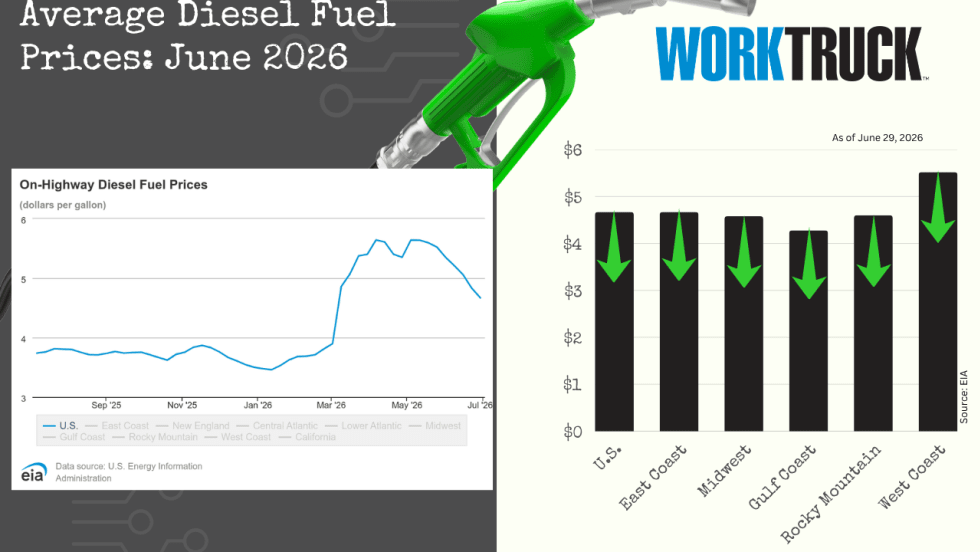
June Diesel Trends Update
The national average price of a gallon of diesel has dropped again, this week by more than 16 cents. All five regions reported lower average prices, ranging from almost 13 cents to more than 28 cents cheaper than a week ago.
Read More →
RoadFlex Launches RoadFlex Direct Open API Platform
RoadFlex Direct connects fuel cards, controls, and data to the telematics and fleet management systems fleets already run, from Geotab and Samsara to Fleetio and RTA, with no separate dashboard or double data entry.
Read More →
The Key to Fuel Efficiency Sits in the Cab
Learn how driver behavior, telematics, coaching, and fuel data can help fleets improve fuel efficiency, lower costs, and reduce emissions.
Read More →