




Battery Manufacturers Preparing for the Future of Automotive Technology
Cars are increasingly capable of doing more for their passengers. Here or on the drawing boards are features such as heated seats that "remember" driver preferences; navigation systems that guide a motorist through unfamiliar streets; wireless communications devices that call for help in an emergency; and climate controls to accommodate the individual wishes of the driver and the passenger.

Cars are increasingly capable of doing more for their passengers. Here or on the drawing boards are features such as heated seats that "remember" driver preferences; navigation systems that guide a motorist through unfamiliar streets; wireless communications devices that call for help in an emergency; and climate controls to accommodate the individual wishes of the driver and the passenger. But the electronic technology developments are empty promises without an efficient battery system. The traditional 12-volt battery, more than ample to supply electrical power for today's vehicles, needs a boost to keep up with the voracious electrical appetites of tomorrow's cars. Members of Battery Council International (BCI), the organization representing the country's lead-acid battery manufacturers and recyclers, are researching significantly more powerful battery systems that are efficient, affordable, safe, recyclable and environmentally friendly. The research will radically alter the passenger car. The industry and automakers are researching several options, with considerations such as cost-effectiveness with higher voltage requiring more cells and space; where to put the batteries; and the maximum amount of power a battery can provide safely. It means reconsidering the total design of the vehicle, potentially allowing the batteries to be located somewhere else besides under the hood. The first step in the evolution could be a two-battery system pairing a 12-volt and a 36-volt battery with a DC to DC converter that would allow the voltage to be stepped down for devices still operating on the 12-volt system. The batteries may be together or separate, located anywhere in the vehicle, perhaps even mounted upside down. Another option is a 42-volt system with a single 36-volt battery that will take loads off the engine, making it more fuel efficient. Both options include advanced lead-acid batteries, the same chemistry that starts today's cars, powers most commercial electric vehicles and backs up critical applications such as telecommunications, computer systems and emergency systems during power outages. The most viable configuration for a 42-volt battery system is a valve-regulated lead acid (VRLA) design with enhanced performance and extended cycle life -- the repeated discharge and recharge cycle a battery goes through during its life. The VRLA is a sealed, leakproof, long-life battery that doesn't produce gas, so it doesn't need to be confined upright and under the hood. It's a proven technology that, like other lead-acid batteries, uses inexpensive lead, plastic and electrolyte solution of sulfuric acid and water, and has an established manufacturing, distribution and recycling infrastructure. VRLA batteries are widely used today to back up computers and telecommunications applications, and to power commercial electric vehicles such as fork lifts and pallet lifters. There are other chemistries, such as lithium and nickel metal hydride, being considered for automotive use. They have advantages and disadvantages, but lead-acid batteries have a cost and environmental advantage, according to the BCI. Lead batteries are the most affordable and the most recycled consumer product, with a recycling rate of more than 90 percent for battery lead. An environmentally conscious society won't tolerate millions of spent batteries piling up in landfills. VRLA technology also has a proven track record for vehicle electrical systems, according to Ron Pogue, president of BCI. "VRLA technology can meet the demands of tomorrow's cars. That will mean better electronics and lighter vehicles," Pogue said. "The VRLA battery will work harder because it also will run power steering, brakes, and other systems." The 42-volt system is safe and operates within the UL guidelines, so there is no shock hazard. And the battery will last longer, perhaps not even needing to be serviced. In the long run, the 42-volt system will make vehicles more environmentally efficient, and number of batteries produced and recycled also could decrease, according to Pogue. While some companies are in the infancy in technology implementation, it's generally agreed that European automakers are taking the lead, using the best available VRLA technology in a power-optimized battery design. "Germany is leading the pack. Consumers of luxury vehicles probably will be able to purchase a German car with a high voltage battery system in 2002-2003. It will take longer for the general consumer, since an entire industry, with billions of dollars in capital investments, must be retooled and re- equipped," Pogue said. BMW currently has prototypes; its cars will probably be seen as early as 2002. High-end masses will see them in about five years; low-end masses will have to wait until the 2008-2010 model years. In the U.S., General Motors has a 42-volt program team and is already well into the development process. The GM electric vehicle, EV1, was the carmaker's first vehicle to attempt to implement the higher voltage technology.
More Technology & AI
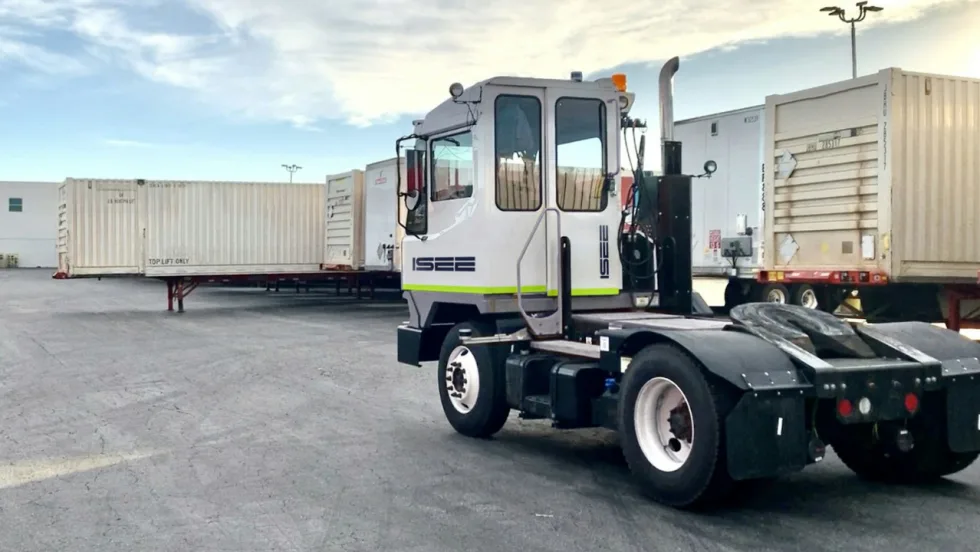
Holman and ISEE Partner to Expand Autonomous Yard Truck Operations
The partnership combines Holman's fleet management and upfitting capabilities with ISEE's autonomous driving technology to help businesses deploy and manage driverless yard trucks.
Read More →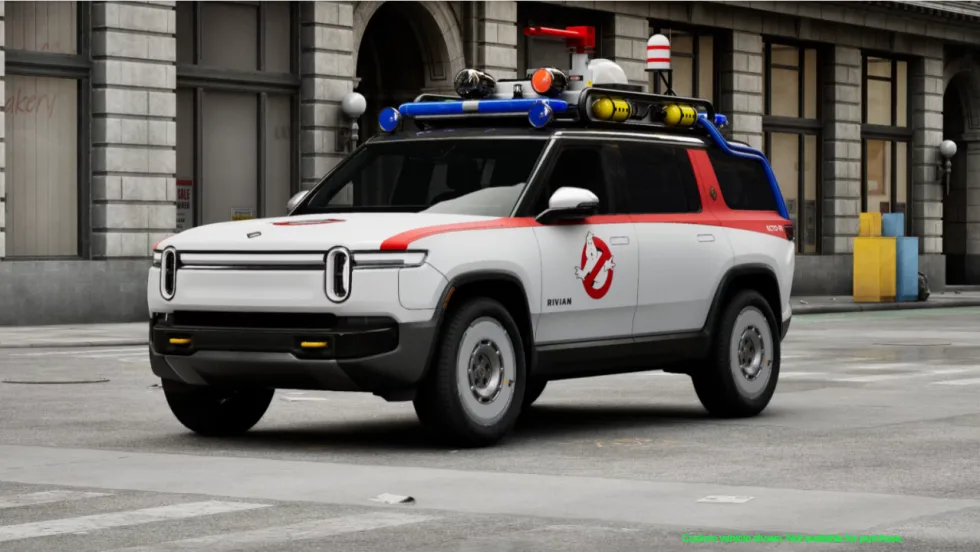
Who You Gonna Call? Rivian Turns Electric Vehicles Into Ghostbusters Rides
Rivian teams up with Sony Pictures for a Ghostbusters-inspired Halloween software update, complete with custom sounds, lighting effects, and a special Ecto-R1.
Read More →
The Second Trip and What Missing Tools Really Cost a Service Business
For service fleets, missing tools and equipment can lead to second trips, lost technician time, higher operating costs, and delayed jobs. Equipment tracking can help HVAC, plumbing, electrical, landscaping, and other service businesses improve visibility and reduce downtime.
Read More →From Our Partners
Basic Tracking vs Next Generation Fleet Technology
Sponsored by AT&T Business

5 Facts Every Fleet Manager Should Know About Embedded Telematics
Sponsored by Stellantis/Mobilisights
How AI Video Telematics Boosts Driver Safety and Helps to Avoid Unnecessary Costs
Sponsored by Verizon Connect

Charting the 8 Bottom-Line Benefits of Workforce Optimization
Sponsored by Verizon Connect


GeoFencing Adds to Your Truck Security Arsenal
Geofencing is a familiar fleet tool today, but its early adoption marked a major shift in vehicle tracking, route monitoring, and the debate over employee privacy.
Read More →
Geotab Data Shows Regional Trucking Growing Faster as Last Mile Routes Get Denser
Geotab's first U.S. supply chain report finds stable long-haul activity, stronger regional freight movement, tighter hub-and-spoke utilization, and more last-mile trips on shorter routes.
Read More →
When Fleet Technology Helps and When It Just Adds Complexity
New technology can help fleets work smarter, but only if it solves the right problem. Lauren Fletcher talks with AP Fleet’s Alex Coveney about innovation, AI, data, and knowing when a new solution is actually worth adopting.
Read More →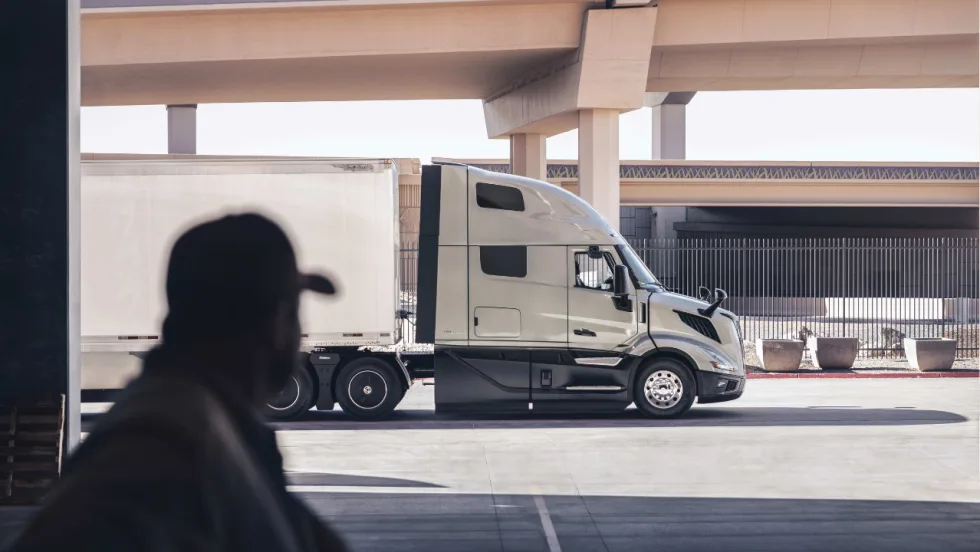
Volvo Trucks’ 'Lock and Leave' Software Updates Go Live Across North America
Unattended over-the-air software updates are now available in Volvo trucks across the U.S. and Canada. The new capability lets trucks stay current with the latest software without interrupting operations or requiring a dealership visit.
Read More →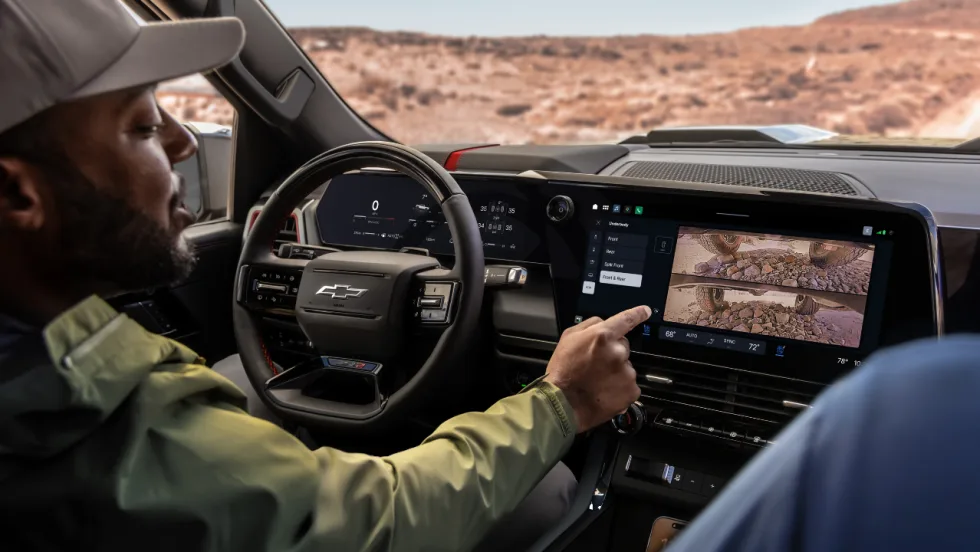
GM Brings New Truck Focused Interface to 2027 Silverado and Sierra
GM's new pickup interface puts trailering data, camera views, vehicle controls, and smartphone integration closer to the driver in the 2027 Silverado and Sierra.
Read More →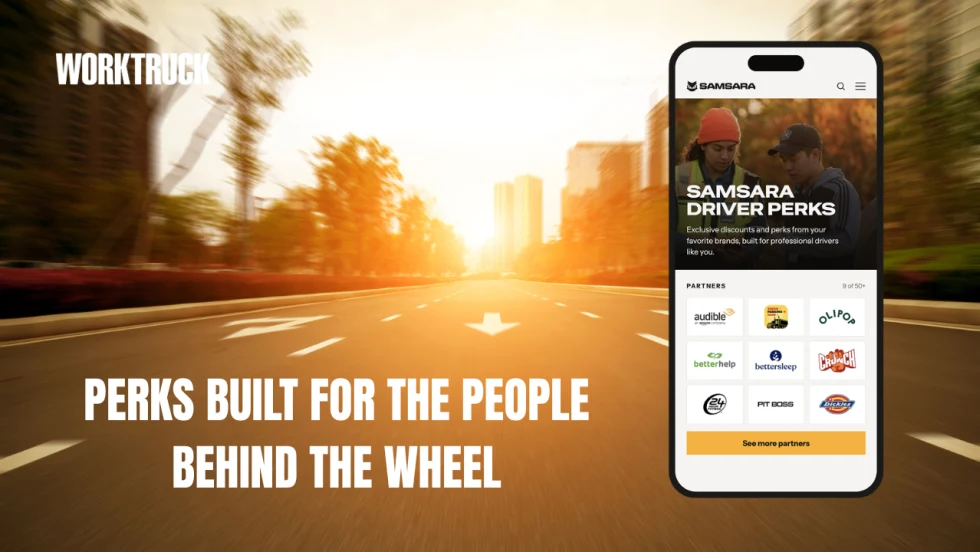
Samsara Driver Perks Expands Rewards Beyond the Long Haul Driver
Samsara’s new driver rewards program was built with a broader professional driver in mind, including employees who split their day between driving, job sites, service calls, and other work.
Read More →
AI Service Advisor Aims to Cut Fleet Repair Downtime
Fleetio said its AI Service Advisor can help fleets cut repair downtime by an average of 2.5 hours per repair while reducing manual maintenance work.
Read More →