




Average Diesel, Gasoline Costs Expected to Remain Low
A new fuel price forecast from the U.S. Energy Department shows little change from expectations a month ago for the price of diesel, but the outlook for gasoline has moved a little higher.

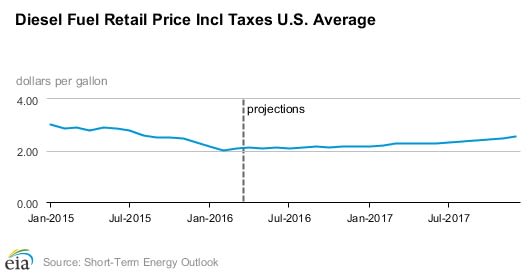
A new fuel price forecast from the U.S. Energy Department shows little change from expectations a month ago for the price of diesel, but the outlook for gasoline has moved a little higher.
The latest Short Term Energy Outlook, released Tuesday, calls for on-highway diesel retail prices to average $2.11 per gallon during the summer driving season, down from an average of $2.74 last summer. The department defines the summer driving season as April through September.
Diesel prices are expected to increase only slightly as 2016 moves forward, hitting an average of $2.15 per gallon in the final quarter of the year. The actual average for the first quarter of the year was $2.07 per gallon. For all of 2016 the price is expected to average $2.11 per gallon, down 1 cent from last month’s forecast. It is forecast to average $2.33 per gallon in 2017, up only a penny from March’s projection.
The department expects the retail price of regular-grade gasoline to average $2.04 per gallon this summer, down from an average of $2.63 per gallon last summer. If this happens, this would mark the lowest summer average since 2004.
Regular-grade gasoline is expected to average $2.07 per gallon in the second quarter, up 4.8% from last month’s forecast, following an actual first quarter average of $1.88 per gallon. It is expected to fall to $1.79 per gallon in the final quarter of 2016, unchanged from the previous projection.
For all of 2016, regular-grade gasoline is forecast to average $1.94 per gallon. That's down from $2.43 in 2015, but it is 2.4% greater than the expectation a month ago. The 2017 price is expected to average $2, up 1.3% from the previous forecast.
According to the department, if the 2016 gasoline price forecast is met, it would save the average U.S. household about $350 compared with 2015, with annual average motor fuel expenditures at the lowest level in 12 years.
Prices for both domestic and imported crude oil are expected to be only slightly higher for all of this year. West Texas Intermediate is forecast to average $34.60 this year and $40.58 next year, compared to the 2015 average of $48.67 and a 2014 average of 93.17. Prices for Brent crude, which are usually a few dollars more, are projected to be nearly the same as WTI this year and next.
Helping to keep oil prices down is U.S. consumption of distillate fuel, which includes diesel fuel and heating oil. Use of these fuels fell by 60,000 barrel per day, or 1.5%, in 2015, and it's expected to fall by an additional 70,000 barrels per day, or 1.8%, in 2016. Falling distillate consumption in 2016 is the result of warm winter temperatures, lower rates of oil and natural gas drilling activity, and falling coal production that has reduced diesel use in rail shipments of coal, according to the department. It expects stronger economic growth in 2017 will contribute to distillate fuel consumption growth of 140,000 barrels per day, or 3.5%.
Also keeping a lid on oil prices and consequently fuel prices has been the continuing build in crude inventories, with the rate expected to fall in 2017 to a fraction of what is expected for all of this year.
Originally posted on Automotive Fleet
More Fuel

The Smart Way to Build a Mixed-Energy Fleet Isn’t About Picking a Side
Mixed-energy fleets aren’t about picking a winning fuel. Sarah Booth of WEX explains how vehicle data, duty cycles, charging strategy, and real-world costs can help fleets choose the right energy source for each job.
Read More →
Ignoring This Dashboard Warning Could Cost Your Fleet Thousands in Fuel
New research suggests neglected diesel aftertreatment systems could waste up to $30 in fuel per vehicle each day. Here's why vocational fleets should pay attention.
Read More →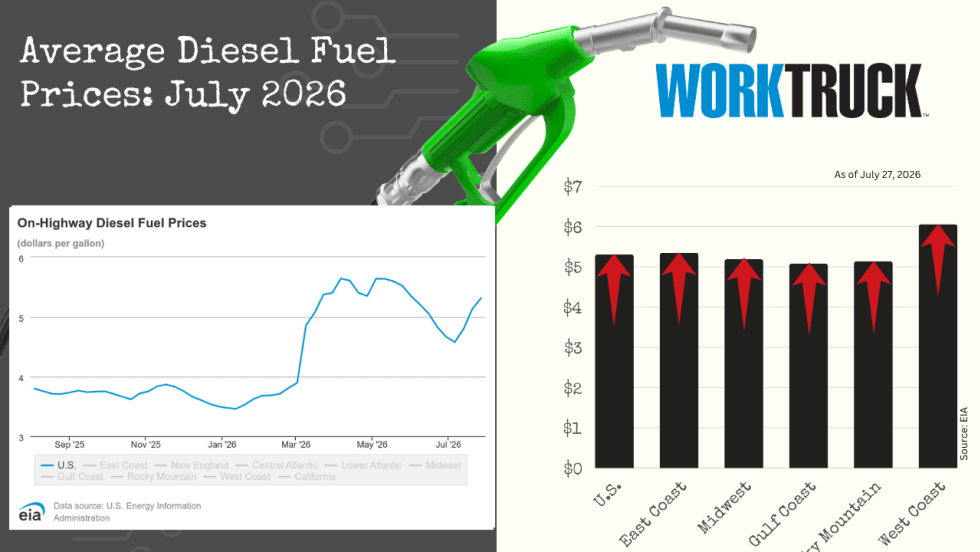
July Diesel Trends Update
The average price of a gallon of diesel increased again this week, and the EIA reported a new national average of $5.31 at the start of the week.
Read More →
WEX Brings Standard Fleet's Connected Vehicle Platform to Fleet Customers
This week’s product launch with Standard Fleet’s connected vehicle platform reflects WEX Venture Capital's strategy of turning startup innovation into customer solutions. Standard Fleet is now available to WEX fleet customers.
Read More →
Teletrac Navman Adds Mixed-Energy Fleet Tools to TN360
The new Energy Hub combines fuel transactions, EV charging data, vehicle range, and energy costs in one dashboard for fleets operating multiple vehicle and energy types.
Read More →
WEX DriverDash adds CITGO, Expands Nationwide Access for Fleets
The DriverDash mobile payment app, by WEX, has been integrated into the CITGO merchant network, which means WEX has expanded its U.S. station footprint with the addition of approximately 4,000 CITGO locations.
Read More →
Mixed Energy Fleet Tips for Balancing EVs, Gas and Diesel Vehicles
Mixed energy fleets are becoming the new normal. Learn how fleet managers are balancing EVs, gas and diesel vehicles while controlling costs and planning for the future.
Read More →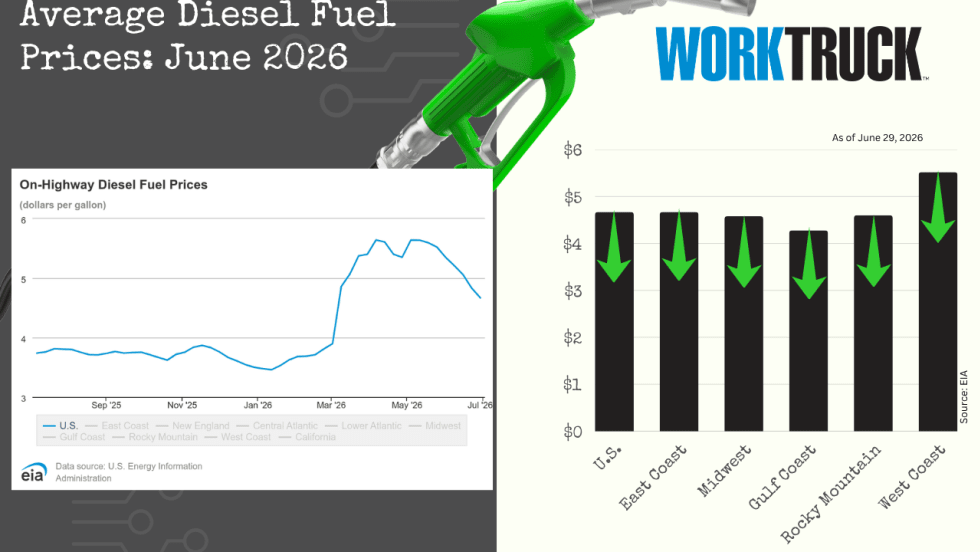
June Diesel Trends Update
The national average price of a gallon of diesel has dropped again, this week by more than 16 cents. All five regions reported lower average prices, ranging from almost 13 cents to more than 28 cents cheaper than a week ago.
Read More →
RoadFlex Launches RoadFlex Direct Open API Platform
RoadFlex Direct connects fuel cards, controls, and data to the telematics and fleet management systems fleets already run, from Geotab and Samsara to Fleetio and RTA, with no separate dashboard or double data entry.
Read More →
The Key to Fuel Efficiency Sits in the Cab
Learn how driver behavior, telematics, coaching, and fuel data can help fleets improve fuel efficiency, lower costs, and reduce emissions.
Read More →