





Related: Q&A: Talking ELDs with FMCSA’s Top Compliance Expert
1 in 8 Trucking Fleets Still Not ELD-Compliant
MiX Telematics announced the results of a comprehensive study on electronic logging device compliance and use by U.S. trucking fleets.
July 23, 2019

Among the 12% (1 in 8) fleets who have not yet implemented, three-fourths plan to do so by December 2019.
Photo: MiX Telematics
3 min to read
MiX Telematics announced the results of a comprehensive study conducted with Bobit Research Services on mandatory electronic logging device compliance and use by U.S. trucking fleets.
The main objective of this research was to better understand aspects of ELD compliance within U.S. fleets and how the data collected by ELD solutions is being used. Topics covered in the survey include ELD implementation, progress on meeting the ELD mandate deadline, the types of data being collected through ELD solutions, how that data is being used, and potential return on investment on ELD investments. Bobit conducted the survey in April 2019; 194 individuals responded.
MiX shared the highlights from this study:
Three-fourths of companies surveyed have already implemented an ELD solution in compliance with the ELD mandate. Among those who have implemented:
Four-fifths consider their ELD solution to be full-featured, offering compliance alongside many other features. The balance consider their ELDs to be entry-level, compliance-only tools.
One-fourth of companies surveyed have not implemented an ELD solution. About half of those (13%) are not subject to the ELD mandate.
Among the 12% (1 in 8) that are subject to the mandate but have not yet implemented ELDs, three-fourths plan to do so by the December 2019 deadline.
As expected, nearly all fleet professionals who were collecting data were using their ELD solution to collect hours-of-service data. Fewer focused on data relating to vehicle location, vehicle mileage and vehicle speed statistics that could be valuable to fleets focused on safety and efficiency gains.
When asked if they expected to achieve positive return on investment on their ELD purchases this year, 59% of those using full-featured ELDs said yes, while only 37% of those using entry-level tools said yes.
“We are encouraged that most fleets have implemented an ELD solution and many are using the data they are collecting for things other than HOS compliance,” said Adam Bruttell, vice president of sales and marketing, North America, MiX Telematics. “However, the fact that one in eight fleets are still not ELD compliant and many are not collecting and leveraging ELD data on aspects such as safe driving and fuel economy tells us there is still a lot of work to do. Improved driver safety and fuel economy are significant benefits of using ELDs. Done right, close to 100% of full-featured solutions should achieve ROI. The relatively low expectations seen in the survey demonstrate that fleets can and should do more to leverage the data they are collecting. That’s why MiX works closely with its customers to ensure they are getting the most out of their ELD investments.”
Previous research conducted by MiX Telematics has found that the ROI for a typical 100-vehicle fleet can be $134 per vehicle, per month. The gains are from compliance, safety, and efficiency (for instance, savings on fuel, maintenance, insurance, crash avoidance and fine avoidance).
{incontentformtoken}
MiX Telematics and Bobit Research Services will share more detail on the survey findings in a webinar taking place July 23 at 2 p.m. ET. Click here to register for this free event, “Beyond ELD Compliance: Making the Most of Your ELD Data.” A white paper with more details on the survey findings is available for download here.
More Technology
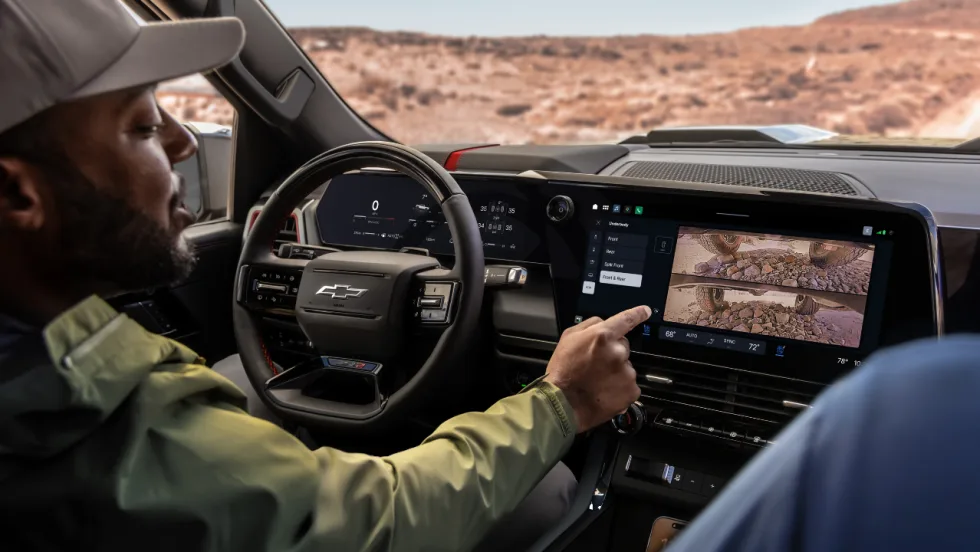
GM Brings New Truck Focused Interface to 2027 Silverado and Sierra
GM's new pickup interface puts trailering data, camera views, vehicle controls, and smartphone integration closer to the driver in the 2027 Silverado and Sierra.
Read More →
Samsara Driver Perks Expands Rewards Beyond the Long Haul Driver
Samsara’s new driver rewards program was built with a broader professional driver in mind, including employees who split their day between driving, job sites, service calls, and other work.
Read More →
AI Service Advisor Aims to Cut Fleet Repair Downtime
Fleetio said its AI Service Advisor can help fleets cut repair downtime by an average of 2.5 hours per repair while reducing manual maintenance work.
Read More →
Verra Mobility Launches AI-Driven Title & Registration Solution
Verra Mobility has launched a new AI-driven Title & Registration platform to help fleets move vehicles from acquisition to the road the same day while reducing compliance risk.
Read More →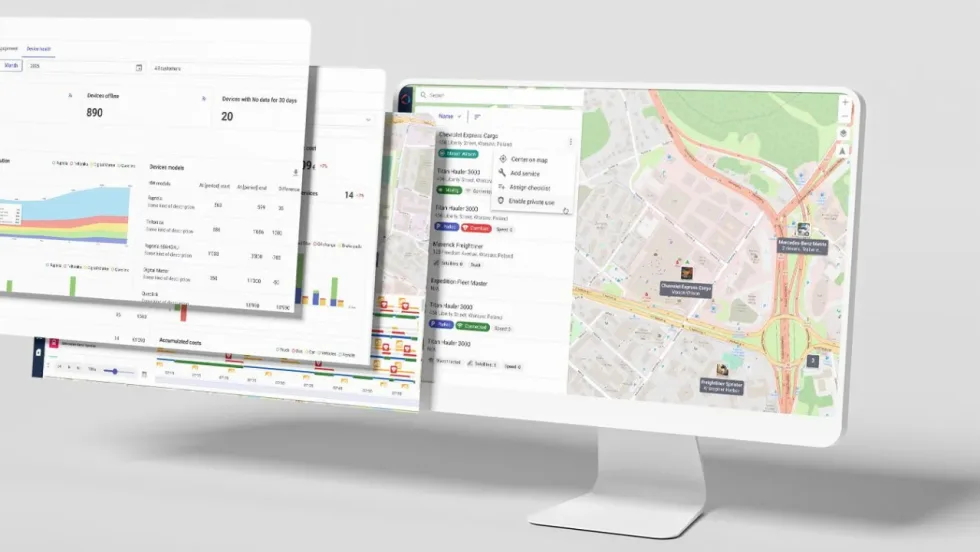
Wialon Unlocks OEM Data to Give Fleet Owners Data Ownership & Operational Clarity
Wialon has introduced hardware-free OEM integration as the EU Data Act accelerates the shift in vehicle data access across the fleet industry in many countries.
Read More →
Teletrac Navman Promotes New CEO from Within
Teletrac Navman’s next CEO, Ricardo Buranello, has served as the company’s chief financial and operating officer. He brings deep financial and operational expertise, a strong strategic orientation, and an intimate knowledge of the business to his new role.
Read More →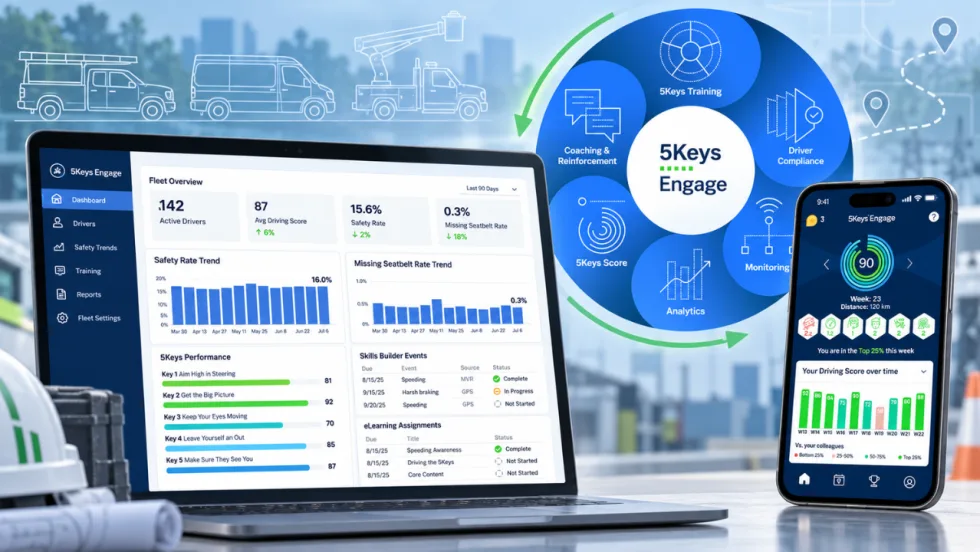
Smith System Wants Work Truck Fleets to Look Beyond the Driver Alert
Smith System’s new Driver Risk Management program is built to help mixed work truck fleets turn telematics alerts and observations into specific behaviors, coaching actions, and measurable follow-up.
Read More →
Ford Pro Software Updates: August 26
Check out the latest Ford Pro software updates, including Google Maps integration, Remote Vehicle Alarm integration, Motor Pool for easier management of shared pool vehicles, and more.
Read More →
Where AI Is Actually Saving Fleet Managers Time
AI is moving past the buzzword stage and into the daily fleet workflow. Fleetio’s Brianna Perry Lang breaks down where fleets are seeing real time savings, from maintenance and data entry to repair decisions, safety, and compliance
Read More →
Are Work Truck Drivers Warming Up to Dash Cams and GPS Tracking?
A new survey finds field-service drivers may be more comfortable with dash cams and GPS tracking than fleet managers think, especially when the technology helps protect them after a crash.
Read More →