




The Value of Small Accomplishments
Do you celebrate your achievements, both big and small? Do you know why it matters?


It doesn’t matter how long or short we’ve been involved with work trucks and fleets. As fast as things change, as quickly as technology advances, and much as there is involved in our industry, we can always keep learning and celebrating those big and small achievements.
Photo: Work Truck
In any part of your life, whether it’s truck fleet management or hobbies, one of the most significant challenges we face — and in my opinion, one of the best skills to hone — is the ability to celebrate small progress.
Often, we are mired in the middle of the mess and unable to see past our current to-do list. Or, as soon as we finish even a small goal, we are immediately rushing on to the next.
Are you able to celebrate your achievements, both big and small? Do you know why it matters? Here are three steps to help:
Step 1: Look ALL the Way Back
One of my favorite things to do is making notes or taking pictures when I first start something. You are often excited, maybe a little scared, and ultimately, utterly clueless when you start anything. These notes and images can help you see how far you’ve come.
Think about when you first started working in fleet management. Whether you understood the business or the vehicle side, it’s likely fair to say there was at least SOMETHING about fleet that you had to learn.
From the million acronyms we use (OEMs, FMCs, hp, mph, lb.-ft., DOT, BBC, SBA, EGR, GCWR… I could go on), to how fleets operate, or how trucks operate, and so much more, fleet is confusing.
But, whether it’s just been a few months or a few decades, I am confident that today, you are much more educated and secure in your knowledge of the many unique aspects of work truck fleet management. (Congrats — that’s something to celebrate!)
Step 2: Look a LITTLE bit Back
It’s all good and well to celebrate the big achievements — but never forget about the small triumphs that got you there.
Understanding how trucks operate isn’t a one-day effort if you don’t come from a mechanical background. There are so many components that make these workhorses what they are; it’s safe to say that you learned what you know today a little bit at a time.
The same can be said if you came from a mechanical background and had to learn the business side. Those small pieces of information create a much bigger story, and without each piece, you wouldn’t have the knowledge and complete understanding you do today.
Major accomplishments are fun, but the small ones are what ultimately got you there. If you are still unsure of all of the components of a powertrain but have a strong understanding of how engines work and what that matters, give yourself a high five for me. You are well on your way.
Step 3: Look Forward
Another angle you can take is looking forward. Setting new goals for yourself is how you keep learning and growing.
I remember walking around a major truck show a few years back. I had been covering this industry for a decade at that point and felt confident in my knowledge. I came across several things that day that I had more questions about than I’d like to admit. It was the start of our Fleet 101 series of articles and videos.
When you see something you don’t understand, take the time to ask questions, dig deeper, read some Work Truck articles on the topic, and reach out to this fantastic industry of peers and colleagues.
It doesn’t matter how long or short we’ve been involved with work trucks and fleets. As fast as things change, as quickly as technology advances, and much as there is involved in our industry, we can always keep learning and celebrating those big and small achievements.
And if you still feel a little bit lost, check out our Fleet 101 series of articles and videos! Have any thoughts to add?
Did this help you out? Please e-mail me, and let’s chat!
Lauren Fletcher
Executive Editor
Lauren.Fletcher@bobit.com
More Blog Posts

Can America Replace Canadian Truck Production Without Hurting U.S. Fleets?
U.S. tariffs are targeting Canadian truck production, but Ford and GM show why moving that manufacturing south isn’t so simple. After 60 years of building one North American supply chain, what could fleets lose by pulling it apart?
Read More →
The Fleet Skills We Keep Missing on Veterans’ Resumes
What if some of the strongest candidates are already out there, but we are overlooking them because their experience is written in a language our industry does not always recognize?
Read More →
Technicians Are Doing More Than Turning Wrenches
Technicians do far more than repair vehicles. Six professionals reveal the problem-solving, pressure, and pride behind keeping fleets moving.
Read More →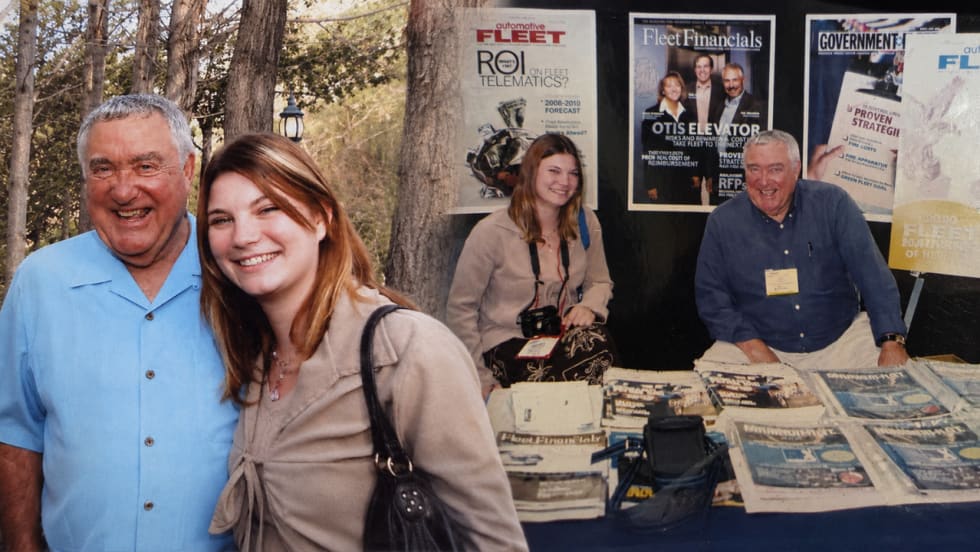
WWCD? What Would Coach Do?
A personal reflection on Ed "Coach" Bobit, the mentor who shaped my career, and why I still ask myself one question 12 years later: WWCD?
Read More →
What the Fleet Industry Still Gets Wrong About Talent
What can the fleet industry learn from the women helping shape its future? A look at talent, leadership, sponsorship, and why new perspectives drive progress.
Read More →
AI Isn’t Killing Content, but Lazy Expertise Is
Thought leadership loses value when AI does the thinking. Here’s why authentic industry voices still matter most.
Read More →
Do I Need a U.S. DOT Number?
Whether you operate a small fleet of light-, medium-, or heavy-duty units, or are merely the owner of one truck wanting to ensure you adhere to the law, knowing if you can need a U.S. DOT number can be confusing.
Read More →
Is Retirement in Fleet Now More Like ‘Rewiring’?
Fleet professionals rarely retire for good. They return as advisors, mentors, and consultants, keeping hard-won experience in the industry.
Read More →
What Does Visibility in Fleet Really Look Like?
Advocacy changes things. Visible trust changes things. Structure changes things. Access changes things. A willingness to share connections, rooms, and opportunities, and a belief in someone before it is convenient, changes things.
Read More →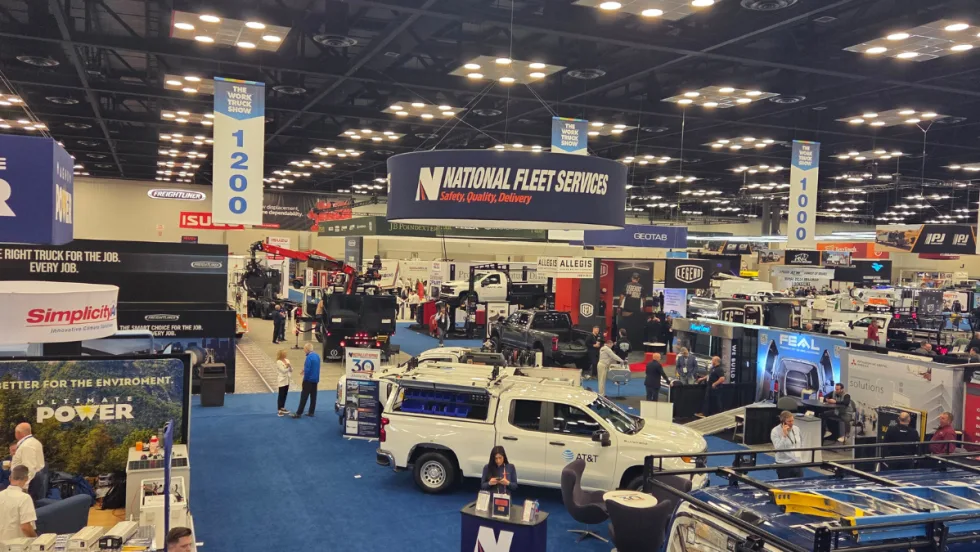
Work Truck Week 2026 Shows an Industry Focused on Practical Progress
Taken together, these themes show an industry that is not chasing a single technological solution. Instead, it is building a broader toolkit designed to support the diverse and demanding jobs fleets perform every day.
Read More →