




Technology in Trucks: A Necessity or Simply Distracting?
Which of the many new, technological advances are necessary to help truck fleets stay safer on the road, and what are unnecessary distractions?

There is an abundance of technology on the market today for fleets – from GPS and telematics for routing, to blind spot monitoring and back-up cameras for safety, to just about everything in between.
Which of the many new, technological advances are necessary to help truck fleets stay safer on the road, and what are unnecessary distractions?
GPS & Telematics
It’s become an unattested truth that better routing through GPS and telematics solutions can save on fuel expenses, helps keep drivers safer through location-based assistance programs and more. New and improved truck-specific GPS and routing software has also come onto the market, further enhancing a driver’s ability to ensure they are staying on the appropriate roads and not endangering themselves or others by using an unsafe route for a specific truck size.
However, in-vehicle GPS systems showing a moving map can be considered an in-vehicle distraction. Using voice-only directions is a safer, less distraction-prone option. Drivers should be urged to pay attention the road, and if possible to turn off the map's display when not needed.
Safety Systems
There is no question or argument that modern safety technology is saving thousands of lives and making today's vehicles some of the safest on the road. From modern air bag technology to collision alert sensors and warning systems, technology is working hard to save lives.
Some fleet managers, however, argue that drivers are becoming too dependent on this technology and are not paying close of attention to possible hazards like they used to. Another concern I've heard voiced is that drivers may get used to certain safety technology in one vehicle, and may not be as diligent in avoiding certain road hazards when getting into another vehicle that lacks such technology.
At an event a few years back, when blind spot monitoring was being introduced, one long-time journalist commented, “But we have always had ‘blind spot monitoring.’ It’s called adjusting your rear-view mirrors correctly and paying attention to your surroundings.”
While many safety systems are necessary, including new air bag systems, is there a point where drivers get so dependent on the technology that they stop using the most valuable technology at hand – their own eyes, ears, and brain?
Hands-Free Systems
Hands-free systems are gaining in popularity as more and more states band texting while driving, or talking on cell phones completely. But, is a hands-free system as “distraction free” as everyone may believe? Some systems still require interaction with an in-dash system, or buttons on a steering wheel. I believe fleets that are enforcing strict no cell-phone use policies are going to reap the future benefits of a safer fleet.
In the end, fleet managers may be guilty of helping drivers become too dependent on technology. Is modern in-vehicle technology both a blessing, and a curse? What do you think is a necessity, or simply just a distraction?
Let me know where you stand.
Lauren Fletcher
More Blog Posts

Can America Replace Canadian Truck Production Without Hurting U.S. Fleets?
U.S. tariffs are targeting Canadian truck production, but Ford and GM show why moving that manufacturing south isn’t so simple. After 60 years of building one North American supply chain, what could fleets lose by pulling it apart?
Read More →
The Fleet Skills We Keep Missing on Veterans’ Resumes
What if some of the strongest candidates are already out there, but we are overlooking them because their experience is written in a language our industry does not always recognize?
Read More →
Technicians Are Doing More Than Turning Wrenches
Technicians do far more than repair vehicles. Six professionals reveal the problem-solving, pressure, and pride behind keeping fleets moving.
Read More →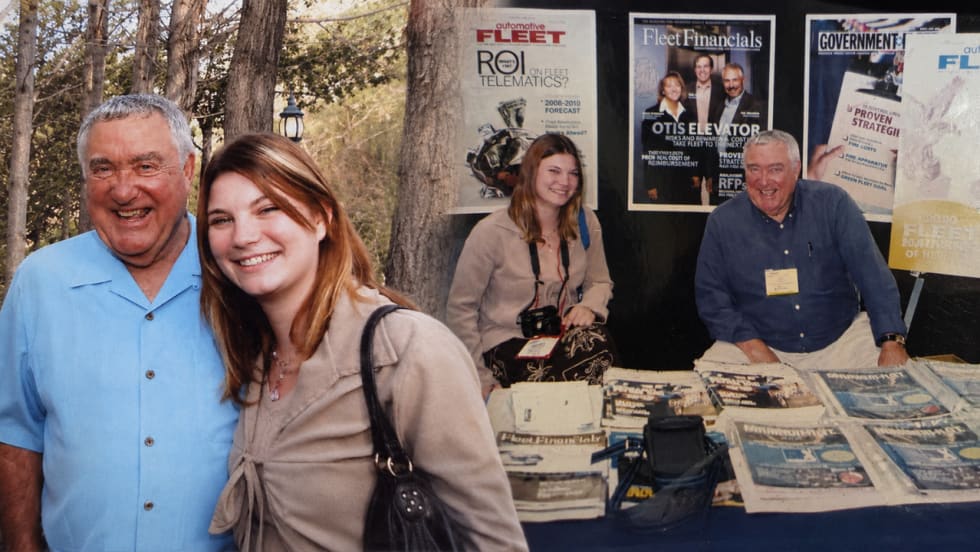
WWCD? What Would Coach Do?
A personal reflection on Ed "Coach" Bobit, the mentor who shaped my career, and why I still ask myself one question 12 years later: WWCD?
Read More →
What the Fleet Industry Still Gets Wrong About Talent
What can the fleet industry learn from the women helping shape its future? A look at talent, leadership, sponsorship, and why new perspectives drive progress.
Read More →
AI Isn’t Killing Content, but Lazy Expertise Is
Thought leadership loses value when AI does the thinking. Here’s why authentic industry voices still matter most.
Read More →
Do I Need a U.S. DOT Number?
Whether you operate a small fleet of light-, medium-, or heavy-duty units, or are merely the owner of one truck wanting to ensure you adhere to the law, knowing if you can need a U.S. DOT number can be confusing.
Read More →
Is Retirement in Fleet Now More Like ‘Rewiring’?
Fleet professionals rarely retire for good. They return as advisors, mentors, and consultants, keeping hard-won experience in the industry.
Read More →
What Does Visibility in Fleet Really Look Like?
Advocacy changes things. Visible trust changes things. Structure changes things. Access changes things. A willingness to share connections, rooms, and opportunities, and a belief in someone before it is convenient, changes things.
Read More →
Work Truck Week 2026 Shows an Industry Focused on Practical Progress
Taken together, these themes show an industry that is not chasing a single technological solution. Instead, it is building a broader toolkit designed to support the diverse and demanding jobs fleets perform every day.
Read More →