



Future Wishes for the Work Truck Industry
From improved charging networks to predictive maintenance, and more trucks, here are just a few wishes for a bright work truck future:


Looking toward the future with hope and optimism, I hope that your days are filled with more joy than stress.
Photo: Getty Images
The past two years have been unlike anything else experienced in the history of fleet. Those who are reading this article, I salute you. It’s been because of your hard work, late nights, blood, sweat, and greasy tears that so many have been able to have food on their table, live in a new home, get their shopping done for the holidays, and so, so much more.
Here are just a few wishes for a bright work truck future:
“An improved nationwide charging infrastructure that can support EV truck fleets outside of the higher adoptive regions of the country. Additionally, I’d like to see an added focus and attention placed on attracting and educating the next generation of technicians and drivers, given the future expected shortages in these fields,” said Adam Secore, senior vice president, operations for Merchants Fleet.
“The future is predictive maintenance, and in many ways, it’s already here. To become the industry standard, predictive analytics need fleets to have greater access to their data, either from telematics service providers or OEMs themselves. Then also is the issue with technician training and retention, and the skills needed to be data-literate, as well as traditional tech knowledge," said Braden Pastalaniec, VP of Transportation and Logistics at Uptake. “I’d also love to see a more fully digitized maintenance process — from the early flagging of an issue that brings the vehicle into the shop, followed by proactive and remote diagnostics, and a repair process where the tech has the support of on-demand manuals and augmented reality — would allow fleets to address persistent challenges with technician shortages and training.”
“While the current trend is to have highly specialized vehicles per job assignment, ideally, more modular platforms will enter the market, allowing vehicles to be easily reconfigured for job assignments," said Nick Richardi, senior product manager at Zonar.
“More trucks. I say that tongue-in-cheek, but in all honesty, we need stabilized production from OEMs to keep up with demand. We’d also like to see more young people exploring careers in the vocational truck world. There’s huge potential and great opportunities to make good money,” said Scott Hanewall, general manager - commercial division for Monroe Truck Equipment.
“Ultimately, all of us would like to see vocational vehicles be more environmentally friendly. EV and alternative fuels are growing in popularity, and there’s a reason for that. More and more people are concerned about the environment, and I’d like to see that carried through on vocational trucks as well,” said Jim Smith, director of sales - commercial division for Monroe Truck Equipment.
Looking toward the future with hope and optimism, I hope that your days are filled with more joy than stress. For me, I wish that we could have a little more time to breathe and innovate again. And I wish for the days of more in-person events than zoom calls.
What are your future wishes for your fleet? Did we hit the nail on the head or miss something?
Email me and let’s chat!
Lauren Fletcher
Executive Editor, Work Truck
Lauren.Fletcher@bobit.com
More Blog Posts

4 Ways to Keep Fleet Nightmares Off Your Halloween Schedule
Don't let the fear of vehicle mishaps spook you! Check out these four tips to ensure your work truck fleet stays on the road, safe and sound, during this hair-raising season.
Read More →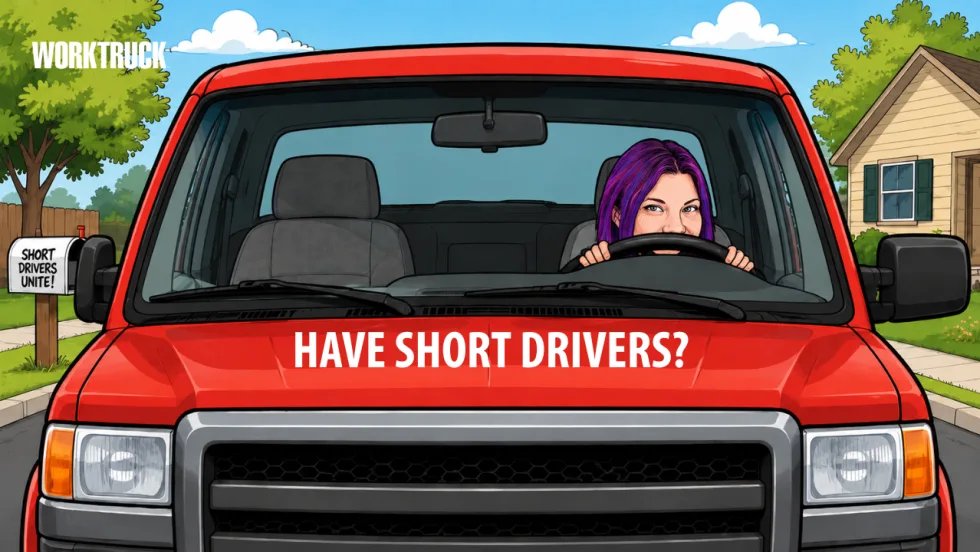
Short Drivers Need to Be Part of the Work Truck Spec, Too
The average truck driver may be around 5'9" for men and 5'4" for women, but fleets aren't spec'ing trucks for averages. Here's what shorter drivers need fleets to consider, from seat height and visibility to 360 cameras, seat belts, and cab access.
Read More →
Does Your Fleet Policy Cover In-Vehicle Gaming?
As in-vehicle gaming, streaming, and connected entertainment expand, fleet policies may need an update. Here’s what fleet managers should be thinking about now.
Read More →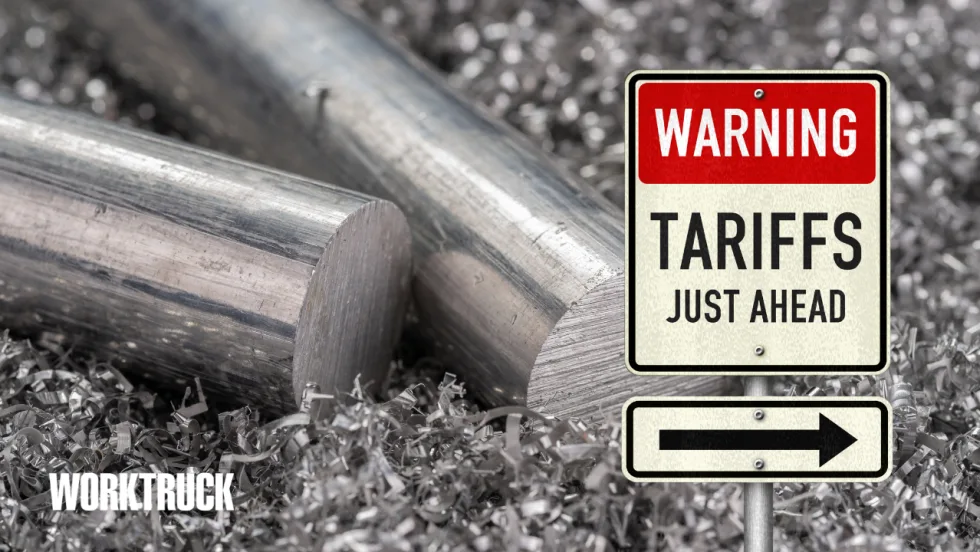
You Can't Tariff an Aluminum Smelter Into Existence
The U.S. wants to rebuild domestic aluminum production, but work truck manufacturers still need material today. What happens to costs and supply in the meantime?
Read More →
Can America Replace Canadian Truck Production Without Hurting U.S. Fleets?
U.S. tariffs are targeting Canadian truck production, but Ford and GM show why moving that manufacturing south isn’t so simple. After 60 years of building one North American supply chain, what could fleets lose by pulling it apart?
Read More →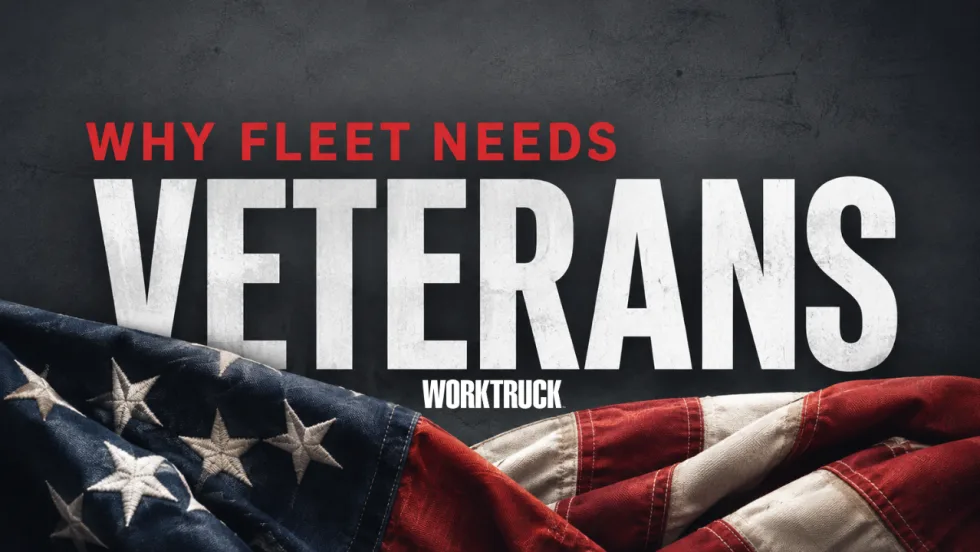
The Fleet Skills We Keep Missing on Veterans’ Resumes
What if some of the strongest candidates are already out there, but we are overlooking them because their experience is written in a language our industry does not always recognize?
Read More →
Technicians Are Doing More Than Turning Wrenches
Technicians do far more than repair vehicles. Six professionals reveal the problem-solving, pressure, and pride behind keeping fleets moving.
Read More →
WWCD? What Would Coach Do?
A personal reflection on Ed "Coach" Bobit, the mentor who shaped my career, and why I still ask myself one question 12 years later: WWCD?
Read More →
What the Fleet Industry Still Gets Wrong About Talent
What can the fleet industry learn from the women helping shape its future? A look at talent, leadership, sponsorship, and why new perspectives drive progress.
Read More →
AI Isn’t Killing Content, but Lazy Expertise Is
Thought leadership loses value when AI does the thinking. Here’s why authentic industry voices still matter most.
Read More →