





Dig Deeper: What Does Inflation Mean For Trucking?
An Ongoing Struggle: New Truck Acquisition
Where are the trucks? Are things improving and is there an end in sight?
July 18, 2022
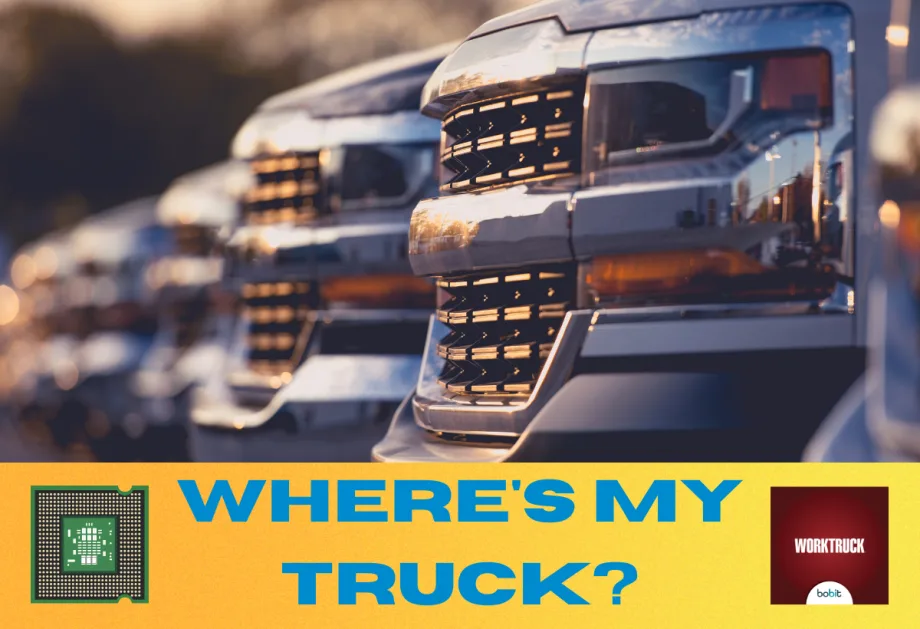
There are multiple issues currently limiting the production/availability of trucks.
Photo: Canva
3 min to read
It’s not a secret — fleets are struggling to acquire the trucks they need to get their work done. According to Toyota, truck deliveries take anywhere from four to 12 months if the OEM secures the allocation.
And the fleet industry is continuing to see order-related challenges.
What’s Causing the Delays?
There are multiple issues currently limiting the production/availability of trucks.
“OEMs continue to deal with numerous supply chain parts shortages (i.e.: chips, electronic components, wiring harnesses, etc.). In addition, there is an unprecedented amount of pent-up demand in the commercial truck space, which is extending the challenge of balancing truck production with customer demand,” said Mark Oldenburg, Senior National Fleet Operations manager, Toyota Motor North America.
But, according to Debbie Shust, vice president, Medium Duty Truck Business, Navistar, there is less of a buffer to the supply chain than we used to have, adding to the headaches.
“Although we have seen some recovery in the semiconductor chip issues, they are not completely behind us. There is no longer a buffer in the supply chain, so any disruption for parts or components (e.g., a ship waiting to be unloaded at a port, a new COVID outbreak) can cause a delay in the production schedule. In addition, we are seeing record demand, stressing the system even more,” Shust explained.
Current Truck Production Trends
Navistar is seeing truck production trending up in Q2 compared to Q1, but there is still uncertainty.
“Although things are improving, the fragility of the supply chain is still causing constraints,” Shust noted.
Work truck fleet managers must also deal with supply chain shortages with their upfitters.
“Upfitters are also being impacted by the shortage and bottlenecks of parts needed to complete their customer upfitting needs,” Oldenburg said.
Tips for Mitigating Issues
Challenges like we are seeing today, will not disappear overnight.
“Work truck fleet managers must realize the supply chain may take years to fully recover and be prepared to invest additional resources to maintain their existing fleet of work trucks until replacement trucks are available,” Oldenburg added.
Challenges Caused by Shortages
There are several issues resulting from ongoing truck acquisition challenges.
“These challenges will result in longer overall lifecycles, increased maintenance costs, and increased operational and vehicle acquisition budgets to buy a replacement truck once they become available (caused by a decrease in available incentives and higher MSRP and inflationary costs for increasing fuel prices),” Oldenburg noted.
Shust agreed, adding that, “we will have a time where customers will likely need to keep trucks longer than normal until industry production can catch up.”
The End?
While there are some good changes happening that are positively impacting truck acquisition, there are still challenges to face.
“Although COVID outbreaks are still happening, they are less severe than in the past. Chip suppliers are working on adding capacity,” Shust noted.
But there is no magic eight-ball that tells us when this will all be over.
“The end in sight to these issues will be when supply and demand balance out, which is not possible to predict at this time,” Oldenburg said.
Are you struggling to get trucks for your fleet? Do you see any improvements, or are things still as challenging for you? I’d love to hear your story!
E-mail me, and let’s chat!
Lauren Fletcher, Executive Editor
lauren.fletcher@bobit.com
Subscribe to Our Newsletter
More Blog Posts

Can America Replace Canadian Truck Production Without Hurting U.S. Fleets?
U.S. tariffs are targeting Canadian truck production, but Ford and GM show why moving that manufacturing south isn’t so simple. After 60 years of building one North American supply chain, what could fleets lose by pulling it apart?
Read More →
The Fleet Skills We Keep Missing on Veterans’ Resumes
What if some of the strongest candidates are already out there, but we are overlooking them because their experience is written in a language our industry does not always recognize?
Read More →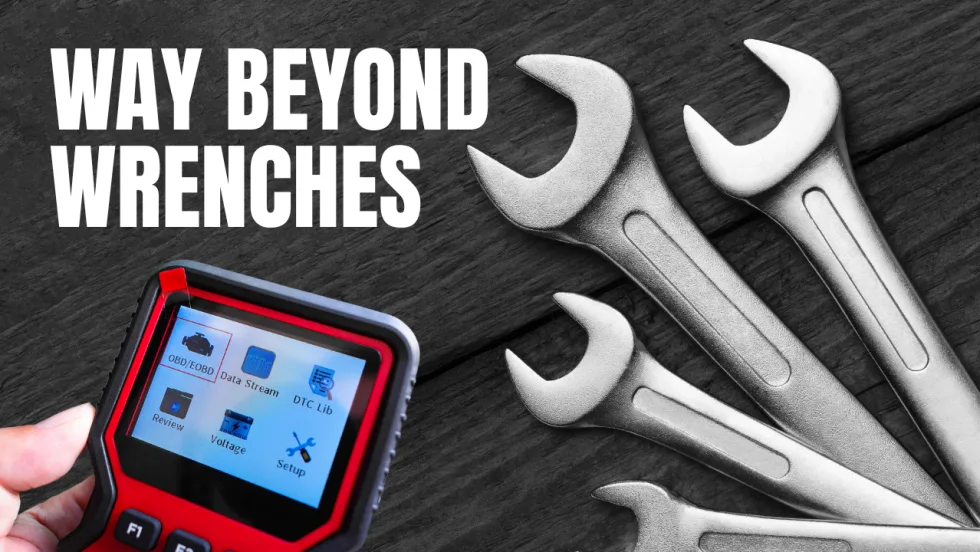
Technicians Are Doing More Than Turning Wrenches
Technicians do far more than repair vehicles. Six professionals reveal the problem-solving, pressure, and pride behind keeping fleets moving.
Read More →
WWCD? What Would Coach Do?
A personal reflection on Ed "Coach" Bobit, the mentor who shaped my career, and why I still ask myself one question 12 years later: WWCD?
Read More →
What the Fleet Industry Still Gets Wrong About Talent
What can the fleet industry learn from the women helping shape its future? A look at talent, leadership, sponsorship, and why new perspectives drive progress.
Read More →
AI Isn’t Killing Content, but Lazy Expertise Is
Thought leadership loses value when AI does the thinking. Here’s why authentic industry voices still matter most.
Read More →
Do I Need a U.S. DOT Number?
Whether you operate a small fleet of light-, medium-, or heavy-duty units, or are merely the owner of one truck wanting to ensure you adhere to the law, knowing if you can need a U.S. DOT number can be confusing.
Read More →
Is Retirement in Fleet Now More Like ‘Rewiring’?
Fleet professionals rarely retire for good. They return as advisors, mentors, and consultants, keeping hard-won experience in the industry.
Read More →
What Does Visibility in Fleet Really Look Like?
Advocacy changes things. Visible trust changes things. Structure changes things. Access changes things. A willingness to share connections, rooms, and opportunities, and a belief in someone before it is convenient, changes things.
Read More →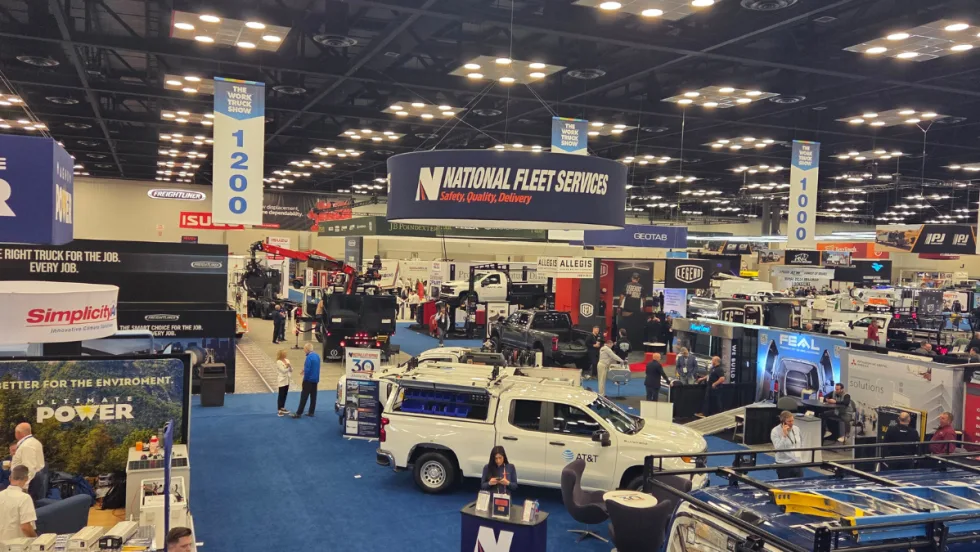
Work Truck Week 2026 Shows an Industry Focused on Practical Progress
Taken together, these themes show an industry that is not chasing a single technological solution. Instead, it is building a broader toolkit designed to support the diverse and demanding jobs fleets perform every day.
Read More →