




6 Tips to Understand & Leverage Predictive Analytics
Predictive analytics is the concept of utilizing data to predict when issues may occur. Six tips are shared to help reduce downtime related to unscheduled maintenance, handle increases in vehicle needs, and more.


One item data is good for is the ability to see the whole picture related to your truck fleet.
Photo courtesy of Getty Images
Fleet data analytics is a multi-faceted component of fleet management. Last month, I shared information related to the top four analytical data points you don’t want to miss. This month, I dive a little deeper into predictive analytics.
In a nutshell, predictive analytics is the concept of utilizing data to predict when issues may occur. This can be extremely useful for reducing downtime related to unscheduled maintenance, increases in vehicle needs, and more.
“Predictive analytics is essentially the study of cause and effect to help minimize negative outcomes. Rather than simply tracking information and reporting on what happened, a comprehensive Big Data strategy helps to determine why something is happening and more importantly, how to prevent it,” said Greg Raven, director, business intelligence and analytics for ARI. “For instance, there is a practical application where you can use near real-time data sources, such as telematics, to predict when an engine failure is imminent. There is also the strategic application of predictive analytics where we can study past decisions and understand the impact they had on the operation of a fleet. In this way, a truck fleet manager can better understand the potential impact of a decision.”
The following are six tips to better utilize leverage predictive analytics.
Tip 1: Use Data for Trend Analysis
One item data is good for is the ability to see the whole picture related to your truck fleet.
“Historical data can be impactful in determining the root cause for catastrophic failures, but it can also be an asset when leveraged in predictive analytics. History tends to repeat itself, especially if little change has occurred across a fleet over a long period of time. Reviewing fleet-wide and vehicle-level trends in historical maintenance spend can help a fleet manager understand the average age/mileage where non-preventive maintenance spend accelerates, and develop a strategy to reduce maintenance expense by cycling vehicles before major non-preventive repairs occur. In lieu of cycling or replacing trucks, implementing a preventive maintenance policy aligning scheduled services with known failures can also help analysis, strategy development, and in mitigating catastrophic failures,” said Dale Mottram, strategic consultant for Merchants Fleet Management.
Tip 2: Act on Data
Analyzing and understanding the data brings a lot of value for fleets, but the ability to utilize that same data set predictively is the real end goal.
“From Penske’s perspective, that would include knowing that a truck might be experiencing issues that trigger a diagnostic code but is still currently functioning. Knowing something is likely going to happen to that vehicle at a point soon and doing something about it during a regularly scheduled preventive maintenance visit means truck can maintain uptime. Predictive use of vehicle data is a game changer,” said Bill Combs, director, connected fleet, Penske Truck Leasing.
Tip 3: Develop Key Performance Indicators (KPIs)
When analyzing trend data, fleet managers should develop KPIs for goal tracking.
“The data stream generated by the fleet builds trends. With a solid understanding of the business needs, the trends can focus attention to head-off problems, minimize cost and improve fleet efficiency,” said Chad Christensen, senior consultant for Element Fleet Management. “Developing KPIs reveals the fleet’s contribution to the business’ goals. They help spot potential problems such as non-compliance with PM schedules, revealing fuel economy variations, confirm early signs of major component failure, and more.”
Tip 4: Use Data to Reduce Downtime
A truck can only do its job if it’s on the road. Downtime is the bane of vocational fleets.
“Predictive analytics is crucial for fleets to provide their customers world-class customer service. Downtime hurts the service reputation of a company, and in today’s growing culture of instant gratification and impatience, serving customers has become priority one for companies’ bottom lines. Being able to better predict a mechanical failure or a service interruption has become critical to downtime management. With improvements in today’s equipment and the Internet of Things (IoT) contributing to data being transferred quicker than ever before, vehicles can communicate their upcoming and pending maintenance needs, and downtime can be reduced or planned for with minimal service interruption,” said Jason Boyd, vice president of sales – truck services for Donlen.
Tip 5: Don’t Become Complacent
And, like most aspects of fleet management today, predictive analytics is constantly evolving.
“Predictive analytics is a rapidly changing and evolving buzzword in today’s Big Data world. The good thing is that the basic premise — using past data to anticipate the future — is not new. What has changed is that ability to inexpensively capture data and apply various models to that data is now commercially feasible. These models can help improve the quality of the products fleet managers see and reduce operating expenses,” Jake Civitts, director of franchise operations for PacLease.
Tip 6: Utilize Your Partners
Don’t forget to use the expertise of subject-matter experts. Rely on your partners, from telematics providers to fleet management companies (FMCs) to help you understand predictive analytics.
“This is where your FMC can provide direction when it comes to telematics data. The volume and quality of the data, combined with more traditional fleet information we all have today, will be key to continuing to unlock strategies to optimize the fleet in this fast-paced, tech-driven environment,” said Sara Sweeney, senior product manager, connected vehicle for Wheels Inc.
With so much data at a fleet manager’s fingertips, it’s easy to feel overwhelmed. A little time and effort can turn that mountain of data into actions you can do today to decrease costs, increase productivity, and have a better overall understanding of your truck fleet operation.
How are you handling predictive analytics today? Still feeling overwhelmed or have another tip to ad? E-mail me or comment below and let’s chat!
Lauren Fletcher
Lauren.Fletcher@bobit.com
RELATED: How to Better Understand Data in Truck Fleets
More Blog Posts

Can America Replace Canadian Truck Production Without Hurting U.S. Fleets?
U.S. tariffs are targeting Canadian truck production, but Ford and GM show why moving that manufacturing south isn’t so simple. After 60 years of building one North American supply chain, what could fleets lose by pulling it apart?
Read More →
The Fleet Skills We Keep Missing on Veterans’ Resumes
What if some of the strongest candidates are already out there, but we are overlooking them because their experience is written in a language our industry does not always recognize?
Read More →
Technicians Are Doing More Than Turning Wrenches
Technicians do far more than repair vehicles. Six professionals reveal the problem-solving, pressure, and pride behind keeping fleets moving.
Read More →
WWCD? What Would Coach Do?
A personal reflection on Ed "Coach" Bobit, the mentor who shaped my career, and why I still ask myself one question 12 years later: WWCD?
Read More →
What the Fleet Industry Still Gets Wrong About Talent
What can the fleet industry learn from the women helping shape its future? A look at talent, leadership, sponsorship, and why new perspectives drive progress.
Read More →
AI Isn’t Killing Content, but Lazy Expertise Is
Thought leadership loses value when AI does the thinking. Here’s why authentic industry voices still matter most.
Read More →
Do I Need a U.S. DOT Number?
Whether you operate a small fleet of light-, medium-, or heavy-duty units, or are merely the owner of one truck wanting to ensure you adhere to the law, knowing if you can need a U.S. DOT number can be confusing.
Read More →
Is Retirement in Fleet Now More Like ‘Rewiring’?
Fleet professionals rarely retire for good. They return as advisors, mentors, and consultants, keeping hard-won experience in the industry.
Read More →
What Does Visibility in Fleet Really Look Like?
Advocacy changes things. Visible trust changes things. Structure changes things. Access changes things. A willingness to share connections, rooms, and opportunities, and a belief in someone before it is convenient, changes things.
Read More →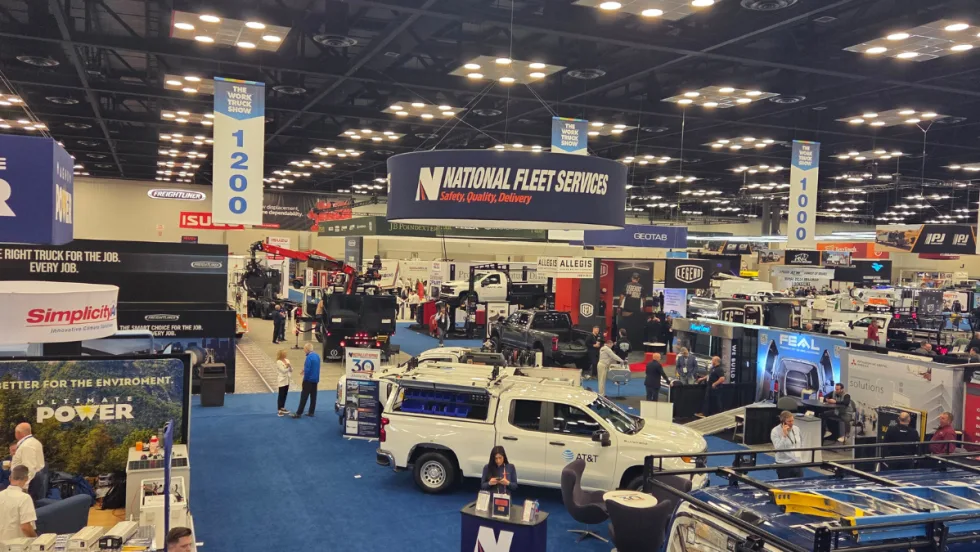
Work Truck Week 2026 Shows an Industry Focused on Practical Progress
Taken together, these themes show an industry that is not chasing a single technological solution. Instead, it is building a broader toolkit designed to support the diverse and demanding jobs fleets perform every day.
Read More →