




5 Tips to Minimize Downtime for Truck Graphics Installation
Fleet trucks and vans are moving billboards and can be one of the most cost-effective ways to advertise your business. But installing graphics takes a vehicle out of service, and we all know that time is money. And, one of the top fleet management goals is the reduction of vehicle downtime.

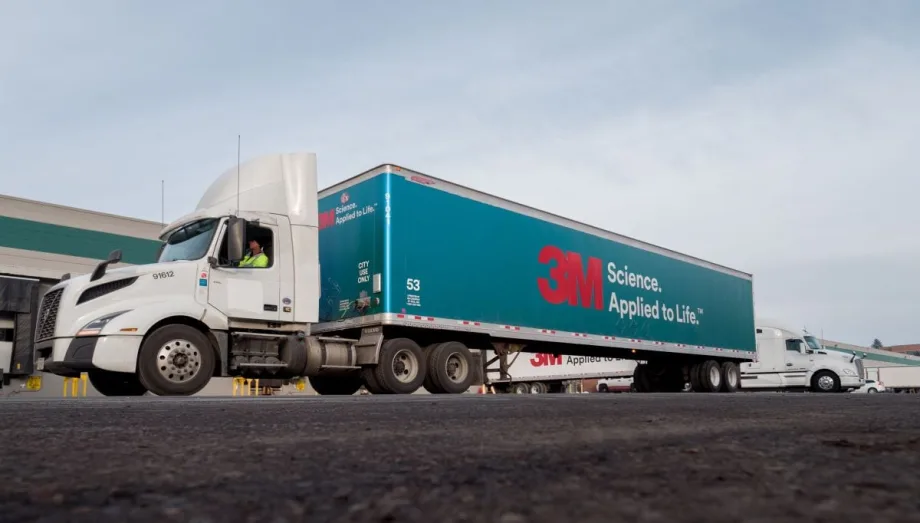
3M is one of the top providers of vinyl for vehicle wraps.
Photo: 3M
Fleet trucks and vans are moving billboards and can be one of the most cost-effective ways to advertise your business. But installing graphics takes a vehicle out of service, and we all know that time is money. And, one of the top fleet management goals is the reduction of vehicle downtime.
Here are five tips to help get your trucks looking good and back on the road quickly:
1. Choose the Right Partner
To avoid or minimize downtime related to graphics installation, it’s important to select high-quality film and work with trained installers.
“Great graphics start with a great film as the foundation. Quality films not only improve the installation process, but also lead to faster and easier removals. Beyond film selection, having a well-defined project plan is key. Many top tier graphic companies assist with project management as a value-added service. Selecting a qualified partner and evaluating all services being offered is key to minimizing downtime,” said Jessica Franklin, segment marketing manager for 3M.
2. Go for Quality
Fleet managers should also choose suppliers with excellent communication and specialized experience in vehicle graphics.
“If communications and processes are not good when a wrap company is trying to win your business, it certainly isn't going to get better once they have your business,” said Deborah Scott, president of Riveting Wraps. “Also, select wrap companies that specialize in fleet wraps and graphics. These wrap companies understand how important it is to minimize your vehicle out-of-service time. All-purpose sign companies may not have the in-house wrap skills to manage your wrap on a quick turnaround and may not understand the importance of getting your trucks back to you as scheduled.”
3. Check Your Options
Also consider alternative timing for graphics installation other than during business hours.
"Ask a wrap company if weekends or off-hours installations are possible. It may cost you a small premium, but in many cases it is more than worth it,” said Deborah Scott of Riveting Wraps.
4. Start Clean
Streamline and expedite your graphics installation by bringing the vehicle washed and prepped, free from any surface debris or existing graphics.
“If your vehicle already has graphics on it that need to be removed prior to a new installation, it can certainly cause some delays. Vinyl removal, especially if old and weathered, is a bit like wallpaper removal — you just don't know how it will release and remove until you start. From there, once a vehicle needs to be washed, it cannot be started until it is fully dried. We always ask our clients to drop off their vehicle the day before the scheduled installation, so we can wash and allow it to dry in our facility overnight, for a bright and early installation the next morning,” said Josh Szary, director of sales and marketing for VSP Graphics.
5.Plan Ahead
Another way to save time is to have the graphics installed prior to placing the vehicle into service if possible.
“Planning ahead and having the vehicle graphics installed at the OEM or upfitter is advantageous as opposed to having installation done in the field. Having all vehicles in one location typically requires only one set of installers,” said Dan Rozzo, corporate specification manager for Avery Dennison Label & Graphic Materials.
Again, it can’t be said often enough: Proper planning is key.
“The print/installation company should communicate with customers in advance to schedule for having a down vehicle. Typically, the installation, at a minimum, should be only one day, plus 24 hours sit time. If installing an entire fleet, set up the schedule to swap out vehicles when they are complete so only one or two vehicles are down at a time,” said George Kurka, lead graphics installer at Visual Marking Systems.
Installers can also offer mobile services, so they can travel to a location or vehicle to complete an install.
“Ideally, graphics would always be installed in climate-controlled shops or garages, but that is not reality. Outdoor installs are possible, but that requires suitable weather, which would cause delays and difficulty scheduling. Sometimes it makes sense for drivers to take vehicles to a centralized location and build out a schedule to complete as many vehicles as quickly as possible. I find the best plans meet in the middle for allowing the accommodation of the graphics installation process,” said Katie Gillmore, sales representative for Signature Graphics.
What additional tips do you have for reducing downtime when installing or updating fleet truck vehicle graphics? E-mail me and let’s chat!
Lauren Fletcher
Lauren.Fletcher@bobit.com
More Blog Posts

4 Ways to Keep Fleet Nightmares Off Your Halloween Schedule
Don't let the fear of vehicle mishaps spook you! Check out these four tips to ensure your work truck fleet stays on the road, safe and sound, during this hair-raising season.
Read More →
Short Drivers Need to Be Part of the Work Truck Spec, Too
The average truck driver may be around 5'9" for men and 5'4" for women, but fleets aren't spec'ing trucks for averages. Here's what shorter drivers need fleets to consider, from seat height and visibility to 360 cameras, seat belts, and cab access.
Read More →
Does Your Fleet Policy Cover In-Vehicle Gaming?
As in-vehicle gaming, streaming, and connected entertainment expand, fleet policies may need an update. Here’s what fleet managers should be thinking about now.
Read More →
You Can't Tariff an Aluminum Smelter Into Existence
The U.S. wants to rebuild domestic aluminum production, but work truck manufacturers still need material today. What happens to costs and supply in the meantime?
Read More →
Can America Replace Canadian Truck Production Without Hurting U.S. Fleets?
U.S. tariffs are targeting Canadian truck production, but Ford and GM show why moving that manufacturing south isn’t so simple. After 60 years of building one North American supply chain, what could fleets lose by pulling it apart?
Read More →
The Fleet Skills We Keep Missing on Veterans’ Resumes
What if some of the strongest candidates are already out there, but we are overlooking them because their experience is written in a language our industry does not always recognize?
Read More →
Technicians Are Doing More Than Turning Wrenches
Technicians do far more than repair vehicles. Six professionals reveal the problem-solving, pressure, and pride behind keeping fleets moving.
Read More →
WWCD? What Would Coach Do?
A personal reflection on Ed "Coach" Bobit, the mentor who shaped my career, and why I still ask myself one question 12 years later: WWCD?
Read More →
What the Fleet Industry Still Gets Wrong About Talent
What can the fleet industry learn from the women helping shape its future? A look at talent, leadership, sponsorship, and why new perspectives drive progress.
Read More →
AI Isn’t Killing Content, but Lazy Expertise Is
Thought leadership loses value when AI does the thinking. Here’s why authentic industry voices still matter most.
Read More →