




5 Effective Time Management Methods for Fleet Managers
With so many "time-saving" strategies to choose from, it can be overwhelming. To help you narrow down your options, I've identified the five most effective strategies based on your current goals and challenges.


“If it is your job to eat a live frog, it's best to do it first thing in the morning,” said Mark Twain.
Photo: Work Truck
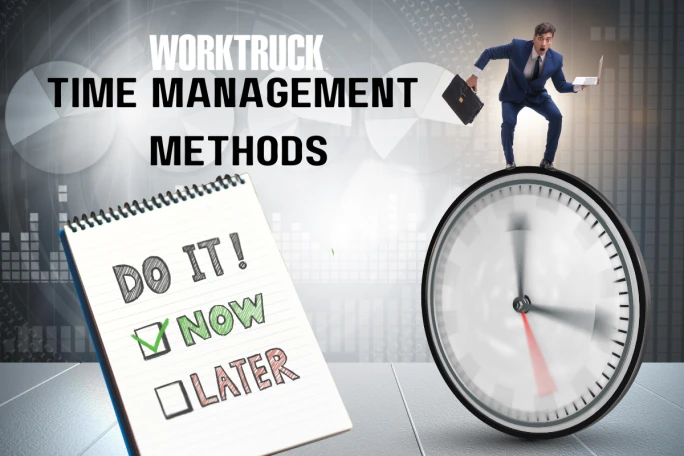
Burdened to do more with less, fleet managers are looking for ways to improve their time management.
Photo: Work Truck
Fleet managers are juggling a ton of responsibilities and tight deadlines, and let's face it - it can be overwhelming at times. But this is where effective time management can come into play.
With so many strategies to choose from, it can be overwhelming. To help you narrow down your options, I've identified the five most effective strategies based on your current goals and challenges.
1. Eisenhower Matrix to Prioritize Tasks Efficiently
The Eisenhower Matrix is a tool that helps individuals categorize tasks based on their level of importance and urgency.
Developed by former U.S. President Dwight D. Eisenhower, this matrix consists of four quadrants: Urgent-Important, Not Urgent-Important, Urgent-Unimportant, and Not Urgent-Unimportant.
By applying the Eisenhower Matrix, you can quickly identify which tasks require immediate attention, which ones can be scheduled for later, and which ones can be delegated or eliminated altogether.
Need to respond to a driver's emergency request? That would fall under the Urgent-Important category. Scheduling routine maintenance for a vehicle? That would belong to the Not Urgent-Important section.
2. Time Blocking Method to Schedule Tasks Effectively
Time blocking is a technique that involves dedicating specific blocks of time to designated activities. By grouping similar tasks together and allocating fixed timeslots for each one, you can minimize distractions.
Not everyone’s schedule allows for time blocking, but any time you can block out is better than nothing at all.
Consider reserving the first two hours of your day for driver support, followed by a 90-minute block for administrative duties, and finish with a three-hour window dedicated to planning and strategy development.
3. Eat That Frog to Overcome Procrastination
“If it's your job to eat a frog, it's best to do it first thing in the morning. And If it's your job to eat two frogs, it's best to eat the biggest one first,” said Mark Twain. Based on the famous quote, Eat That Frog! is a time management method developed by Brian Tracy emphasizing the importance of tackling the most challenging task first thing in the morning.
By completing the biggest and most important task early on, you'll build momentum and energy to tackle the rest of your tasks with ease.
Eat That Frog! can be particularly helpful in addressing tasks that require a lot of mental or physical effort.
4. Pareto Analysis to Focus on High-Impact Tasks
Also known as the 80/20 rule, Pareto Analysis suggests that approximately 80% of results come from just 20% of efforts. This principle can help you focus on high-impact tasks that generate the greatest benefits.
To perform a Pareto Analysis, identify and rank your tasks according to their potential impact. You can then allocate their time and resources, accordingly, focusing on the top 20% of tasks that produce 80% of the desired outcomes.
A Pareto Chart is great for analyzing problem frequency or causes, when you have several problems and need to focus on the most important, and to help communicate your data to others.
5. Rapid Planning Method (RPM) to Streamline Goal Achievement
Developed by author and speaker Tony Robbins, the Rapid Planning Method (RPM) offers a structured approach to achieving goals efficiently.
RPM involves breaking down large objectives into smaller, manageable steps, and creating a plan of action within a set timeframe.
The method enables you to streamline your goal achievement process. By setting clear targets, identifying limiting factors, brainstorming solutions, and establishing accountability measures, anyone can rapidly accomplish their objectives.
Consider this: your fleet has an accident reduction goal. You could create an RPM plan consisting of driver training programs, safety workshops, and regular vehicle inspections.
Did this help you out? Have any other methods to share? Comment below or e-mail me, and let’s chat!
More Blog Posts
Short Drivers Need to Be Part of the Work Truck Spec, Too
The average truck driver may be around 5'9" for men and 5'4" for women, but fleets aren't spec'ing trucks for averages. Here's what shorter drivers need fleets to consider, from seat height and visibility to 360 cameras, seat belts, and cab access.
Read More →
Does Your Fleet Policy Cover In-Vehicle Gaming?
As in-vehicle gaming, streaming, and connected entertainment expand, fleet policies may need an update. Here’s what fleet managers should be thinking about now.
Read More →
You Can't Tariff an Aluminum Smelter Into Existence
The U.S. wants to rebuild domestic aluminum production, but work truck manufacturers still need material today. What happens to costs and supply in the meantime?
Read More →
Can America Replace Canadian Truck Production Without Hurting U.S. Fleets?
U.S. tariffs are targeting Canadian truck production, but Ford and GM show why moving that manufacturing south isn’t so simple. After 60 years of building one North American supply chain, what could fleets lose by pulling it apart?
Read More →
The Fleet Skills We Keep Missing on Veterans’ Resumes
What if some of the strongest candidates are already out there, but we are overlooking them because their experience is written in a language our industry does not always recognize?
Read More →
Technicians Are Doing More Than Turning Wrenches
Technicians do far more than repair vehicles. Six professionals reveal the problem-solving, pressure, and pride behind keeping fleets moving.
Read More →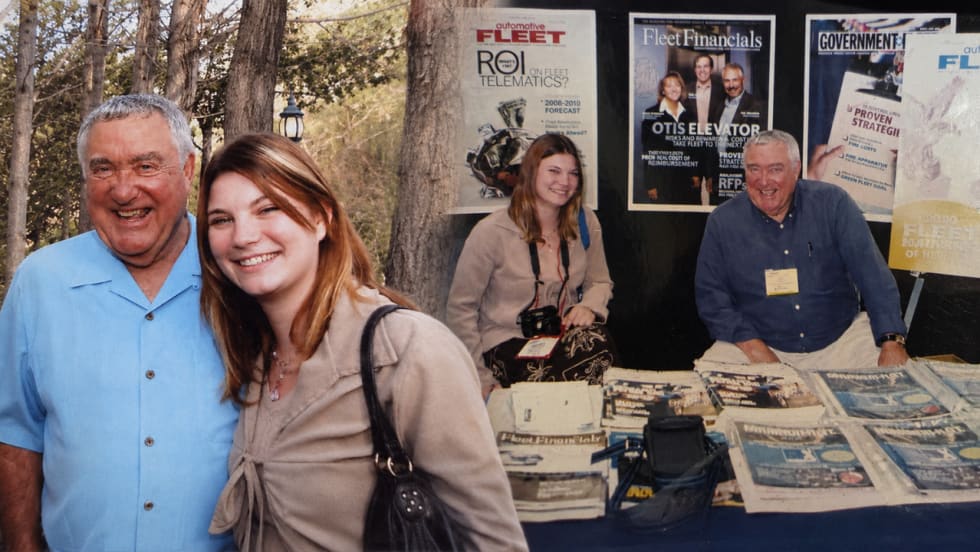
WWCD? What Would Coach Do?
A personal reflection on Ed "Coach" Bobit, the mentor who shaped my career, and why I still ask myself one question 12 years later: WWCD?
Read More →
What the Fleet Industry Still Gets Wrong About Talent
What can the fleet industry learn from the women helping shape its future? A look at talent, leadership, sponsorship, and why new perspectives drive progress.
Read More →
AI Isn’t Killing Content, but Lazy Expertise Is
Thought leadership loses value when AI does the thinking. Here’s why authentic industry voices still matter most.
Read More →
Do I Need a U.S. DOT Number?
Whether you operate a small fleet of light-, medium-, or heavy-duty units, or are merely the owner of one truck wanting to ensure you adhere to the law, knowing if you can need a U.S. DOT number can be confusing.
Read More →