




Related: ELD Compliance Enters New Phase
Why 3 in 10 Fleets Aren't ELD Compliant
Up to three in 10 fleets are not yet compliant with the electronic logging device (ELD) mandate. Some of the top barriers are discussed with tips on how to overcome them.
by Adam Bruttell, MiX Telematics
December 18, 2018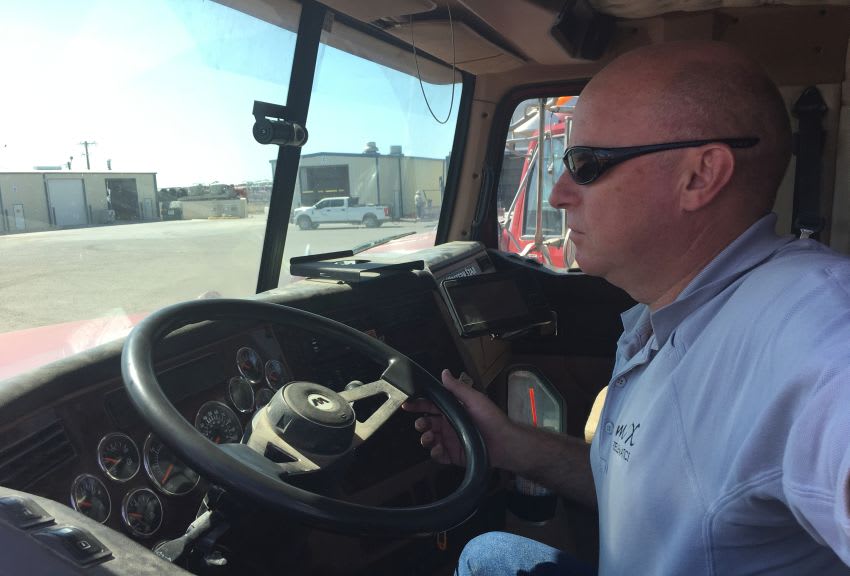
Don’t let concerns about implementations and driver acceptance and training paralyze you into not taking action. The ELD Mandate is not going away – take action now to protect your business.
Photo courtesy of MiX Telematics
4 min to read
The electronic logging device (ELD) Mandate went into effect in December 2017, but a spring 2018 MiX Telematics survey found that 3 in 10 fleets (29%) that were subject to the Mandate were still not compliant.
Some of those fleets had been grandfathered in with automatic onboard recording devices (AOBRDs) – 13% had plans to implement ELDs by December 2019. But the balance hadn’t started the process, were still evaluating solutions, had implemented something but needed to replace it, or just weren’t sure if they were compliant yet.
While the vernacular of e-Log technology has changed a lot over time (e-logs, OBC, AOBRD, ELD, etc.), the general premise has not – moving from paper logs to electronic logs improves safety and efficiency. In my experience, there are two main barriers for fleets moving to e-logs: the hassle of installing the hardware and software, and driver acceptance and training. Both are relatively easy to overcome if you have the right information and help.
Hardware & Software Installation
Fleets rarely have to do this on their own (only very low-end ELD systems require self installation), and because it can be done in stages, it doesn’t require a complete shutdown of your fleet. Some fleets implement by region, others by vehicle type. As with any big IT upgrade, often the software can be implemented off hours, such as a weekend or overnight. Most fleets run a small pilot to ensure everything’s working correctly before committing to a broad rollout.
Integrating your new ELD software with legacy software is one area to pay close attention to. If your ELD vendor has prebuilt integrations (APIs) with your legacy software, you’ll reduce the potential for problems substantially. Custom integrations introduce risk.
Another feature to look for to ease software implementation: the ability to perform over-the-air updates. ELD requirements change often at the state and federal level – you will likely find yourself having to roll out important updates at least once a quarter. The ability to do those over the air will save your team a ton of time, and keep your vehicles on the road, in service.
Driver Acceptance & Training
Often, drivers resist ELDs. That’s because many fleets position them as a tool for managers rather than for drivers. Truth is, the top objective for the vast majority of ELD implementations (beyond the obvious compliance requirement) is to ensure driver safety.
The best way to get driver buy-in for your ELD rollout is to emphasize this fact early and often: driver safety is the top priority. Start communicating with drivers long before the rollout, and make them a part of the process. Engage drivers in planning workflows, have them participate in pilots, and solicit their input when designing incentive programs for safe driving.
I know of fleets whose drivers first heard about the new ELD program when they were handed the telematics policy for review and signature. Don’t be that fleet.
Training should also be collaborative. Ben Sigmund, former Director of Operational Logistics at C&J Energy (who led his company’s ELD rollout), said that in-person training was far more effective with drivers than web-based training or conference calls. C&J also created an intranet site with all the training and support materials, including printable cab cards for drivers to use as they familiarized themselves with the software.
Lean on your vendor to help you with this process, since they’ve likely done it hundreds of times and already know what works best.
Grandfathered in with AOBRDs?
If you are grandfathered in with AOBRDs, you should start your migration by the first quarter of 2019 to be done in time.
As 2017 came to a close, with the ELD Mandate deadline imminent, many inquiries came in from fleets that were not grandfathered in, and had only a few months or weeks to get a new system in place. Unfortunately, most of those fleets missed the deadline (or implemented something quickly, which they now regret – the aforementioned survey found that 3% of fleets were in this boat, having to replace what they implemented).
Evaluating, selecting and implementing an ELD solution is a multi-month process. Having been through it many times now, I recommend that fleets start a year in advance, as the implementation alone can take about six months. Fleets that start in January 2019 will likely be finished by July 2019, giving them a few months to work out any kinks before their compliance deadline.
Fleets that aren’t ELD compliant, with either an AOBRD or ELD solution, are taking a huge risk. The FMCSA is actively enforcing the regulation, levying fines and even taking vehicles out of service. We’ve heard of numerous fleets that thought they were exempt under state laws (this seems common in Texas), but then learned they can no longer cross state lines.
Don’t let concerns about implementations and driver acceptance and training paralyze you into not taking action. The ELD Mandate is not going away – take action now to protect your business.
And, while fleets made progress in 2018 - MiX estimates that by now only 2 in 10 fleets are not ELD compliant. But that number should be zero. These barriers are likely what's holding them back.
About the Author: Adam Bruttell is the Vice President, North America of MiX Telematics.
Subscribe to Our Newsletter
More Technology
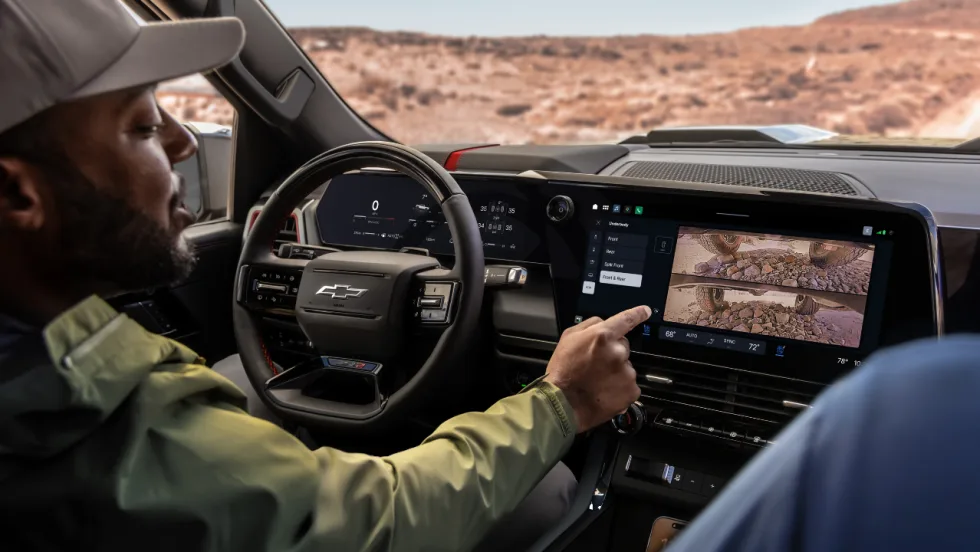
GM Brings New Truck Focused Interface to 2027 Silverado and Sierra
GM's new pickup interface puts trailering data, camera views, vehicle controls, and smartphone integration closer to the driver in the 2027 Silverado and Sierra.
Read More →
Samsara Driver Perks Expands Rewards Beyond the Long Haul Driver
Samsara’s new driver rewards program was built with a broader professional driver in mind, including employees who split their day between driving, job sites, service calls, and other work.
Read More →
AI Service Advisor Aims to Cut Fleet Repair Downtime
Fleetio said its AI Service Advisor can help fleets cut repair downtime by an average of 2.5 hours per repair while reducing manual maintenance work.
Read More →
Verra Mobility Launches AI-Driven Title & Registration Solution
Verra Mobility has launched a new AI-driven Title & Registration platform to help fleets move vehicles from acquisition to the road the same day while reducing compliance risk.
Read More →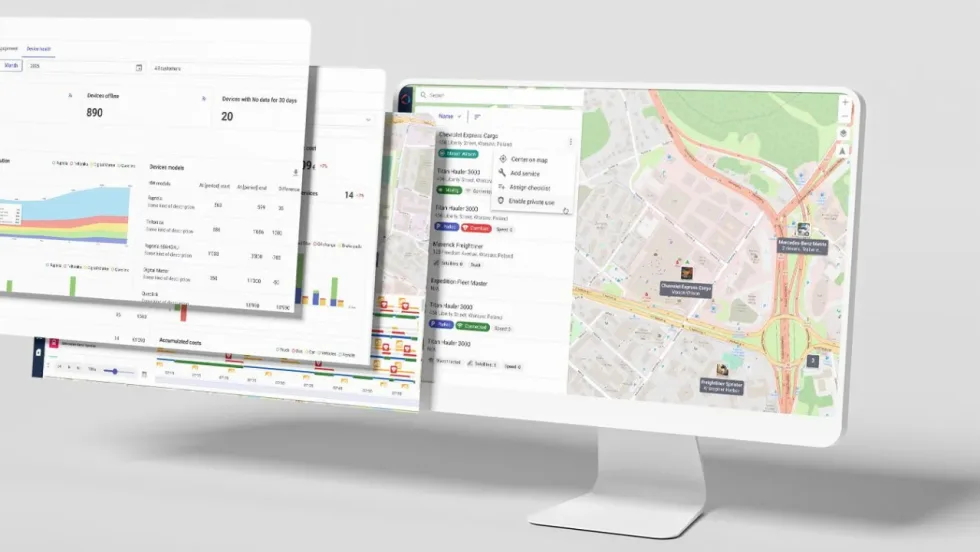
Wialon Unlocks OEM Data to Give Fleet Owners Data Ownership & Operational Clarity
Wialon has introduced hardware-free OEM integration as the EU Data Act accelerates the shift in vehicle data access across the fleet industry in many countries.
Read More →
Teletrac Navman Promotes New CEO from Within
Teletrac Navman’s next CEO, Ricardo Buranello, has served as the company’s chief financial and operating officer. He brings deep financial and operational expertise, a strong strategic orientation, and an intimate knowledge of the business to his new role.
Read More →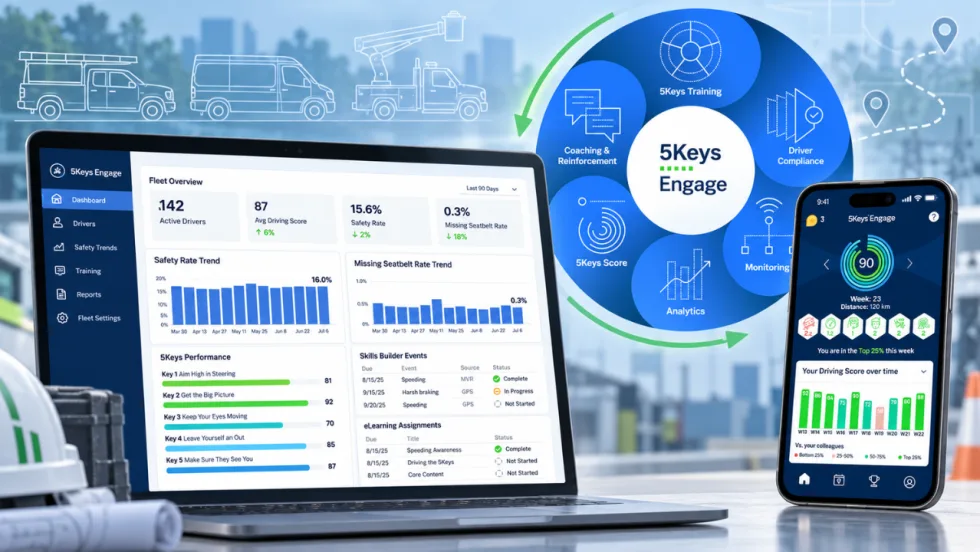
Smith System Wants Work Truck Fleets to Look Beyond the Driver Alert
Smith System’s new Driver Risk Management program is built to help mixed work truck fleets turn telematics alerts and observations into specific behaviors, coaching actions, and measurable follow-up.
Read More →
Ford Pro Software Updates: August 26
Check out the latest Ford Pro software updates, including Google Maps integration, Remote Vehicle Alarm integration, Motor Pool for easier management of shared pool vehicles, and more.
Read More →
Where AI Is Actually Saving Fleet Managers Time
AI is moving past the buzzword stage and into the daily fleet workflow. Fleetio’s Brianna Perry Lang breaks down where fleets are seeing real time savings, from maintenance and data entry to repair decisions, safety, and compliance
Read More →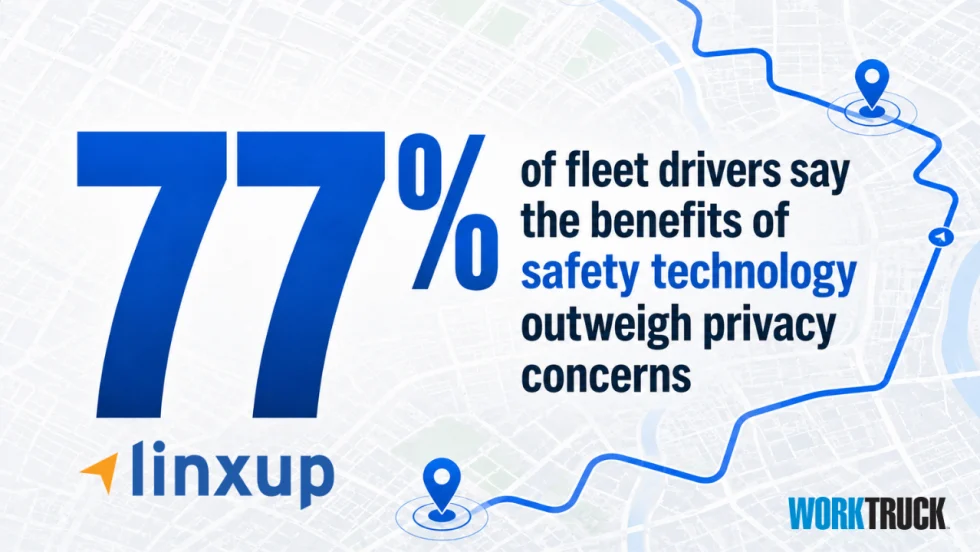
Are Work Truck Drivers Warming Up to Dash Cams and GPS Tracking?
A new survey finds field-service drivers may be more comfortable with dash cams and GPS tracking than fleet managers think, especially when the technology helps protect them after a crash.
Read More →