




ELD Compliance Enters New Phase
After nearly a full year with the Electronic Logging Device mandate in effect, here's a look at what we know so far and where this important connected-vehicle technology seems to be heading.

Photo by Who_I_am via Getty Images.
In last year's "Connected Fleet Guide," we were a couple months away from Phase Two of the federal Electronic Logging Device mandate. Fleets with grandfathered automatic onboard recording devices (AOBRDs) are currently allowed to continue using them, while those with paper logs had to transition to an ELD back in December 2017. When Phase Three commences in December 2019, all heavy-duty trucks required to comply with the rule must be equipped with a certified ELD.
What We Know
While compliance and adoption rates of ELDs vary depending on the source, with the FMCSA reporting better than 95% compliance compared with independent surveys that claim much lower rate, we know this much is true: Fleets using them acknowledge that ELDs can have a positive impact on operations, whether it's a lower risk of compliance violations or reducing manual processes.
The FMCSA agrees and reported in a six-month analysis after the start of Phase Two that, during roadside inspections, hours of service (HOS) violations have decreased steadily. In the same report, the agency cited that less than 1% of driver inspections resulted in a violation due to a driver not having an ELD or grandfathered AOBRD.
There have of course been challenges and lessons learned, which are highlighted in this article. With the launch of any new system, and without a true beta-testing period with all stakeholders — including law enforcement — prior to implementation, it's no surprise that there have been hiccups during this first year.

Hours-of-service compliance improves with ELD rollout.
Source: FMCSA
What We've Learned
1. Provide more training. Law enforcement officers and drivers all need more training on using the devices. Drivers need to know, for example, if they have an AOBRD or an ELD, as the process with the officer will be slightly different. There's even a cab card that drivers should carry. Carriers should work with their vendors if they're unsure on what to train drivers on. They also should find out from drivers on what's being asked of them during inspections.
2. Research your vendor thoroughly. If you don't feel your vendor isn't supporting you through implementation, you may need to reconsider vendors now before you've invested any more time. The certified ELD vendor with the FMCSA is quite long, so be sure to do independent research on the history of the vendor.
3. Don't ignore unassigned drive time. This unassigned drive time should be investigated and dealt with regularly so that it doesn't stack up. This is especially important to make sure there isn't a bug happening and that drivers are using the system correctly.
4. The data could help solve long-time problems. The data could potentially help refine HOS parameters. It could also result in carriers restrategizing some of their dispatching and routing decisions.
For example, surveys and industry articles report that drivers are struggling more with parking since the ELD mandate. The ELDs, however, are not the cause of parking shortages — this has been a growing issue along main trucking corridors for a while. On the other hand, the mandate made it more difficult for drivers to shift hours in order to find a place to park, which means they may sometimes be left in spots with no parking once they've reached their maximum number of drive hours.
This complaint does shine a light on several issues: an imbalance of parking locations in high-demand areas, a need for better route scheduling so drivers aren't in these areas when pushed against their rest period — a process that can be significantly aided by telematics — and an inflexibility in the HOS regulations that may sometimes put drivers in risky situations.
Data could help provide the evidence and tools needed to make changes to any or all of these three areas.
What We Can Do Next
Make lemonade. Whether you want those ELDs in your trucks or not, they are there. Now it's about increasing the analytics behind compliance. Working with a trusted telematics vendor and avoiding a fly-by-night ELD provider means you won't be missing out on the cost savings, efficiency-driven insights, and increased productivity that fleets often find after installing a full-suite telematics system as part of their ELD solution.
Here's what drivers and fleets may find with fully connected ELD/telematics solutions:
Fewer violations that put them out of service.
An overall reduction in downtime to fill out paper logs.
Auto-generated reports that used to take hours to generate.
A tighter and more consistent driver inspection process.
More transparency in routing and dispatching by having it in a single dashboard with driver logs.
Driver behavior data that provides opportunities to coach and reward people.
Increased transparency and even collaboration with shippers and receivers thanks to a better understanding of how much time a driver spends at each dock.
For the trucking industry, the key word here is "collaboration." The data provided by telematics as part of an ELD solution means easier collaboration among the back-office staff with drivers and executives, as well as other touchpoints like customers and shipping partners.
Originally posted on Automotive Fleet
More Technology & AI
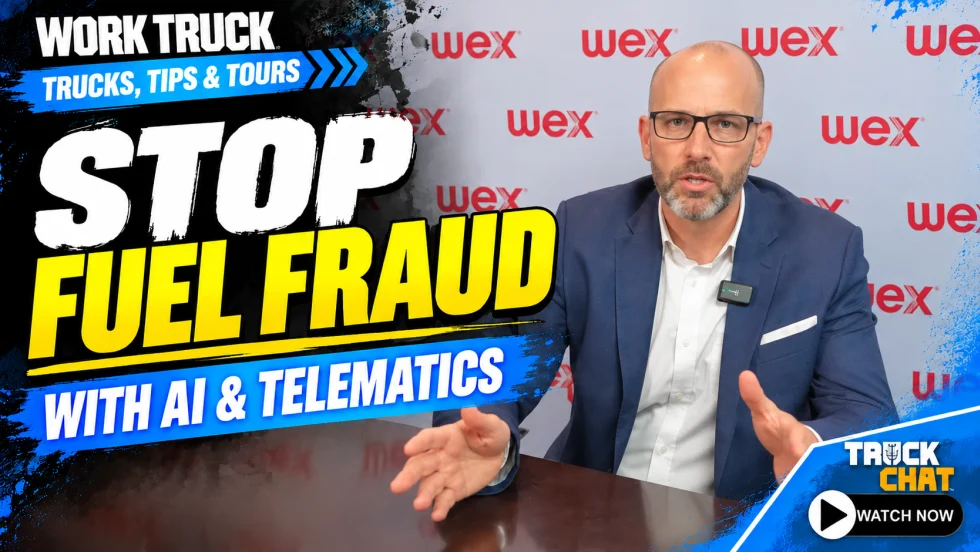
How Fleets Can Use Technology to Fight Fuel Fraud
Fuel fraud and theft remain significant challenges for commercial fleets, whether the problem involves third-party fraud or driver misuse. In this video, David Abraham of WEX explains how SecureFuel uses vehicle geolocation, telematics, transaction information, and AI to help fleet managers identify suspicious fuel purchases and make more informed decisions.
Read More →
Can AI Agents Help Small Work Truck Fleets Do More With Less?
Motive's new AI Agents automate fleet safety, maintenance, compliance, and dispatch tasks. Here's how they work for smaller fleets, what managers control, and what early users are seeing.
Read More →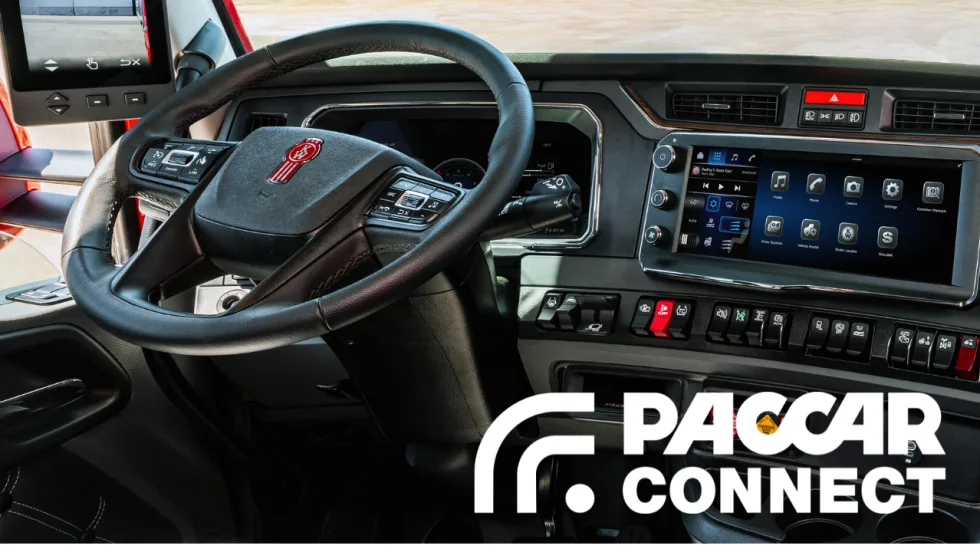
Paccar Launches Paccar Connect for Peterbilt and Kenworth Trucks
The new Paccar Connect offers touchscreen displays, telematics capabilities, and an expanding app ecosystem to boost productivity and streamline driver workflows.
Read More →From Our Partners
Basic Tracking vs Next Generation Fleet Technology
Sponsored by AT&T Business

5 Facts Every Fleet Manager Should Know About Embedded Telematics
Sponsored by Stellantis/Mobilisights
How AI Video Telematics Boosts Driver Safety and Helps to Avoid Unnecessary Costs
Sponsored by Verizon Connect
Charting the 8 Bottom-Line Benefits of Workforce Optimization
Sponsored by Verizon Connect

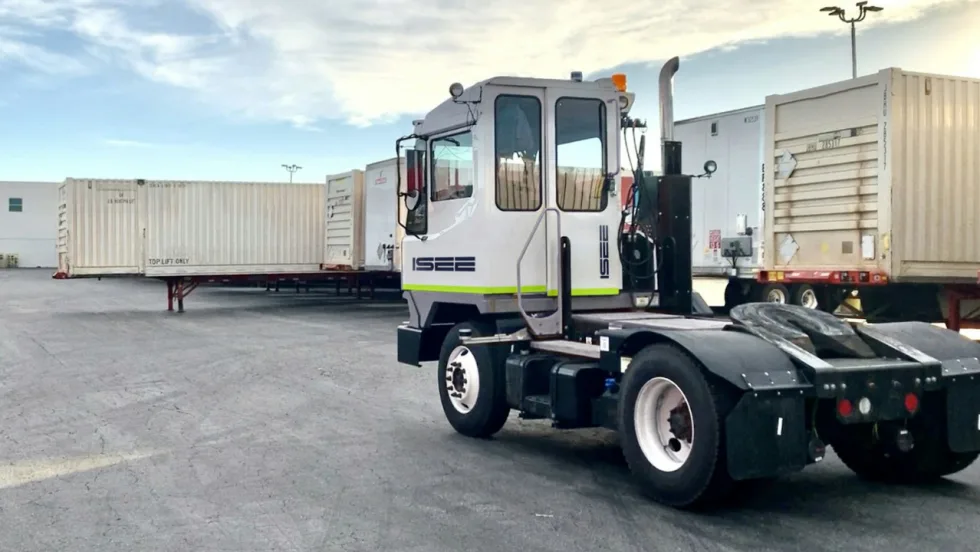
Holman and ISEE Partner to Expand Autonomous Yard Truck Operations
The partnership combines Holman's fleet management and upfitting capabilities with ISEE's autonomous driving technology to help businesses deploy and manage driverless yard trucks.
Read More →
Who You Gonna Call? Rivian Turns Electric Vehicles Into Ghostbusters Rides
Rivian teams up with Sony Pictures for a Ghostbusters-inspired Halloween software update, complete with custom sounds, lighting effects, and a special Ecto-R1.
Read More →
The Second Trip and What Missing Tools Really Cost a Service Business
For service fleets, missing tools and equipment can lead to second trips, lost technician time, higher operating costs, and delayed jobs. Equipment tracking can help HVAC, plumbing, electrical, landscaping, and other service businesses improve visibility and reduce downtime.
Read More →
GeoFencing Adds to Your Truck Security Arsenal
Geofencing is a familiar fleet tool today, but its early adoption marked a major shift in vehicle tracking, route monitoring, and the debate over employee privacy.
Read More →
Geotab Data Shows Regional Trucking Growing Faster as Last Mile Routes Get Denser
Geotab's first U.S. supply chain report finds stable long-haul activity, stronger regional freight movement, tighter hub-and-spoke utilization, and more last-mile trips on shorter routes.
Read More →
When Fleet Technology Helps and When It Just Adds Complexity
New technology can help fleets work smarter, but only if it solves the right problem. Lauren Fletcher talks with AP Fleet’s Alex Coveney about innovation, AI, data, and knowing when a new solution is actually worth adopting.
Read More →
Volvo Trucks’ 'Lock and Leave' Software Updates Go Live Across North America
Unattended over-the-air software updates are now available in Volvo trucks across the U.S. and Canada. The new capability lets trucks stay current with the latest software without interrupting operations or requiring a dealership visit.
Read More →