




Truck Fleets Use Common 'Cents' to Save Dollars
In today’s era of tight budgets, truck fleet managers are using innovative ways from rightsizing to decreasing maintenance costs to shortcycling to save money and boost efficiency.

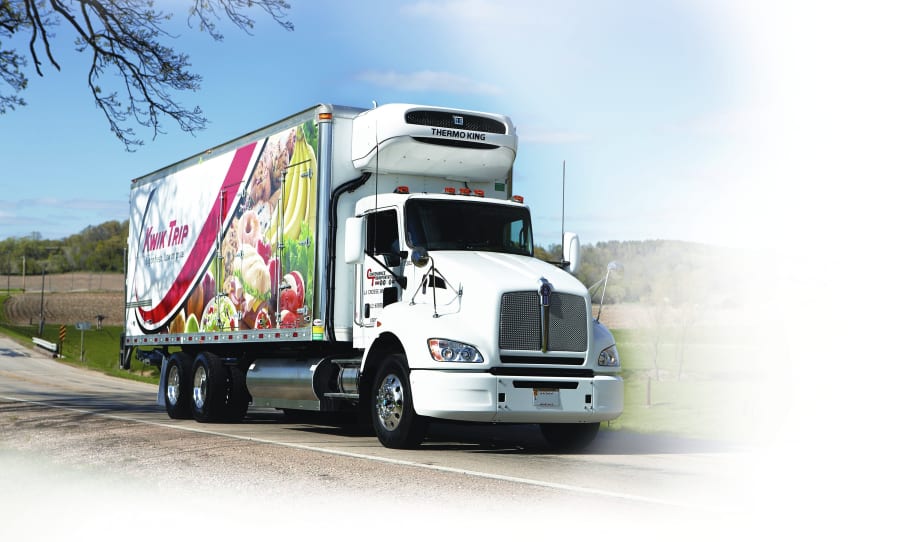
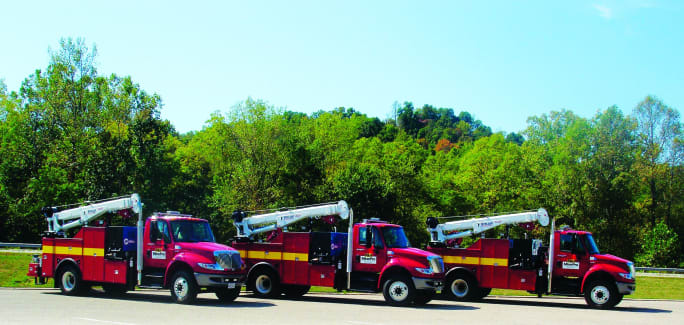
Bucking conventional wisdom, Joy Global has been shortcycling its trucks to take advantage of the historically high resale values.
Photo: Joy Global
Over the past several years, truck fleet managers have found numerous ways to leverage their budgets and increase the efficiency of their companies’ fleets.
These budget-saving methods have become increasingly more creative, ranging from the obvious — rightsizing — to the counter-intuitive — shortcycling.
And, this is probably just the beginning of ongoing cost-saving innovations as 2012 transitions to 2013.
The following are highlights of some of the methods truck fleets have used to cut costs and maximize efficiency:
Rightsizing to Lower Costs
Rightsizing has been one of the most common ways fleets of all types have leveraged cost savings.
For example, Safety-Kleen Systems has improved its fuel economy and lowered its overall lifecycle costs by switching to Kenworth T270 models. In service since 2011, the vehicles are equipped with PACCAR PX-6 engines, rated at 250 hp and mated to an automatic transmission.
The T270s have resulted in significant fuel-cost savings, according to the company.
For ADT, its rightsizing efforts, which began about four years ago, involved changing its institutional mindset. For the last half century, the company had been operating full-size vans. With the help of its fleet management company (FMC), ADT transitioned to the Ford Transit Connect. The home security company currently operates approximately 4,100 Transit Connect vehicles in its fleet. The switch not only helped the company save money, but reduced its overall carbon footprint and increased driver satisfaction.
The Scooter Store also turned to the Transit Connect to rightsize its fleet. Transitioning from the larger Ford E-250 to the smaller Ford Transit Connect has netted the company big savings — up to $352 per month per vehicle. Approximately 81 percent of the fleet is comprised of Ford Transit Connect models.
Leveraging the Shortcycle
When times get tough, conventional wisdom dictates to hold onto fleet assets and increase lifecycles until trucks are essentially “driven into the ground.”
Several fleets have shown this often-cited conventional wisdom might just be wrong.
When the economy began to slide in 2008, Milwaukee-based Joy Global began to aggressively pull forward vehicle replacements for its medium- to heavy-duty trucks. The lifecycle was reduced from a typical six to eight years to as short as 24 months.
The strategy has slashed Joy Global’s monthly depreciation costs to as low as 0.9- to 1.4-percent and trimmed maintenance costs by as much as 30 percent.
Joy Global’s shortcycling program consists primarily of International trucks, ranging from 25,900-lb. to 53,000-lb. GVWR, equipped with either flatbeds or mechanics bodies with welders and 14,000-lb. cranes. One of these fully upfitted vehicles range from $150,000 to $300,000 new. The fleet also operates some Ford F-750 models.
Because so many fleets followed conventional wisdom and held onto their assets, there has been a significant shortage of used trucks. This has resulted in Joy Global seeing from 15- to 30% better recovery for its vehicles when they go to auction.
Joy Global isn’t the only fleet to find significant financial advantages from short cycling. Thermo Fisher Scientific Inc. also took advantage of the historically high resale values in 2011 and short cycled 350 of its leased vehicles for a return of 10- to 20% over the expected residual values.
Investing in Alt-Fuel Vehicles
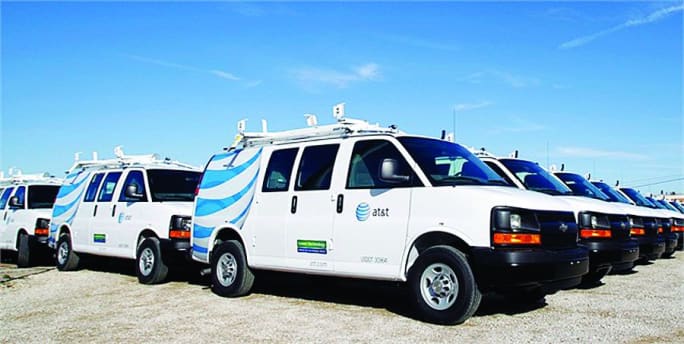
The communications company recently ordered 1,200 CNG Chevrolet Express vans, which, according to the automaker, is the largest-ever order of GM’s CNG products.
Photo: AT&T
Alternative-fuel vehicles continue to be the way many fleets expect to not only save money over the life of fleet trucks, but reduce the company’s carbon footprint as well.
Propane autogas and compressed natural gas (CNG) are among the top alternative fuels for truck fleets. While both fuels require upfits that add to the upfront cost of the vehicle, fuel and maintenance expenses tend to be lower, increasing lifecycles.
Propane autogas was the right fit for ThyssenKrupp Elevator. Using fleet manager’s “Five Cs” protocol of analyzing alternative fuels, which asks, “Is it clean, does it conserve, is it cost effective, does it make common sense, and can you commit,” propane autogas came out as the clear winner with check marks in all five categories.
The company has committed to purchasing 47 ROUSH CleanTech Ford E-Series vans and seven F-Series trucks across five geographic markets: Phoenix, Seattle, Los Angeles, San Diego, and Detroit, and is currently eyeing Dallas, Houston, Sacramento, and San Francisco as the locations for its next roll-outs. The company has a goal of operating 10%t of its entire fleet on propane autogas by 2015.
While this will help ThyssenKrupp cut its carbon footprint, it will also benefit the bottom line. Costing almost half as much as gasoline, propane autogas use has saved the company more than $224,000 in fuel costs in Phoenix alone since implementing its propane-autogas fueled vehicles in that market.
The company is working with propane-autogas suppliers to develop fueling infrastructure as it enters new markets.
While propane autogas — the third most common vehicle fuel in the world behind gasoline and diesel — seems to be represented in a growing number of fleets, CNG, which is also cheaper than conventional gasoline, is proving to be a strong contender among truck fleets as well.
AT&T may be among the most high-profile of these fleets. The company plans to invest up to $565 million over a 10-year period through 2018 to deploy approximately 15,000 alternative-fuel vehicles.
The communications company recently ordered 1,200 CNG Chevrolet Express vans, which, according to the automaker, is the largest-ever order of GM’s CNG products.
While propane autogas and CNG may be the most common alternative-fuel-saving technologies being used by truck fleets today, they aren’t the only ones.
Coca-Cola went electric in late 2011 when it deployed six eStar all-electric, zero-emissions trucks in San Francisco; New York City; Washington, D.C.; and Hartford, Conn. Built by Navistar, Inc., the eStar can run up to 100 miles per charge, and can be recharged in six to eight hours with a Level 2 charger. A quick-change cassette-type battery can be swapped out in 20 minutes, enabling around-the-clock operations. With zero tailpipe emissions, the eStar can lower greenhouse gas (GHG) emissions by up to 10 tons annually. The eStar was built as an electric truck from the wheels up, and has a low center of gravity and strategic battery placement.
Coca-Cola also operates more than 650 hybrid delivery trucks in major U.S. cities.
Showing Fleet Vehicles TLC
Maintaining a fleet can be expensive. Shortcycling and turning to alternative-fuel trucks can help, but there are other, fundamental ways to control costs. Preventive maintenance (PM) is one method.
For the Scotts LawnService fleet, PM is a key area to control costs. It is working closely with its FMC to analyze its maintenance costs.
Because many of the vehicles are idled in the winter in northern areas, the PMs needed to be adjusted to reflect this while staying within OEM guidelines, according to the initial findings. The lawn care company is also looking at replacement cycles. It is analyzing the maintenance costs of vehicles at different mileage bands (e.g., 75,000, 100,000). Finally, the company is working with its FMC to ensure that drivers are heeding PM reminders, and is working on a way to strengthen policy enforcement.
Maintenance costs can be saved in other ways as well. For Bimbo Bakeries, maintenance savings are not always about keeping vehicles on the road. They’re also about keeping mechanics on the job. The company recorded 228 days without a recordable injury or incident in all of its fleet garages in February 2012. The company operates 10,000 route trucks, 3,000 trailers, and 1,100 tractors in the U.S.
Safety Boosts Savings
According to the National Highway Traffic Safety Administration (NHTSA), an employer's average cost of a crash is more than $16,000 per incident. If an injury occurs, this number jumps to $74,000. If a fatality occurs, it could be in excess of $500,000. Bottom line: keeping fleet drivers safe is good for business.
Modern Transportation Services recently received the Fleet Safety Award from the American Automotive Leasing Association (AALA) and Bobit Business Media, publisher of Work Truck. The Pittsburgh-based bulk logistics solutions company’s safety culture is deeply ingrained. The company has implemented a variety of technology systems, driver training, accident and incident data-mining, and management involvement to significantly improve the company’s safety record.
While this goes a long way to keeping drivers safe and effective, it has also directly impacted the bottom line. The company’s insurance provider, Great Western Insurance, ranks Modern Transportation Services among its elite clients, which means the company pays a reduced rate.
In addition, the company has instituted a 62-mph speed restriction that has helped boost Modern Transportation’s safety record and lower fuel costs.
AAA Arizona, too, was recently recognized for its safety record with the 2012 NAFA Fleet Management Association/Bell Canada Larry Goill Memorial Quality Fleet Management Idea Award.
AAA Arizona’s safety program came in response to workplace accidents and high workers’ compensation expenses. Under its program, all fleet drivers begin their shifts with stretching exercises to help prevent injuries. They also receive more than 20 hours per year in classroom training, are subject to quarterly evaluations and safety spot checks, and wear personal protective equipment.
In 2011, the AAA Arizona fleet department reported a nearly 75-percent reduction of incurred losses from 2010. In addition, lost or restricted work days were reduced by nearly 85 percent for the same period.
Cascading Toward Savings
In addition to traditional cost-saving approaches such as rightsizing and safety programs, innovative thinking is also helping fleets save costs.
About a year ago, Valero instituted a new program called “cascading.” A variation on the company’s successful utilization program, which sees under-utilized vehicles moved to facilities where they are needed instead of purchasing another vehicle.
The program is simple, but effective. Brand-new vehicles — in this case, Ford F-150 models — are placed in light-duty applications, such as safety, while older vehicles are then “cascaded” to medium-duty functions, such as the environmental department. The vehicles end their days in heavy-duty functions such as the company’s tank farm.
According to the company, the cascading of vehicles will effectively double the life of the vehicles.
More Green Fleet

Fleet Forward Conference Introduces One-Day Passes for 2026
New one-day registration gives fleet professionals the flexibility to attend Tuesday, Wednesday, or Thursday, with passes available for $199 through Sept. 18.
Read More →
CALSTART Rebrands as Catalyst Mobility, Will Combine with Forth in 2027
CALSTART has rebranded as Catalyst Mobility and will combine with Forth at the start of 2027. The new organization said it is poised to become one of the world's largest, strongest, and most impactful clean transportation nonprofits.
Read More →
Electric Truck and Charging Programs to Boost Sustainability at NY & NJ Ports
Together, the Port Authority of New York and New Jersey and CALSTART will electrify drayage and terminal operations serving the East Coast’s busiest container port. A pair of incentive programs totaling $45 million has launched to accelerate adoption of zero-emission drayage trucks and terminal tractors.
Read More →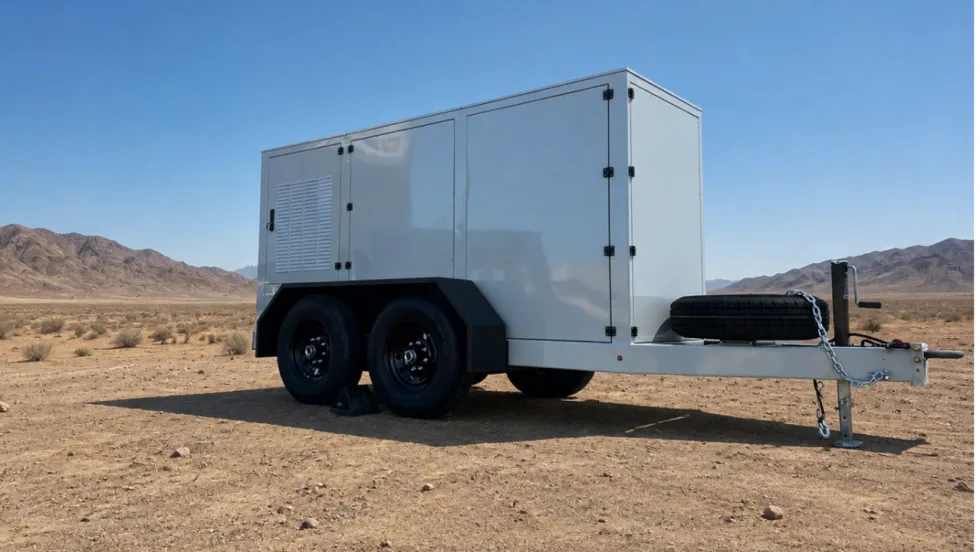
Xos Hub Surpasses One Gigawatt-Hour of Energy Delivered in the Field
A single Xos Hub has surpassed one gigawatt-hour of energy across more than 33,600 charging sessions in the field, demonstrating performance that supports Xos' expansion across new products and markets.
Read More →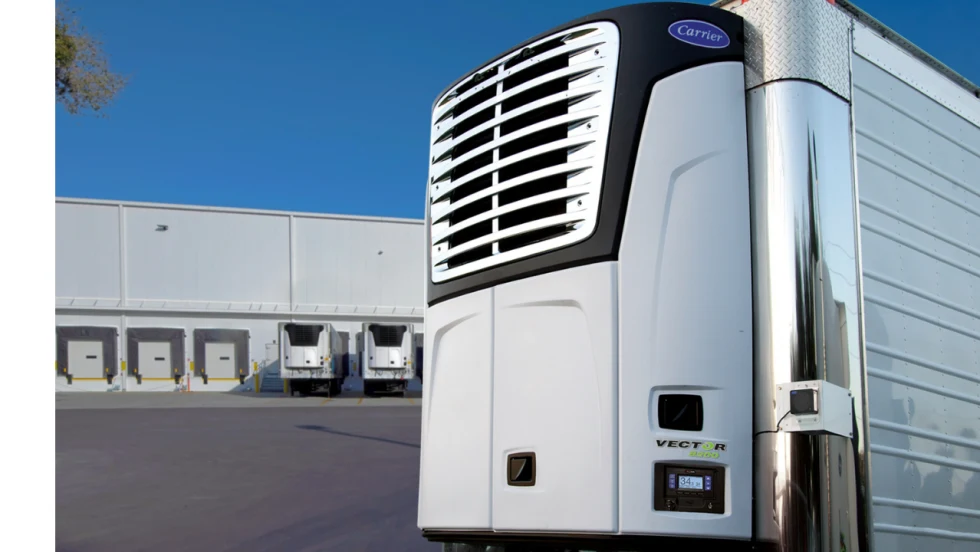
Carrier Transicold Launches All-Electric Vector 8200 TRU for Diesel-Free On-Site Cold Storage
Carrier Transicold’s first engineless multi-temperature TRU helps fresh- and frozen-food fleets add supplemental cold storage capacity during seasonal peaks.
Read More →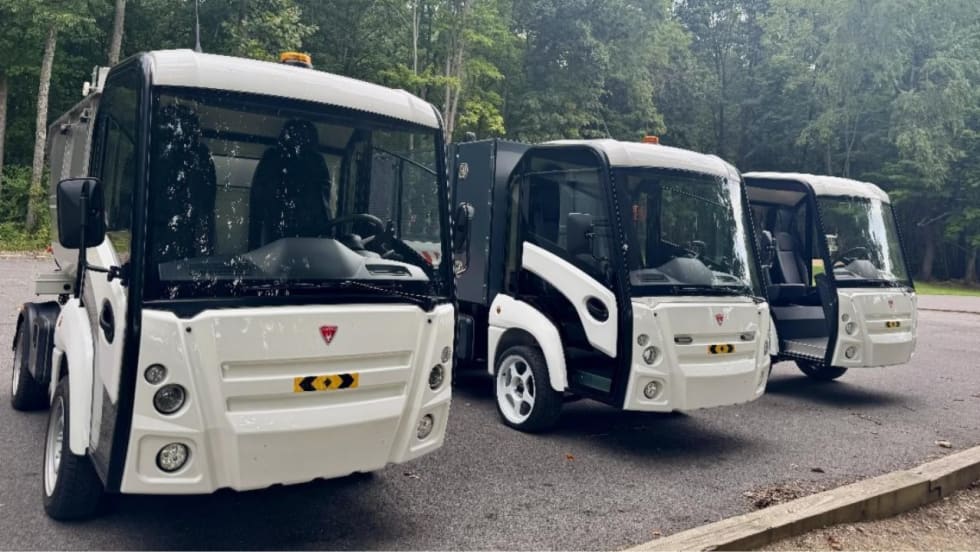
Narro Trucks Introduces Electric Utility Vehicle
Narro Trucks officially launched its operations on Aug. 20 and hosted a ride and drive to showcase its electric truck, which will be produced in Virginia.
Read More →
Samsung SDI Takes Full Control of GM Battery JV as Indiana Plant Pivots to Energy Storage
Samsung SDI is taking full control of its Indiana battery plant with GM, marking a major shift from the EV-focused joint venture Charged Fleet first covered in 2023.
Read More →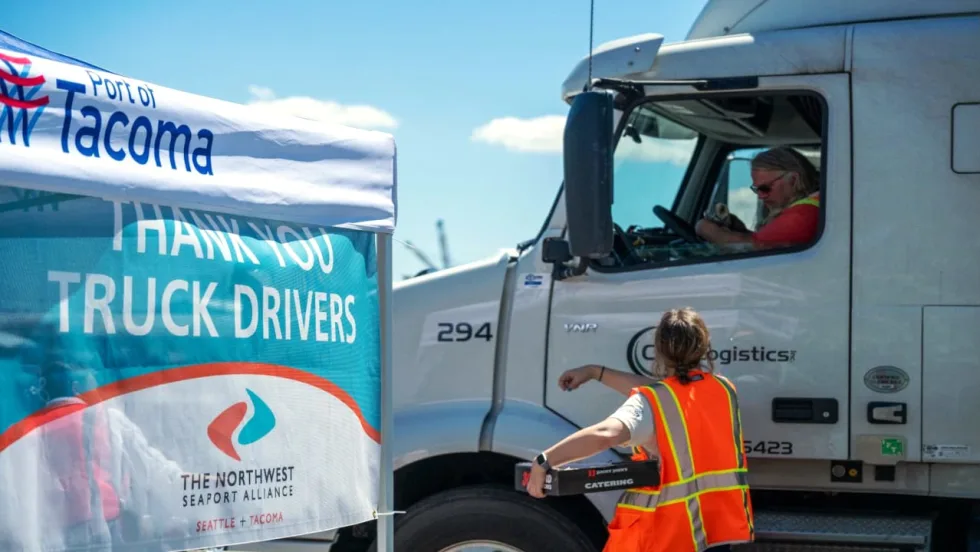
NWSA Taps CALSTART to Administer Zero-Emission Drayage Assistance Program
CALSTART will provide free technical assistance services to drayage fleets serving the Ports of Seattle and Tacoma and looking to transition to cleaner technologies and help decarbonize freight hubs.
Read More →
EV Fleet Reality Check: What Operators Wish They Knew Before Electrifying Their Work Vans
Electric work truck upfits bring new compatibility questions. Learn how parts availability, OEM guidance, power demands, and route planning can affect fleet performance.
Read More →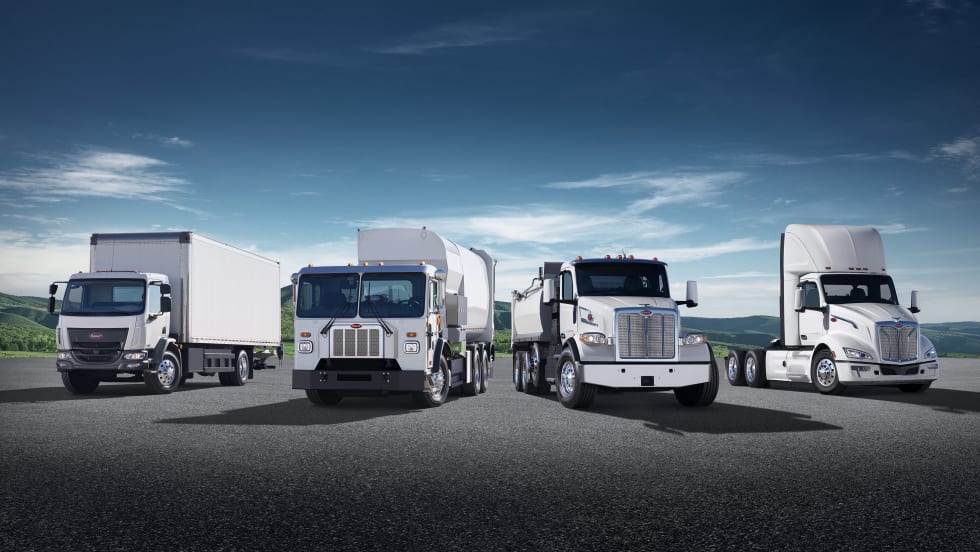
Peterbilt Expands Sourcewell Partnership with Electric Vehicle Lineup
Peterbilt Motors Company’s cooperative purchasing agreement with Sourcewell and its Canadian partner, Canoe Procurement Group, now includes including Peterbilt's battery-electric vehicle lineup.
Read More →