





Understanding the Rules: Short-Haul Exceptions to the Rule
Tips for Confirming a Commercial Driver’s Abilities Through a Road Test
When screening an applicant for a regulated commercial driving position, it is often difficult to know the individual’s true capabilities. Unless you personally see the applicant in action you may have no idea how he or she will handle your vehicles. This is where a thorough road test comes in.
July 11, 2023
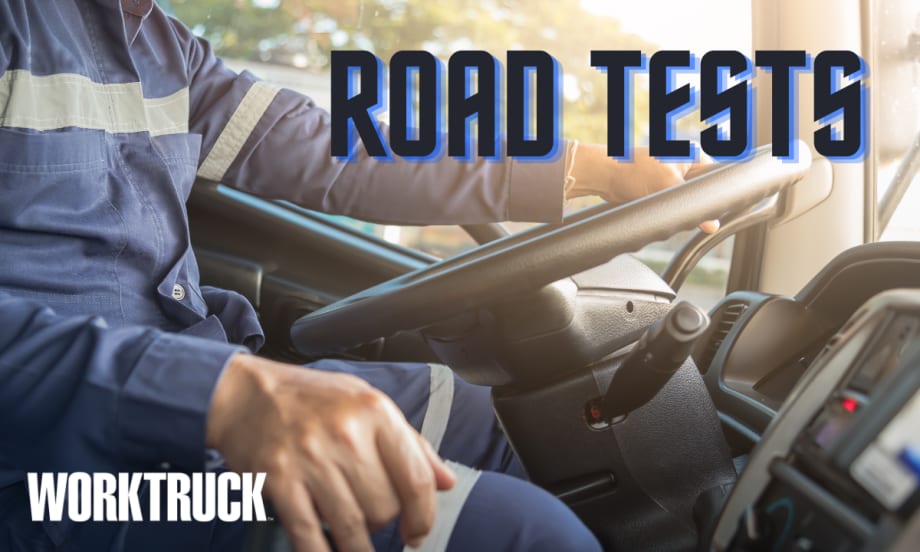
A driver must successfully complete a road test and be issued a certificate before operating a CMV for you for the first time as part of the Driver’s Qualification (DQ) process.
Photo: Work Truck/Canva
4 min to read
When screening an applicant for a regulated driving position, it is often difficult to know the individual’s true capabilities. Licensing alone is not a tell-all, and unless you personally see the applicant in action, you may have no idea how he or she will properly handle your vehicles.
While training will eventually help, this is where a thorough road or driving test comes in.
Section 391.31 requires a road test of anyone operating a commercial motor vehicle (CMV) as defined in Section 390.5. This definition includes a variety of commercial motor vehicle types:
Larger pickup trucks and trailers.
Straight trucks.
Tank vehicles.
Tractor-trailers.
The driving test requirement applies to both private and for-hire motor carriers.
A driver must complete a road test successfully and be issued a certificate before operating a CMV for you for the first time as part of the Driver’s Qualification (DQ) process.
When a driver upgrades or is assigned to a new vehicle type, it is recommended that the driver has another road test on a representative vehicle.
What Does a Road Test Consist Of?
The motor carrier must give a road test using the vehicle type for the position. The test must be of duration to allow the person giving the test (tester) to judge a driver’s abilities.
Many carriers will have a set route for all applicants. For instance, if you expect the driver to operate in the city, rural, and/or divided highway settings, the course should include as many of these settings as possible.
Driving Test Activites
The tester will rate the driver’s performance on the following eight activities:
Performing a pre-trip inspection as required in Section 392.7.
Coupling and uncoupling of combination units, if applicable.
Placing the vehicle in operation.
Using the controls and emergency equipment.
Operating in traffic and while passing other motor vehicles.
Turning.
Braking, and slowing by means other than braking.
Backing and parking.
As the driver performs these maneuvers, the tester will fill out a scoring sheet.
Since there is no prescribed format, it is up to the motor carrier how detailed it wishes to make the eight components and whether it is a simple pass-fail or the driver is graded on each. After completing the form, the tester must sign the document.

Raod tests might test the driver on using controls and emergency equipment.
Photo: Work Truck/Canva
If the driver passes the test, the tester completes a road test certificate — which does have a prescribed format. One copy is kept in the DQ file, along with the scoring sheet, for the duration of employment plus three years after it ceases.
Another copy is given to the driver for his or her personal records. The driver is not told what to do with the personal copy and could discard it if he or she wanted.
Who Can Perform the Commercial Vehicle Road Test?
The safety regulations do not specify a job title or background of the individual acting as the tester. Simply, the designated person must have the ability to evaluate the commercial driver’s skills in handling the vehicle and associated equipment.
This may be a supervisor, veteran driver, or even someone contracted from outside the company.
A best practice for fleets is to have someone who can take over the reins if necessary. In the event the test does not go well and is stopped, a person such as a manager or a recruiter who is not qualified under the safety regulations (i.e., licensing, DQ file, DOT testing) would be stuck until a DOT-qualified driver is sent to the testing scene.
Are There Any Exceptions?
Curious about whether there are any exceptions to the road test rule? A road test does not have to be performed — based on Section 391.33 — if the driver provides:
A road test certificate issued in the past three years on a representative vehicle; or
A valid commercial driver’s license (CDL) issued by a state after a successful road test for the vehicle type the motor carrier intends on assigning.
If the driver is assigned to a double, triple, or tank vehicle, you cannot accept a copy of the CDL instead of a road test. You must perform a road test on a representative vehicle.
If the motor carrier has a policy of accepting a copy of the CDL or previous road test certificate, a legible copy of the license or certificate is kept in the driver qualification file for the duration of employment, plus three years. The company does not have to request or retain subsequent renewals of the CDL in the file.
Remember that, by accepting someone else’s road test, you also accept another party’s standards that may differ from yours. In addition, a copy of a CDL does not tell you whether the driver has acquired confidence and decision-making skills since obtaining the license.
This article originally appeared in the July 2017 issue of Work Truck and was reviewed for continued accuracy as of August 2023.
Subscribe to Our Newsletter
More Safety
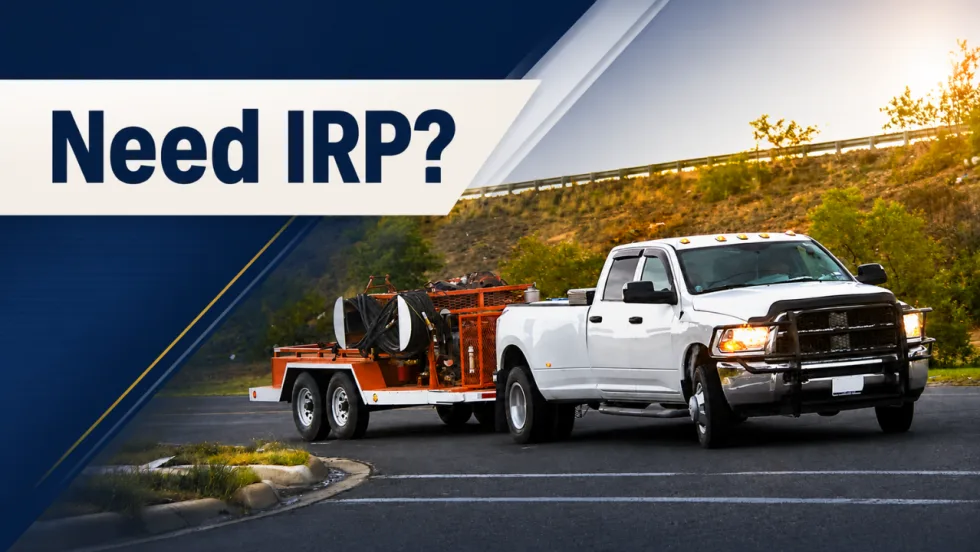
When Work Trucks Under 26,001 Pounds Need IRP Registration
Think trucks under 26,001 pounds are automatically in the clear when it comes to IRP? Not always. Learn where lighter vehicles can still run into trip permit, apportioned registration, and IFTA compliance requirements when crossing state or provincial lines.
Read More →
Volvo Trucks Releases New Safety Recommendations for Traveling with Pets
One of the most important recommendations for professional drivers traveling with pets is to ensure pets are properly restrained while the truck is moving. Other tips are available in the new guide from Volvo Trucks North America and Center for Pet Safety.
Read More →
API Issues Refueling Safety Guidelines
The American Petroleum Institute offers a list of safe vehicle refueling guidelines, including ways to avoid potential problems with static electricity discharges in fall, winter, and early spring.
Read More →
Winter Fleet Prep: Expert Tips to Keep Vehicles Running Smoothly
Cold weather can expose weak batteries, tires, fuel systems, and maintenance gaps fast. Use this winter fleet checklist to prepare trucks and drivers before temperatures drop.
Read More →
When a Work Truck Breaks Down, the Job Can Stop, Too
A work truck breakdown can stop more than the vehicle. Discover how payloads, jobsites, and specialty equipment change the roadside response.
Read More →
What Stronger Long-Term Fleet Service Partnerships Actually Require
Fleet service partnerships rarely fall apart all at once. Learn the three warning signs that trust is eroding and what fleets and providers can do before downtime, frustration, and lost revenue follow.
Read More →
Applause & TRUCE Software Partner to Improve Driver Safety Through AI-Powered Telematics & Employee Performance Management
Applause has integrated TRUCE driving metrics directly into its employee-first performance and safety platform that transforms mobile devices into AI-powered telematics.
Read More →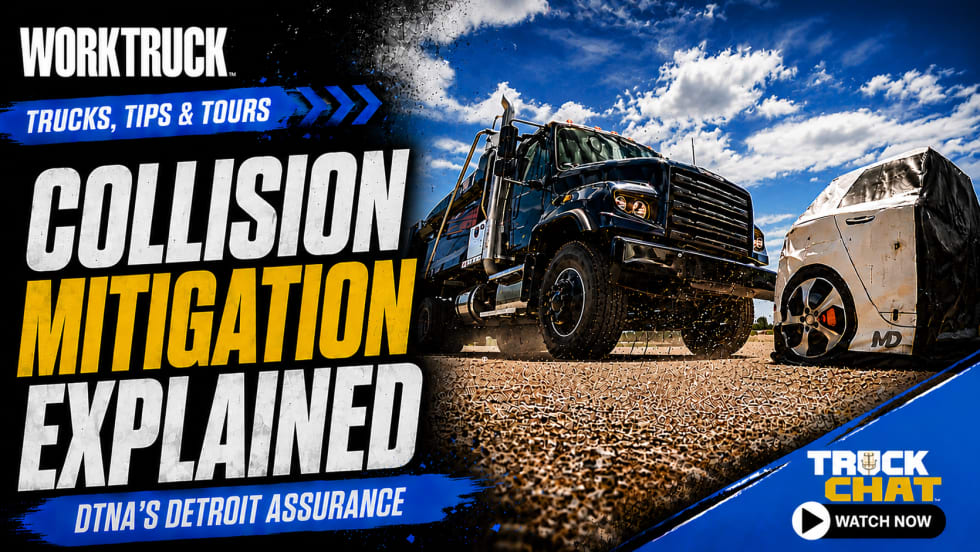
How Detroit Assurance with Active Brake Assist Works
Do you want to see what it is like to experience Detroit Assurance’s Active Brake Assist? In this video, Work Truck will put you in the cab to see how it all works and then hear more details from DTNA’s Mike Young.
Read More →
Get Left of Loss: A 5-Step Workplace Violence Prevention Framework for Fleet Operators
Violence risks do not stop at the driver’s door. Learn five practical steps fleets can take to spot threats early and protect workers before loss occurs.
Read More →
Sponsored•July 17, 2026
How Better Visibility Cut Speeding Violations by 48%
Fleet leaders don't need more data, they need clearer visibility into what the data is saying. This case study explores how one utility replaced speeding-event counts with a single metric — miles driven in violation — to strengthen safety and significantly reduce speeding violations.
Read More →