




Should Driver Exceptions Always be the Rule?
Learn about some of the more commonly used FMCSR driver exceptions and the potential problems they present.


Whether to use a specific exception as provided in the FMCSRs is both a business and risk management decision.
Photo: Work Truck/Canva
Some common exceptions permitted under the Federal Motor Carrier Safety Regulations (FMCSRs) require a motor carrier to place trust in someone else’s safety program.
Should carriers take advantage of recordkeeping allowances, or does doing so open carriers up to liability?
Commonly Used Driver Exceptions
The following are some of the more commonly used exceptions and the potential problems they present.
1. New Truck Drivers & Physical Exams
If a driver applicant is currently medically certified, a prospective employer has the choice of accepting it or requesting a new exam.
The advantage of the exception is obvious: It saves time and money. But the second choice provides the new employer with more control over the situation. The driver can be sent to a medical examiner of the carrier’s choice to ensure that the driver has not developed a medical disqualification since the previous exam. It may not cut costs, but it aids in reducing liability.
By accepting an existing card, the carrier is, in a way, taking on any deficiencies in another carrier’s safety program.
2. Truck Driver Pre-Employment Drug Screens
The cost of sending drivers for a Department of Transportation (DOT) pre-employment drug screen can add up, especially for carriers that have a high turnover or are increasing driver positions.
Section 382.301(c) of the FMCSRs gives employers the option of foregoing a DOT pre-employment test if certain criteria are met. This exception, however, requires obtaining the driver’s specific written consent to contact the former employer(s) for documentation showing the driver meets the terms of the exception.
While this may seem straightforward, there are a few things carriers should keep in mind:
Will the former employer respond in a timely manner? The carrier can’t use the driver until it has the documentation in hand.
Can the carrier be sure the driver has not used drugs lately? Only a DOT pre-employment drug screen would detect recent use.
3. Alternatives for Road Tests
Section 391.33 provides two alternatives to performing a road test on a new driver.
First, a motor carrier may accept a previous carrier’s road test certificate if the test has been performed within the past three years. However, the carrier using this exception is assuming someone else’s safety standards are acceptable.
The other exception gives the carrier the option of retaining a copy of a CDL in lieu of a road test, providing the position does not require the operation of doubles, triples, or tankers. Unfortunately, passing a DMV’s driving test does not ensure the driver is capable of safely handling the motor carrier’s equipment.
4. Reasonable Suspicion Training
Regulatory guidance to §382.603 gives motor carriers the option of using another motor carrier’s records for supervisor reasonable suspicion training. However, accepting the certificate or other proof of training does not reveal the content of the other carrier’s program or whether the new supervisor had a clear understanding of what was covered in the training.
Designated supervisors need to know and apply §382.307 appropriately, or the carrier may be cited for subjecting drivers to invalid reasonable suspicion requests.
5. Multiple-Employer Drivers & DQ Files
If a driver works for two or more motor carriers (USDOT numbers) in a period of seven consecutive days, carriers may use abbreviated recordkeeping in lieu of a complete Driver Qualification file.
This is based on the two multiple-employer driver regulations, §§391.63 and 391.65.
The use of the exceptions helps get drivers behind the wheel faster. However, both options rely on the fact that the driver was fully qualified under someone else’s safety program, over which the current carrier has no control.
Making an Informed Decision on Risk
Whether to use a specific exception as provided in the FMCSRs is both a business and risk management decision.
The carrier must weigh the pros and cons of an exception’s use and its confidence in the level of safety it affords. For instance, if a driver is borrowed from a sister company, the secondary employer may be confident in accepting a certificate to satisfy §391.65. If the driver is coming from an unrelated company and the carrier is unable to verify the safety standards, however, it may be better to fully qualify the driver.
The bottom line: Motor carriers should never risk safety to fast-track driver qualification or save a few dollars.
Curous about the entry-level driver training (ELDT) requirements? Or what the top seven FAQs are for commercial motor vehicle emergency equipment? Read more!
More Operations
New Fleet Guides, Hidden Truck Wear, and Driver Fit Lead This Month
Our latest Truck Chat recap covers new Fleet Guides, hidden idling costs, driver fit, lighter-truck registration rules, and year-round technician appreciation.
Read More →
Work Truck Takes Fleet Rivalry Downhill to Support Skilled Trades
Team Fletcher claimed a head-to-head win and second overall as Work Truck and Automotive Fleet helped raise $22,000 for the Hourglass Foundation.
Read More →
From Ledger Books to AI Patti Earley Shares 40 Years of Fleet Lessons
Patti Earley, CAFM, shares what four decades in fleet have taught her about using data, building relationships, and listening to the people behind the vehicles.
Read More →From Our Partners
Basic Tracking vs Next Generation Fleet Technology
Sponsored by AT&T Business

5 Facts Every Fleet Manager Should Know About Embedded Telematics
Sponsored by Stellantis/Mobilisights

How AI Video Telematics Boosts Driver Safety and Helps to Avoid Unnecessary Costs
Sponsored by Verizon Connect

Charting the 8 Bottom-Line Benefits of Workforce Optimization
Sponsored by Verizon Connect

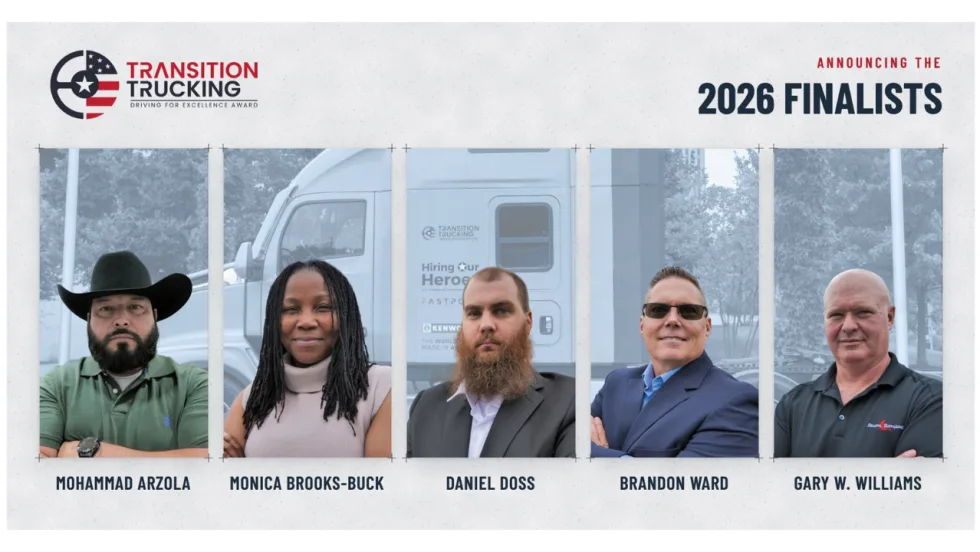
Finalists Announced for 2026 Transition Trucking: Driving for Excellence Award
Kenworth Truck Company, Fastport, and the U.S. Chamber of Commerce Foundation's Hiring Our Heroes program have announced the five finalists for the 2026 Transition Trucking: Driving for Excellence Award.
Read More →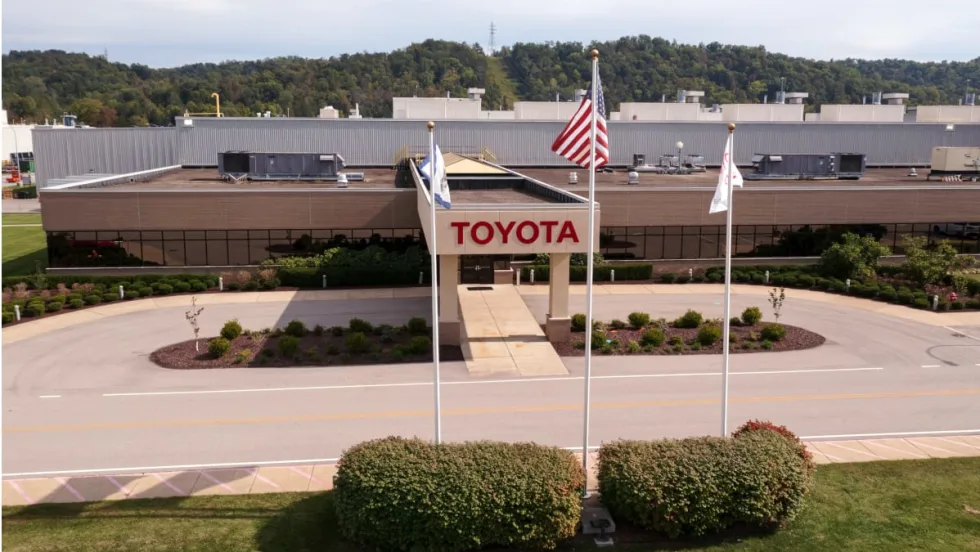
Toyota West Virginia Celebrates Three Decades of Manufacturing in the Mountain State
Toyota West Virginia celebrated 30 years of manufacturing. Toyota assembles both engines and drivetrain components in West Virginia to support its North American operations.
Read More →
The Hidden Cost of Idling
A low-mileage truck can still be one of the fleet’s hardest-working and most worn assets. Engine hours, idle time, and duty cycle reveal what the odometer misses.
Read More →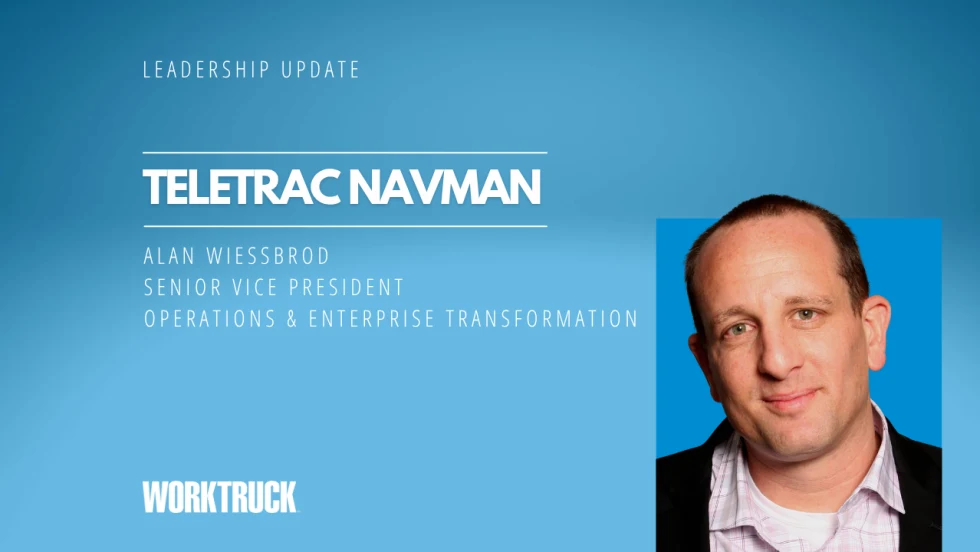
Teletrac Navman Hires SVP of Operations & Enterprise Transformation
Teletrac Navman has appointed Alan Wiessbrod to its senior leadership team as senior vice president, operations and enterprise transformation. The company said he has a strong track record of delivering profitable growth and operational excellence.
Read More →
2027 GM Trucks, Technician Retention, and Fleet Lessons Lead This Week’s News
New GM pickups, technician retention, fleet leadership lessons, winter equipment, and more headline this week’s Truck Chat Weekly Cheat Sheet.
Read More →
Family Ties Inside the Fleet Families Building Careers Across Generations
Three fleet families share what it really takes to work together, learn across generations, and keep business from following them home.
Read More →
Shades of Fleet Call for Voices: Fleet's Hidden Heroes
Fleet’s hidden heroes are often the ones keeping everything moving behind the scenes. September’s Shades of Fleet is looking for dispatchers, coordinators, parts specialists, and other support pros to share their stories.
Read More →