




The Future of the Light Truck as Chevrolet Sees It
As the light-truck market evolves, manufacturers are evolving with it. Here is a look at some of what Chevrolet is doing to keep up with and ahead of the market.
March 1, 2007

Photo: Chevrolet
6 min to read
The new Chevrolet Silverado trucks, along with the new Tahoe and Suburban utility vehicles, are all built on what the maker calls GMT900 architecture. The trucks have been picking up awards from consumer groups and journalists.
Work Truck felt it would be advantageous to go to the source and let readers see how the people at Chevrolet view the next few years of light-truck development.
We spoke with Russ Clark, director of truck marketing for Chevrolet. Clark began by stating his position, “The one thing we always do, be it a pickup or a utility, is make sure we make the best possible vehicle for the ways our customers use the truck, and the capabilities they require. The environment around us may change a little, but the basic, fundamental things that make a pickup truck, its hauling, its towing, its payload, and its capability and durability, are things that we continually focus on in the development of our trucks.”
Fuel Economy is Vital
Fuel economy is on everyone’s minds in the 21st century. Our first questions to Clark dealt with what Chevrolet is doing to provide the best possible fuel economy for customers.
“We’ve paid lots of attention to aerodynamics, and of course with our 5.3L engines, the availability of active fuel management has taken our highway mileage to 22 miles per gallon. You’ll see that improved fuel economy is playing a role,” Clark said.
He noted that frame rigidity, an area usually connected with ride and handling considerations, also helps with aerodynamics, thereby improving fuel economy.
“That consideration led us to develop this truck with a fully boxed frame all the way to the rear axle. We’re the only ones with that. Our fully boxed frame helps keep down the torsional twisting of the vehicle as it is used. That allowed us to close the gaps on the truck, which not only makes it look better, but also improves fuel economy by improving aerodynamics.”
He added that even the latest models from competitive manufacturers don’t have that advanced feature. “They still have ‘C’ channels underneath the cab,” he explained.
Clark said that much attention has been paid to aerodynamics. “In the new Silverado,” he said, “the gaps have helped, we’ve also put a full fascia on the front of the vehicle; to improve the airflow, we’ve tilted the windshield back; the mirrors got completely redesigned for improved aerodynamics, along with the bed sides and everything else.”
Clark noted that Chevrolet’s customer research has shown that what customers want with any pickup they buy is the ability to haul, carry, and tow cargo. “What they’re looking for now in a truck is all that plus safety and fuel economy. And they don’t want to give up any power or capability. They want power, but they want safety and fuel economy on top of it.”
He also said that active fuel management, which shuts off half the cylinders in the engine when it is under light load, has helped fuel economy with no downside affecting overall performance.
Diesels, Now & Coming
With the availability of ultra-low sulfur diesel fuel, there has been much talk of wider use of diesel engines, particularly in lighter trucks. Clark expressed a concern over the higher cost of the diesel engine.
“The primary cost is meeting the particulate emissions standards,” he said. “With the new generation, which people have been calling ‘clean diesel,’ which is all we can produce after January 1 of this year in terms of the engines, the pricing is going to be about $2,000 additional for the engine. We’ve talked to diesel customers, and of course we’ve talked to our dealers, and their belief is the diesel buyer is the diesel buyer. They’re looking for diesel’s basic benefits, which are tremendous torque and better fuel economy with comparable horsepower to gas engines. Plus, there is an image element to the diesel, too. They’re saying that the diesel buyer will still buy the diesel.”
“Our diesels have class-leading horsepower and torque,” Clark continued, “plus they’re mated with the six-speed Allison transmission. For the person who buys it, it’s probably the best powertrain combination on the planet. We’ll be bringing more six speeds into the entire full-size pickup lineup. It’s a huge investment over time, so we have to bring them in smartly from the business perspective.”
The Overall Powertrain
Clark also noted that the turbo HydraMatic, even the four-speed version, has been a great workhorse in pickups, with tremendous durability on the service side, “which is one of the reasons we have been able to come out with the 100,000-mile powertrain warranty on the trucks, both light- and heavy-duty,” he said.
He explained that the turbo Hydra-Matic shifts smoothly, and mated with the available engines, still offers class-leading fuel economy. “This is opposed to some of our competitors with five-speed and six-speed transmissions. It isn’t just the number of speeds; it is what does the powertrain give you? Ours gives us fuel economy, durability, and capability. In the end, it all comes back to what the customers want.”
Along the Hybrid Road
Another development people are looking at from both the fuel economy standpoint and also to cut emissions is the hybrid powertrain. Clark commented on that.
“The past generation of the Silverado, the GMT800, was offered as a light hybrid. On the new GMT900, we’ll be introducing an industry first, the two mode hybrid, first in the full-sized utilities, including the Tahoe, late this year.”
Clark explained that the two-mode hybrid is a unique accommodation, a different way to do the hybrid than anyone has seen before. It is a full, strong, hybrid with all the fuel economy advantages, and it adds to the truck’s capability. The motors are in the transmission, as opposed to the wheels, and it is integrated into the powertrain. The new hybrid system will be out later this year on the Tahoe, and then next year in the Silverado.
“You should be seeing fuel economy enhancements in the 20-25 percent range, with no loss of capability, horsepower, or torque,” Clark said. He added that the hybrid system is being developed with a consortium of other manufacturers.
Cab Comforts
Finally, Clark touched on the upgraded interiors on the GMT900 trucks, saying they point the way to the future. “We actually have two interiors available in the new Silverado,” he said. “One we call the ‘luxury-inspired’ interior. That’s on the LTZ. It’s for the recreational or high-end buyer who wants all the goodies and gadgets. It essentially includes the instrument panel, console, and door panels we have in the Tahoe, very luxury-inspired, lots of wood grain, and very high levels of refinement.”
As Chevrolet worked on the development of the truck, the company talked to truck customers at clinics.
“They loved that interior,” said Clark. “But for instance, someone said he would feel guilty getting into it with muddy boots. So the team went ahead and developed another interior. That’s what we call the ‘pure American pickup’interior. It’s on our work truck-level trucks as well as our LT-level trucks.” He explained that the LT carries over the same high levels of interior refinement, but it is specifically designed for the working pickup user.
Clark said that the Pure Pickup interior features two glove boxes, an upper and a lower, a lockable center console, and an under seat storage area with a power take-off point. In clinics, he noted, consumers said they preferred the design and layout of the dashboard in the previous-generation Silverado over anything else in the marketplace.
“So the new model is really a big update of that,” he said. “Everything is in the right place, it’s intuitive, it’s logical, the door handles are bigger so people wearing work gloves can work them easier. It is really two separate interiors inspired by the consumer's needs. And we think that’s going to be a huge advantage also, going forward,” Clark concluded.
Subscribe to Our Newsletter
More Operations

2027 GM Trucks, Technician Retention, and Fleet Lessons Lead This Week’s News
New GM pickups, technician retention, fleet leadership lessons, winter equipment, and more headline this week’s Truck Chat Weekly Cheat Sheet.
Read More →
Family Ties Inside the Fleet Families Building Careers Across Generations
Three fleet families share what it really takes to work together, learn across generations, and keep business from following them home.
Read More →
Shades of Fleet Call for Voices: Fleet's Hidden Heroes
Fleet’s hidden heroes are often the ones keeping everything moving behind the scenes. September’s Shades of Fleet is looking for dispatchers, coordinators, parts specialists, and other support pros to share their stories.
Read More →From Our Partners


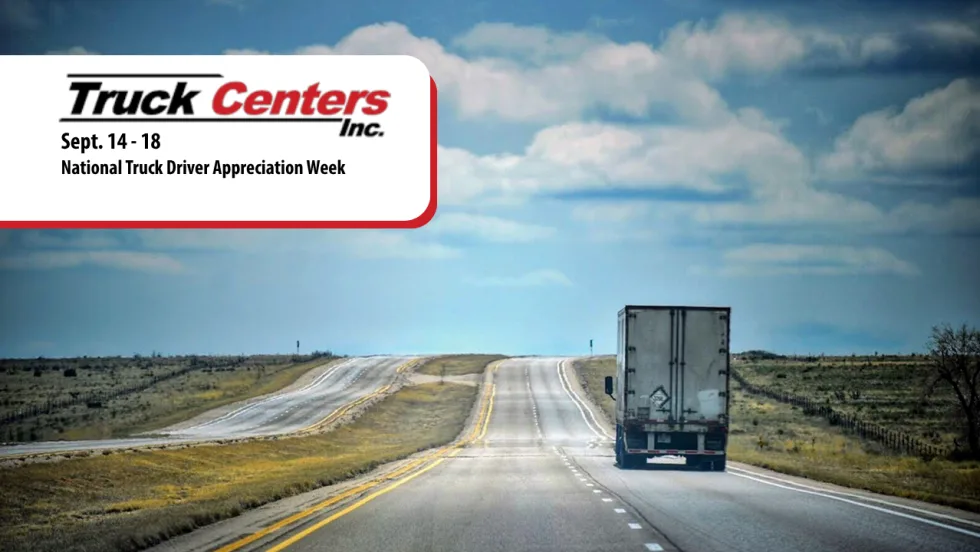
Truck Centers, Inc. Celebrates National Truck Driver Appreciation Week with $1,000 Fuel Card Giveaways
During National Truck Driver Appreciation Week, Truck Centers, Inc. is offering customers a chance to fuel up for free. Customers at all Truck Centers locations can enter to win one of four $1,000 fuel cards from Sept. 14 - 18.
Read More →
Fleet Guides, AI Time-Savers, Truck Tariffs & Fuel Strategy Lead the News
This week’s Truck Chat Cheat Sheet covers new fleet vehicle guides, practical AI use cases, U.S.-Canada truck production, mixed-energy strategy, and more.
Read More →
What Fleet Employers Are Missing When Hiring Veterans
What if some of the strongest candidates for fleet are already out there, but their experience is written in a language our industry does not always recognize?
Read More →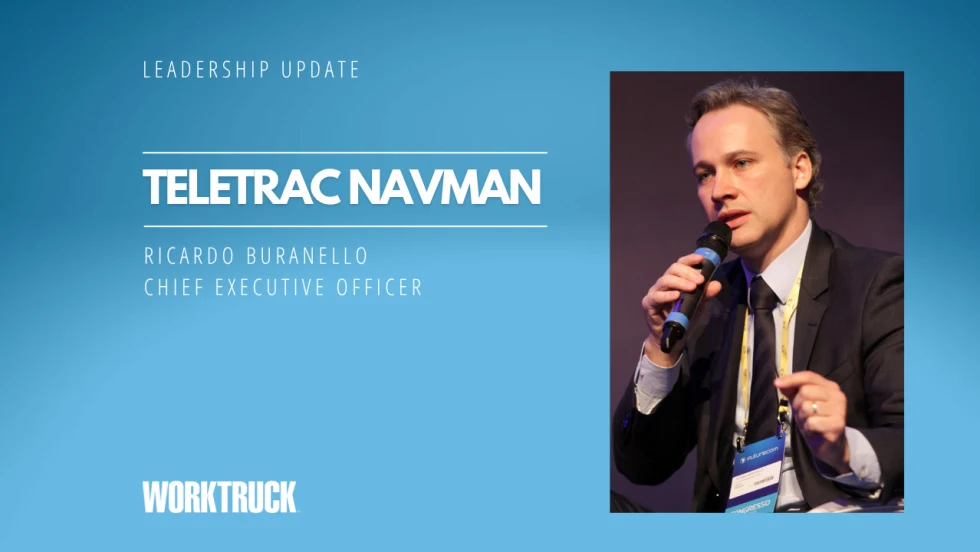
Teletrac Navman Promotes New CEO from Within
Teletrac Navman’s next CEO, Ricardo Buranello, has served as the company’s chief financial and operating officer. He brings deep financial and operational expertise, a strong strategic orientation, and an intimate knowledge of the business to his new role.
Read More →
Automotive Fleet Opens 2026 Personal Use Survey for Commercial Fleet Managers
Less than two weeks left! Commercial and corporate fleet managers are invited to share how their organizations handle company vehicle personal-use policies, charges, and driver eligibility.
Read More →
What Resilient Fleets Do Differently When Conditions Change
Fleet resilience is about more than reacting to disruption. Lauren Fletcher talks with AP Fleet’s Alex Coveney about flexibility, planning, scaling, and what helps fleets adapt when business conditions shift.
Read More →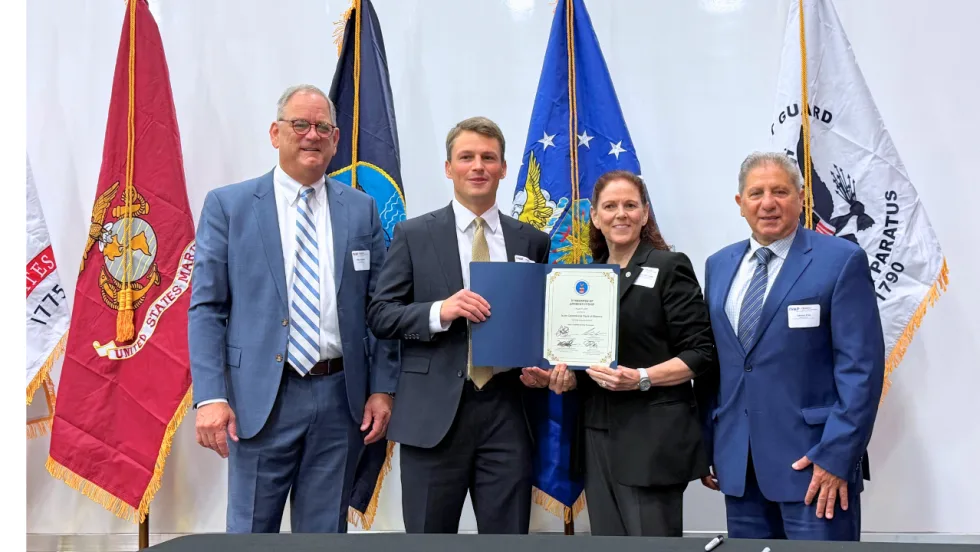
Isuzu & U.S. Department of Labor Celebrate Milestone for Veterans Apprenticeship Program
The Isuzu Veterans Apprenticeship Program (IVAP) signing ceremony highlighted Isuzu’s long-term commitment to veterans, Isuzu dealers, and the skilled workforce supporting its customers and the commercial transportation industry.
Read More →