




How Dash Cams Improved Safety at One Florida Construction Fleet
The Future of Operational Safety in a Remote World
As safety managers continue to build a culture of safety within their organization, they can’t overlook the importance of training, communication, and ongoing coaching when introducing any new technology.
by Alexander Stevenson, Samsara
June 30, 2021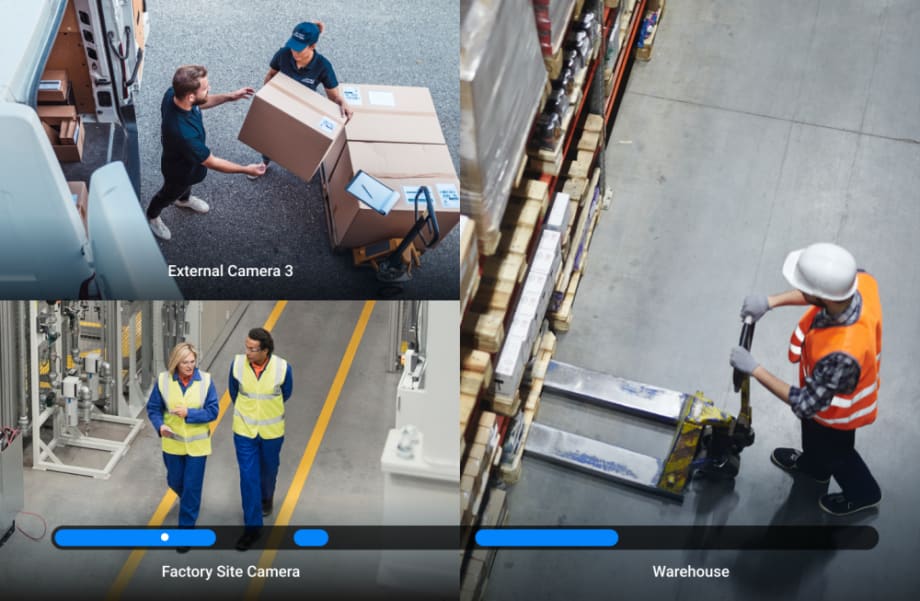
This has already revolutionized driver safety by making it possible to alert drivers and prevent incidents before they occur. Now, many organizations are extending this proactive approach beyond the cab. For example, applying the same AI used in dash cams to IP security cameras, preventing unsafe workplace incidents within warehouses and other on-site facilities
Photo: Samsara
6 min to read
Over the past year, the COVID-19 pandemic deeply impacted operational safety. Many organizations had to adapt their operations at an accelerated pace, as remote visibility became a necessity. The pandemic has altered the status quo, and fleets are adapting their safety strategies and investing in new technologies to prepare for the future.
Alexander Stevenson, VP of Product Management at Samsara, shares his take some of the biggest questions and challenges facing safety managers today:
1. Have Fleet Managers Adapted Operations as a Result of the COVID-19 Pandemic?
While a lot of people were stuck at home during 2020, transportation and logistics companies, and their drivers, were even busier. As a result, there was increased pressure on these essential businesses to become more efficient and the realities of COVID-19 added to this challenge.
Standard safety procedures—such as driver ride-alongs or on-premise safety coaching—could no longer be done in person. These organizations had to adapt as much as possible to continue these protocols in a remote environment.
In effect, this accelerated the pre-existing trend of digital transformation. Before the COVID-19 pandemic, safety leaders were already adopting new technologies to gain better visibility into operational safety and automate previously manual processes. But during the pandemic, systems that allowed for remote visibility and safety coaching became even more attractive and valuable, since safety leaders were no longer just limited by time, but also by the pandemic’s restrictions.
Samsara sees this accelerated digital transformation in its data. From January 2020 to March 2021, Samsara saw an 18% increase in usage of its Driver App and a 45% increase in digital document submissions (analyzed across a sample cohort of thousands of customers to control for new customer growth). This reflects not only how companies adapted to the immediate impact of COVID-19 (by shifting away from in-person interactions and paper documents), but also how they are increasingly embracing these technologies even as we look forward to a post-COVID world.
Not only do digital workflows enable safer operations, but they are also more efficient due to the automation of previously time-consuming procedures. The resulting gains in safety, efficiency, and profitability are driving the accelerated digital transformation we’re seeing right now.
2. What Does Operational Safety Look Like in a Post-Pandemic World?
No one knows for sure what the long-term impact of the pandemic will be. But when it comes to operational safety, one thing is clear: trends that were already present before the pandemic have been accelerated by the events of the past year.
For many fleet managers, the pandemic didn’t fundamentally alter their goals or priorities, but it did lead to faster adoption of digital tools in order to enable remote operations during COVID-19. Once organizations implemented these systems, both the safety and efficiency benefits became clear. For example, a video telematics solution can sift through thousands of hours of visual data and identify the few minutes of unsafe behavior, such as mobile phone usage or tailgating.
Being able to coach drivers on these instances without sorting through other footage is a huge time saver for coaches and also means drivers get the personalized video-based coaching that directly improves outcomes. As a result, we’re seeing companies increasingly embrace the digitalization of various safety workflows, even as they return to other pre-pandemic norms. I believe this is a trend that will persist even in a post-pandemic world.
As another result of this accelerated digitalization, I predict we will see more positivity around the word “safety.” Video-based safety technologies make it possible to identify not just unsafe driving behaviors, but also moments of excellent driving or exemplary safety practices, which may have gone unnoticed before. Paired with the right reporting and coaching tools, this enables organizations to recognize and reward employees in the field for their safe practices, rather than only coaching them on their mistakes.
Ultimately, this is leading to more engaged employees, better retention, and a more positive safety culture at organizations that build these coaching and recognition tools into their day-to-day workflows.
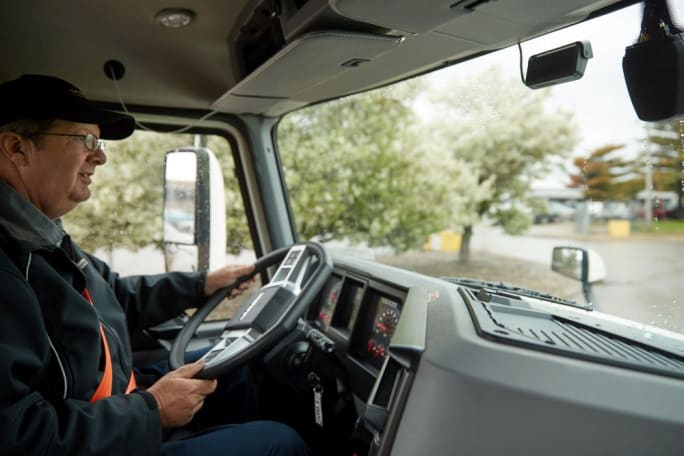
A video telematics solution can sift through thousands of hours of visual data and identify the few minutes of unsafe behavior, such as mobile phone usage or tailgating.
Photo: Samsara
3. What Future Technological Innovations will be Most Impactful on Operational Safety?
Before edge computing, our ability to prevent incidents in real time was limited. After-the-fact video processing could identify patterns, but there was no way to detect and alert people to risks as they happened. New advances in AI have allowed fast progress in computer vision, and we can now run very sophisticated algorithms “at the edge,” which is to say, in our cameras themselves, without having to send data to a data center for processing.
This is what enables advanced dash cams to provide drivers with real-time alerts to certain behaviors, like distracted driving and tailgating. Additional technology for this requires AI-powered computer vision to digitally “see” what’s happening, decide a situation is potentially dangerous, and then alert a driver, thanks to software running on the dash cam itself.
This has already revolutionized driver safety by making it possible to alert drivers and prevent incidents before they occur. Now, many organizations are extending this proactive approach beyond the cab. For example, applying the same AI used in dash cams to IP security cameras, preventing unsafe workplace incidents within warehouses and other on-site facilities. Over time, advances in AI and computer vision will lead to a fundamental shift from reactive to preventative safety management across all areas of operations.
4. What Should Safety Managers Watch to Ensure Organizations are Well-Equipped for the Future?
As safety managers continue to build a culture of safety within their organization, they can’t overlook the importance of training, communication, and ongoing coaching when introducing any new technology. Across our community, we’ve seen time and time again that effective change management is what ultimately leads to successful adoption of new technologies and meaningful improvements in safety outcomes.
Just as important for long-term success is planning for the influx of data that will come. In the next five years, the convergence of computer vision applications with additional sensor data will provide further contextual information and unlock even better visibility, truly transforming operational safety across a number of industries. But as organizations become more saturated with data, finding ways to connect the dots between that data and extract actionable insights will become more critical — and more difficult.
That’s why it’s so important to choose technology partners that aren’t just advancing individual technologies or solutions in a silo, but are building systems to help connect and make sense of your data. Ultimately, the goal of more data should be better, more actionable visibility into your business — so you can manage safer and more profitable operations.
About the Author: Alexander Stevenson, is VP of Product Management for Samsara. This article was authored and edited according to WT editorial standards and style to provide useful information to our readers. Opinions expressed may not reflect that of WT.
Subscribe to Our Newsletter
More Technology
GM Brings New Truck Focused Interface to 2027 Silverado and Sierra
GM's new pickup interface puts trailering data, camera views, vehicle controls, and smartphone integration closer to the driver in the 2027 Silverado and Sierra.
Read More →
Samsara Driver Perks Expands Rewards Beyond the Long Haul Driver
Samsara’s new driver rewards program was built with a broader professional driver in mind, including employees who split their day between driving, job sites, service calls, and other work.
Read More →
AI Service Advisor Aims to Cut Fleet Repair Downtime
Fleetio said its AI Service Advisor can help fleets cut repair downtime by an average of 2.5 hours per repair while reducing manual maintenance work.
Read More →
Verra Mobility Launches AI-Driven Title & Registration Solution
Verra Mobility has launched a new AI-driven Title & Registration platform to help fleets move vehicles from acquisition to the road the same day while reducing compliance risk.
Read More →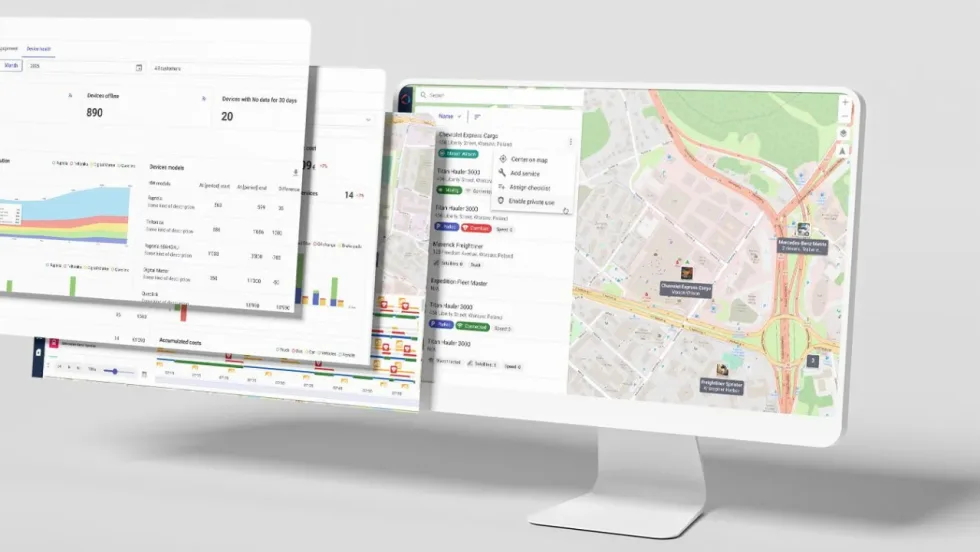
Wialon Unlocks OEM Data to Give Fleet Owners Data Ownership & Operational Clarity
Wialon has introduced hardware-free OEM integration as the EU Data Act accelerates the shift in vehicle data access across the fleet industry in many countries.
Read More →
Teletrac Navman Promotes New CEO from Within
Teletrac Navman’s next CEO, Ricardo Buranello, has served as the company’s chief financial and operating officer. He brings deep financial and operational expertise, a strong strategic orientation, and an intimate knowledge of the business to his new role.
Read More →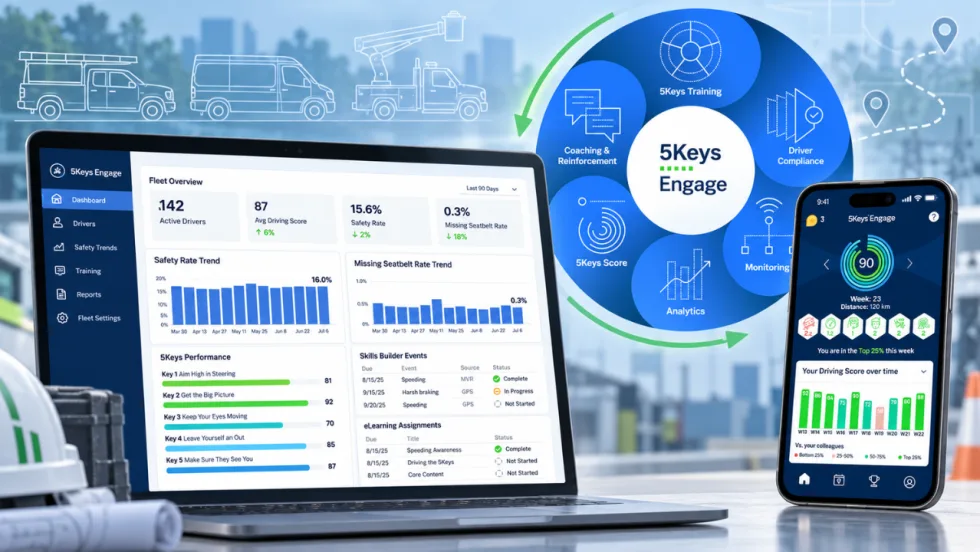
Smith System Wants Work Truck Fleets to Look Beyond the Driver Alert
Smith System’s new Driver Risk Management program is built to help mixed work truck fleets turn telematics alerts and observations into specific behaviors, coaching actions, and measurable follow-up.
Read More →
Ford Pro Software Updates: August 26
Check out the latest Ford Pro software updates, including Google Maps integration, Remote Vehicle Alarm integration, Motor Pool for easier management of shared pool vehicles, and more.
Read More →
Where AI Is Actually Saving Fleet Managers Time
AI is moving past the buzzword stage and into the daily fleet workflow. Fleetio’s Brianna Perry Lang breaks down where fleets are seeing real time savings, from maintenance and data entry to repair decisions, safety, and compliance
Read More →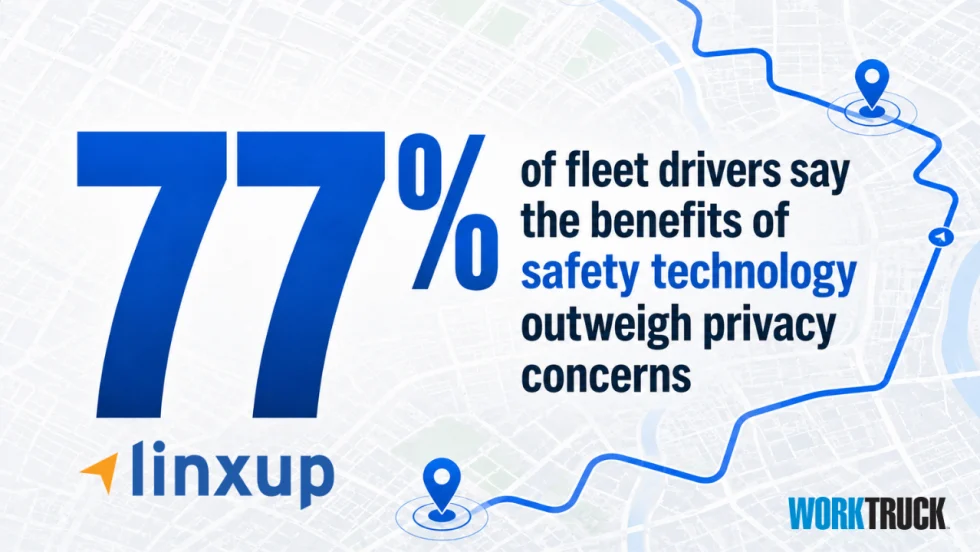
Are Work Truck Drivers Warming Up to Dash Cams and GPS Tracking?
A new survey finds field-service drivers may be more comfortable with dash cams and GPS tracking than fleet managers think, especially when the technology helps protect them after a crash.
Read More →