




Telematics Case Study: Timely Transport of Patients
With an innovative and thoughtful approach to medical transport, ProTransport-1 provides vehicles that place the patient's needs above all else while still focusing on time and cost efficiency.
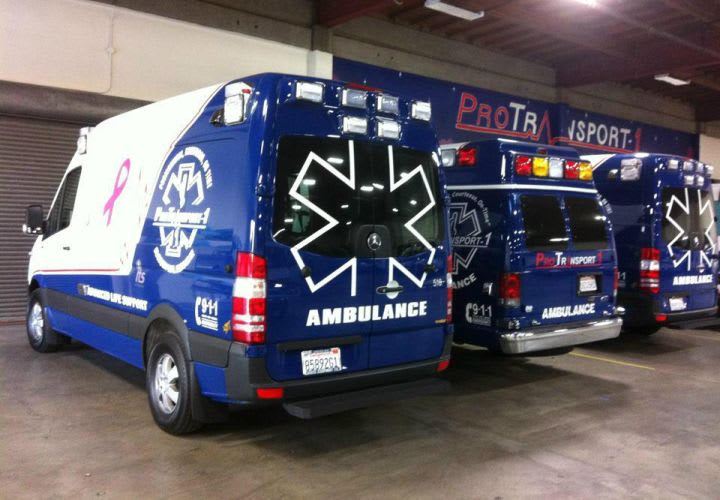
Photo via ProTransport-1.
Photo via ProTransport-1.
Founded in 2000 by former San Francisco Bay Area paramedics Elena Whorton and Mike Sechrist, ProTransport-1 is one of the largest privately owned ambulance companies in California and is one of the state's top emergency transport providers.
The Fleet: ProTransport-1 operates a fleet of more than 120 vehicles, including ambulances, wheelchair vans, gurney vans, and an ambulatory services town car.
The Challenge: With an innovative and thoughtful approach to medical transport, ProTransport-1 provides vehicles that place the patient's needs above all else while still focusing on time and cost efficiency.
So when it seemed that unnecessary paperwork and inefficient systems were interfering with a smooth operational process, ProTransport-1 looked for a solution that would eliminate the clutter. The need for more data connectivity, less of a paper-centric process, and a better way to track vehicle performance data led ProTransport-1 to a "Connected Ambulance" telematics solution.
The Solution: ProTransport-1 worked with its wireless network and telematics providers to develop and implement an innovative Connected Ambulance solution.
Using a ruggedized, embedded communications gateway for connecting mobile equipment to its fleet units, ProTransport-1 was able to consolidate all network connectivity into a single platform by integrating a cellular radio, GPS receiver, firewall, high-speed processor, and a Wi-Fi access point all in one device.
With the device installed, the vehicle and all its network-enabled devices are automatically connected when the vehicle is started.
When the ambulance is turned on, the device is active, and any network device connected can access the wireless network. Equipped ambulances have almost instant connection to ProTransport-1 facilities, databases and staff in Northern and Central California.
By creating a "mobile office" through the Connected Ambulance solution, ProTransport-1 vehicles connect computers, devices, scanners, and printers, eliminating many of the previous connectivity problems.
This solution also allows ProTransport-1 to perform functions such as track each time the emergency lights are activated to a Code 3, disable the ignition system remotely to prevent theft, and look at vehicle performance data such as fuel consumption. And in critical situations, Connected Ambulance can collect a patient's vital signs and wirelessly transmit them to emergency room doctors while the ambulance is in transit.
The Results: The elimination of a lengthy paper process and poor mobile and data connectivity helped ProTransport-1 continue to provide quality service to its patients. The connected solution helps ProTransport-1 coordinate in-field resources and provides real-time access to critical applications, such as patient information systems and medical diagnostics.
A virtual "mobile office" provides cost-savings and increases an ambulance's efficiency to support ProTransport-1's bottom line, so paramedics and medical staff can focus on what matters most: the patient.
Originally posted on Automotive Fleet
More Technology
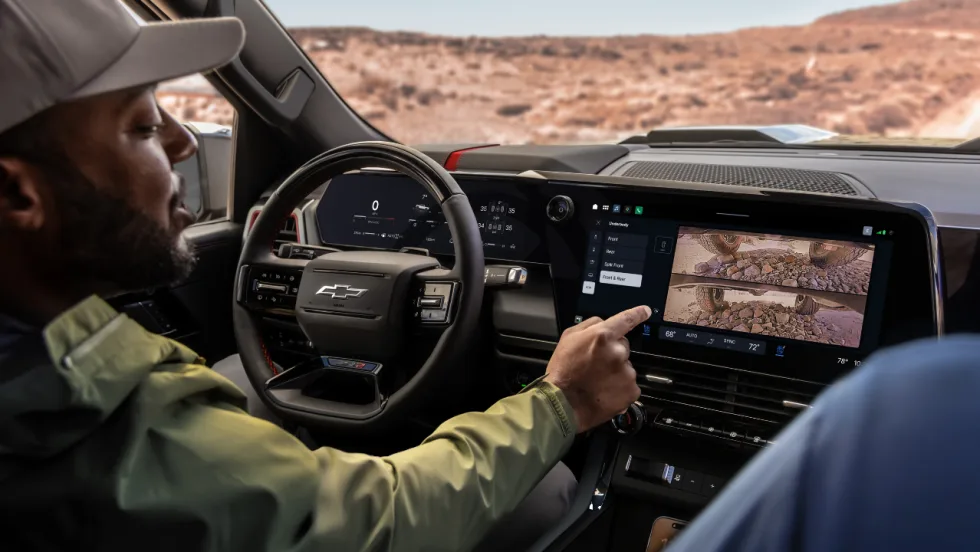
GM Brings New Truck Focused Interface to 2027 Silverado and Sierra
GM's new pickup interface puts trailering data, camera views, vehicle controls, and smartphone integration closer to the driver in the 2027 Silverado and Sierra.
Read More →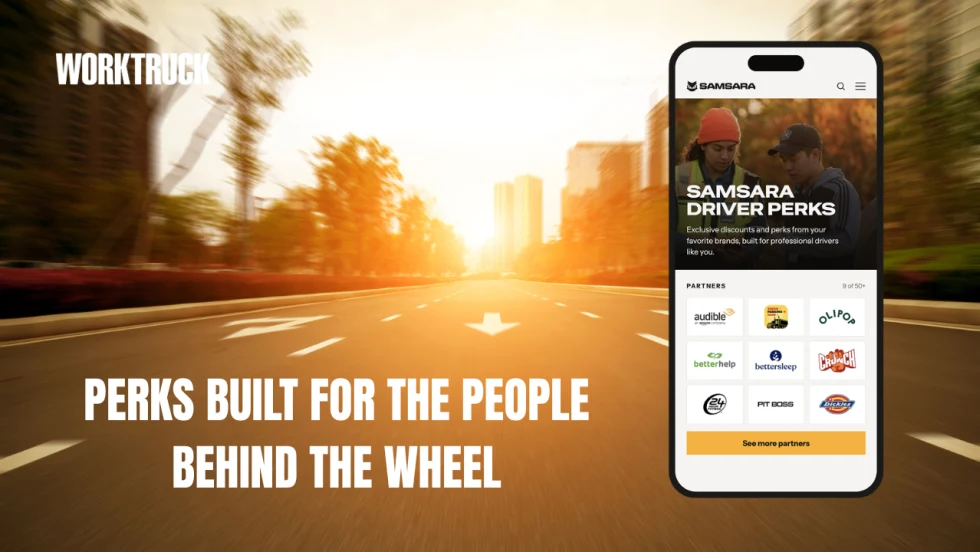
Samsara Driver Perks Expands Rewards Beyond the Long Haul Driver
Samsara’s new driver rewards program was built with a broader professional driver in mind, including employees who split their day between driving, job sites, service calls, and other work.
Read More →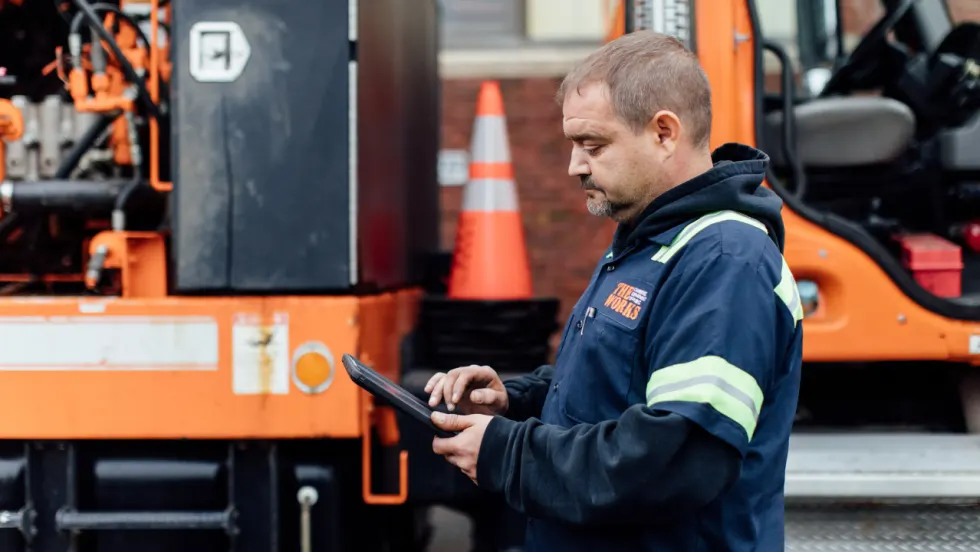
AI Service Advisor Aims to Cut Fleet Repair Downtime
Fleetio said its AI Service Advisor can help fleets cut repair downtime by an average of 2.5 hours per repair while reducing manual maintenance work.
Read More →
Verra Mobility Launches AI-Driven Title & Registration Solution
Verra Mobility has launched a new AI-driven Title & Registration platform to help fleets move vehicles from acquisition to the road the same day while reducing compliance risk.
Read More →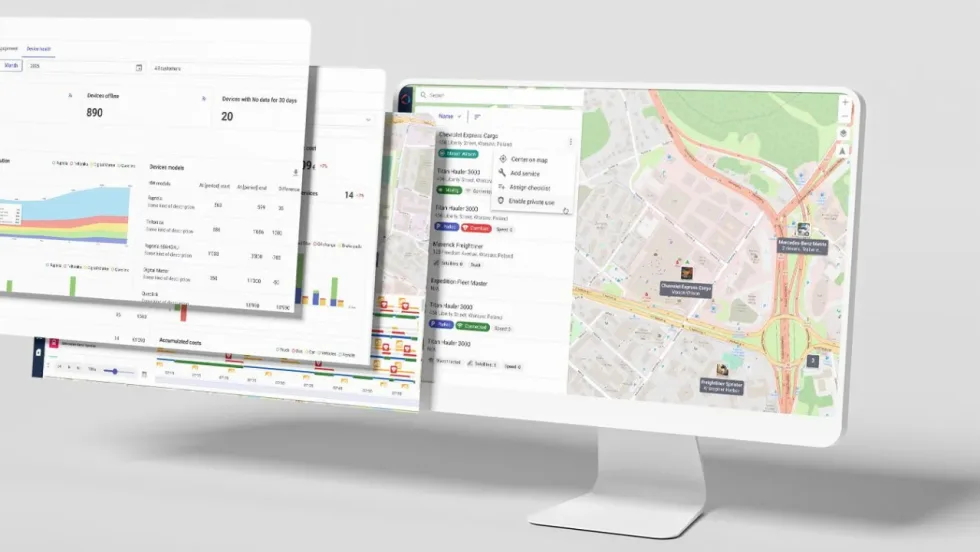
Wialon Unlocks OEM Data to Give Fleet Owners Data Ownership & Operational Clarity
Wialon has introduced hardware-free OEM integration as the EU Data Act accelerates the shift in vehicle data access across the fleet industry in many countries.
Read More →
Teletrac Navman Promotes New CEO from Within
Teletrac Navman’s next CEO, Ricardo Buranello, has served as the company’s chief financial and operating officer. He brings deep financial and operational expertise, a strong strategic orientation, and an intimate knowledge of the business to his new role.
Read More →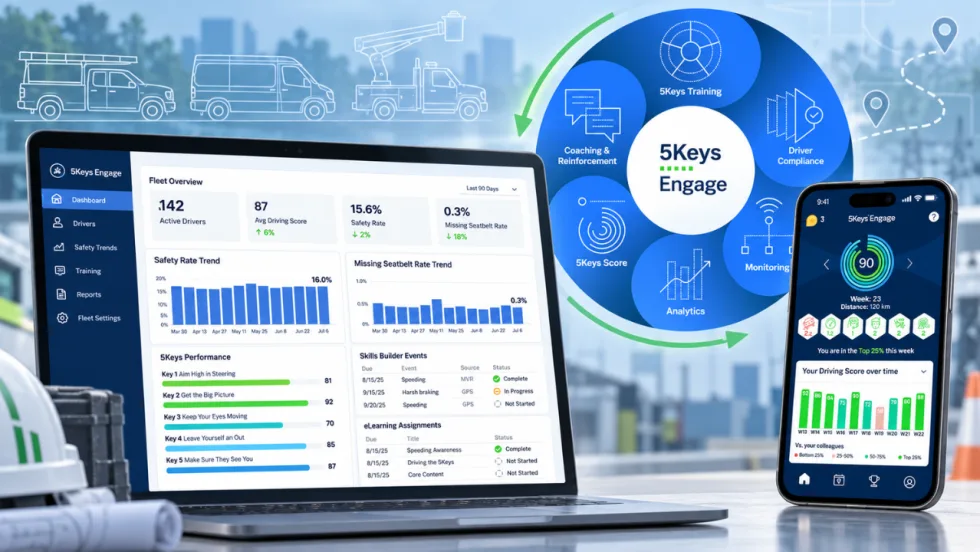
Smith System Wants Work Truck Fleets to Look Beyond the Driver Alert
Smith System’s new Driver Risk Management program is built to help mixed work truck fleets turn telematics alerts and observations into specific behaviors, coaching actions, and measurable follow-up.
Read More →
Ford Pro Software Updates: August 26
Check out the latest Ford Pro software updates, including Google Maps integration, Remote Vehicle Alarm integration, Motor Pool for easier management of shared pool vehicles, and more.
Read More →
Where AI Is Actually Saving Fleet Managers Time
AI is moving past the buzzword stage and into the daily fleet workflow. Fleetio’s Brianna Perry Lang breaks down where fleets are seeing real time savings, from maintenance and data entry to repair decisions, safety, and compliance
Read More →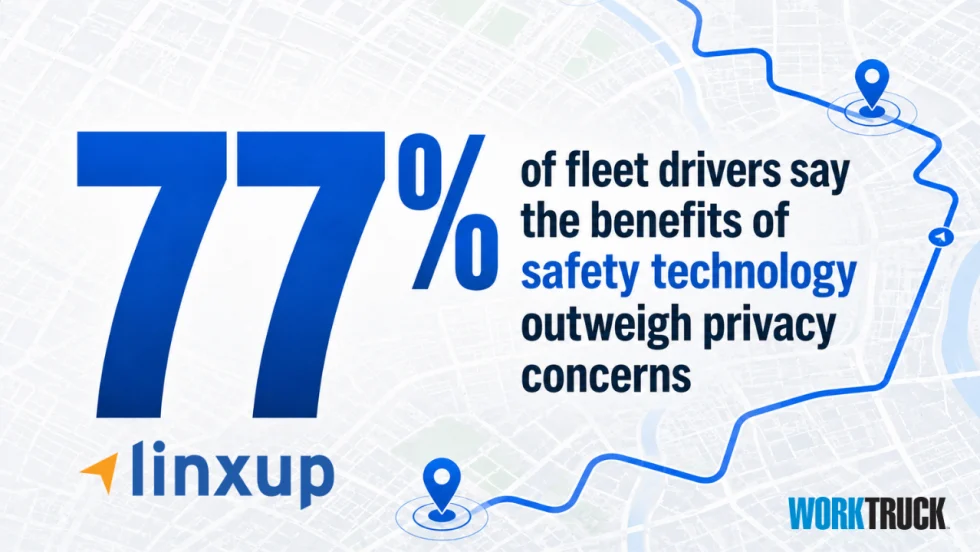
Are Work Truck Drivers Warming Up to Dash Cams and GPS Tracking?
A new survey finds field-service drivers may be more comfortable with dash cams and GPS tracking than fleet managers think, especially when the technology helps protect them after a crash.
Read More →