




Tackling Diesel Fuel Stabilization & Filtration Issues
Fuel filtration and diesel fuel stabilization are some of the concerns fleets across the country face with infrequently used vehicles.

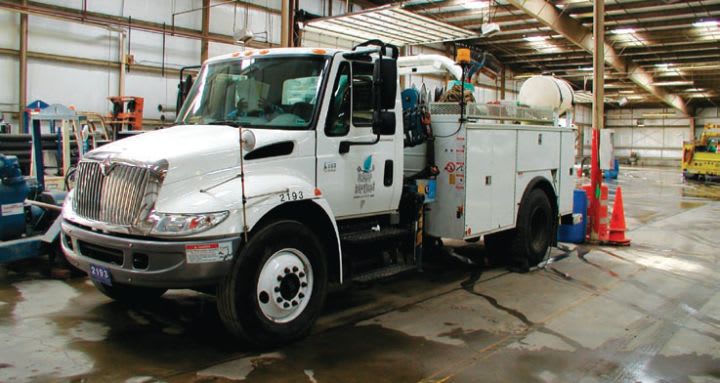
The City of San Diego fire-rescue operations had concerns about diesel fuel stabilization in infrequently used vehicles.
Photo: City of San Diego
With diverse vehicle fleets operating specialized, infrequently used trucks, avoiding diesel fuel stabilization has become more challenging.
The City of San Diego fire-rescue operations had concerns about diesel fuel stabilization in infrequently used vehicles. The concerns centered chiefly on two Freightliner tractors and box trucks assigned to the Urban Search and Rescue Task Force.
The vehicles have large-capacity fuel tanks, including two 120-gallon tanks in the tractors and two 50-gallon tanks in the box trucks, and are typically not driven enough to completely cycle-out the fuel in a timely manner.
The Fire-Rescue fleet solved the issue by using an off-the-shelf fuel stabilizer and implementing a monthly mandatory trip requirement. "We decided to start them [infrequently used vehicles] and have an appropriately licensed individual travel north 50 miles and bring them back," said Stephen Shipkowski, former fleet superintendent for San Diego’s fire-rescue operations and now fleet maintenance supervisor for San Diego’s police department.
Solving Fuel Filtration Issues
The City of Kansas City fleet incurred increased water absorption in its fuel tanks after switching to ULSD in 2006, according to Sam Swearngin, CAFM, central fleet superintendent. The problem affected the fleet’s use of both regular and biodiesel fuels, causing freeze-ups in the winter. The remedy was to install water separators dispensers on fueling tanks at the city’s 12 fueling sites, which service 2,700 city vehicles.
Manufacturers have tightened the fuel filter microns to minute levels to help provide cleaner fuel. Many truck operators have also added a second filter to the truck framework and the third layer of filtration at the dispensing pump, according to Robin MacDonald, marketing manager for Modesto, Calif.-based Racor Division of Parker Hannifin.
Water isn’t the only fleet concern with diesel fuel. ULSD, with its tendency to act as a solvent, cleaning out or removing dirt normally found in fuel system tanks and plumbing, has also given rise to other contamination issues.
The Racor RV Series filter (RVFS) vessels, designed for use in bulk fuel storage, fuel dispensing, or fuel transfer and large engine applications, can be set up as a filter/water separator or particulate filter.
As a filter/water separator, the RV filters remove emulsified free water and solids from diesel fuel, gasoline, and other hydrocarbon streams. When equipped with filter separator elements, water can be drained and removed from the RVFS sump. Set up as a particulate filter, the RVFS is designed to remove solid contaminants, such as dirt, rust, scale, and other materials from a hydrocarbon fuel stream, down to two microns. WT
More Fuel

The Smart Way to Build a Mixed-Energy Fleet Isn’t About Picking a Side
Mixed-energy fleets aren’t about picking a winning fuel. Sarah Booth of WEX explains how vehicle data, duty cycles, charging strategy, and real-world costs can help fleets choose the right energy source for each job.
Read More →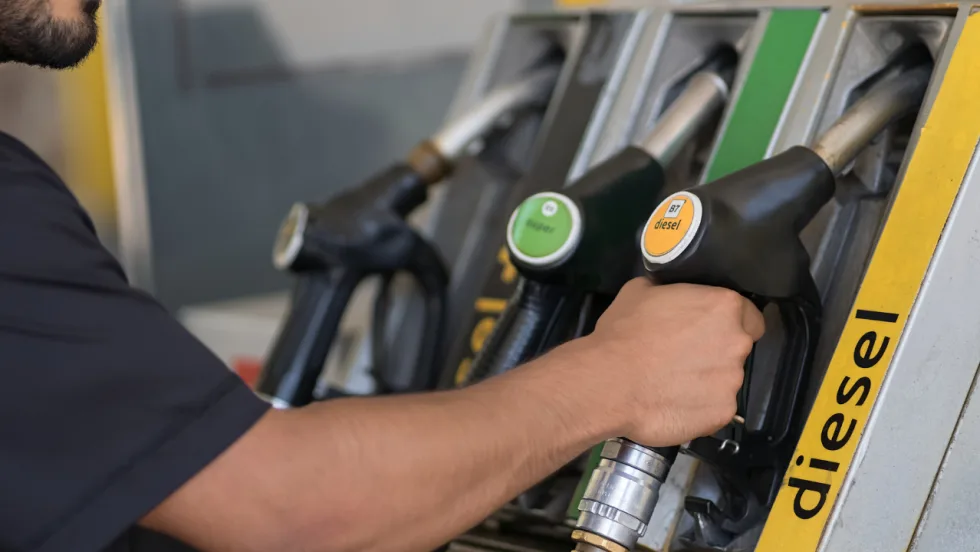
Ignoring This Dashboard Warning Could Cost Your Fleet Thousands in Fuel
New research suggests neglected diesel aftertreatment systems could waste up to $30 in fuel per vehicle each day. Here's why vocational fleets should pay attention.
Read More →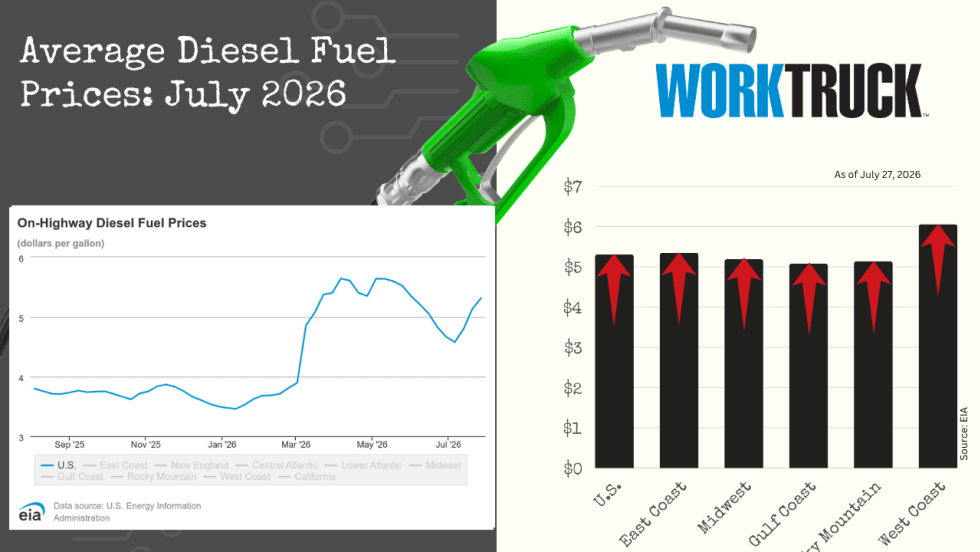
July Diesel Trends Update
The average price of a gallon of diesel increased again this week, and the EIA reported a new national average of $5.31 at the start of the week.
Read More →
WEX Brings Standard Fleet's Connected Vehicle Platform to Fleet Customers
This week’s product launch with Standard Fleet’s connected vehicle platform reflects WEX Venture Capital's strategy of turning startup innovation into customer solutions. Standard Fleet is now available to WEX fleet customers.
Read More →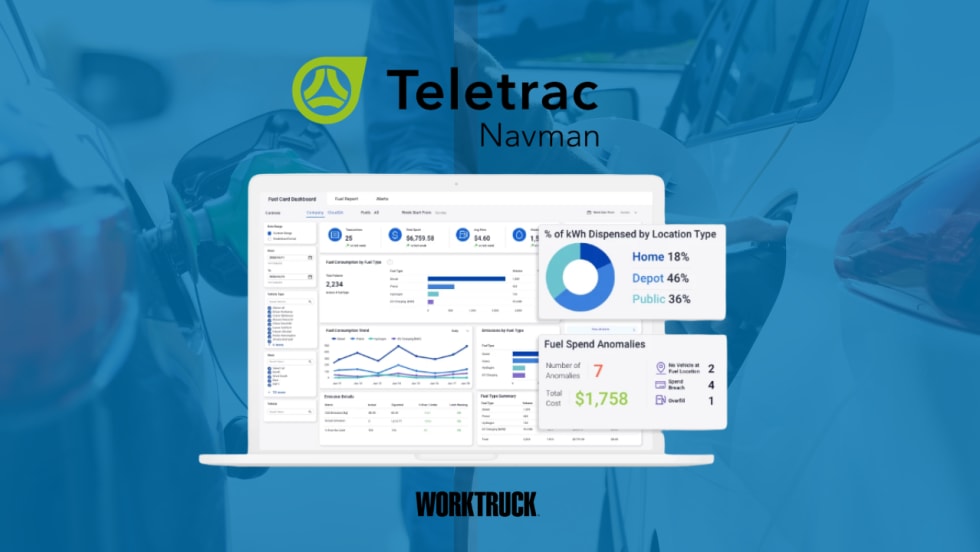
Teletrac Navman Adds Mixed-Energy Fleet Tools to TN360
The new Energy Hub combines fuel transactions, EV charging data, vehicle range, and energy costs in one dashboard for fleets operating multiple vehicle and energy types.
Read More →
WEX DriverDash adds CITGO, Expands Nationwide Access for Fleets
The DriverDash mobile payment app, by WEX, has been integrated into the CITGO merchant network, which means WEX has expanded its U.S. station footprint with the addition of approximately 4,000 CITGO locations.
Read More →
Mixed Energy Fleet Tips for Balancing EVs, Gas and Diesel Vehicles
Mixed energy fleets are becoming the new normal. Learn how fleet managers are balancing EVs, gas and diesel vehicles while controlling costs and planning for the future.
Read More →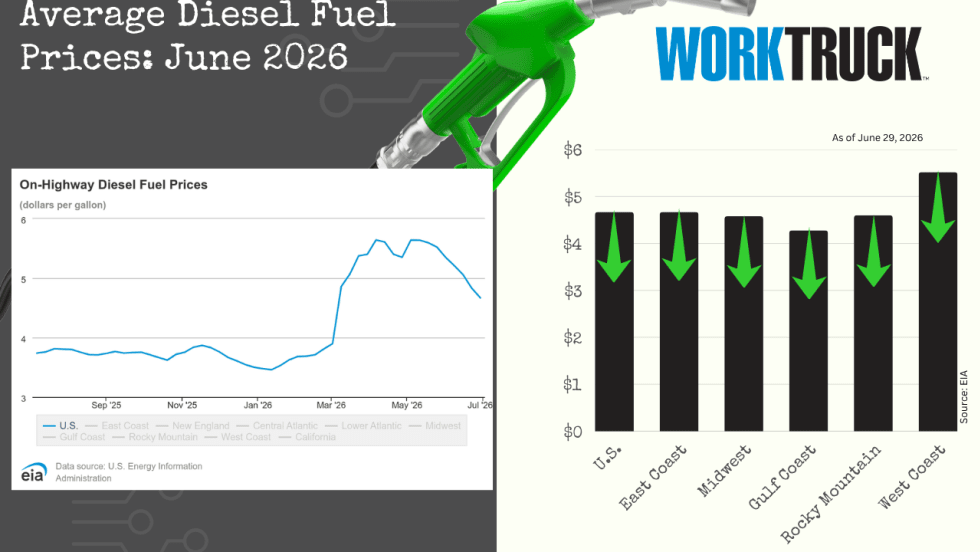
June Diesel Trends Update
The national average price of a gallon of diesel has dropped again, this week by more than 16 cents. All five regions reported lower average prices, ranging from almost 13 cents to more than 28 cents cheaper than a week ago.
Read More →
RoadFlex Launches RoadFlex Direct Open API Platform
RoadFlex Direct connects fuel cards, controls, and data to the telematics and fleet management systems fleets already run, from Geotab and Samsara to Fleetio and RTA, with no separate dashboard or double data entry.
Read More →
The Key to Fuel Efficiency Sits in the Cab
Learn how driver behavior, telematics, coaching, and fuel data can help fleets improve fuel efficiency, lower costs, and reduce emissions.
Read More →