




Staying Safe: What to Know About Natural Gas Before and After an Earthquake
Learn how to stay safe around natural gas before and after an earthquake with tips from SoCalGas on prep, shut-off, and post-quake precautions.
May 1, 2025

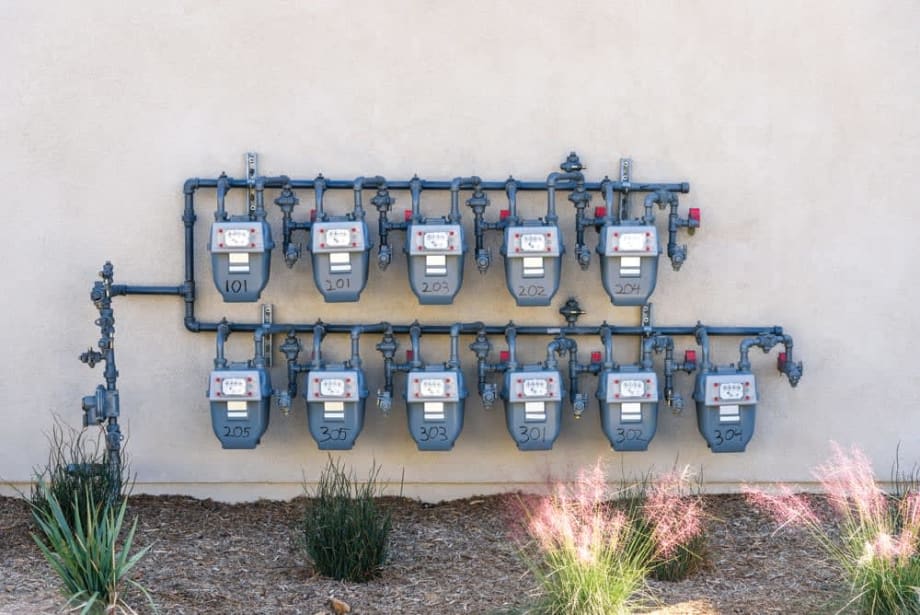
Learn key natural gas safety tips before and after an earthquake, including how to shut off gas, identify leaks, and avoid sparks.
Photo Credit: GettyImages/AlbertPego
2 min to read
Earthquakes don’t give us a heads-up; they strike fast and without warning. That’s why preparation is key, especially regarding natural gas safety.
Whether you’re managing a fleet facility or a small business, a few proactive steps can go a long way in keeping your team safe when the ground starts to shake. SoCalGas shares some advice that will help.
BE PREPARED BEFORE THE QUAKE HITS
- Know Your Gas Meter Location: Find out exactly where your gas meter is located. Store a 12-inch (or larger) adjustable wrench nearby, preferably close to the building exit or right next to the gas shut-off valve. Just don’t attach the wrench directly to the meter.
- Make a Safety Checklist: Include gas shut-off tools in your emergency kit. Check that smoke and carbon monoxide detectors are in working order and stocked with fresh batteries.
- Walk Through a Safety Drill: Make sure everyone in your household or facility knows how to drop, cover, and hold on. Practice safety steps now so they come naturally in an emergency.
AFTER THE SHAKING STOPS
- Don’t Rush to Turn Off the Gas: Only shut off your natural gas if you smell gas, hear it hissing, or see clear signs of a leak — and only if it’s safe to do so. Shutting off the gas unnecessarily can lead to longer wait times to restore service.
- If You Turn it Off, Leave it Off: Never turn your gas back on yourself. Interior lines and appliances need to be inspected first. SoCalGas or your utility provider must handle the gas restoration to the meter.
- Avoid Anything That Sparks: Until you’re absolutely sure there’s no leak, don’t light matches, flip switches, or use any electronics that could cause a spark.
- Call the Right Help: If there’s an issue, contact your gas utility. They’ll relight pilot lights and inspect appliances, but keep in mind, some repairs might need to be handled by your plumber or heating technician.
When disaster strikes, the first step to staying safe is being ready for it.
Subscribe to Our Newsletter
More Disaster Response

When Disaster Response Goes Mobile
Drones and robotic systems can give emergency teams a view of a disaster before crews ever reach the scene. But the real challenge is keeping those machines, vehicles, operators, and command centers connected when traditional infrastructure may already be compromised.
Read More →
Experts Forecast Broader Impact of Wildfires in 2026
This year’s wildfire season will likely be more intense than in 2025. The 2026 wildfire forecast from AccuWeather is for fewer fires, but even more acreage will be impacted this year.
Read More →
Farmers Insurance Backs Red Cross Disaster Response Efforts With $250,000 Commitment
Farmers Insurance joined the Red Cross Disaster Responder Program to help support emergency response and recovery during disasters nationwide.
Read More →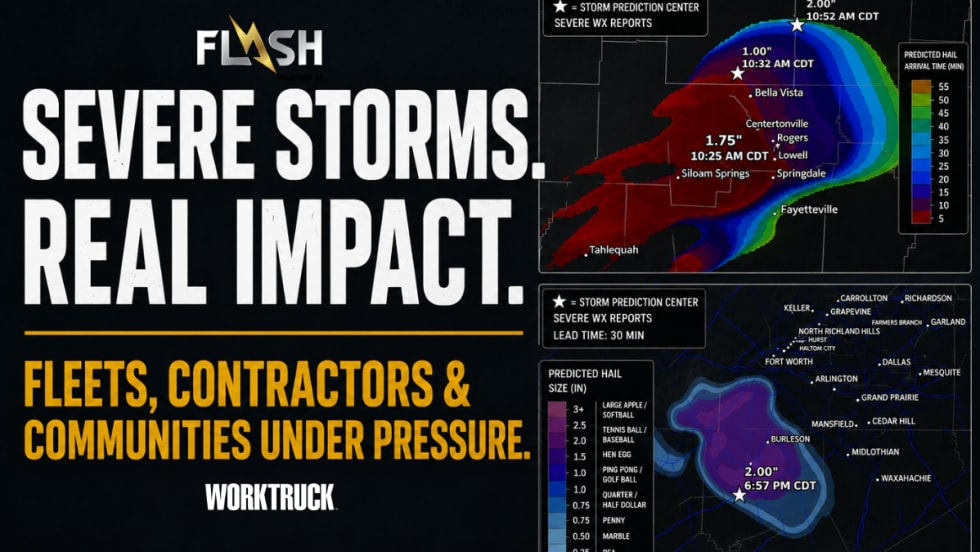
Severe Storms Are Reshaping Recovery Operations for Contractors and Work Truck Fleets
Hailstorms are creating costly new challenges for work truck fleets, from damaged onboard tech to longer recovery timelines and tactical storm planning.
Read More →
After the Storm Clears: Why Cargo Risk Spikes During Disaster Recovery
When the storm ends, cargo theft risk can spike. Here’s why the restart phase is the danger zone and what fleets can do to stay ahead.
Read More →
Your Suppliers Are Part of Your Disaster Plan
Your suppliers can make or break disaster response. Here’s how fleets can reduce vendor risk and keep critical parts flowing when storms hit.
Read More →
When the Process Breaks (Why Fleet Workflows Collapse During Disaster Response)
When disaster hits, fleet workflows don’t collapse all at once. They unravel quietly. Here’s where breakdowns start and how to build resilience before it’s too late.
Read More →
How Federal Disaster Declarations Work and Why Fleet Leaders Need to Know
How federal disaster declarations work and why fleet leaders should care about funding, reimbursements, infrastructure repairs, and recovery timelines.
Read More →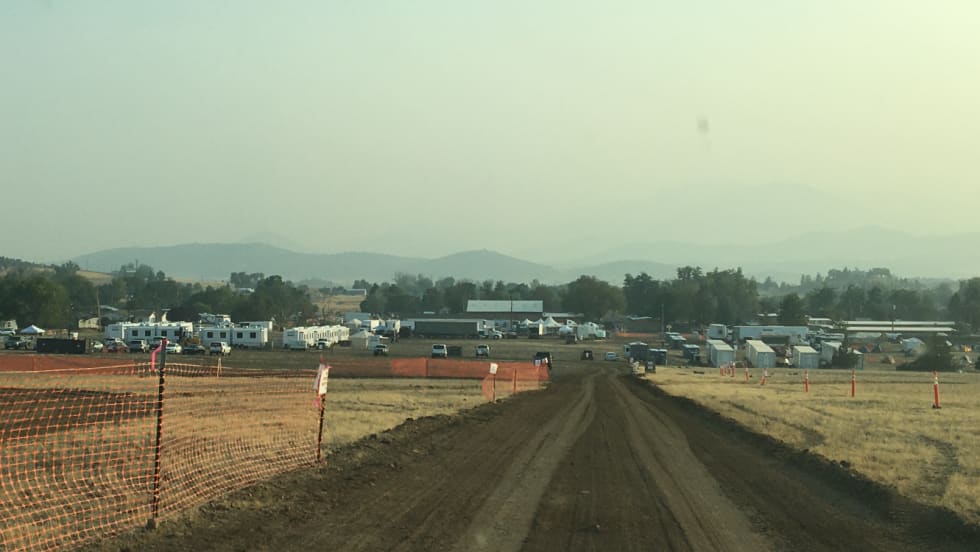
Disaster Readiness Is Not a Fleet Count, It’s a Stress Test of the Whole System
Fleet readiness isn’t about your vehicle count. It’s about condition, capacity, and whether your system can actually perform under stress.
Read More →
Disaster-Proofing Fleet Operations: How to Maintain Uptime When Conditions Are Anything but Normal
When disaster strikes, fleet uptime depends on prep, mobile maintenance, clear visibility, and disciplined execution before, during, and after the event.
Read More →