




Dig Deeper: Navigating an Uncertain Market: The Rising Costs of Commercial Fleet Insurance
Slowing Down the Surge in Insurance Costs & Navigating an Unpredictable Market
Rising rates? Discover how you can keep your commercial fleet insurance rates stable and your business thriving by implementing enhanced safety measures and the latest technology.
by Bill Passarotti
April 22, 2024
Having the appropriate technology and team by your side is essential in an environment marked by complexity and high costs.
Photo: Work Truck
5 min to read
Commercial fleet insurance continues to surge, with rates expected to climb between five and 15% within the first quarter of 2024, according to data from HUB International’sU.S. Market Rate report. Amidst escalating inflation, economic unpredictability, and a volatile insurance market, numerous fleet operators may encounter steep insurance renewals this year.
Top-tier fleet operators, on the other hand, have reason for optimism. Those embracing technology and new ways to integrate that technology — like telematics — into their risk management strategy boast robust safety protocols and programs and favorable loss records.
Conversely, carriers plagued by frequent accidents and subpar driving metrics should brace for the higher end of the rate hikes alongside increased deductibles.
The operational costs of running a fleet have hit historic highs in recent years, propelled in part by soaring fuel and procurement expenses, escalating collision and maintenance repair costs, and disruptions in the supply chain.
Although pandemic-induced manufacturing shutdowns occurred more than two years ago, the repercussions are still being felt. The scarcity of auto parts has increased prices, and auto body shops now spend an average of 30 days longer to source parts made from costly commodities compared to pre-pandemic times.
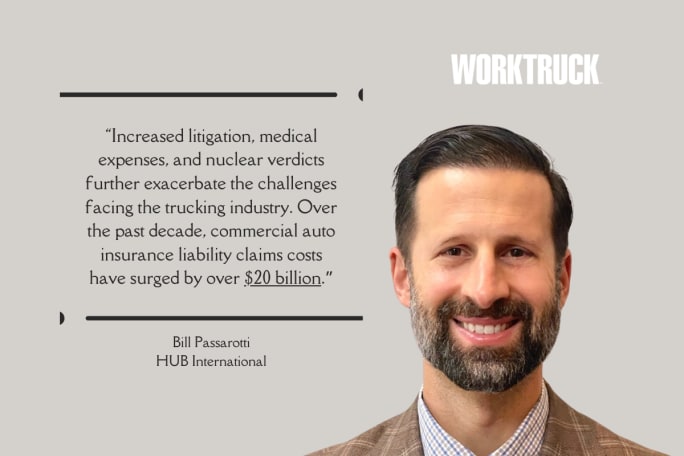
Increased litigation, medical expenses, and nuclear verdicts further exacerbate the trucking industry's challenges. Over the past decade, commercial auto insurance liability claims costs have surged by over $20 billion.
The convergence of these factors has made the recovery of the commercial auto insurance sector difficult. Given the tough market conditions, some carriers have exited the space altogether. The remaining insurers have intensified their scrutiny of policyholders, adopting a more discerning approach. Strong risk management supported by the latest technology and an overlay of traditional insurance may be the best formula for success.
Strong risk management supported by the latest technology and an overlay of traditional insurance may be the best formula for success.
Photo: Work Truck | Hub International
Five Ways to Enhance Work Truck Fleet Safety Measures Today
Enhancing safety measures and prioritizing the well-being of your team can lead to more stable insurance rates. Here are five ways to do just that:
Provide continuous education and training. Even the most experienced drivers can fall into bad habits, making regular training and education essential. Integrate risk management technology into your platform to send drivers notifications, emails, or videos at least once a month to keep them up to date on training. These materials can showcase the best safety practices, illustrate how accidents could have been avoided, or review mandatory fleet inspection checklists. The more frequent the training, the better the retention and improvement among drivers. Recognize and praise drivers who embody the safety culture, perhaps by offering small awards or tokens to inspire others to follow suit.
Embrace technology. Consider integrating GPS, automatic emergency braking, and telematics data into your safety program. This information can help identify performance issues, provide real-time monitoring of driver locations, improve communication, help determine the cause of accidents, and improve compliance with pre-trip inspection policies. In addition, road-facing cameras clear drivers of fault in 63% of incidents, whereas driver-facing cameras absolve them from blame in almost half of accidents This highlights technology’s crucial role in bolstering safety and can help reduce legal costs. Technology can also streamline claims and hiring processes, facilitate onboarding of new drivers, track CDL violations, ensure regulatory compliance, and connect drivers to essential training and education resources to maintain roadworthiness.
Regularly evaluate your drivers. Maintaining an effective disciplinary program while monitoring compliance, safety, and accountability (CSA) scores is crucial. Harness the power of new safety technology, like AI, doing innovative safety things. Drivers who consistently violate safety protocols should undergo significant retraining or face dismissal to safeguard overall safety ratings and prevent premium increases. Underwriters prefer insuring best-in-class risks, so take pride in your record and document all facets of your safety program and how its implementation has reduced overall accident frequency and severity.
Maintain rigorous hiring standards and foster mentorship. In a competitive job market, not compromising on hiring policies is vital. Thoroughly scrutinize all driver candidates' motor vehicle records and pre-employment screening program reports and ensure that new hires pass a pre-hire road test. Consider assigning recruits to experienced driver mentors who can guide them through your company’s policies and procedures. These seasoned drivers can also emphasize the importance of your safety culture and foster camaraderie between new and established drivers.
Encourage drivers to commit for the long term. Elevated turnover rates may signify safety issues within a fleet and raise red flags for insurers. Fleet enterprises fostering a robust organizational culture centered on employee safety and welfare through benefits cultivate a sense of belonging among drivers, increasing the likelihood of retention.
Having the appropriate technology and team by your side is essential in an environment marked by complexity and high costs. This includes selecting the right broker to aid in purchasing coverage and continually mitigating risks over time.
Given the challenges posed by the commercial auto insurance landscape and the ever-evolving transportation technology, it’s crucial to be able to navigate the market's intricacies, identify potential exposures, and secure the necessary coverage with an expert partner.
About the Author: Bill Passarotti is senior vice president of HUB International, a global insurance brokerage. With 24 years of experience in the insurance industry, Bill is an experienced sales leader specializing in a wide range of transportation verticals, most notably car and truck dealerships, transportation asset-heavy, and last-mile delivery providers. This article was authored and edited according to WT editorial standards and style. Opinions expressed may not reflect that of WT.
Subscribe to Our Newsletter
More Safety & Compliance
When Work Trucks Under 26,001 Pounds Need IRP Registration
Think trucks under 26,001 pounds are automatically in the clear when it comes to IRP? Not always. Learn where lighter vehicles can still run into trip permit, apportioned registration, and IFTA compliance requirements when crossing state or provincial lines.
Read More →
Volvo Trucks Releases New Safety Recommendations for Traveling with Pets
One of the most important recommendations for professional drivers traveling with pets is to ensure pets are properly restrained while the truck is moving. Other tips are available in the new guide from Volvo Trucks North America and Center for Pet Safety.
Read More →
API Issues Refueling Safety Guidelines
The American Petroleum Institute offers a list of safe vehicle refueling guidelines, including ways to avoid potential problems with static electricity discharges in fall, winter, and early spring.
Read More →


Winter Fleet Prep: Expert Tips to Keep Vehicles Running Smoothly
Cold weather can expose weak batteries, tires, fuel systems, and maintenance gaps fast. Use this winter fleet checklist to prepare trucks and drivers before temperatures drop.
Read More →
When a Work Truck Breaks Down, the Job Can Stop, Too
A work truck breakdown can stop more than the vehicle. Discover how payloads, jobsites, and specialty equipment change the roadside response.
Read More →
What Stronger Long-Term Fleet Service Partnerships Actually Require
Fleet service partnerships rarely fall apart all at once. Learn the three warning signs that trust is eroding and what fleets and providers can do before downtime, frustration, and lost revenue follow.
Read More →
Applause & TRUCE Software Partner to Improve Driver Safety Through AI-Powered Telematics & Employee Performance Management
Applause has integrated TRUCE driving metrics directly into its employee-first performance and safety platform that transforms mobile devices into AI-powered telematics.
Read More →
How Detroit Assurance with Active Brake Assist Works
Do you want to see what it is like to experience Detroit Assurance’s Active Brake Assist? In this video, Work Truck will put you in the cab to see how it all works and then hear more details from DTNA’s Mike Young.
Read More →
Get Left of Loss: A 5-Step Workplace Violence Prevention Framework for Fleet Operators
Violence risks do not stop at the driver’s door. Learn five practical steps fleets can take to spot threats early and protect workers before loss occurs.
Read More →
Sponsored•July 17, 2026
How Better Visibility Cut Speeding Violations by 48%
Fleet leaders don't need more data, they need clearer visibility into what the data is saying. This case study explores how one utility replaced speeding-event counts with a single metric — miles driven in violation — to strengthen safety and significantly reduce speeding violations.
Read More →