




Outsourcing to Reduce Truck Fleet Accident Costs
Reduced downtime, priority service, increased visibility of accident costs and trends, and additional benefits can be realized by outsourcing some administrative services.
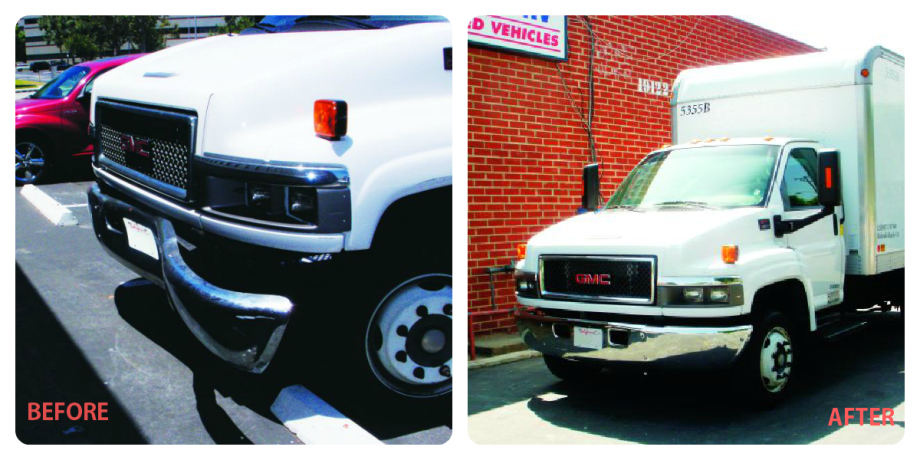
A simple fender bender can be a time-consuming and costly event. The CEI Group saved the client approximately 30 percent through use of an aftermarket bumper for the repair.
Photo: CEI
Over the past 10 years, truck fleets have made great strides in preventing accidents and improving their safety records. But, fleets that rely entirely on their internal resources to deal with the aftermath of accidents still may be missing key opportunities to drive costs down by as much as tens of millions of dollars per year for the industry as a whole.
The main reason is a lack of manpower. No matter the fleet's size, handling accidents is often a part-time job, just one of many tasks the fleet management department has to deal with to keep the fleet running efficiently. This precludes time-pressed fleet managers from closely managing the timeliness and cost-effectiveness of repairs or researching cost-saving alternatives. A lack of expertise in the effective recovery of damages from at-fault third-party drivers also leads to millions of dollars left on the table.
But, in addition to those reasons, there is another: scale. Only the largest fleets can achieve the scale that a nationwide third-party accident management company can. The range, scope, and volume that the best and largest outsourcing companies achieve create the following advantages:
1. A managed, nationwide network of high-quality repair shops.
When accidents occur far from collision repair shops fleet managers know and trust that they are faced with a dilemma. Either they take their chances with a shop near the accident scene, or they incur high costs to tow the vehicle to a trusted shop.
On the other hand, the best accident management firms offer a coast-to-coast network of carefully screened truck collision repair centers, so drivers are never very far away from a high-quality shop. This keeps towing costs down while assuring the quality of the repair.
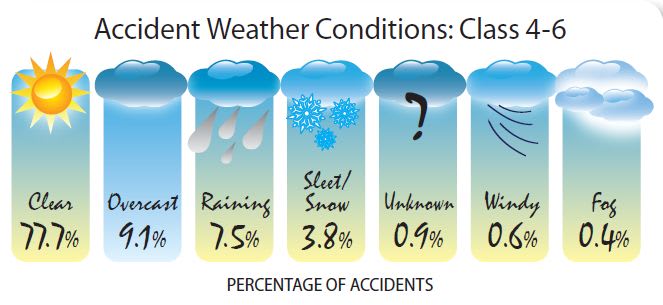
The majority of accidents for Class 4-6 trucks occurred on clear days (77.7 percent) followed, after a steep drop off, by overcast days (9.1 percent).
Photo: Work Truck
2. Priority service for reduced downtime.
Accident management companies are known entities to their network providers, who count on them for repeat business. These companies also have a large trained and experienced staff whose only job is to monitor and expedite repairs and reduce cycle time and associated expenses. These include those for storage and replacement rental vehicles.
3. Audited repair estimates for the most cost-efficient repairs.
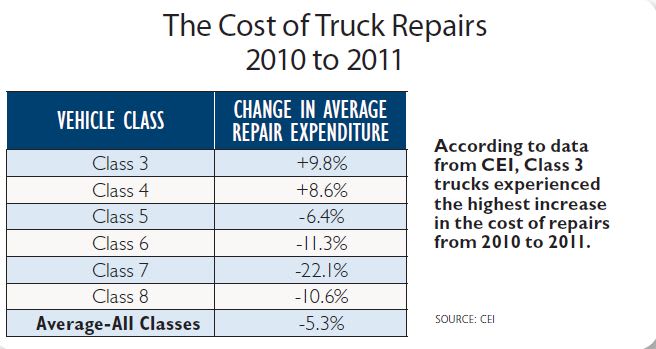
Look for a provider with a staff of licensed physical damage appraisers who audit every repair estimate. They can achieve average savings of up to 10% or more through such means as repairing instead of replacing damaged parts, using certified aftermarket or used parts were practical instead of OEM parts, confirming repairs that don’t affect the safe operation of the vehicle and can be avoided, and finding ways to reduce labor charges.
Source: CEI
4. Higher rates of recovery from at-fault, third-party drivers.
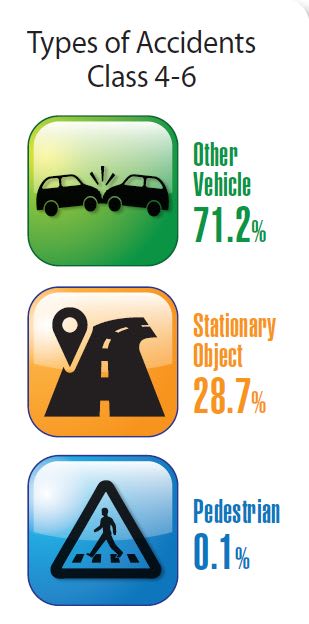
Accident types for Class 4-6 trucks are led by collision with another vehicle (72.2 percent).
Photo: Work Truck
This is an area where many trucking firms admit they need to do a better job but are limited by time and expertise. But, of all the potential benefits of accident management outsourcing, this is the one with the greatest potential reward, especially since many don’t charge for their services unless or until they collect.
The best accident management companies employ a staff that specializes in subrogation — the recovery of the cost of damages to fleet vehicles by at-fault third-party drivers. Look for companies with a history of launching recovery claims for more than 25 percent of the claims they handle and a recovery rate of more than 90 percent of the dollars they target in less than 60 days.
5. Greater visibility of accident costs and trends.
Accident management companies routinely provide a variety of standard and customized online statistical reports that improve fleet managers’ visibility of accident trends and expenses. This makes it easier to diagnose underlying causes and problems and to develop strategies and tactics for containing future costs.
6. Leveraging fleet management department resources for improved efficiency.
Accidents are highly disruptive to fleet operations, and managing them is just one of many jobs that fleet management departments are tasked with. Outsourcing is a way to off-load the administrative burden, so personnel is free to do other tasks and achieve greater control and efficiency in the accident management process itself.
Today, a growing number of truck fleets outsource their accident management activities because it has proven to deliver value-added benefits to sedan and mixed vehicle fleets for nearly 30 years. It has such huge potential that every truck fleet should evaluate it as a possible alternative to handling their accident response activities entirely on their own.
Want to learn even more about accident management and reduction? Check out this updated article from 2021!
More Safety & Compliance
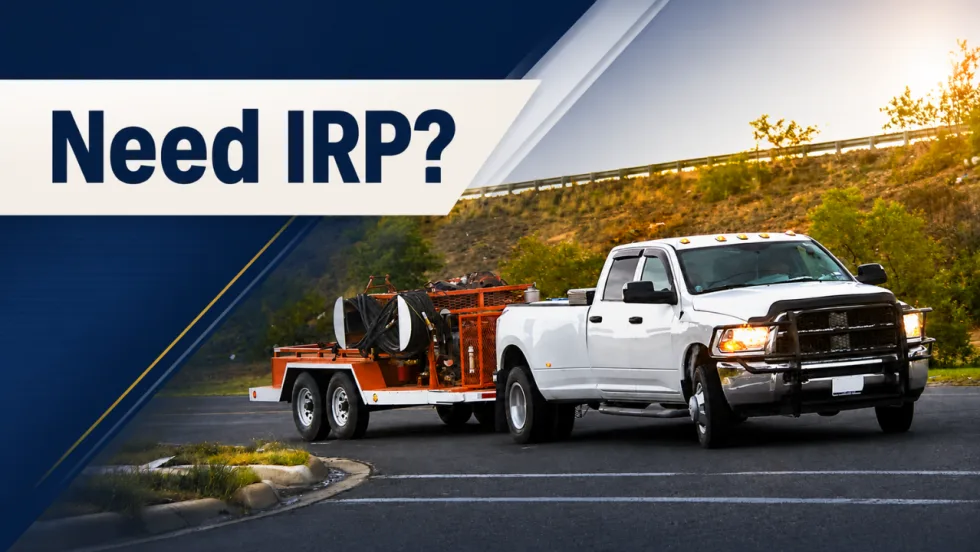
When Work Trucks Under 26,001 Pounds Need IRP Registration
Think trucks under 26,001 pounds are automatically in the clear when it comes to IRP? Not always. Learn where lighter vehicles can still run into trip permit, apportioned registration, and IFTA compliance requirements when crossing state or provincial lines.
Read More →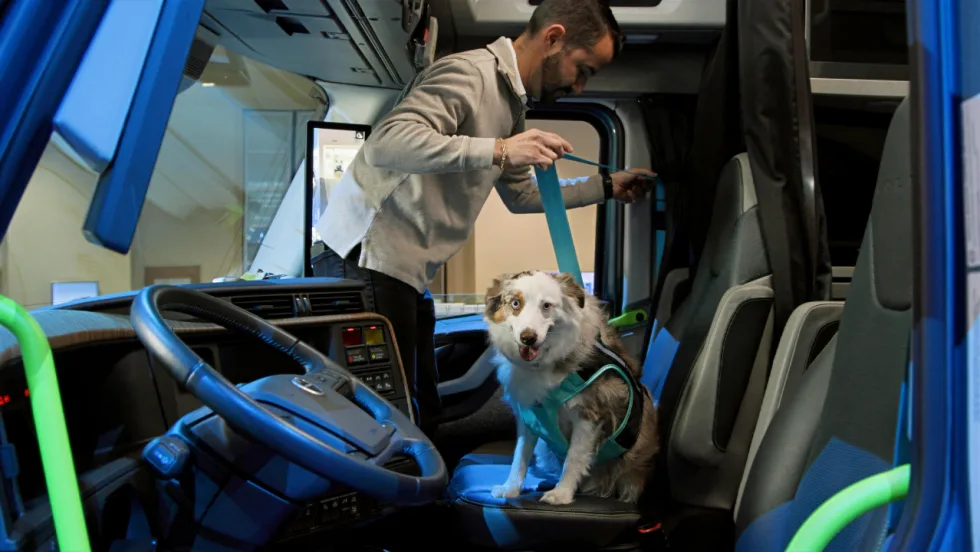
Volvo Trucks Releases New Safety Recommendations for Traveling with Pets
One of the most important recommendations for professional drivers traveling with pets is to ensure pets are properly restrained while the truck is moving. Other tips are available in the new guide from Volvo Trucks North America and Center for Pet Safety.
Read More →
API Issues Refueling Safety Guidelines
The American Petroleum Institute offers a list of safe vehicle refueling guidelines, including ways to avoid potential problems with static electricity discharges in fall, winter, and early spring.
Read More →


Winter Fleet Prep: Expert Tips to Keep Vehicles Running Smoothly
Cold weather can expose weak batteries, tires, fuel systems, and maintenance gaps fast. Use this winter fleet checklist to prepare trucks and drivers before temperatures drop.
Read More →
When a Work Truck Breaks Down, the Job Can Stop, Too
A work truck breakdown can stop more than the vehicle. Discover how payloads, jobsites, and specialty equipment change the roadside response.
Read More →
What Stronger Long-Term Fleet Service Partnerships Actually Require
Fleet service partnerships rarely fall apart all at once. Learn the three warning signs that trust is eroding and what fleets and providers can do before downtime, frustration, and lost revenue follow.
Read More →
Applause & TRUCE Software Partner to Improve Driver Safety Through AI-Powered Telematics & Employee Performance Management
Applause has integrated TRUCE driving metrics directly into its employee-first performance and safety platform that transforms mobile devices into AI-powered telematics.
Read More →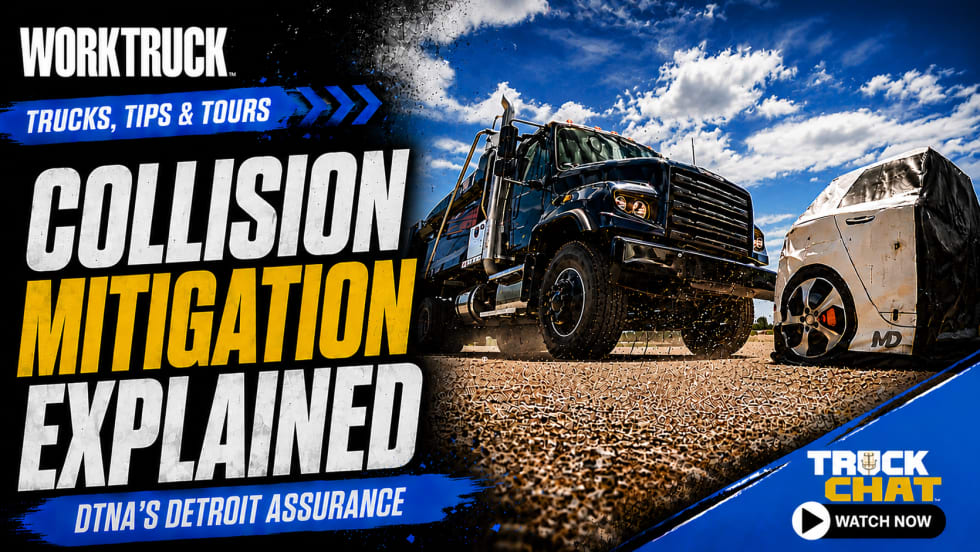
How Detroit Assurance with Active Brake Assist Works
Do you want to see what it is like to experience Detroit Assurance’s Active Brake Assist? In this video, Work Truck will put you in the cab to see how it all works and then hear more details from DTNA’s Mike Young.
Read More →
Get Left of Loss: A 5-Step Workplace Violence Prevention Framework for Fleet Operators
Violence risks do not stop at the driver’s door. Learn five practical steps fleets can take to spot threats early and protect workers before loss occurs.
Read More →
How Better Visibility Cut Speeding Violations by 48%
Fleet leaders don't need more data, they need clearer visibility into what the data is saying. This case study explores how one utility replaced speeding-event counts with a single metric — miles driven in violation — to strengthen safety and significantly reduce speeding violations.
Read More →