




Improving Driver Retention Practices During a Pandemic
The best practices, improvements, and lessons learned from the pandemic emphasize the focus fleet companies place on driver retention.

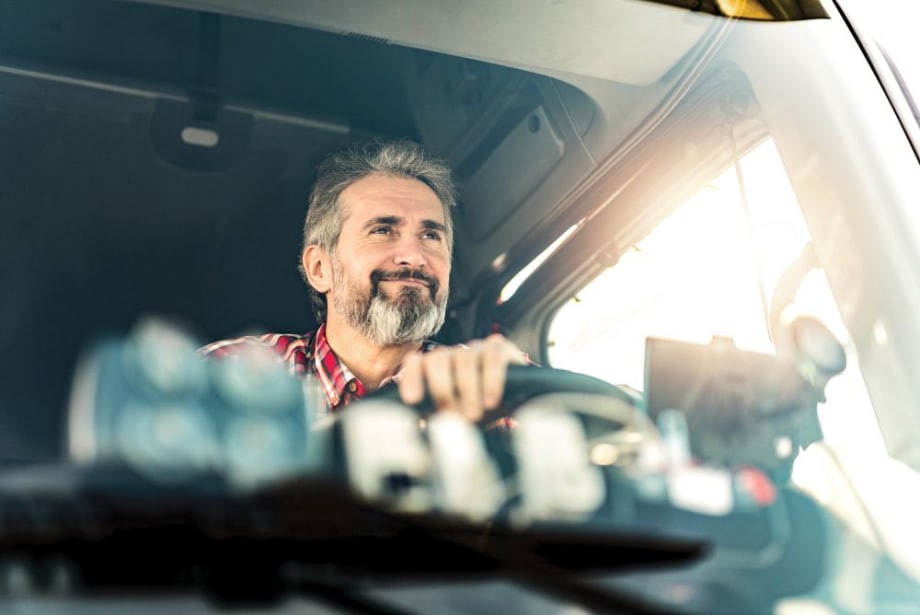
Fleet companies discuss how technology, culture, and feedback play a role into improving driver retention.
Photo: Gettyimages.com/DJELICS
The COVID-19 pandemic caused fleet companies to look in the mirror when it comes to driver retention.
Omnitracs, TrackFive, and Zonar discussed how they retained drivers in a time that provided several obstacles.
According to the American Trucking Associations (ATA), the annual average driver turnover rate for smaller truckload fleets was 69% in 2020, which is down from 72% in the previous year. In the National Private Truck Council’s annual benchmarking survey, respondents reported turnover falling to 15.8%, nearly three full percentage points down from 2019’s 18.5% turnover rate.
These best practices, improvements, and lessons learned from the pandemic emphasize the focus fleet companies place on driver retention.
What are the Best Practices?
Cyndi Brandt, VP of sales enablement & product marketing at Omnitracs, highlights the impact of technology on driver retention.
“Drivers have moved past the need for an ELD and adding that tech to the cab now has escalated the desire for more,” Brandt said. “Most companies today are also asking drivers to do more at each customer stop they make; however, we cannot expect drivers to remember and manage five to 10 specific tasks per stop/shipper and be accurate. Drivers want to do the job right the first time and use technology that guides them to remain detailed.”
Omnitracs offers secure solutions to maximize safety and efficiency for the transportation and logistics industry.
“As the world continues to change and more distractions are prevalent on the road, professional drivers want to know the companies they drive for will stand by them,” Brandt said. “80% of accidents are caused by passenger vehicles, yet professional drivers are often ‘blamed’ — warranted or not.”
Oliver Feakins, president at TrackFive, emphasizes culture for TrackFive’s driver retention.
“A focus on company culture is huge and often overlooked by most trucking companies who believe financial rewards are all the drivers care about,” Feakins said. “Creating a thriving internal culture and being able to tell that story in your online recruiting not only helps you hire drivers but keep them as well.”
TrackFive was founded in 2007, and provides platforms to connect employers with talent.
Meanwhile, Fred Fakkema, VP of compliance at Zonar, said vehicle maintenance is another practice to keep in mind.
“Drivers want to operate vehicles that are in top running condition and take pride in their day‐to‐day duties,” Fakkema said. “While not every fleet can afford to have the latest truck makes and models stocked at all times, they can have their drivers be a critical part of ensuring the vehicles they drive are reliable and safe to operate. When drivers buy in on vehicle maintenance, they get a further sense of pride for the fleet they work for.”
Zonar provides complete technology solutions for smart fleet management.
Improvements Over the Years
Technology has played a larger role in driver retention over the years, and Brandt recognizes how to adjust to this development.
“These devices can now do more than ever and have come a long way from the original Java-based phones and terminals that had very basic functionality,” Brandt said. “B2C interactions push B2B interactions. As all of us become more familiar with the capabilities of mobile devices, it pushes us to examine how we can use them in the business world. This has pushed workflow applications to the forefront as well as convenience apps.”
One way to improve driver retention is gathering feedback, according to Feakins.
“Those companies that are taking culture and retention seriously have implemented a series of feedback loops to help gain insight into their progress,” Feakins said. “On top of tracking retention rates, they are also using surveys, digital tools, driver recognition platforms, and other means to keep their drivers committed.”
Reward programs can be used to improve driver retention, too.
“In recent years, more fleets engage drivers through high performer reward programs,” Fakkema said. “While a traditional, reactive approach to managing driver performance puts underperforming drivers in the spotlight, implementing a fleet gamification program sets you up to recognize and reward top performers. Not everyone responds to the same motivation, but everyone wants to be rewarded for a job well done.”

Learning from the COVID-19 pandemic will be an ongoing process for fleet companies.
Photo: Randy Tarampi/Unsplash
COVID-19 Challenges
The COVID-19 pandemic presented challenges for driver retention. Brandt said the companies that worked together were able to overcome the obstacles.
“Driver retention was highest among the companies that planned, adapted, and communicated,” Brandt said. “These are companies that took the time to add time to stops to prepare for putting on PPE and following safety protocols, in addition to proactively sharing information regarding the protocols of individual customers. The driver shortage also shrank to some degree during the pandemic, but we’ll likely see it increase again in the future.”
Meanwhile, the TrackFive job board saw a 100% increase in trucking companies looking to hire on the platform, according to Feakins. Drivers engaged with posts 300% more but applied 30% less on the job board.
“COVID-19 has been a game- changer for the trucking industry,” Feakins said. “Companies were laid off in droves during the pandemic, and towards the end of the year pent-up demand surged and trucking companies were left critically short-staffed and in a mad dash. We believe with all the opportunities available to drivers right now they are taking their time and being selective in what they take. It’s the ultimate window shopping.”
Post-Pandemic Driver Retention
Brandt said Omnitracs will continue to build professional-grade tools for professional drivers that companies can use to recruit and retain talent.
“We’ll continue to listen to our customers and their drivers to understand the biggest challenges they face and deploy solutions to solve those challenges,” Brandt said. “At Omnitracs, we’re committed to reducing the friction in the events that happen for drivers in both over-the-road and last-mile scenarios.”
It will continue to be a learning process for companies as they adjust to driver retention after the COVID-19 pandemic.
“I think trucking companies have learned not to be caught with their pants down,” Feakins said. “In the future, I think they will learn to keep a continual influx of candidates in the pipeline. Playing catch up can be difficult and extremely costly.”
More Operations
Work Truck Seeks Fleet and Industry Insights on 2026 Trends and 2027 Forecasts
Work Truck is seeking insights from fleet leaders and industry partners on the trends that shaped 2026 and what commercial fleets should prepare for in 2027. Participate today!
Read More →
30 Years in Fleet and Still Learning: Lessons Beyond Trucks
After more than three decades in fleet, Bob Adamsky has learned that knowing trucks is only part of the job. The bigger lessons come down to communication, understanding, and never assuming you know it all.
Read More →
What Every New Fleet Manager Should Know
Carolyn Edwards shares lessons on finding mentors, showing fleet’s value, and leading teams in this episode of Legends of Fleet.
Read More →From Our Partners
Basic Tracking vs Next Generation Fleet Technology
Sponsored by AT&T Business

5 Facts Every Fleet Manager Should Know About Embedded Telematics
Sponsored by Stellantis/Mobilisights

How AI Video Telematics Boosts Driver Safety and Helps to Avoid Unnecessary Costs
Sponsored by Verizon Connect

Charting the 8 Bottom-Line Benefits of Workforce Optimization
Sponsored by Verizon Connect


Les Schwab Tires Launches Foundation With $100,000 for Community Recovery
Les Schwab Tires launches a foundation with $100,000 to support recovery for Silver Rail Elementary and the Bend community following a school shooting.
Read More →
Bring Some Fleet to Your Halloween with Our Pumpkin Carving Templates
Download Work Truck’s truck-themed pumpkin patterns, explore more automotive designs, and give your shop or front porch a seasonal upgrade.
Read More →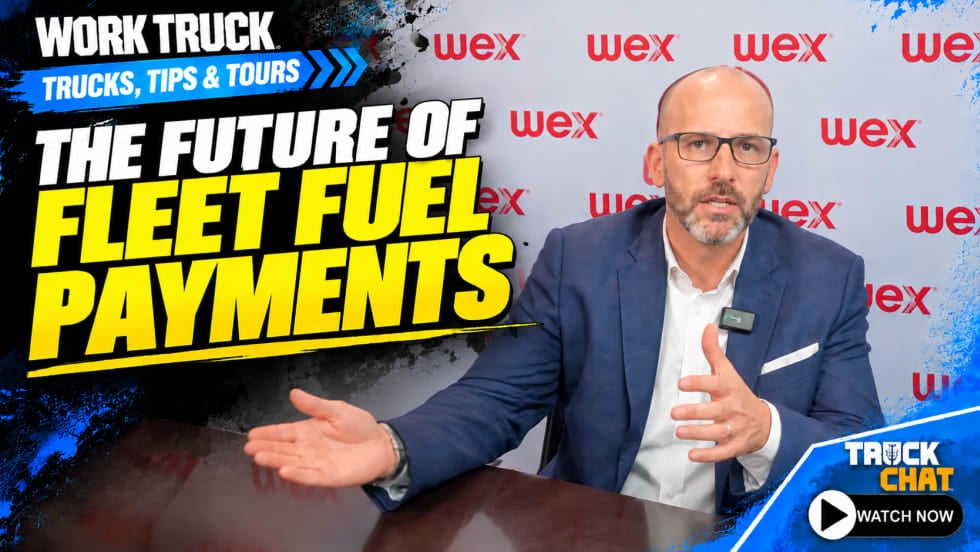
How Cardless Fuel Payments Benefit Commercial Fleets
Is it time for fleets to move beyond plastic fuel cards? David Abraham of WEX explains how cardless fuel payments can help reduce fraud, simplify driver transactions, and improve efficiency by allowing drivers to pay for fuel using their smartphones.
Read More →
Good Fleet Leadership Starts With the People You Already Have
From developing future leaders to listening to employees, discover how better leadership can help work truck fleets retain talent and build stronger teams.
Read More →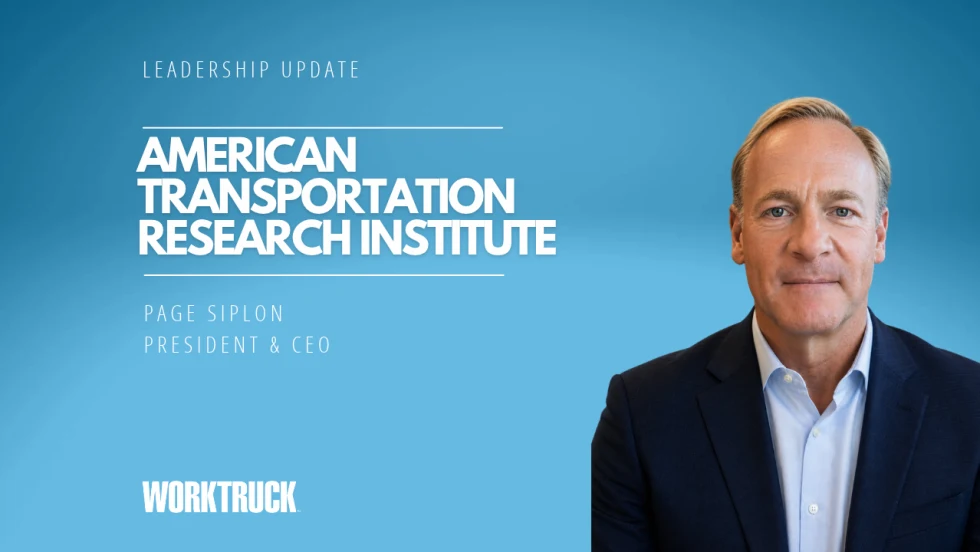
ATRI Names Next President and CEO
Page Siplon, a longtime transportation and logistics industry executive, has been chosen as the next president and CEO of the American Transportation Research Institute (ATRI).
Read More →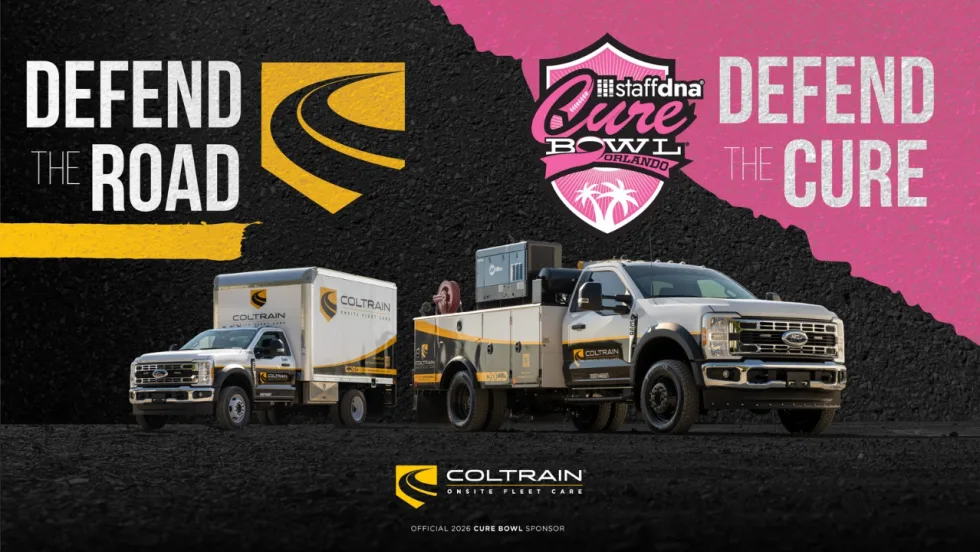
Coltrain Onsite Fleet Care Sponsors 2026 Cure Bowl to Support Cancer Research
The mobile fleet maintenance provider is supporting the annual college football bowl game, which has helped raise $6.83 million for cancer research since 2015.
Read More →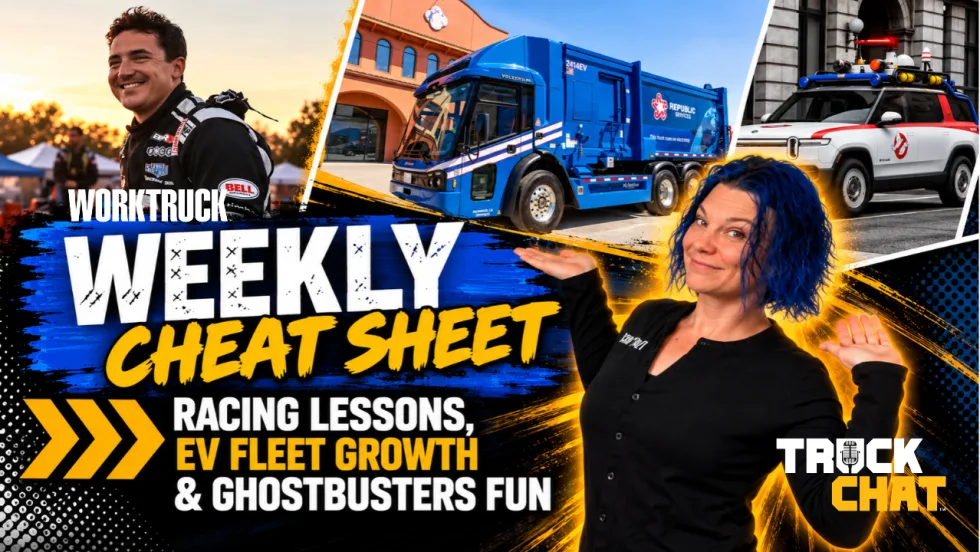
Racing Lessons, Electric Fleet Growth, and Ghostbusters Lead This Week's Work Truck News
Racing lessons for fleets, Republic Services' electric truck expansion, 40 years of fleet wisdom, truck trivia, autonomous yard trucks, and more headline this week's Truck Chat Cheat Sheet.
Read More →