




How to Use Telematics to Reduce Fuel Consumption
From quick wins to new strategies for long-term users, telematics has options for better fuel management.

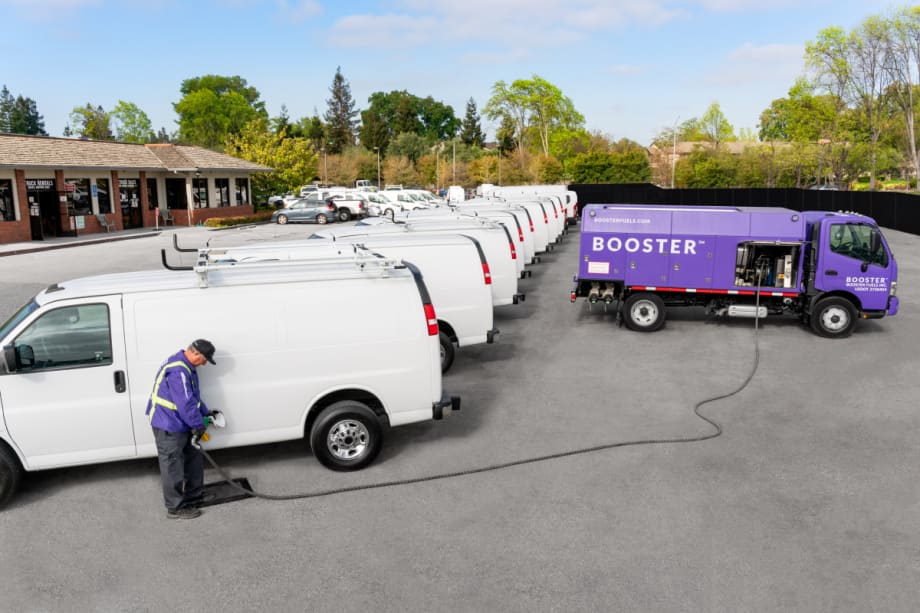
Booster knows that telematics can help fleets stay on top of vehicle health, which directly impacts overall fuel economy.
Photo: Booster
In today’s economy, no one wants to waste fuel. And yet, there are so many easy ways to do it.
When a heavy-duty truck idles for just one hour, it can waste up to a gallon of fuel. A truck that speeds will waste more fuel than one following posted limits. Inefficient routing and out-of-route stops increase miles and fuel consumption. Even minor maintenance issues like poorly inflated tires waste fuel. And those are just a few.
With so many fuel challenges eating up budget dollars, it can be frustrating — especially when the average price of fuel spikes to over five dollars per gallon. But in challenge lies opportunity — and those opportunities become greater with telematics on board.
Whether your fleet is new to telematics or is looking for new ways to use the technology, these strategies offer quick wins and long-term gains for fuel consumption:
Refocusing on Idling
Topping the list of fuel reduction strategies is idling reduction. When a vehicle idles, it gets the worst fuel economy: zero mph. That makes it a relatively easy target for fueling savings.
“One of the most common ways to use telematics is to monitor and manage the idling of your assets. No matter what kind of fleet you have, whether you require idling for some equipment operation or you don’t, there is always an opportunity there,” said Erin Gilchrist, VP of fleet evangelism at IntelliShift, a cloud-based fleet and safety management platform. “Being able to monitor idling means you can put policies in place around idling reduction and make some quick strides. I would say this is the easiest way to use telematics to reduce fuel consumption, but unless you use start/stop technology, you must get the driver to turn the vehicle off, so compliance is also important.”
One way telematics can help reduce idling is by sending fleet managers real-time alerts when a vehicle has been idling for a predetermined time, like 20 or 30 minutes. Depending on the software, alerts can be sent to fleet managers to follow up with coaching, or drivers can get alerts to turn off the truck.
Idling data can also be rolled up into reports that help fleets see how much fuel is wasted, then take steps to reduce idling.
“Current fuel costs per gallon can be incorporated into idling reports within fleet management software for insights into your total wasted fuel costs,” said Bill Westerman, vice president of product management for telematics provider CalAmp. “These reports can be scheduled to be sent to appropriate managers and sorted worst-to-first to identify drivers who need extra coaching.”
Understanding Vehicle Health
Staying on top of maintenance and overall vehicle health can be difficult but doing so is an investment in improved fuel economy. Telematics can help fleets (and, more importantly, drivers) keep up.
“A well-maintained, healthy vehicle — with clean fuel filters, the right levels of engine coolants and lubricant and aligned wheels — is ultimately more fuel efficient,” Westerman said. “Telematics data from a vehicle’s odometer can be used to alert fleet managers and drivers when scheduled maintenance is due.”
Take a simple maintenance item like tire inflation. According to the North American Council for Freight Efficiency (NACFE), a vehicle running with tires underinflated by just 10 psi can lead to a 0.5% to 1% increase in fuel consumption, making it easy to see how simply making sure all tires are properly inflated can improve fuel efficiency.
“As part of their telematics solution, fleet managers can install tire pressure monitoring systems (TPMS) to track tire pressure across their fleet in real-time,” Westerman explained. “If the PSI drops below recommended levels, the TPMS will notify the fleet manager and driver to take corrective action.”
Bobby Greene, senior director of fleet and equipment at Booster, a mobile fueling company, has seen firsthand how using telematics to ensure proper tire inflation pays off.
“Through analyzing telematics of our mobile energy delivery fleet, we at Booster discovered that low tire pressure was one factor contributing to unnecessary fuel consumption. Underinflated tires are common across all fleets and can lead to a 0.2% loss in fuel efficiency for each point of PSI under optimal tire pressure, adding up to a 1-2% loss on fuel efficiency per fleet vehicle on average,” he said. “To address the issue, we built a tire pressure management step into our operating process to ensure optimal tire pressure for each vehicle on each shift, boosting fuel efficiency.”
Telematics can also help fleets quickly remedy issues that can cause breakdowns.
“Combined with a predictive diagnostic software, telematics data supports preemptive alerts to vehicle issues before a potential breakdown can occur,” Westerman explained. “By preventing breakdowns, managers can avoid needing to send another vehicle to provide assistance or pick up the stranded driver, which only consumes more fuel.”
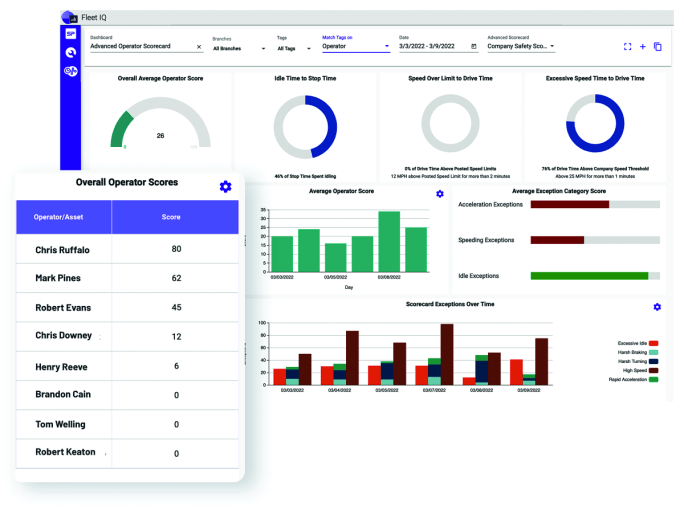
Reducing idling and knowing exactly what your truck fleet is up to is essential for reducing overall fuel consumption in a work truck fleet. Telematics data can help.
Photo: Intellishift
Fixing Routing Inefficiencies
Routing inefficiencies are another big fuel waster, as more miles driven directly correlates to more fuel used. The combination of telematics and routing software can be a highly effective way to reduce fuel consumption, as telematics can help fleets build the data needed to optimize routes.
“Pairing whatever routing software a fleet might be using along with telematics is a great way to reduce fuel consumption and miles driven,” Gilchrist said. “Naturally, being able to provide your drivers with the most optimal route on a day-to-day basis, so they’re not driving extra miles at any given point is important, especially in today’s environment with fuel costs.”
Put another way, Westerman said eliminating any mile that doesn’t need to be driven results in fuel savings.
“To use less fuel, best practice is to shorten daily routes as much as possible,” he said. “Location tracking data in your fleet management software can help, enabling the analysis of routes for opportunities to increase efficiencies. For instance, certain routes may encounter construction zones or certain times of the day that are prone to delays. Managers can consider these elements for better route planning, reducing the miles driven to save on fuel.”
Reducing Unauthorized Miles
Just as fleets can use telematics to identify unnecessary route miles, so too can the technology be used to reduce or eliminate unauthorized miles.
“When drivers are utilizing vehicles in an unauthorized manner, it means they’re driving before or after hours, driving off-route to visit their favorite service station, or going an hour out of their way to have lunch with their mom — whatever it is — any unplanned, off-route activities can be considered unauthorized use,” Gilchrist said. “That’s easy to identify with telematics. So being able to reduce unauthorized use is another big way to reduce fuel consumption.”
Digging into Fueling Behavior
In addition to helping fleets understand out-of-route or unauthorized miles, telematics data can also be used to influence fueling behavior.
“The fueling behavior of drivers is a common way to reduce consumption — where they’re going to get fuel and why,” Gilchrist said. “If I have a fuel station on the way to the office in the morning, that’s one thing. But some drivers will go out of their way to get fuel because they like the coffee or know the manager. Telematics can help fleet managers instruct drivers to fuel up along their route.”
Telematics can do even more when combined with a fueling app. For instance, if an operator is in a remote area and needs to fill up, the app can find the closest station and telematics can be used to route the driver there. This prevents the driver from going out of their way for a fuel stop, but it also helps them avoid getting stranded with an empty tank, requiring assistance that adds to the fuel for the trip.
Gilchrist recommended scheduling the fuel stop during a driver’s day to make fueling even more efficient.
“Think about it: The telematics device tells us when the vehicle needs fuel and how much fuel is in the tank. So, say a driver is leaving the house; they have a 120-mile route and six stops. We should know your tank is at 17%, and include a fuel stop, probably in the morning. We can also route that driver to the station with the price we want to pay. So we not only reduce consumption by including the fuel stop in the route, but it’s also a cost-control measure,” she said. “It just makes sense that we would schedule their fuel and maintenance stops.”
Knowing Driver Behavior
Telematics can also be used to encourage safe and fuel-efficient driving behaviors.
“Fleet managers can rely on telematics to learn more about driving behaviors, which directly correlate to fuel consumption,” Greene said. “For example, actions like hard braking, aggressive driving, hard accelerations, hard cornering, etc., all negatively impact fuel economy. The same goes for engine RPM overspeed — heavy-duty trucks with manual shift transmissions should be shifted to higher gears (i.e., optimal engine RPM) to achieve optimal fuel economy.”
Thinking back to her previous role as the manager of a fleet that drove nearly 180 million miles per year, Gilchrist recalled the impact driver behavior had on fuel consumption. In the first year of the driver behavior modification effort, about 80 percent of drivers made the changes as asked. This resulted in a 12% increase in mpg.
“Imagine what that can do for the overall fuel consumption for the fleet,” Gilchrist said. “If we can manage how drivers operate the asset, we can increase MPG, which reduces fuel consumption.”
Greene said fleets are wise to remember there are people behind the wheel, and they ultimately control a vehicle’s performance throughout the day.
“While having accurate data is key, keep in mind the human factor. People are still the key to positive change; telematics only provides the information,” he said. “Companies that consistently collect and monitor the data, then implement a positive coaching program will see the most success, particularly regarding safety and fuel performance.”
Using Data to Make a Case for Future Fuel-Saving Initiatives
Beyond taking actions directly related to current fuel consumption, Gilchrist said telematics data can also be used to drive future change.
“Another big win for telematics is that the technology provides rich data set that can help prove other initiatives,” she said. “We used telematics data to identify vehicles and regions and geographies in our fleet where it would make the most sense to try new technologies. We also influenced the organization to look into EV/hybrid tech for a subset of our fleet. We used that pilot to increase the speed of adoption then. It’s not just about what telematics can do; it’s what you can do with telematics data to prove ROI on other fuel consumption technologies.”
It's clear that telematics today are far more than just dots on a map. It's changing the cold chain, it's reducing fuel consumption, helping with maintenance and so much more. Dig deeper into the benefits of telematics beyond the basics today.
More Technology
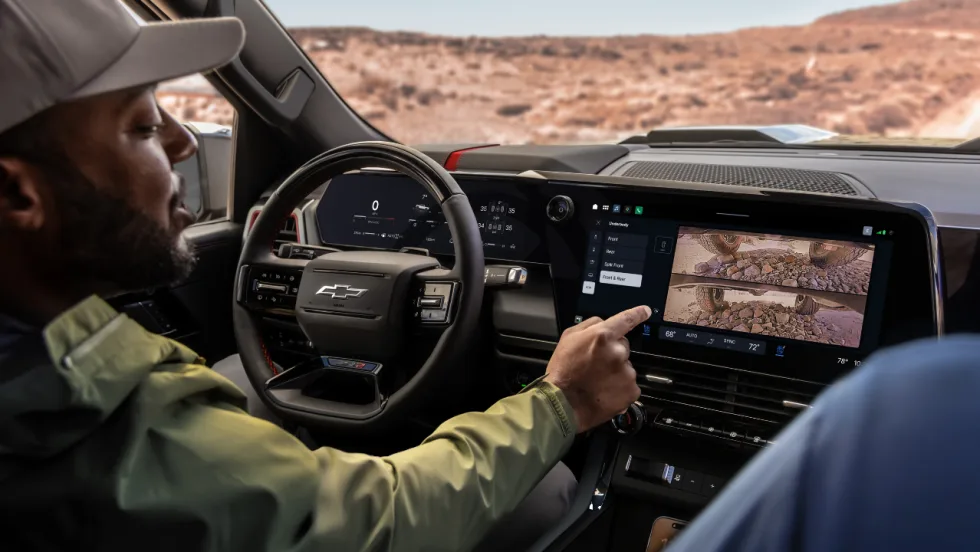
GM Brings New Truck Focused Interface to 2027 Silverado and Sierra
GM's new pickup interface puts trailering data, camera views, vehicle controls, and smartphone integration closer to the driver in the 2027 Silverado and Sierra.
Read More →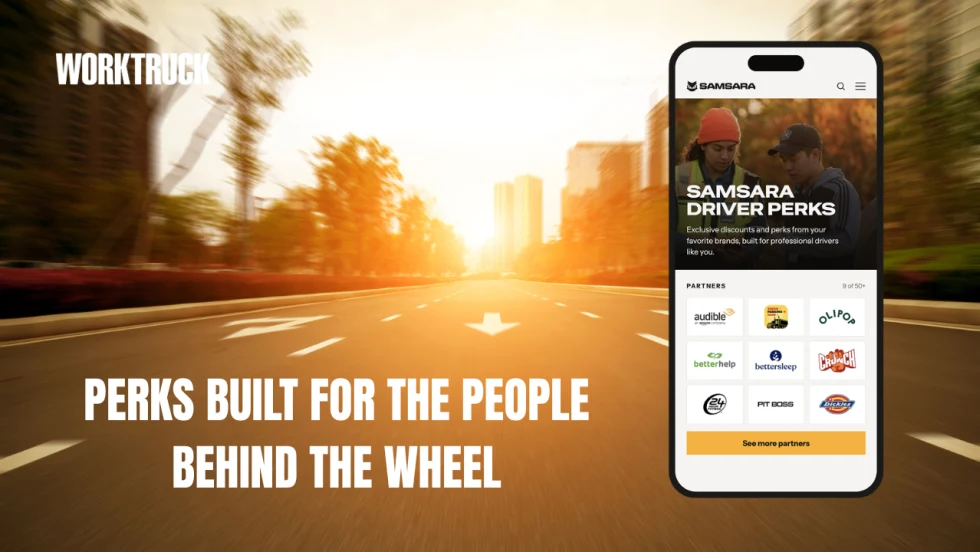
Samsara Driver Perks Expands Rewards Beyond the Long Haul Driver
Samsara’s new driver rewards program was built with a broader professional driver in mind, including employees who split their day between driving, job sites, service calls, and other work.
Read More →
AI Service Advisor Aims to Cut Fleet Repair Downtime
Fleetio said its AI Service Advisor can help fleets cut repair downtime by an average of 2.5 hours per repair while reducing manual maintenance work.
Read More →
Verra Mobility Launches AI-Driven Title & Registration Solution
Verra Mobility has launched a new AI-driven Title & Registration platform to help fleets move vehicles from acquisition to the road the same day while reducing compliance risk.
Read More →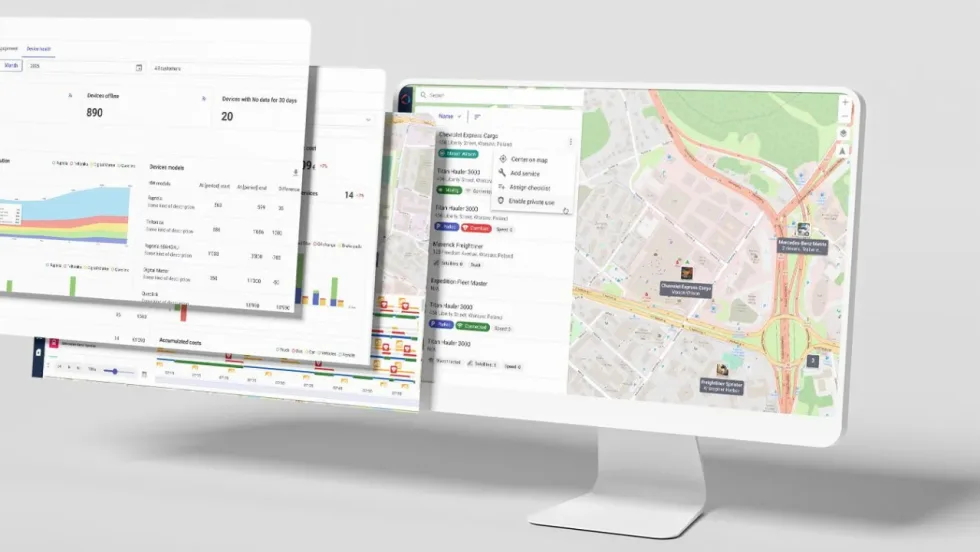
Wialon Unlocks OEM Data to Give Fleet Owners Data Ownership & Operational Clarity
Wialon has introduced hardware-free OEM integration as the EU Data Act accelerates the shift in vehicle data access across the fleet industry in many countries.
Read More →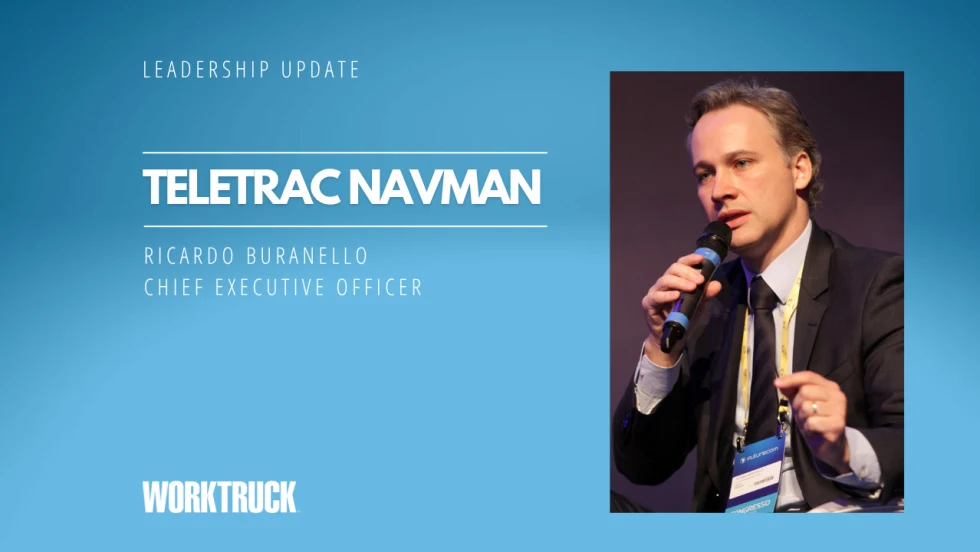
Teletrac Navman Promotes New CEO from Within
Teletrac Navman’s next CEO, Ricardo Buranello, has served as the company’s chief financial and operating officer. He brings deep financial and operational expertise, a strong strategic orientation, and an intimate knowledge of the business to his new role.
Read More →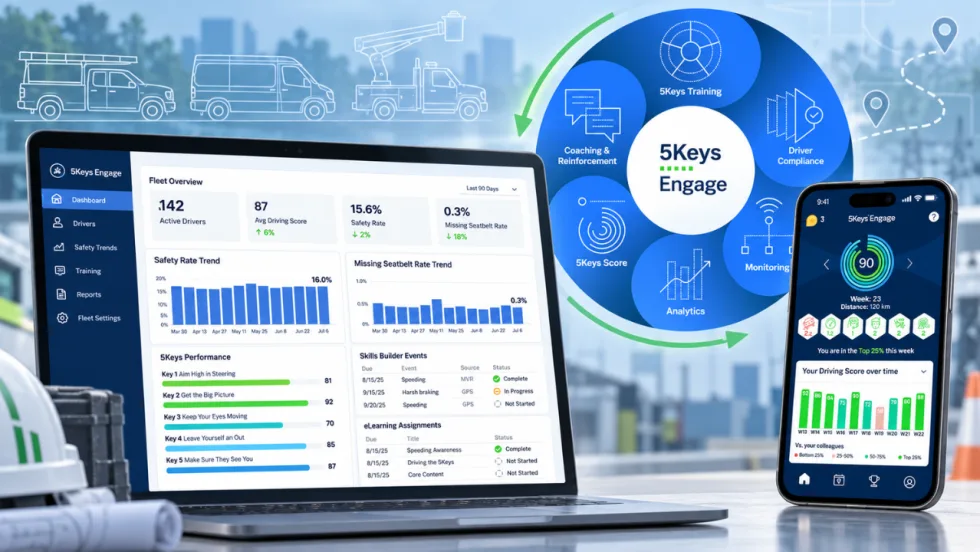
Smith System Wants Work Truck Fleets to Look Beyond the Driver Alert
Smith System’s new Driver Risk Management program is built to help mixed work truck fleets turn telematics alerts and observations into specific behaviors, coaching actions, and measurable follow-up.
Read More →
Ford Pro Software Updates: August 26
Check out the latest Ford Pro software updates, including Google Maps integration, Remote Vehicle Alarm integration, Motor Pool for easier management of shared pool vehicles, and more.
Read More →
Where AI Is Actually Saving Fleet Managers Time
AI is moving past the buzzword stage and into the daily fleet workflow. Fleetio’s Brianna Perry Lang breaks down where fleets are seeing real time savings, from maintenance and data entry to repair decisions, safety, and compliance
Read More →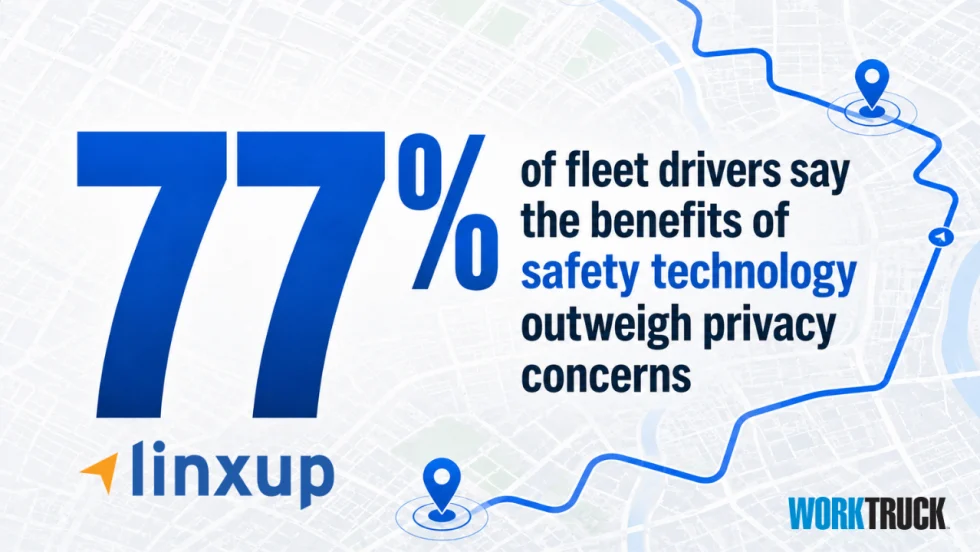
Are Work Truck Drivers Warming Up to Dash Cams and GPS Tracking?
A new survey finds field-service drivers may be more comfortable with dash cams and GPS tracking than fleet managers think, especially when the technology helps protect them after a crash.
Read More →