




Related:
How Fleet Management Technology Can Help Protect the Bottom Line
GPS tracking is the core technology enabling fleet management software, providing the near real-time location of an asset or vehicle. Fleet management tech can help fleets improve efficiencies, reduce maintenance, and lower insurance costs.
by Kevin Aries, Verizon Connect
April 1, 2020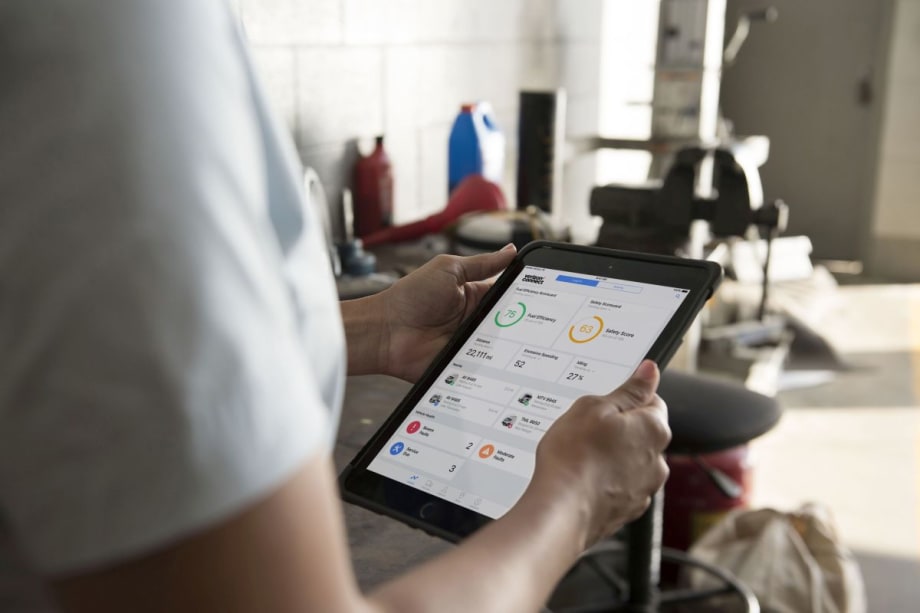
GPS tracking is the core technology enabling fleet management software, providing the near real-time location of an asset or vehicle.
Photo: Verizon Connect
3 min to read
Fleet management technology is more than a way to provide fleet managers the location data of vehicles and assets - it’s a family of software management platforms, in-cab devices, apps, and tablets that work together and can provide additional business value to help companies protect their bottom line.
GPS tracking is the core technology enabling fleet management software, providing the near real-time location of an asset or vehicle. This data becomes much more actionable and helpful to fleet managers when it is overlaid on maps of road and weather conditions in a software platform.
The technology tracks vehicle driving data, such as harsh braking, harsh acceleration, excessive idling, and excessive speeding, at an individual vehicle level. These features of fleet management technology can help businesses control risks and lower costs associated with vehicle repairs and accidents.
Here are three ways fleet management technology can help protect the bottom line:
1. Improving Efficiency
Boosting productivity while still maintaining a high quality of work and customer satisfaction is a common concern for fleet managers. Dispatching drivers is an intricate tower of overlapping schedules, real-time breakdowns, and limited availability, all under heavy time constraints.
Keeping your drivers on schedule and equipped with the right tools is priority number one for getting jobs completed on time and budget. Still, without proper insight into the schedules of your drivers day in and day out, you are putting yourself at an incredible disadvantage and risk.
To avoid confusion or crossing wires, owners and dispatchers can rely on GPS tracking instead of manual processes to improve business efficiency. Having the ability to track, monitor, and maintain your powered and non-powered assets is essential to keeping your business running smoothly, keeping customers satisfied, and improving your reputation.
2. Reducing Vehicle Maintenance
It’s hard to run a fleet without vehicles, so making sure that they are in working order is key to protecting the integrity of a business. However, vehicle maintenance can become a costly expenditure due simply to wear and tear.
With fleet management solutions, alerts can be set up with the data from a vehicle control module, which tracks mileage, oil level, temperature, and much more. Fleet managers can then schedule maintenance in advance that can help prevent unexpected breakdowns and extend the life of a vehicle.
Wear and tear can also be aggravated by harsh driving. Fleet management technology tracks driving behavior at an individual level. This feature allows managers to use empirical data to have tailored conversations and coaching sessions with specific drivers to make changes that can help protect vehicles and promote road safety.
3. Lowering Insurance Costs
Driver performance and vehicle usage reports are beneficial for operating a fleet, but they can also be shared with insurance companies to negotiate lower rates and discounts. The data can illustrate the impact of company-wide driving policies or even individual improvements in driving behavior.
Moreover, fleet management solutions used in combination with video dashcam technology can help protect a business against false claims in the event of an accident. In instances when a driver is falsely accused of being at fault after an accident, video can provide authorities with the evidence necessary to overturn incorrect reports that could have held a company liable and vulnerable to hefty legal and health insurance fees.
Overall, advanced fleet management technology provides fleet managers and businesses with the tools to help drive safety, efficiency, and productivity. As technology and vehicles continue to evolve, the technology will create new ways for business owners to utilize the data and future-proof business for tomorrow.
About the Author: Kevin Aries leads Global Product Success for Verizon Connect, helping build software solutions that optimize the way people, vehicles, and things move through the world. Working predominantly with field service businesses, Kevin spends his time understanding the problems and solutions of the service industry to improve customer experience. Outside of field service, Kevin's background has enabled him to help small businesses communicate, share digital information and increase productivity through various mobile technology platforms and solutions.
Subscribe to Our Newsletter
More Technology
GM Brings New Truck Focused Interface to 2027 Silverado and Sierra
GM's new pickup interface puts trailering data, camera views, vehicle controls, and smartphone integration closer to the driver in the 2027 Silverado and Sierra.
Read More →
Samsara Driver Perks Expands Rewards Beyond the Long Haul Driver
Samsara’s new driver rewards program was built with a broader professional driver in mind, including employees who split their day between driving, job sites, service calls, and other work.
Read More →
AI Service Advisor Aims to Cut Fleet Repair Downtime
Fleetio said its AI Service Advisor can help fleets cut repair downtime by an average of 2.5 hours per repair while reducing manual maintenance work.
Read More →
Verra Mobility Launches AI-Driven Title & Registration Solution
Verra Mobility has launched a new AI-driven Title & Registration platform to help fleets move vehicles from acquisition to the road the same day while reducing compliance risk.
Read More →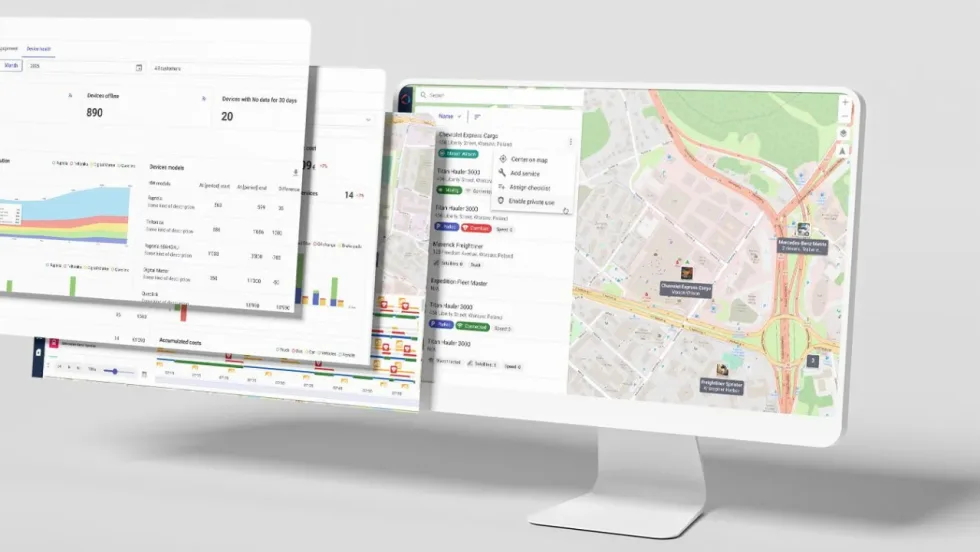
Wialon Unlocks OEM Data to Give Fleet Owners Data Ownership & Operational Clarity
Wialon has introduced hardware-free OEM integration as the EU Data Act accelerates the shift in vehicle data access across the fleet industry in many countries.
Read More →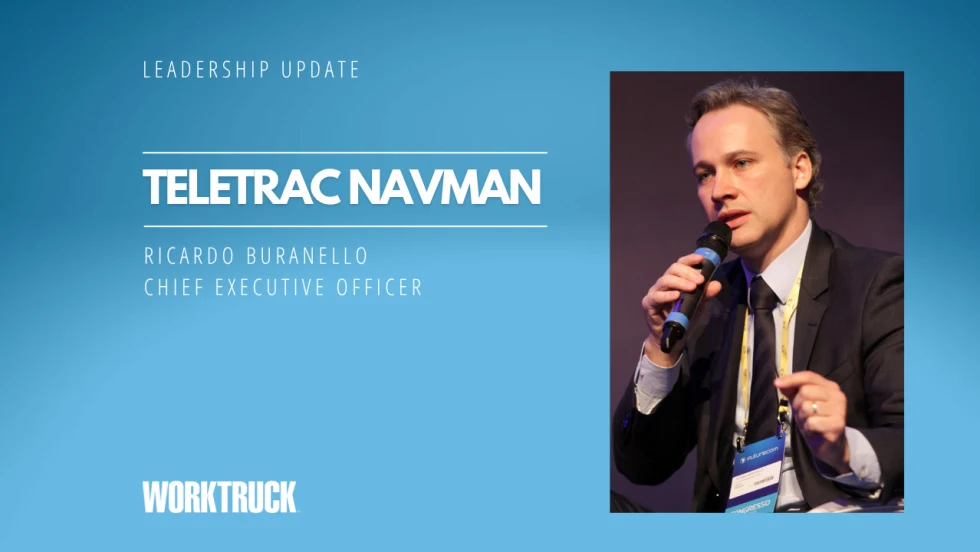
Teletrac Navman Promotes New CEO from Within
Teletrac Navman’s next CEO, Ricardo Buranello, has served as the company’s chief financial and operating officer. He brings deep financial and operational expertise, a strong strategic orientation, and an intimate knowledge of the business to his new role.
Read More →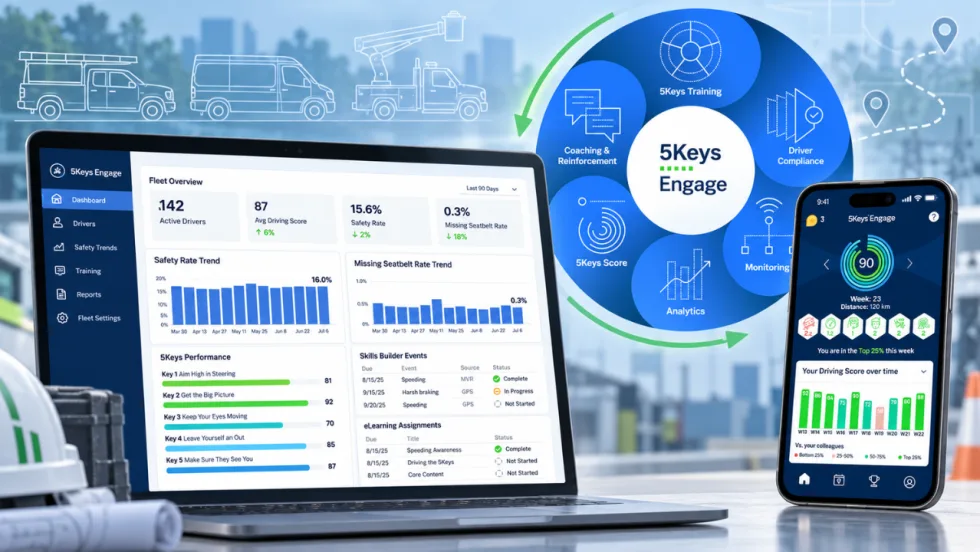
Smith System Wants Work Truck Fleets to Look Beyond the Driver Alert
Smith System’s new Driver Risk Management program is built to help mixed work truck fleets turn telematics alerts and observations into specific behaviors, coaching actions, and measurable follow-up.
Read More →
Ford Pro Software Updates: August 26
Check out the latest Ford Pro software updates, including Google Maps integration, Remote Vehicle Alarm integration, Motor Pool for easier management of shared pool vehicles, and more.
Read More →
Where AI Is Actually Saving Fleet Managers Time
AI is moving past the buzzword stage and into the daily fleet workflow. Fleetio’s Brianna Perry Lang breaks down where fleets are seeing real time savings, from maintenance and data entry to repair decisions, safety, and compliance
Read More →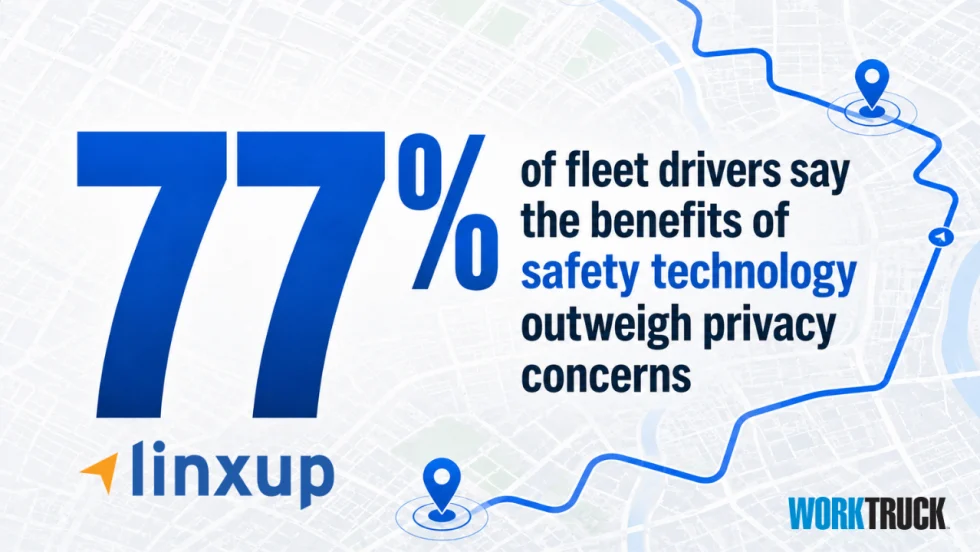
Are Work Truck Drivers Warming Up to Dash Cams and GPS Tracking?
A new survey finds field-service drivers may be more comfortable with dash cams and GPS tracking than fleet managers think, especially when the technology helps protect them after a crash.
Read More →