





Related: GM Fleet Partners with Spireon on Telematics Solution
GM Offers Third Factory Telematics Option
This partnership, along with a factory solution from Telogis and GM’s Commercial Link, allows GM fleet customers to select a telematics system similar to choosing vehicle options.
April 1, 2017
Logos courtesy of GM Fleet and Spireon.
4 min to read
Logos courtesy of GM Fleet and Spireon.
In March, General Motors announced a partnership with Spireon to provide a telematics solution to GM fleet customers. Spireon, the largest aftermarket telematics provider with 3.75 million active U.S. subscribers, offers web-based fleet management solutions to monitor vehicle and driver performance.
Spireon will use GM’s OnStar 4G LTE hardware and application program interface (API) to power a customized version of its FleetLocate system. The new system will be available on Chevrolet, Buick, GMC, and Cadillac vehicles in May.
Spireon’s FleetLocate system joins other GM Fleet telematics solutions that include a version of Telogis Fleet for GM and GM’s proprietary Commercial Link tool. GM first offered a telematics system from the factory when it partnered with Telogis in 2014.
For all three of these solutions, the necessary hardware is no longer installed in the aftermarket — using OnStar’s in-vehicle hardware, GM fleet customers are able to select a telematics system using a method similar to how they would choose vehicle options.
“We’re excited to offer our GM customers a ‘push-button’ onboarding experience for FleetLocate, enhanced by exclusive diagnostics and data that only come from OnStar,” said Kevin Weiss, CEO of Spireon.
Without hardware requirements, GM customers have more flexibility with telematics choices, said Ed Peper, U.S. vice president, GM Fleet. “Aftermarket boxes are a pain for customers, and they’re expensive,” he said. “Now there are no hardware or installation costs, or downtime for vehicles. The monthly subscription fee is determined by (the telematics provider) based on the features chosen.”
GM fleet customers new to telematics can choose Commercial Link, a more entry-level solution, and then upgrade to more sophisticated, customizable systems offered by
Spireon or Telogis. “It’s like a cable TV subscription,” Peper said.
Spireon fleet customers that want to connect vehicles from GM and those from other manufacturers would still require a mix of factory-direct and aftermarket installations.
More Connections
From GM’s position, the genesis of the Spireon partnership was an enquiry from a GM customer to connect at the factory. And, the door is open to connect to other telematics providers.
“Down the road, if there are other providers that want to partner with us, they’d use the same API’s (as the ones used by Spireon and Telogis),” said Greg Ross, OnStar’s Business Development and Alliances director. “We have a flexible piece of hardware that our customers can use with any service solution that they prefer, including building their own.”
Telogis customers, however, are able to connect to a growing list of manufacturers through factory ordering. In addition to GM Fleet, Telogis has similar partnerships with Ford, Mack, Hino, Freightliner, Volvo Trucks, and Isuzu. At the 2017 Work Truck Show, Telogis announced a similar partnership with Mitsubishi Fuso for its diesel-engine trucks.
While Telogis, and now Spireon, have been early promoters of factory-ready solutions, other telematics providers have been in talks with manufacturers, though no announcements have been made as of this writing.
Connecting through manufacturers’ hardware and APIs has implications beyond fleet telematics to other connected car uses. Maven, GM’s new mobility platform, also uses the OnStar connection to monitor and access vehicles in the Maven network.
In a general sense, connections enabled at the factory would more easily facilitate new platforms such as carsharing, fleet vehicle pooling, ride hailing, peer-to-peer vehicle sharing, fractional ownership schemes, and more.
“As we recognize opportunities to take additional data off the vehicle, we can create new services through software without having to change the hardware,” Ross said. “So we can innovate and partner with our customers to create new commands and data elements over time.”
Indeed, “connected car” is no longer a catch phrase. The National Highway Traffic Safety Administration and Department of Transportation have submitted a proposal mandating that all new light vehicles be capable of vehicle-to-vehicle (“V2V”) communications as soon as 2020. While the technology that underpins the government’s mandate is slightly different than OnStar, the mandate speaks to a future in which all cars will be connected.
“There’s quite a lot more deployment to come,” Peper said. “I think we’re just beginning to scratch the surface in how much data we’re getting from vehicles and the services we’re able to create.”
Originally posted on Automotive Fleet
Subscribe to Our Newsletter
More Technology & AI
Fleet Downtime, Truck Theft, and Electric Growth Lead This Month
Where is your fleet losing time? This Truck Chat recap connects repair delays, theft risks, storm planning, and lessons from scaling electric trucks.
Read More →
HCSS Partners with Verizon Connect to Deliver Fleet Intelligence for Construction Fleets
HCSS has integrated with Verizon Connect to provide near real-time fleet insights so contractors can spend less time tracking assets and more time keeping projects on schedule.
Read More →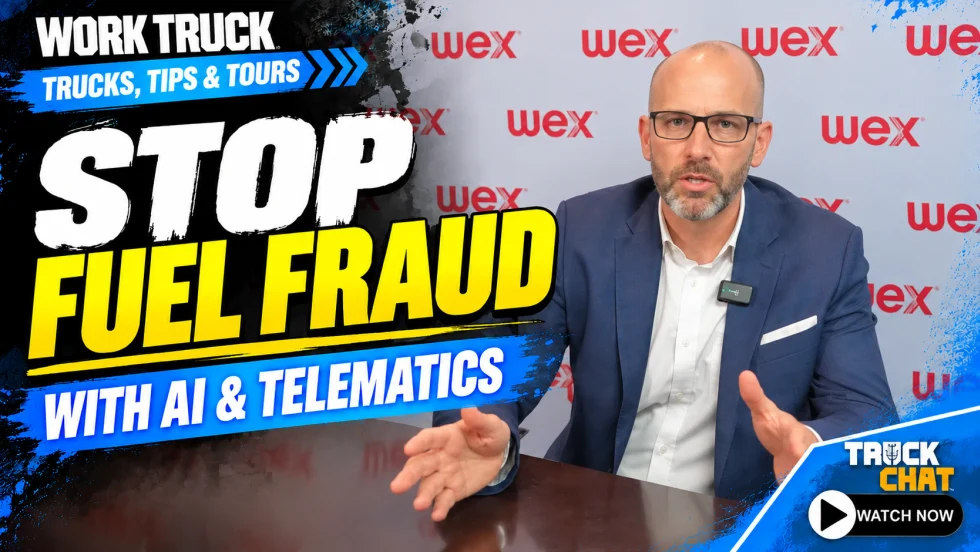
How Fleets Can Use Technology to Fight Fuel Fraud
Fuel fraud and theft remain significant challenges for commercial fleets, whether the problem involves third-party fraud or driver misuse. In this video, David Abraham of WEX explains how SecureFuel uses vehicle geolocation, telematics, transaction information, and AI to help fleet managers identify suspicious fuel purchases and make more informed decisions.
Read More →From Our Partners
Basic Tracking vs Next Generation Fleet Technology
Sponsored by AT&T Business

5 Facts Every Fleet Manager Should Know About Embedded Telematics
Sponsored by Stellantis/Mobilisights

How AI Video Telematics Boosts Driver Safety and Helps to Avoid Unnecessary Costs
Sponsored by Verizon Connect

Charting the 8 Bottom-Line Benefits of Workforce Optimization
Sponsored by Verizon Connect

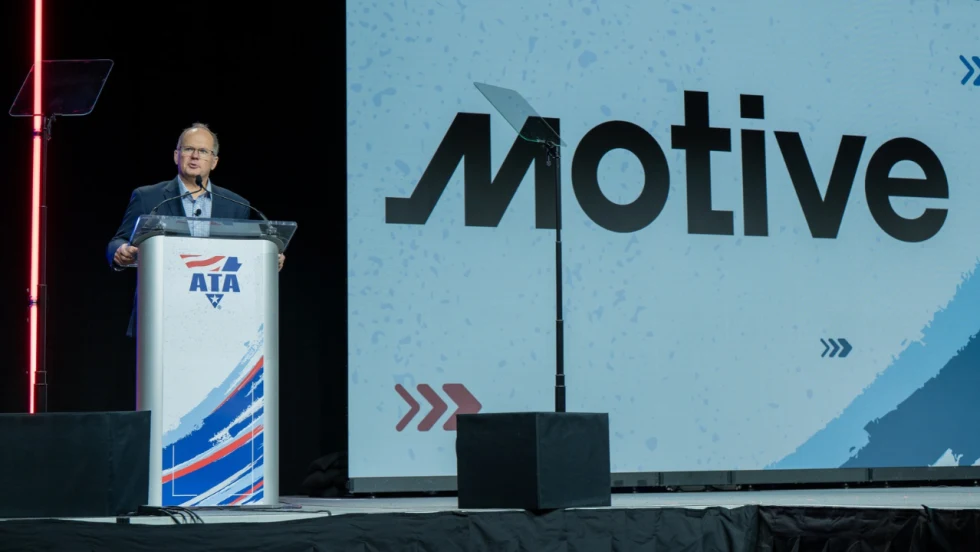
Can AI Agents Help Small Work Truck Fleets Do More With Less?
Motive's new AI Agents automate fleet safety, maintenance, compliance, and dispatch tasks. Here's how they work for smaller fleets, what managers control, and what early users are seeing.
Read More →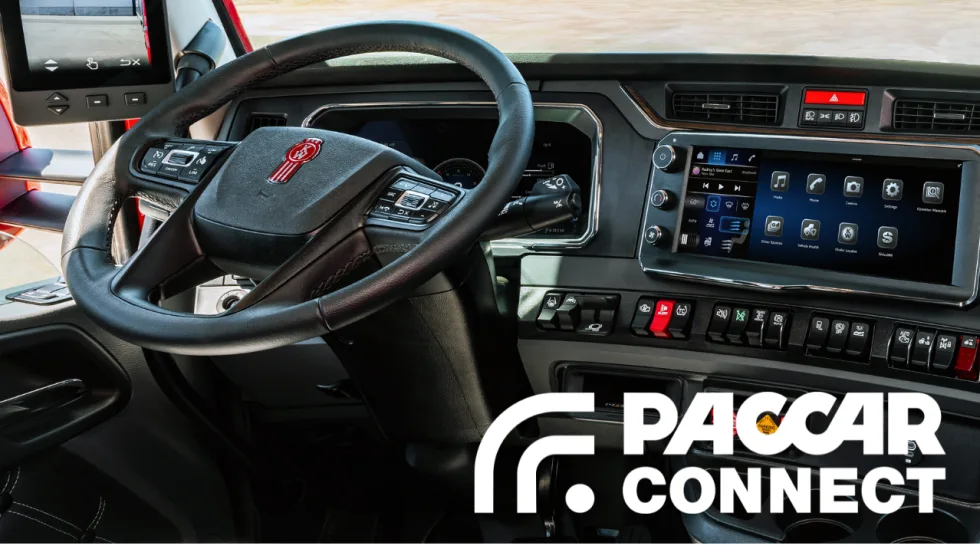
Paccar Launches Paccar Connect for Peterbilt and Kenworth Trucks
The new Paccar Connect offers touchscreen displays, telematics capabilities, and an expanding app ecosystem to boost productivity and streamline driver workflows.
Read More →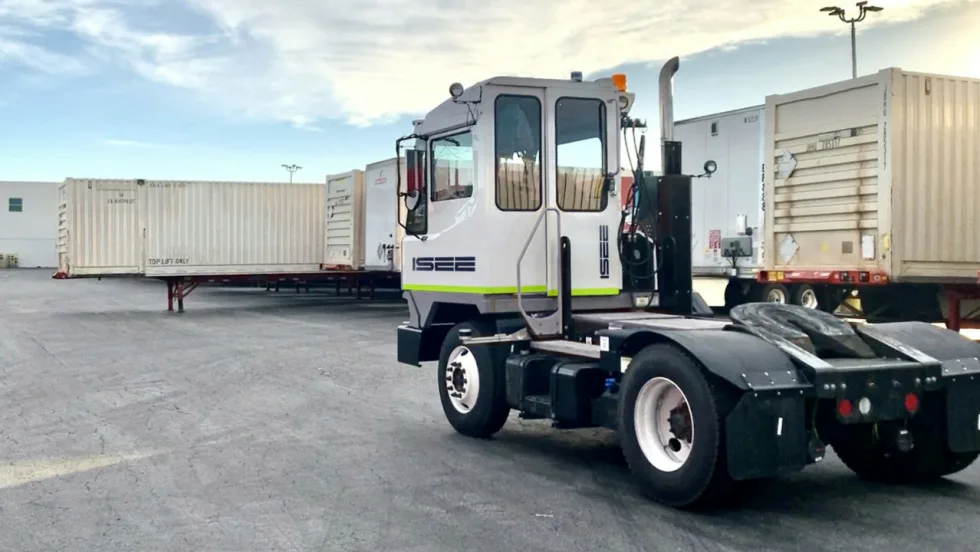
Holman and ISEE Partner to Expand Autonomous Yard Truck Operations
The partnership combines Holman's fleet management and upfitting capabilities with ISEE's autonomous driving technology to help businesses deploy and manage driverless yard trucks.
Read More →
Who You Gonna Call? Rivian Turns Electric Vehicles Into Ghostbusters Rides
Rivian teams up with Sony Pictures for a Ghostbusters-inspired Halloween software update, complete with custom sounds, lighting effects, and a special Ecto-R1.
Read More →
The Second Trip and What Missing Tools Really Cost a Service Business
For service fleets, missing tools and equipment can lead to second trips, lost technician time, higher operating costs, and delayed jobs. Equipment tracking can help HVAC, plumbing, electrical, landscaping, and other service businesses improve visibility and reduce downtime.
Read More →
GeoFencing Adds to Your Truck Security Arsenal
Geofencing is a familiar fleet tool today, but its early adoption marked a major shift in vehicle tracking, route monitoring, and the debate over employee privacy.
Read More →
Geotab Data Shows Regional Trucking Growing Faster as Last Mile Routes Get Denser
Geotab's first U.S. supply chain report finds stable long-haul activity, stronger regional freight movement, tighter hub-and-spoke utilization, and more last-mile trips on shorter routes.
Read More →