




Learn More: IoT, Electric Infrastructure, and the Supply Chain
Fuel Management 101: Best Practices to Optimize Fuel Efficiency
Four ways data driven IoT solutions geared towards fleet management and operational optimization can help increase efficiency and your bottom line are shared.
by Ryan Wilkinson
November 30, 2020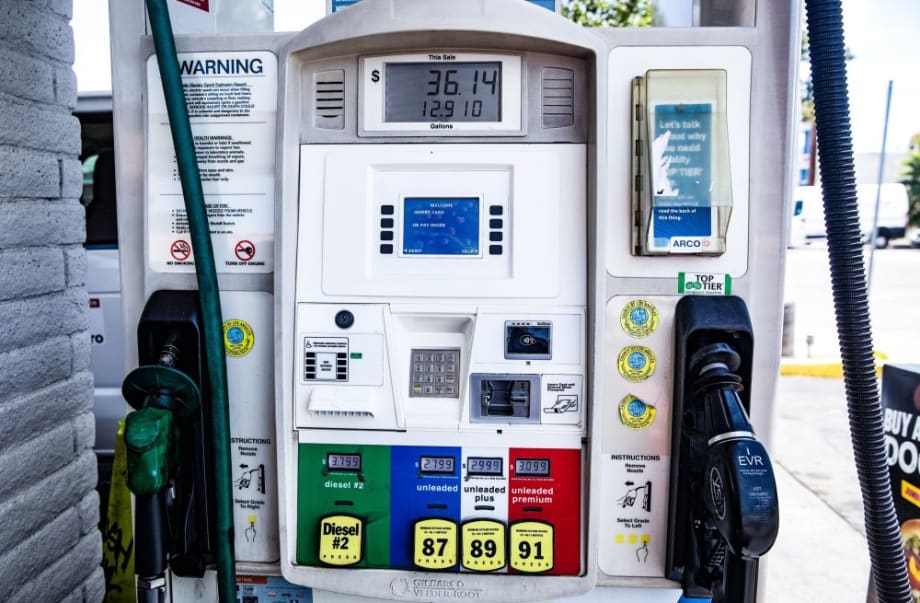
Photo: Ekaterina Belinskaya from Pexels
5 min to read
Today, as fuel represents approximately 60% of a fleet’s total operating costs, it’s critical for managers to have real-time insights and visibility in order to properly manage it. With the right technology solutions, coupled with simple daily practices put into place by both managers and drivers alike, reducing fuel usage will go on autopilot, leading to reduced costs, less pollution and less waste.
Surprisingly, many drivers don’t realize their own behaviors – such as excessive idling, speeding, and aggressive driving – heavily impact their companies’ overall fuel usage, and therefore, spend. Luckily, all of these factors can be avoided with the help of advanced, connected operations technologies, which provide 360-degree visibility into both driver behaviors and assets and in-the-moment insights to address any costly issues.
The below are four ways data driven IoT solutions geared towards fleet management and operational optimization can help increase efficiency and your bottom line.
1. Correct Costly Driver Behaviors
With a unified connected operations solution in place, companies can secure visibility into every action taken by their drivers, helping managers to monitor and coach them when they partake in behaviors that can lead to increased fuel consumption, like excessive idling or speeding. To put it in perspective, idling for just a single hour can burn up to an entire gallon of fuel. In fact, roughly 1 billion gallons of fuel are consumed every year in the United States by idling commercial vehicles. Likewise, speeding is another driver behavior that hikes up fuel consumption – when a driver goes over 50 mph, they acquire an additional 15 cents per gallon for every 5-mph increase, which adds up quickly.
However, adopting efficient behaviors can result in fuel savings of 20%, and even starting from more moderate driving styles, efficient behaviors can reduce fuel consumption by 5 to 10%.
To maximize managerial efficiency and visibility, as well as safety, organizations are implementing holistic safety programs that include driver scorecards and real-time alerts, allowing managers to monitor and correct driver behavior at both an individual and aggregate level.
At the individual driver level, scorecards will help managers monitor behavior over time to reward good or improved behavior and to correct and train when patterns or trends dictate. And real-time alerts will help them immediately correct excessive idling or speeding.
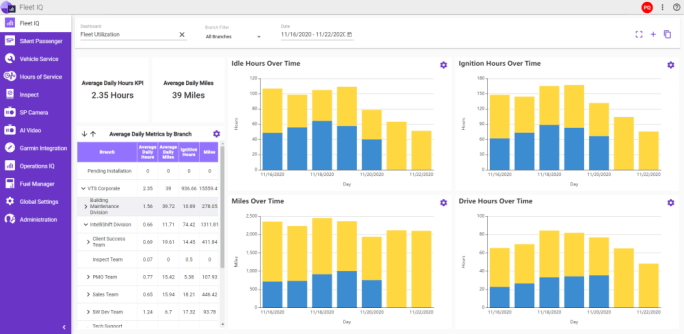
Surprisingly, many drivers don’t realize their own behaviors – such as excessive idling, speeding, and aggressive driving – heavily impact their companies’ overall fuel usage, and therefore, spend.
Source: IntelliShift
2. Conduct Frequent Trainings and Incentives
At the aggregate level, managers using a connected operations solution that includes driver scorecards and fuel consumption dashboards will be able to efficiently manage their overall culture of driver behavior by analyzing trends over time. These trends allow them to ramp up training programs and offer gamified incentives as needed. It also allows managers to compare driver behavior trends against fuel and maintenance costs to prove the impact their safety programs are having on the overall bottom line.
It’s common for organizations to offer both individual and group rewards for improving or when company safety and related fuel spend KPIs are met. For example, to ensure employees stay motivated, managers can offer rewards and incentives such as company awards, efficiency bonuses, and increased benefit offerings such as additional paid time off.
3. Accurately Track Fuel Spend
Tracking fuel spend manually can be difficult, time consuming and not completely accurate, but there are solutions that help track and manage fuel usage, providing visibility into contributing factors to help managers easily pinpoint opportunities to reduce consumption.
Some connected operations technologies provide configurable fuel consumption dashboards that integrate with driver score cards, fuel cards, and vehicle fuel and maintenance history, providing a holistic view. These tailored dashboards visualize fuel trends and provide activity reports, allowing managers to see where spend was allocated or where it increased and why. At the more day-to-day tactical level, some solutions also provide managers information such as vehicle gallons per hour, excessive fuel purchases, weekly and monthly fuel consumptions and cost per fuel consumption.
Additionally, these solutions can also alert managers of unauthorized fuel purchases, dramatically helping to reduce fraud.
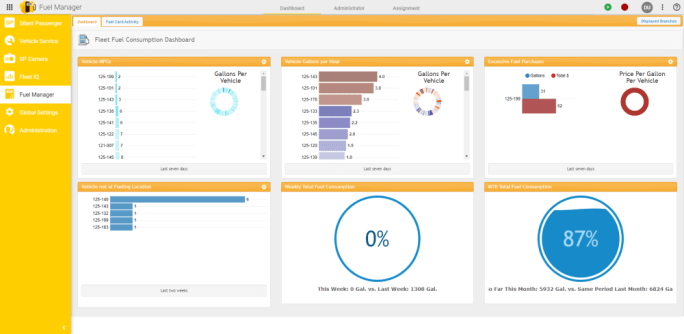
At the more day-to-day tactical level, some solutions also provide managers information such as vehicle gallons per hour, excessive fuel purchases, weekly and monthly fuel consumptions and cost per fuel consumption.
Source: IntelliShift
4. Preventive Maintenance
Routine preventive maintenance also helps improve fuel efficiency and lowers overall fleet ownership costs. Routine checks to motor oil, tire pressure, engine tune-ups and replacing clogged air filters have all been shown to improve gas mileage. A recent report found that fleets that implemented rigorous preventive maintenance programs saw fuel consumption improvements by 5 to 10%.
With access to connected solutions, managers can receive instant notifications when unexpected issues arise, when a vehicle shows an engine diagnostic trouble code or when repairs are needed. These technologies can keep a historical log of each asset, automating scheduling for routine maintenance through text and email alerts. Real-time updates to the maintenance team keeps vehicles on the road longer, and reduces downtime – which leads to better fuel management and efficiency.
Be Proactive, Not Reactive in Your Fuel Management
With driver behavior best practices coupled with the right data-driven solution, companies can better manage fuel intake -- and numerous other factors that affect it -- in real time. Now, they can successfully adjust costly driving behaviors, conduct preventive maintenance, accurately track fuel spend, and provide frequent trainings and incentives to ensure fewer overall costs and a more sustainable approach.
About the Author: Ryan Wilkinson has more than 10 years of experience in the IoT, cloud computing, and enterprise SaaS market leading teams in delivering solutions that transform how businesses use technology and operate. In his current role, as Chief Technology Officer of IntelliShift, Ryan’s expertise in applying geospatial technology, machine learning and IoT solutions has helped propel the IntelliShift platform to the forefront of the connected fleet world.
Subscribe to Our Newsletter
More Fuel

The Smart Way to Build a Mixed-Energy Fleet Isn’t About Picking a Side
Mixed-energy fleets aren’t about picking a winning fuel. Sarah Booth of WEX explains how vehicle data, duty cycles, charging strategy, and real-world costs can help fleets choose the right energy source for each job.
Read More →
Ignoring This Dashboard Warning Could Cost Your Fleet Thousands in Fuel
New research suggests neglected diesel aftertreatment systems could waste up to $30 in fuel per vehicle each day. Here's why vocational fleets should pay attention.
Read More →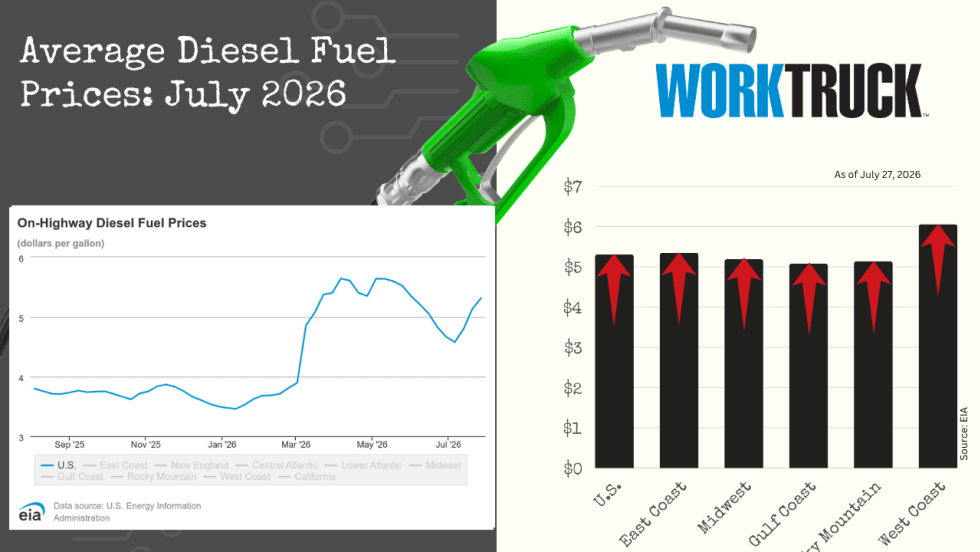
July Diesel Trends Update
The average price of a gallon of diesel increased again this week, and the EIA reported a new national average of $5.31 at the start of the week.
Read More →
WEX Brings Standard Fleet's Connected Vehicle Platform to Fleet Customers
This week’s product launch with Standard Fleet’s connected vehicle platform reflects WEX Venture Capital's strategy of turning startup innovation into customer solutions. Standard Fleet is now available to WEX fleet customers.
Read More →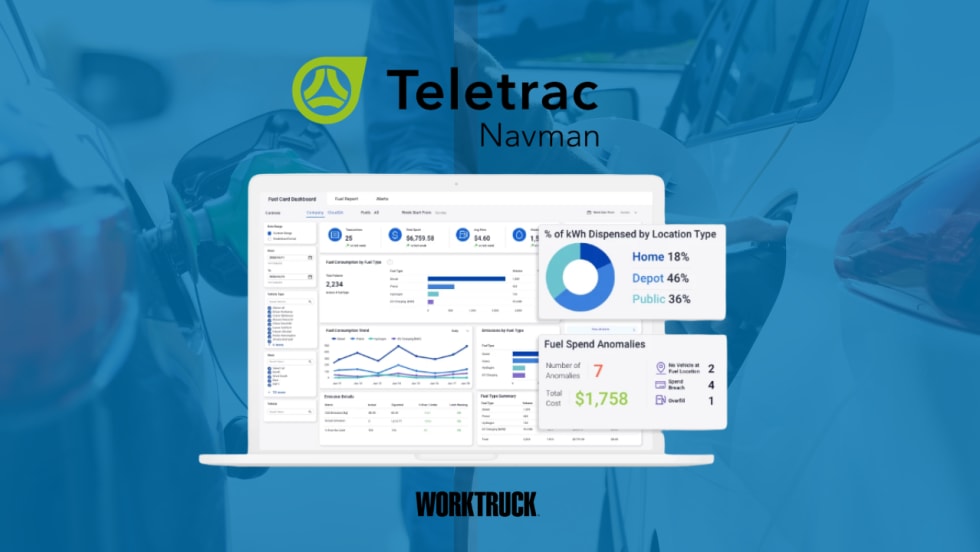
Teletrac Navman Adds Mixed-Energy Fleet Tools to TN360
The new Energy Hub combines fuel transactions, EV charging data, vehicle range, and energy costs in one dashboard for fleets operating multiple vehicle and energy types.
Read More →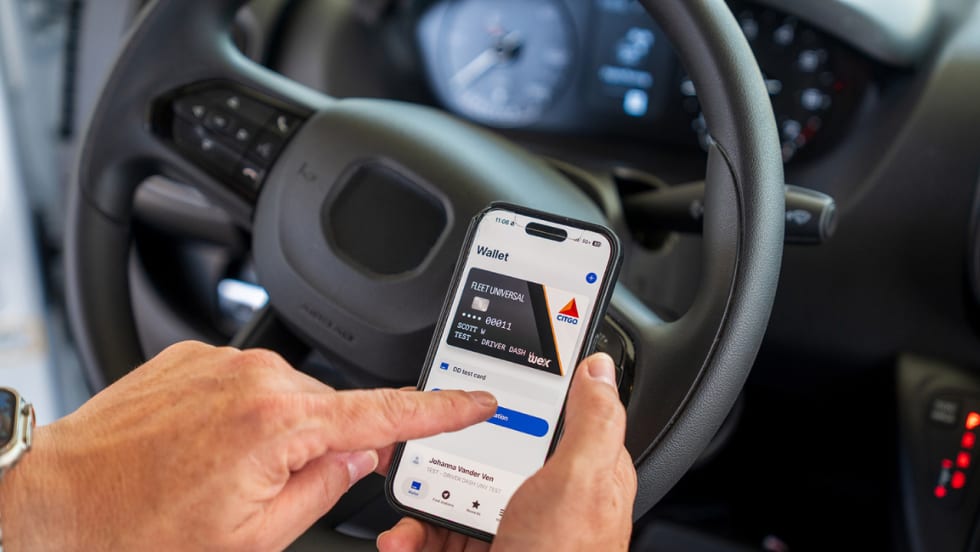
WEX DriverDash adds CITGO, Expands Nationwide Access for Fleets
The DriverDash mobile payment app, by WEX, has been integrated into the CITGO merchant network, which means WEX has expanded its U.S. station footprint with the addition of approximately 4,000 CITGO locations.
Read More →
Mixed Energy Fleet Tips for Balancing EVs, Gas and Diesel Vehicles
Mixed energy fleets are becoming the new normal. Learn how fleet managers are balancing EVs, gas and diesel vehicles while controlling costs and planning for the future.
Read More →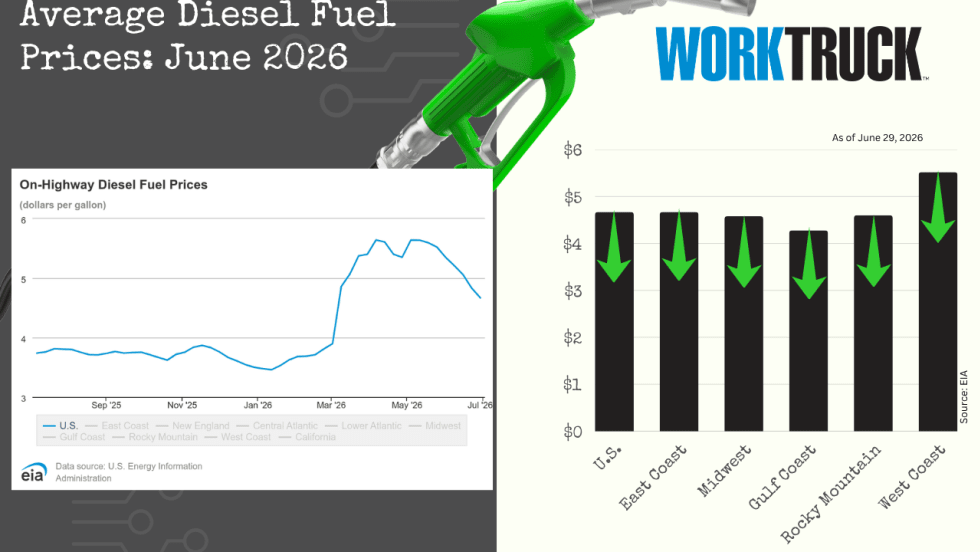
June Diesel Trends Update
The national average price of a gallon of diesel has dropped again, this week by more than 16 cents. All five regions reported lower average prices, ranging from almost 13 cents to more than 28 cents cheaper than a week ago.
Read More →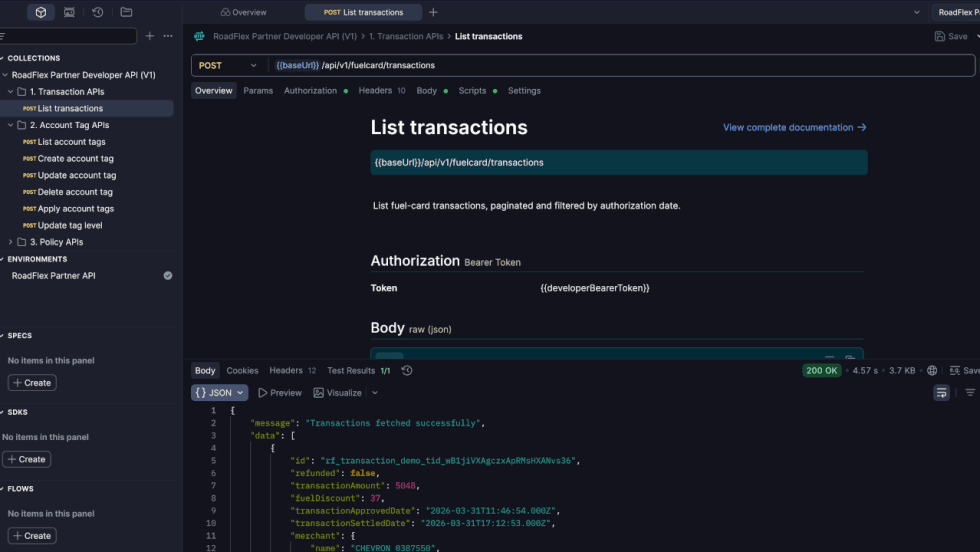
RoadFlex Launches RoadFlex Direct Open API Platform
RoadFlex Direct connects fuel cards, controls, and data to the telematics and fleet management systems fleets already run, from Geotab and Samsara to Fleetio and RTA, with no separate dashboard or double data entry.
Read More →
The Key to Fuel Efficiency Sits in the Cab
Learn how driver behavior, telematics, coaching, and fuel data can help fleets improve fuel efficiency, lower costs, and reduce emissions.
Read More →