





Keep Watching: Future Proofing Fleet Operations with FPL’s Patti Earley
Fleet Lessons on Speaking Up, Knowing Your Numbers, and Never Stopping Learning
From handwritten fleet ledgers to AI-powered analytics, Patti Earley, CAFM, shares more than 40 years of lessons on leadership, relationships, and making decisions that count.
November 17, 2026
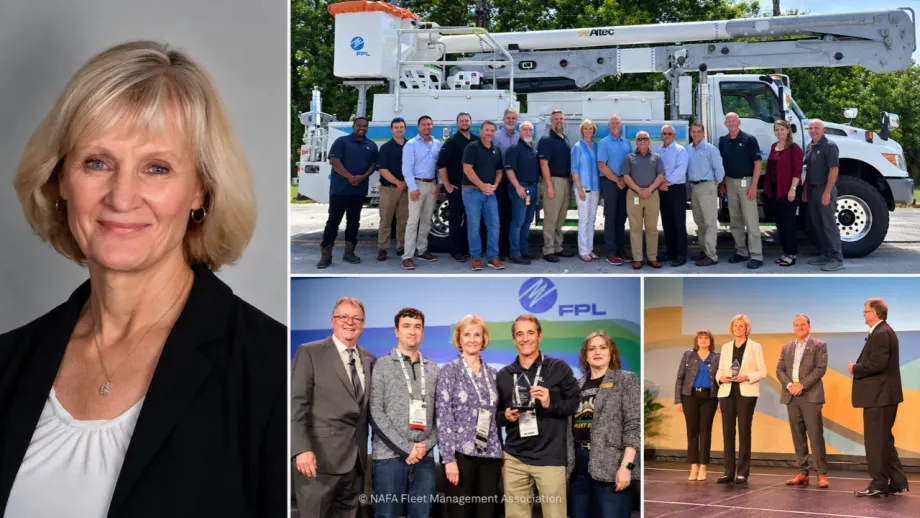
Patti Earley, CAFM, has spent more than four decades working in university, government, and utility fleets. Her advice for fleet managers includes understanding the data, listening to frontline employees, and building relationships that help solve problems.
Credit:
Work Truck | Patti Earley | NAFA Fleet Management Association
8 min to read
- Patti Earley illustrates the evolution from traditional fleet management techniques to the incorporation of advanced AI-powered analytics.
- She emphasizes the importance of continuous learning and adaptation in leadership and decision-making roles.
- Building and maintaining strong relationships is highlighted as a crucial component of effective fleet management.
*Summarized by AI
Not everyone sets out to build a career in fleet management. Some enter the industry through a job opportunity, a change in responsibilities, or, in the case of Patti Earley, CAFM, a part-time position that grew into something much bigger.
"I started in fleet part-time as a student when I was at South Dakota State University," Earley recalled. "It's weird because even then I loved it. I loved what I did."
That early interest became a career spanning more than four decades. Earley eventually became fleet manager at South Dakota State University, followed by 15 years as deputy director of fleet and travel management for the state of South Dakota.
For the past 20 years, she's worked with Florida Power & Light Company (FPL), where she currently serves as fleet fueling operations manager.
Across university, government, and utility operations, Earley has seen plenty of change. Vehicles are safer, technology has reshaped daily operations, and fleet managers have more information than ever.
But when asked about the lessons that have stayed with her, Earley kept coming back to something that hadn’t changed nearly as much — the people.
Want to watch the whole conversation? Check it out below. Or, keep scrolling to keep reading!
From Ledger Books to Data at Your Fingertips
It's hard to appreciate how much fleet management has changed until you talk with someone who did the job before computers became part of the daily routine.
"When I started, we were still keeping records in ledger books. We did not have fleet software. We didn't have computers," Earley said.
Those early recordkeeping methods are a long way from today's fleet management systems, telematics platforms, and analytics dashboards. But more information brings its own challenges, especially knowing which numbers deserve attention.
"You know, we have a lot of data, and it's not just having data. You need to understand what that data means," she explained. "You don't need to just track it. You need to know it because that data is going to really tell a story for you."
That understanding matters most when fleet managers need to explain decisions to leadership. It's one thing to present a report, but another to explain what the numbers mean for the operation and what should happen next.
Earley has also watched vehicle safety and operational visibility improve considerably throughout her career.
"The analytics tools that we have now save us so much time. It really helps you to be more proactive than reactive," she said.
She considers telematics one of the industry's biggest advancements, particularly for understanding vehicle utilization, driver behavior, and location. Still, not every useful piece of information comes from a screen.
Get Out of the Office and Talk to Your People
For someone starting in fleet management, Earley's advice goes beyond learning the systems, understanding vehicle specifications, or getting comfortable with the numbers.
"You need to get out in the field, and you need to meet and work with the people that are using your vehicles. The technicians that are working on your vehicles and all those other front-line people," she said.
There's a difference between knowing what a vehicle is doing and understanding what the person using it is experiencing. That distinction can get lost when so much of the job happens behind a computer.
"You'll get insight and input from them that you're not going to get from a spreadsheet or from a Power BI dashboard," Earley explained. "And really, that's where some of your best ideas and some of your best innovations are going to come from."
That approach carries into how Earley manages her own team at FPL. Regular morning conversations and an open-door policy help keep communication moving, but she believes the most important part is what happens when someone brings a problem forward.
"I think you need to know your people. You need to listen to your people, and I mean really listen to your people," she said.
Rather than approaching every challenge with a solution already in mind, Earley involves employees in figuring out what will work.
"It's so much easier to get buy-in on fixing problems if the folks that you work with have had a chance to give you input into what they think will work," she said.
It's a practical approach to leadership that recognizes the people closest to the work often have ideas worth hearing.
Sometimes the Cheapest Tire Costs More
One of the most memorable lessons from Earley's career involves a purchasing decision that looked good on paper but didn't hold up in practice: during her time at South Dakota State University, a state purchasing agent negotiated a contract for inexpensive tires. There was just one problem.
"We were only getting 18,000 miles out of these tires," Earley recalled.
Earley raised the issue during a meeting with the purchasing agent, who wasn't particularly pleased to hear that his cost-saving contract might not be saving much money after all.
"I had the facts to back it up. I had the data, and I could show him how much more it was actually costing us because the tires were wearing out so fast," she shared.
The purchasing agent ultimately changed the contract. Earley figured that might be the end of their professional relationship, at least when it came to him seeking her advice.
Then, about eight months later, her phone rang. The same purchasing agent wanted her opinion about another state agency's plan to purchase a compact pickup and install a snowplow.
Earley was surprised he'd called, given how their earlier conversation had gone. But the experience reinforced the value of speaking up when the facts support your position, even when the conversation isn't particularly comfortable.
For fleet managers, it's a familiar challenge. The least expensive option on a purchase order doesn't always prove to be the most economical once that vehicle, tire, or piece of equipment goes to work.
And sometimes, making that case earns more respect than simply agreeing with the decision.
Don't Assume Leadership Knows What Fleet Does
Fleet managers understand how much it takes to keep vehicles available and ready to work. That doesn't mean everyone else in the organization sees the full picture.
"So I think it's assuming that everyone knows what you do because they don't," Earley said.
The work behind a functioning fleet often goes unnoticed until something goes wrong. Maintenance planning, purchasing, fueling, compliance, vehicle availability, and the countless decisions that keep an operation running often go unnoticed by the people relying on those vehicles.
"Do not be afraid to tell people what you do. You really need to share that, especially with the people above you."
For newer fleet managers, that means making communication with leadership part of the job, not something reserved for budget season or a problem that needs attention.
The Relationships You Build Matter
If Earley could go back and offer her younger self advice, she'd emphasize building connections early in her career.
"It's as important or maybe more important to have relationships," she said, pointing to connections with internal customers, vendors, and other fleet professionals.
Her involvement with NAFA Fleet Management Association has provided many of those opportunities. In 2026, Earley was named to NAFA's Class of Fellows, an honor she described as particularly meaningful.
Over the years, those professional connections have given her people to exchange ideas with, ask questions of, and learn from, even when their fleets operate in very different environments.
"Fleet people are amazing; if you have a problem and you reach out to them, they are more than willing to help you out. More than willing to share with you," she said.
Earley's career has taken her through university, state government, and corporate utility fleets. While vehicles and responsibilities may differ, she's found many underlying challenges are familiar.
"Basically, we're all having the same issues that we're dealing with, and having those folks that you can reach out to is just really incredibly valuable."
For those entering the fleet industry, she recommends joining professional associations and taking advantage of available educational opportunities, whether that's attending conferences, participating in local chapter meetings, or learning through webinars, seminars, and podcasts.
Information is everywhere. The trick is making time to learn from it and connecting with people who have already worked through some of the challenges you're facing.
Looking Ahead Means Learning to Use AI
After more than four decades in fleet, Earley has seen plenty of technologies come and go. She's also seen the difference between a new tool that sounds promising and one that changes how work gets done.
When asked to leave fleet professionals with one final piece of advice, she turned to artificial intelligence.
"AI is not going to be out in your shop turning your wrenches right now, but you can use it for so many things that are going to make your life easier," she said.
Earley sees potential applications across maintenance and fleet operations, including engine diagnostics, work orders, parts ordering, predictive maintenance, and financial analysis.
She pointed specifically to total cost of ownership and lifecycle cost calculations, tasks that once required considerable time and effort.
"If you are not using AI daily right now, you are falling behind," Earley said.
She recommends starting to experiment rather than waiting until every application is fully understood.
"Even if it's just to go in and play with it and run things through it, make sure you're using it because it is going to be really the next big innovation for us."
It's an interesting perspective from someone who began her career recording fleet information by hand. Earley has watched the industry evolve through decades of new vehicles, systems, and technologies, and she's still looking ahead to what comes next.
But perhaps the bigger takeaway from her career is that technology alone doesn't make a good fleet manager. You still need to understand your numbers, ask questions, know when to speak up, and build relationships with the people doing the work.
And if you've learned something along the way, make sure you're sharing it with the next person.
Fleet Legends is a Work Truck interview series sponsored by LEGEND, celebrating the fleet professionals whose experience, leadership, and lessons continue to shape the industry.
Quick Answers
Patti Earley emphasizes the importance of speaking up, understanding your metrics, and maintaining a commitment to ongoing learning as critical leadership lessons in fleet management.
*Summarized by AI
Subscribe to Our Newsletter
More Operations
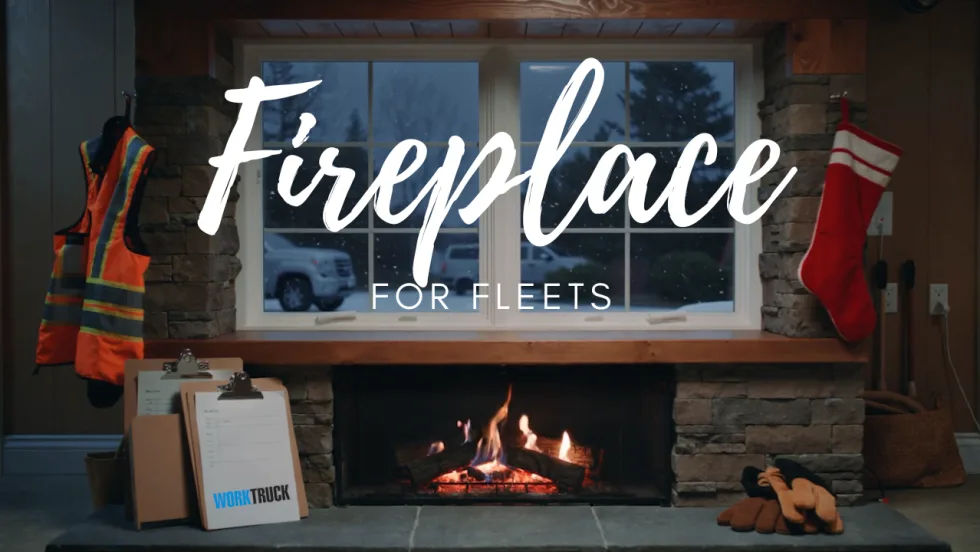
A Cozy Fleet Fireplace for Offices and Maintenance Shops
A cozy fleet fireplace video designed for offices and maintenance shops, featuring familiar fleet essentials and a calming holiday atmosphere. Perfect for a second screen or office TV.
Read More →
Meet Work Truck and the People Who Keep Work Moving
Get to know Work Truck, where we cover the vehicles, technology, and people behind the commercial fleets that keep businesses moving.
Read More →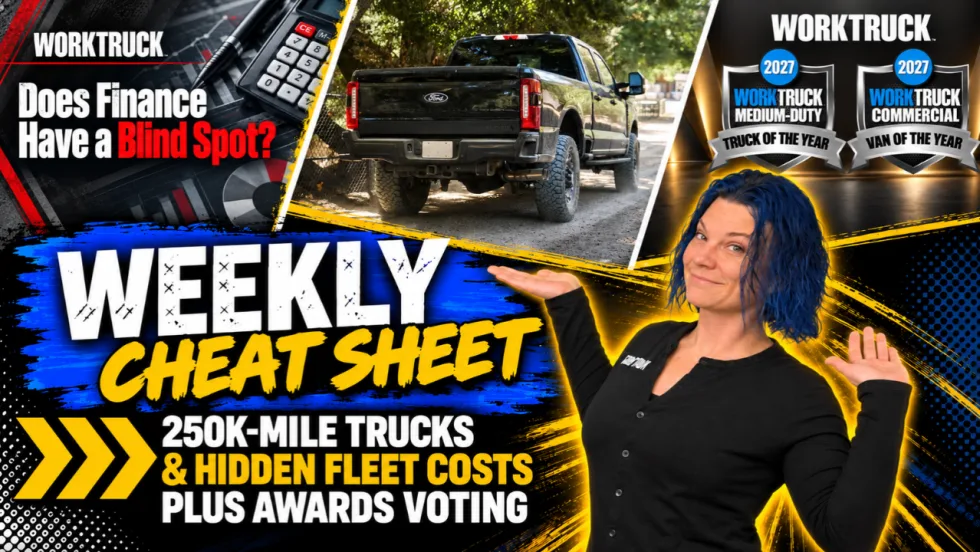
Awards Voting, Hidden Fleet Costs, and 250K-Mile Trucks Lead This Week’s Work Truck News
Which trucks go the distance, and what do they cost along the way? Plus, awards voting, darker routes, and fleet news in this week’s Truck Chat.
Read More →From Our Partners
Basic Tracking vs Next Generation Fleet Technology
Sponsored by AT&T Business

5 Facts Every Fleet Manager Should Know About Embedded Telematics
Sponsored by Stellantis/Mobilisights

How AI Video Telematics Boosts Driver Safety and Helps to Avoid Unnecessary Costs
Sponsored by Verizon Connect

Charting the 8 Bottom-Line Benefits of Workforce Optimization
Sponsored by Verizon Connect

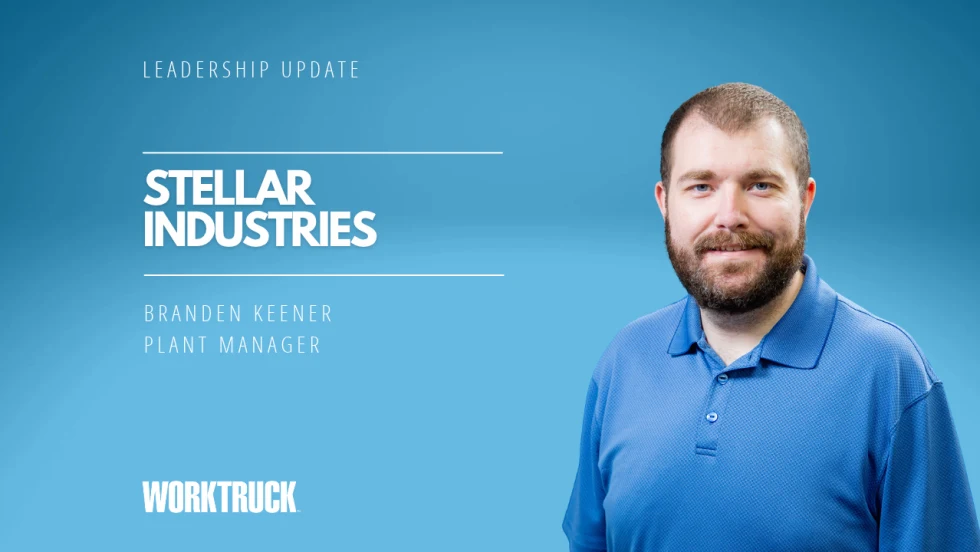
Stellar Hires Experienced Leader as Plant Manager
Stellar Industries has hired Branden Keener, a former Union Tank Car Company plant manager, as the plant manager for Stellar’s growing Galion, Ohio, location.
Read More →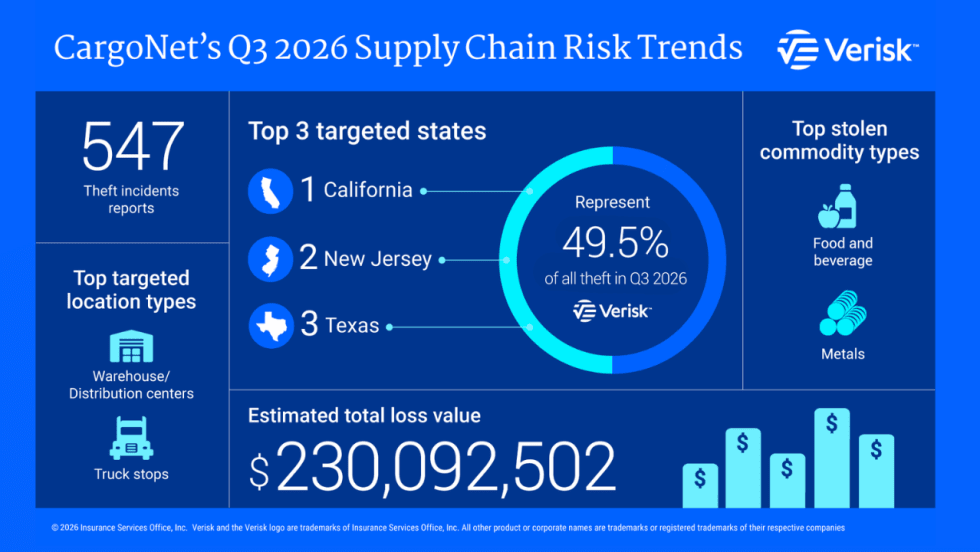
Fewer Cargo Thefts, But Average Theft Value Jumps 72%Year to Date
Fictitious pickups, according to Verisk CargoNet, now make up roughly one in four reported supply chain theft incidents as overall thefts fall 33% year over year. Estimated losses totaled $230.1 million and $718.9 million through September, a 39% increase from the same period last year.
Read More →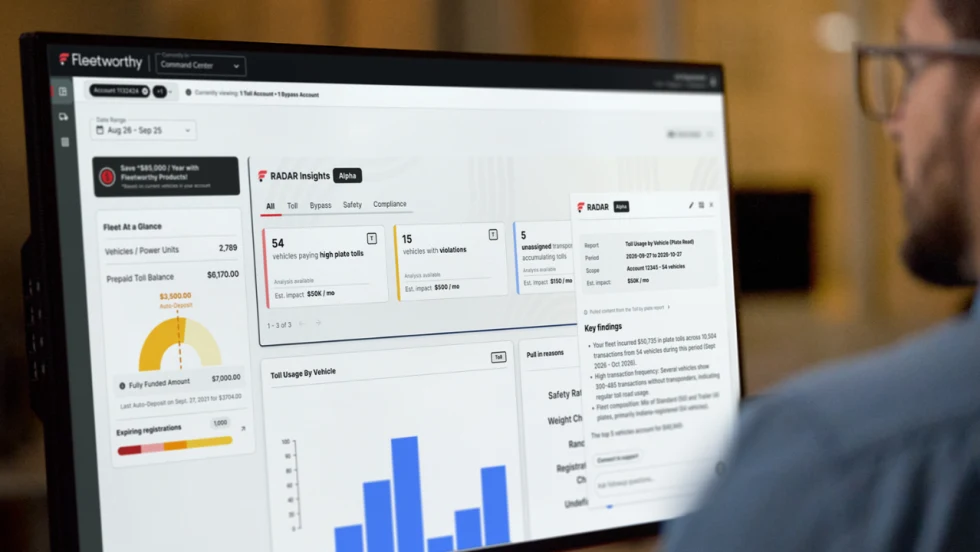
Fleetworthy Unveils RADAR, an Embedded AI Layer Powering Smarter Fleet Decisions
A new artificial intelligence layer inside Fleetworthy Toll Management turns toll data into instant answers and proactive insights, with weigh station bypass, compliance, and safety enhancements next.
Read More →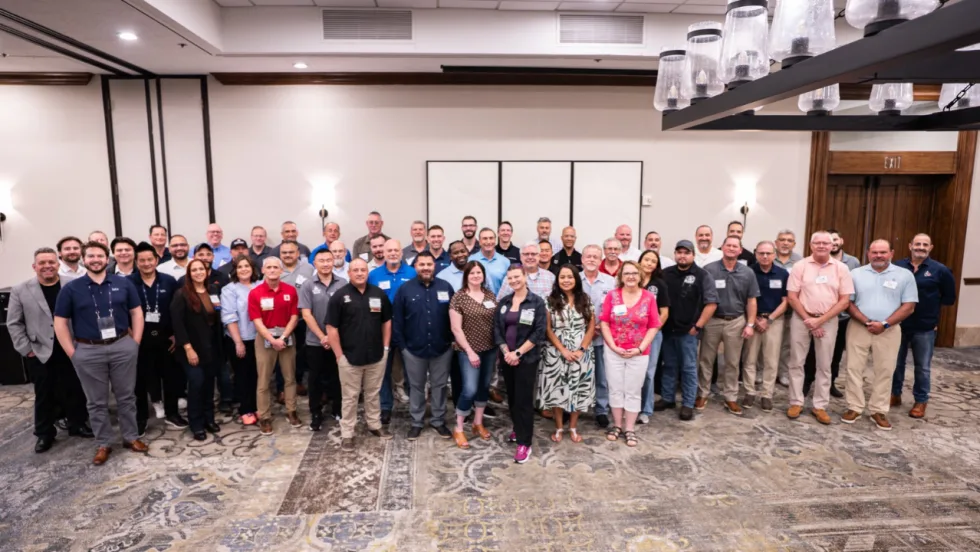
Fleet Conversations and Connections at Work Truck Exchange 2026
Fleet connections, friendly competition, and a few flying axes. See the people and moments that brought Work Truck Exchange 2026 to life.
Read More →
Workhorse Enters Modular AI Infrastructure Market Through TerraPod Partnership with RHAELM
Workhorse’s initial agreement with RHAELM is to develop a full-scale TerraPod manufacturing spec unit, then a non-binding letter of intent covers further expanding the partnership, including a supply agreement and a contemplated contingent initial order for 150 TerraPod systems.
Read More →
Your Fleet Experience Deserves a Vote
You know what happens after the vehicle leaves the dealership. Work Truck’s fleet awards give that experience a place in the industry conversation, and a reason to make your voice heard.
Read More →
Work Truck Seeks Fleet and Industry Insights on 2026 Trends and 2027 Forecasts
Work Truck is seeking insights from fleet leaders and industry partners on the trends that shaped 2026 and what commercial fleets should prepare for in 2027. Participate today!
Read More →