




Enhancing Network Management by Tapping Cloud Technology
Though the process of improving network management can be daunting, the result will reap rewards for all stakeholders involved.

the adoption of cloud technology offers several benefits to maximize network management.
Photo: Pexels
As a third-party administrator handling auto collision claims on a national scale for both fleets and insurers, balancing thousands of body shops nationwide necessitates an adept, nimble, and responsive system.
The journey to improve network management requires specific strategies and technology to address key factors; such as geography of network coverage, vendor onboarding, shop capabilities, vendor relationships, performance management, and customer service.
Critical for all stakeholders involved in the claim process, identification of such factors along with a cloud-based mobile claims management system allows for greater transparency, improved communication, and quicker resolution.
Start with Onboarding
The process of building a network of vendors, such as auto body shops, begins with a superior onboarding process.
For example, if you’re starting from scratch, there needs to be a process to onboard new service providers.
One important factor is the geographic location of the vendor in connection to the customer/policyholder. Mapping software offers the ability to identify densely populated areas nationwide. It’s a good way to begin searching for repair centers to add to a program. Getting to “critical mass” so the network can service at least 75% of the market is key.
The next step is to drill down to repair shops offering coverage for where most of the client’s customers/policyholders are located. Claim data can be helpful in identifying where most claims occur.
Lastly, it’s important to review the network of auto body shops on a regular basis. For example, we examine our network of service providers on a monthly basis to evaluate how many are located within seven miles of a populated area. For rural areas, we like to ensure there are auto body shops within ten to fifteen miles of a populated area.

Cloud technology assists in collecting data that helps us understand repair needs in order to ensure we identify the repair partner that has the appropriate capabilities.
Photo: Pexels
Selecting Providers
To vet service providers, a questionnaire can be useful to evaluate qualifications -- like the equipment used and certifications -- but independent verification is always best. I-CAR, an industry organization that promotes collision repair education, is a useful resource because it identifies auto body repair shops that have achieved Gold status. It's a substantial investment for a repair shop because they must renew their certification annually.
Determining which shops can perform proper services for certain vehicles is equally important.
For example, as of 2014, all the aluminum-bodied Ford-150 pickups need, as you might expect, to go to aluminum-capable repair shops. To this day, there are still companies that don't know which shops are capable of these repairs. This lack of knowledge translates to higher tow costs, delays, and irate customers because damaged vehicles may have to be towed from one repair shop to another.
Some vehicle manufacturers such as Ford and Nissan, require original equipment manufacturer-certified shops to conduct proper OEM repairs. Some won’t even sell parts to a body shop unless they are certified.
Another important factor when vetting auto body shops is the estimating tool used by the shop, since it affects how quickly stakeholders can communicate changes in claim status.
Because maintaining customer service and network relationships is important, we utilize an internal group of shops to evaluate process changes and offer feedback before we implement any new process.
Additional Benefits of Cloud Tech
In addition, the adoption of cloud technology offers several benefits to maximize network management.
In our case, a cloud platform automates and speeds up certain processes. For example, onboarding a new body shop can typically take up to 30 days; cloud technology enables automation to reduce onboarding time (and time-to-market for everyone) to a matter of hours.
That’s because what might require paper documentation being sent and then uploaded by our employees can now be uploaded directly by the body shop and validated electronically. So instead of receiving updates on workflows once-a-month, network members can view work status as it happens in real time.
Cloud technology assists in collecting data that helps us understand repair needs in order to ensure we identify the repair partner that has the appropriate capabilities. That’s why it’s important to maintain a close relationship with OEMs to find out what they're putting in cars and how to repair them properly.
This technology aids in reviewing network autobody shops’ key performance indicators to evaluate performance. For example, we monitor KPIs of repair shops for the duration they are within our program. Ensuring repairs completed within the network aren't returning with warranty repairs is vital to maintaining best-in-class customer service.
Though the process of improving network management can be daunting, the result – shorter claim duration, improved customer service, greater performance results, and higher efficiency – will reap rewards for all stakeholders involved.
About the Author: Pete Douglas is Chief Operating Officer for Innovation Group North America, which provides comprehensive operational support and a range of expert services to the world's leading insurers, brokers, fleet managers, and automotive manufacturers. For more information, e-mail Pete.Douglas@innovation.group.
More Technology
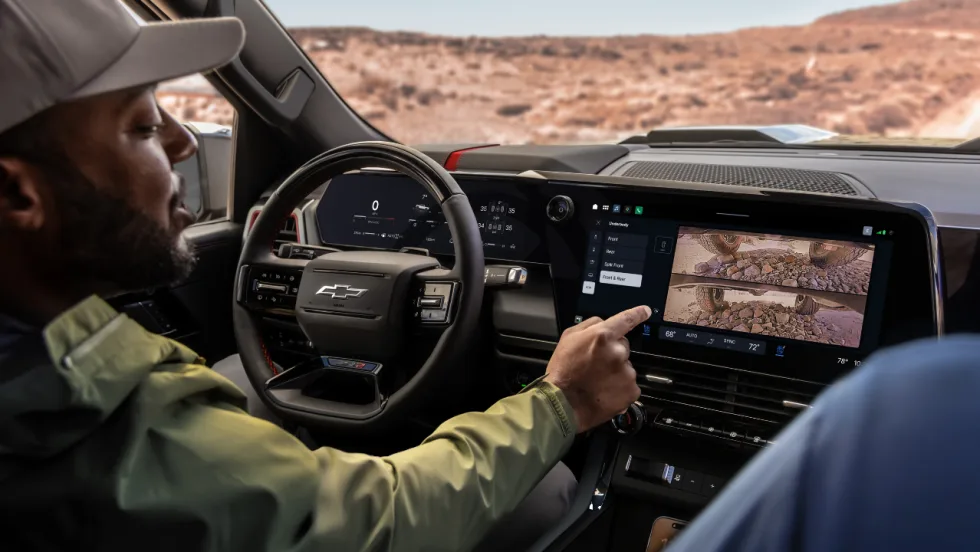
GM Brings New Truck Focused Interface to 2027 Silverado and Sierra
GM's new pickup interface puts trailering data, camera views, vehicle controls, and smartphone integration closer to the driver in the 2027 Silverado and Sierra.
Read More →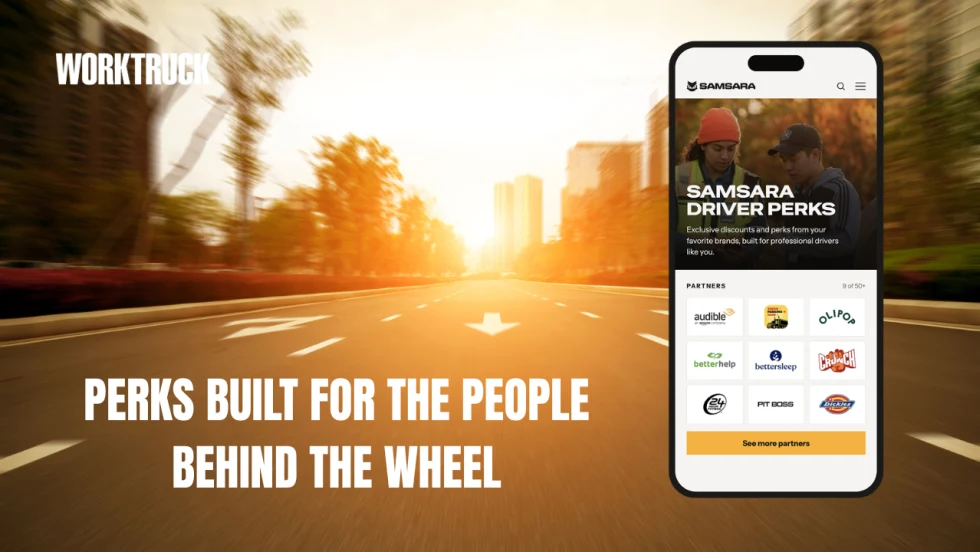
Samsara Driver Perks Expands Rewards Beyond the Long Haul Driver
Samsara’s new driver rewards program was built with a broader professional driver in mind, including employees who split their day between driving, job sites, service calls, and other work.
Read More →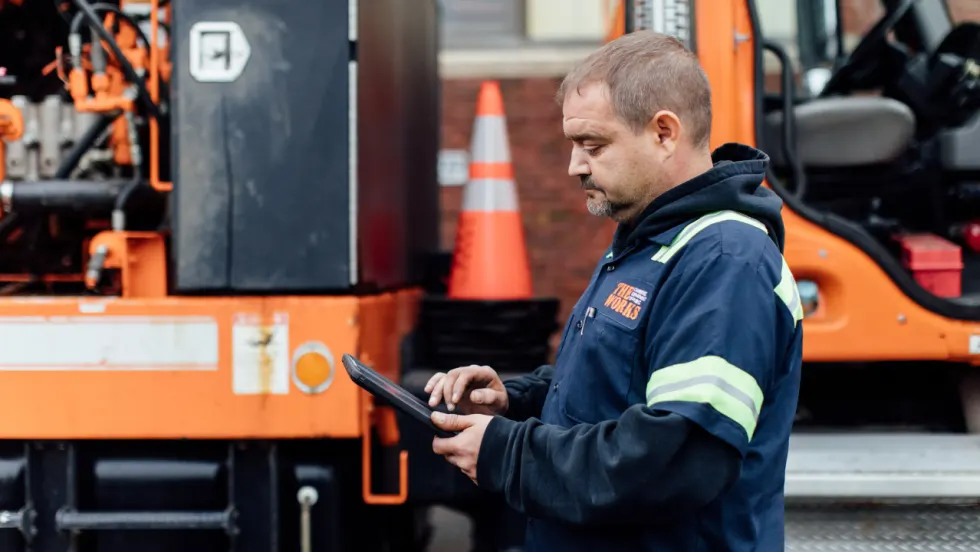
AI Service Advisor Aims to Cut Fleet Repair Downtime
Fleetio said its AI Service Advisor can help fleets cut repair downtime by an average of 2.5 hours per repair while reducing manual maintenance work.
Read More →
Verra Mobility Launches AI-Driven Title & Registration Solution
Verra Mobility has launched a new AI-driven Title & Registration platform to help fleets move vehicles from acquisition to the road the same day while reducing compliance risk.
Read More →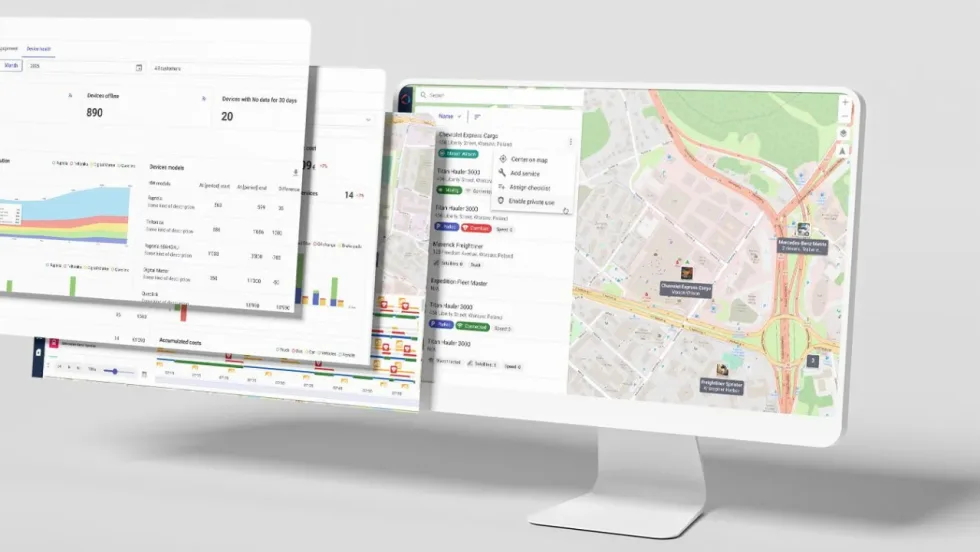
Wialon Unlocks OEM Data to Give Fleet Owners Data Ownership & Operational Clarity
Wialon has introduced hardware-free OEM integration as the EU Data Act accelerates the shift in vehicle data access across the fleet industry in many countries.
Read More →
Teletrac Navman Promotes New CEO from Within
Teletrac Navman’s next CEO, Ricardo Buranello, has served as the company’s chief financial and operating officer. He brings deep financial and operational expertise, a strong strategic orientation, and an intimate knowledge of the business to his new role.
Read More →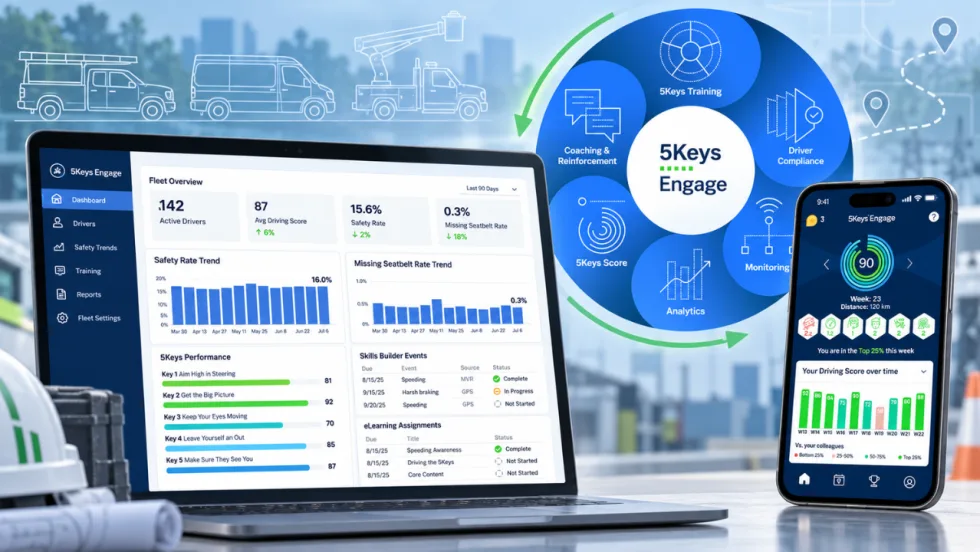
Smith System Wants Work Truck Fleets to Look Beyond the Driver Alert
Smith System’s new Driver Risk Management program is built to help mixed work truck fleets turn telematics alerts and observations into specific behaviors, coaching actions, and measurable follow-up.
Read More →
Ford Pro Software Updates: August 26
Check out the latest Ford Pro software updates, including Google Maps integration, Remote Vehicle Alarm integration, Motor Pool for easier management of shared pool vehicles, and more.
Read More →
Where AI Is Actually Saving Fleet Managers Time
AI is moving past the buzzword stage and into the daily fleet workflow. Fleetio’s Brianna Perry Lang breaks down where fleets are seeing real time savings, from maintenance and data entry to repair decisions, safety, and compliance
Read More →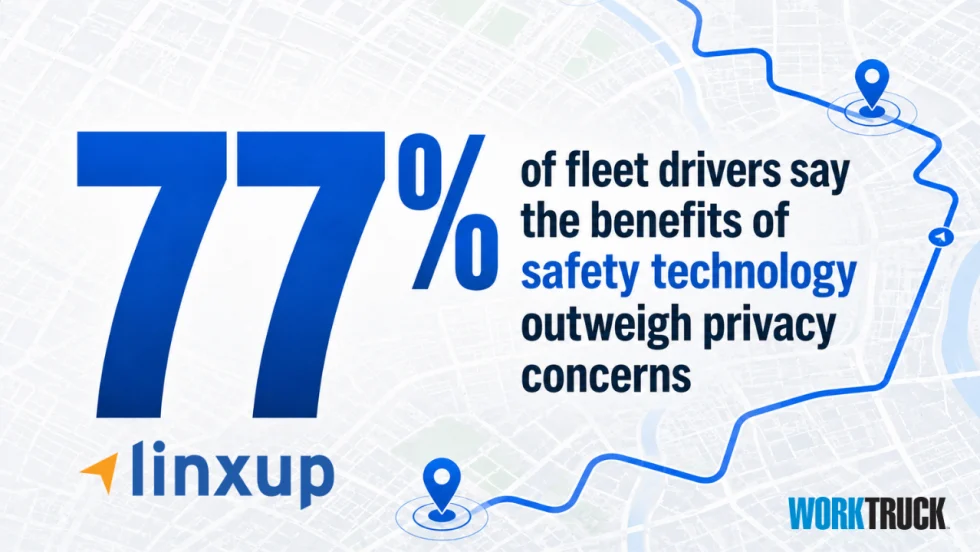
Are Work Truck Drivers Warming Up to Dash Cams and GPS Tracking?
A new survey finds field-service drivers may be more comfortable with dash cams and GPS tracking than fleet managers think, especially when the technology helps protect them after a crash.
Read More →