




Going Green: Mobile Fueling for Emissions Reduction
Does Your Fleet Need Mobile Fueling?
A fleet manager's job is to improve operations and save money. Will using a mobile fueling service help fleet managers achieve this goal? Here are three benefits of mobile fueling.

Hillary Weiss・Senior Editor
Find out if mobile fueling will benefit to your fleet.
Photo: Work Truck
2 min to read
Almost anything can get delivered right to your doorstep — including fuel.
With mobile fuel, you can get fuel delivered to your fleet or anywhere else your vehicles travel. But it is right for your fleet?
Changing how operations are run in a fleet can get complicated. It’s important to make the best decision that reduces costs and improves operations.
Here are three benefits to choosing mobile fueling for your fleet.
3 Benefits of Mobile Fueling
From new regulations and laws, sustainability has been on everyone’s minds. Not only that, but running operations effectively while saving money. Can using a mobile fuel delivery service help you obtain those goals?
No. 1 Reduce Emissions
How does a truck delivering fuel reduce emissions? According to Geotab, “Over the course of a single month, a fleet vehicle can eliminate an average of 3.45 pounds of CO₂ for each off-route refueling trip.”
By eliminating trips to the gas station, the overall miles the vehicles travel will also be reduced, as well as fuel consumption.
A report by Geotab also stated:
Gas stations divert drivers about two miles out of the way.
A gas station stop adds more than 20 minutes to each trip a vehicle makes for fuel.
Gas station stops release an additional three pounds of CO₂ into the atmosphere monthly on average.
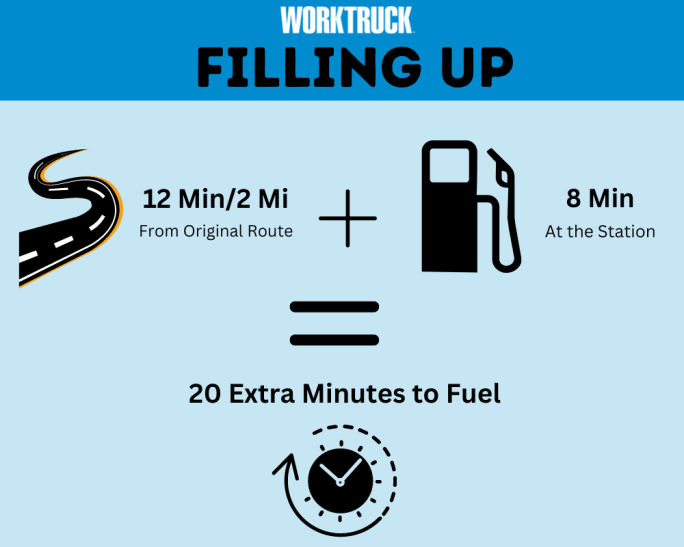
From a Geotab report, drivers spend 20 extra minutes fueling their vehicles.
Photo: Work Truck
No. 2 Increase Productivity
If refueling your fleet is always a hassle, mobile fueling sounds like a no-brainer. Simplifying the process puts time back in your hands and the drivers.
Plus, all the payments come from one source, which removes all the extra administration work of invoices and payments from multiple drivers filling up their vehicles.
No. 3 Save Money
With the industry growing and evolving, fleet managers have more options to choose from on how they run their fleets.
With mobile fueling, there is more than one company to choose from. If one company isn’t right for you, there are others to choose from, such as Booster and Shell Tap Up.
According to Shell, “Because mobile refueling saves you money in a number of areas — not just productivity and mileage, but through reduce wear and tear as well — it can help lower your total cost of ownership over the long term. It can also help to streamline the fuel reconciliation process, by avoiding the manual errors that can sometimes arise when operators are forced to record their own tank dips or measure their own fuel sales.”
Subscribe to Our Newsletter
More Fuel

The Smart Way to Build a Mixed-Energy Fleet Isn’t About Picking a Side
Mixed-energy fleets aren’t about picking a winning fuel. Sarah Booth of WEX explains how vehicle data, duty cycles, charging strategy, and real-world costs can help fleets choose the right energy source for each job.
Read More →
Ignoring This Dashboard Warning Could Cost Your Fleet Thousands in Fuel
New research suggests neglected diesel aftertreatment systems could waste up to $30 in fuel per vehicle each day. Here's why vocational fleets should pay attention.
Read More →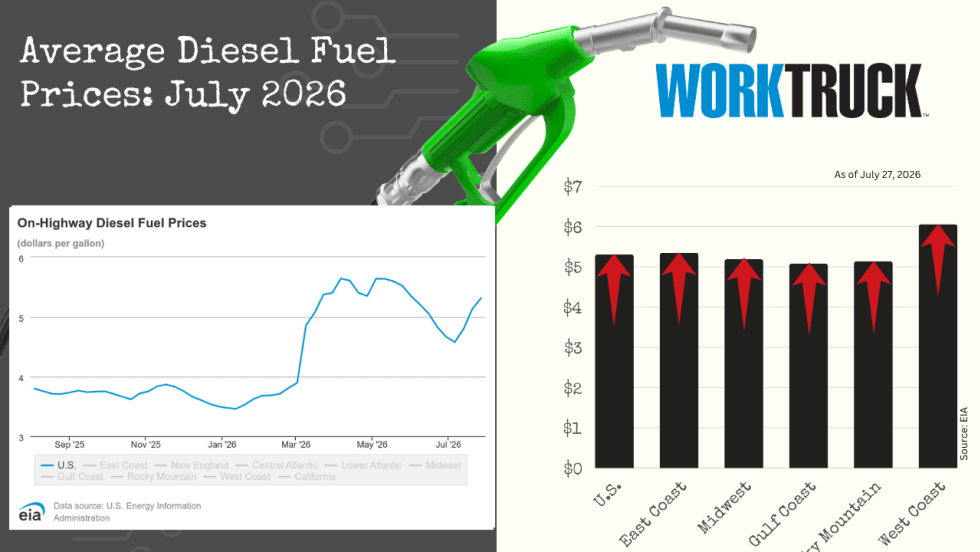
July Diesel Trends Update
The average price of a gallon of diesel increased again this week, and the EIA reported a new national average of $5.31 at the start of the week.
Read More →
WEX Brings Standard Fleet's Connected Vehicle Platform to Fleet Customers
This week’s product launch with Standard Fleet’s connected vehicle platform reflects WEX Venture Capital's strategy of turning startup innovation into customer solutions. Standard Fleet is now available to WEX fleet customers.
Read More →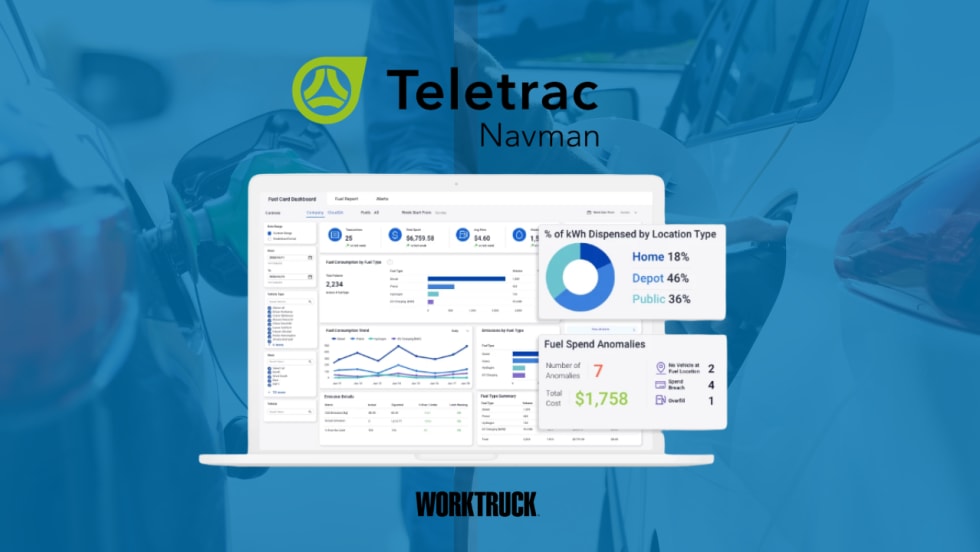
Teletrac Navman Adds Mixed-Energy Fleet Tools to TN360
The new Energy Hub combines fuel transactions, EV charging data, vehicle range, and energy costs in one dashboard for fleets operating multiple vehicle and energy types.
Read More →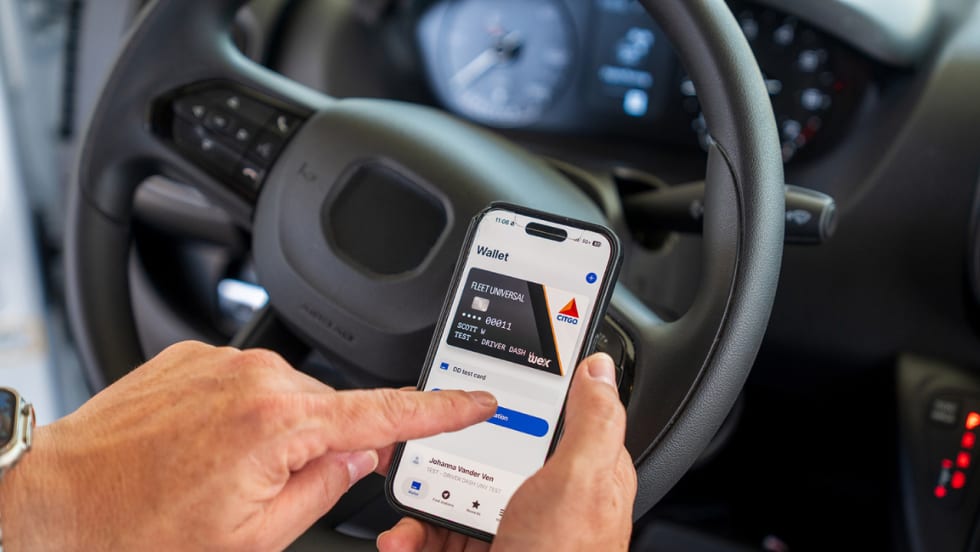
WEX DriverDash adds CITGO, Expands Nationwide Access for Fleets
The DriverDash mobile payment app, by WEX, has been integrated into the CITGO merchant network, which means WEX has expanded its U.S. station footprint with the addition of approximately 4,000 CITGO locations.
Read More →
Mixed Energy Fleet Tips for Balancing EVs, Gas and Diesel Vehicles
Mixed energy fleets are becoming the new normal. Learn how fleet managers are balancing EVs, gas and diesel vehicles while controlling costs and planning for the future.
Read More →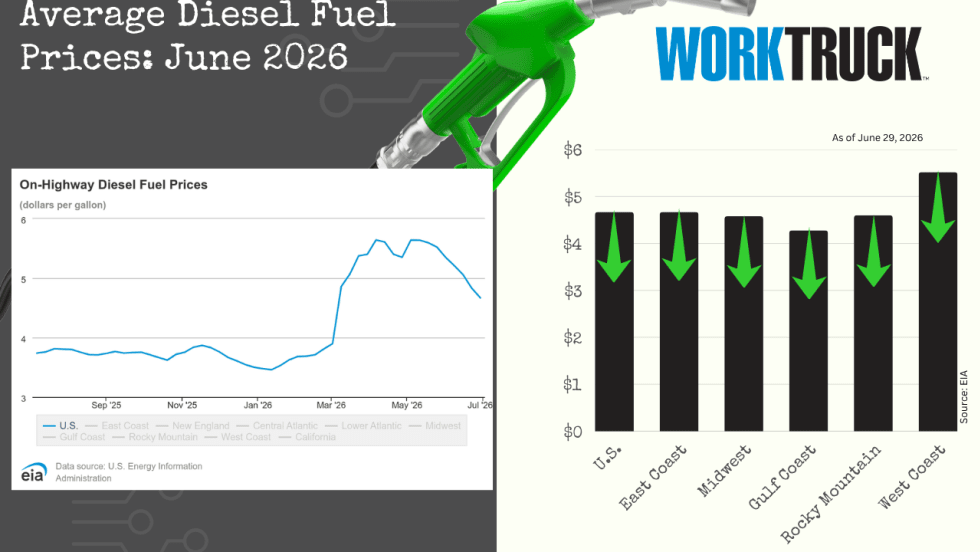
June Diesel Trends Update
The national average price of a gallon of diesel has dropped again, this week by more than 16 cents. All five regions reported lower average prices, ranging from almost 13 cents to more than 28 cents cheaper than a week ago.
Read More →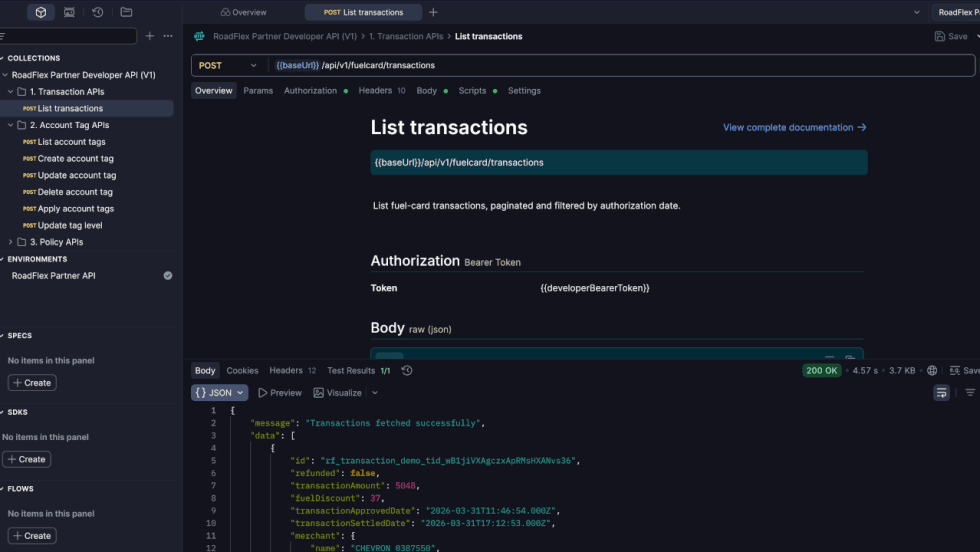
RoadFlex Launches RoadFlex Direct Open API Platform
RoadFlex Direct connects fuel cards, controls, and data to the telematics and fleet management systems fleets already run, from Geotab and Samsara to Fleetio and RTA, with no separate dashboard or double data entry.
Read More →
The Key to Fuel Efficiency Sits in the Cab
Learn how driver behavior, telematics, coaching, and fuel data can help fleets improve fuel efficiency, lower costs, and reduce emissions.
Read More →