





Want More? How to Effectively Manage Your Fuel Management Program
Comprehensive Fuel Management
A hedging program can be an invaluable tool to help manage the price of fuel and offset the risk of adverse price movements.
November 1, 2007
4 min to read
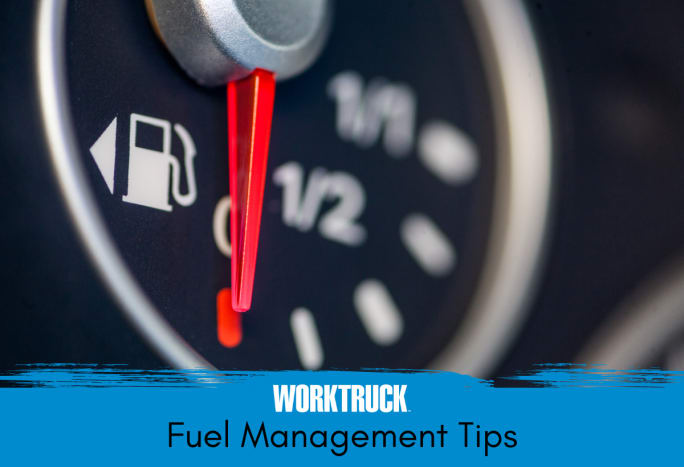
Managing fuel expenses can be the difference between profit and loss at the end of the fiscal-year.
Photo: Work Truck
In 2006, the U.S. saw record retail fuel prices (non-inflation adjusted). There are those who believed the 2006 record retail fuel prices (non-inflation adjusted) was an anomaly. The principle was that the natural disasters and political instability of the Middle East, along with a variety of other factors, caused a high degree of abnormal commercial volatility that would eventually smooth out.
However, as 2007 draws to a close, that principle may be disproved. Historical gasoline prices as reported by the Energy Information Administration for June 2007 show an increase of 3.9 percent from a year ago and more than 100 percent from four years ago. Continuing geopolitical uncertainty, extended and unanticipated refinery outages, and increases in global consumption have kept retail prices soaring at record levels for most of the year.
Businesses in which fuel or other petroleum-based products are a significant portion of the cost structure are looking for ways to reduce the effect these high prices are having on the bottom line. Fuel costs and volatility have caused businesses to search for creative solutions to help ease the impact. In addition to price risk management programs, other strategies in a comprehensive fuel management program include bulk fuel purchases and overall fuel efficiency efforts.
Margin Management
Historically, negotiating hybrid pricing programs with strategic fuel merchants and fleet card companies has been the most pragmatic way to offset the cost of retail fuel purchases. In the past, merchants have offered discounts in cents-per-gallon “retail-minus” or “rebates” as a percentage of the posted retail price to help drive fleets to their locations. However, as oil prices rise, distributor retail fuel margins tend to shrink. The rise in the cost of wholesale fuel coupled with increases in short-term interest rates has considerably escalated the overall carrying cost of the product. Translation: fewer discounts passed on to the customer.
Some fleets have engaged in index-based pricing programs commonly referred to as “cost-plus” pricing. This type of pricing program involves an agreement between a fleet and a merchant or other third party that offers the fleet the opportunity to pay a price based upon an index. Instead of paying the posted street price at a network of retail locations, the price is based upon a published index price plus taxes, freight, and a fixed margin. The theory behind this practice is the fleet pays the less-than-retail price for fuel by negotiating a fixed margin in areas where the contract margin is below the historical average.
Creating a network of hybrid pricing locations can be part of an overall fuel management strategy, but it’s only one small component. It is important to note that many “retail-minus” and the “cost-plus” costs associated with them are not necessarily transparent. Merchant-funded discounts are time-consuming to negotiate and expensive to audit. In the case of a cost-plus program, the fleet may be required to pay for a subscription to the wholesale fuel index to ensure it is charged the contracted price. Additionally, if retail margins in an area are inverted, the fleet could end up paying more for fuel than the posted street price.
Both solutions can require a great deal of analysis to identify, negotiate, and re-route drivers to discount fueling sites strategically located along a route. The diversion costs alone can far exceed the fuel savings. So if you are willing to spend this amount of time, money, and effort to control margins why not directly manage the fuel price?
Price Risk Management
Price risk management does not have to be difficult. The financial markets offer a broad spectrum of products that can be tailored to suit specific needs whether basic or complex in nature.
Financial institutions have, for some time, offered risk management to support fleet pricing programs. Financial hedging should not be viewed as betting, investing, or a way to guarantee savings. Hedges should be embraced as a chance to avoid some volatility in your business costs. Margin management is a way to contain the distributor’s spread. Price management addresses the larger issue of market risk; think of it as a way to add certainty where currently there is none.
A comprehensive hedging program can be an invaluable tool to help manage the price of fuel and offset the risk of adverse price movements. In addition to price stability, a well-managed program can aid in securing corporate objectives and profit margins through improved management planning.
Include Fuel Conservation
Fuel conservation can be easily incorporated into any fuel management program since fuel economy efforts are based more on common sense than scientific theory and complicated formulas. Following regular preventive maintenance schedules, maintaining proper tire pressure, and reducing idle times, vehicle weights, and speeds help provide increased mpg and lower overall maintenance costs.
A number of telematics companies provide hardware and software solutions that supply real-time data capture of vehicle diagnostics and driver speed to help ensure policy compliance and maintenance scheduling. Often, these solutions can be directly integrated into a fuel card or fleet management company’s online application to provide a central location for administering your program.
Originally posted on Automotive Fleet
Subscribe to Our Newsletter
More Fuel

The Smart Way to Build a Mixed-Energy Fleet Isn’t About Picking a Side
Mixed-energy fleets aren’t about picking a winning fuel. Sarah Booth of WEX explains how vehicle data, duty cycles, charging strategy, and real-world costs can help fleets choose the right energy source for each job.
Read More →
Ignoring This Dashboard Warning Could Cost Your Fleet Thousands in Fuel
New research suggests neglected diesel aftertreatment systems could waste up to $30 in fuel per vehicle each day. Here's why vocational fleets should pay attention.
Read More →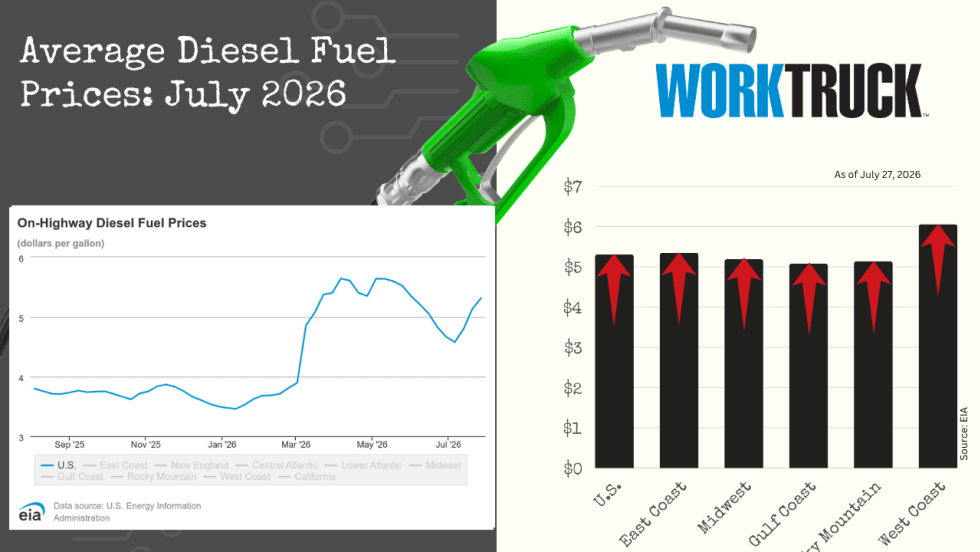
July Diesel Trends Update
The average price of a gallon of diesel increased again this week, and the EIA reported a new national average of $5.31 at the start of the week.
Read More →
WEX Brings Standard Fleet's Connected Vehicle Platform to Fleet Customers
This week’s product launch with Standard Fleet’s connected vehicle platform reflects WEX Venture Capital's strategy of turning startup innovation into customer solutions. Standard Fleet is now available to WEX fleet customers.
Read More →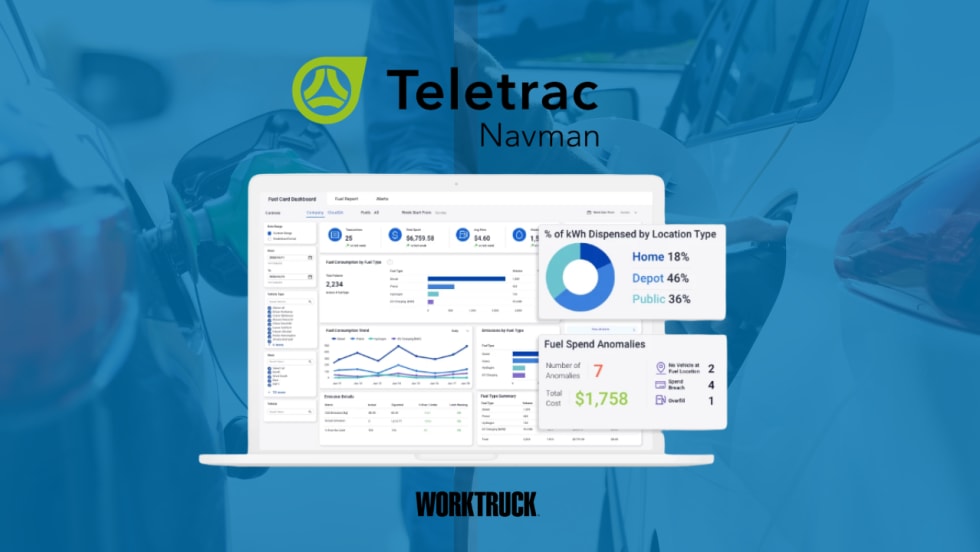
Teletrac Navman Adds Mixed-Energy Fleet Tools to TN360
The new Energy Hub combines fuel transactions, EV charging data, vehicle range, and energy costs in one dashboard for fleets operating multiple vehicle and energy types.
Read More →
WEX DriverDash adds CITGO, Expands Nationwide Access for Fleets
The DriverDash mobile payment app, by WEX, has been integrated into the CITGO merchant network, which means WEX has expanded its U.S. station footprint with the addition of approximately 4,000 CITGO locations.
Read More →
Mixed Energy Fleet Tips for Balancing EVs, Gas and Diesel Vehicles
Mixed energy fleets are becoming the new normal. Learn how fleet managers are balancing EVs, gas and diesel vehicles while controlling costs and planning for the future.
Read More →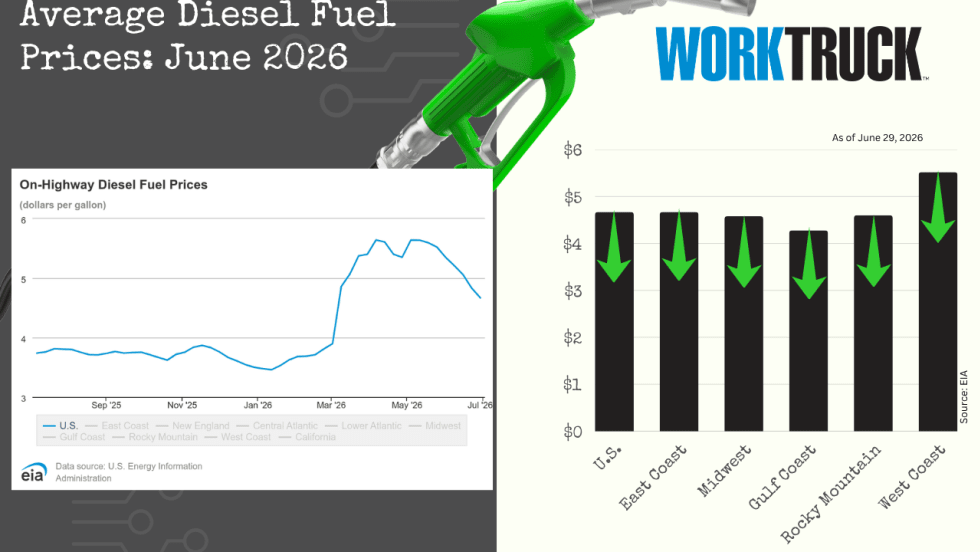
June Diesel Trends Update
The national average price of a gallon of diesel has dropped again, this week by more than 16 cents. All five regions reported lower average prices, ranging from almost 13 cents to more than 28 cents cheaper than a week ago.
Read More →
RoadFlex Launches RoadFlex Direct Open API Platform
RoadFlex Direct connects fuel cards, controls, and data to the telematics and fleet management systems fleets already run, from Geotab and Samsara to Fleetio and RTA, with no separate dashboard or double data entry.
Read More →
The Key to Fuel Efficiency Sits in the Cab
Learn how driver behavior, telematics, coaching, and fuel data can help fleets improve fuel efficiency, lower costs, and reduce emissions.
Read More →