




Bringing Lubricants into Fuel Economy & Sustainability Journey
For fleets across North America, the announcement of PC-12 clearly signals the advancement of the lubricant journey to help secure fuel economy gains, and in turn reduce carbon emissions.
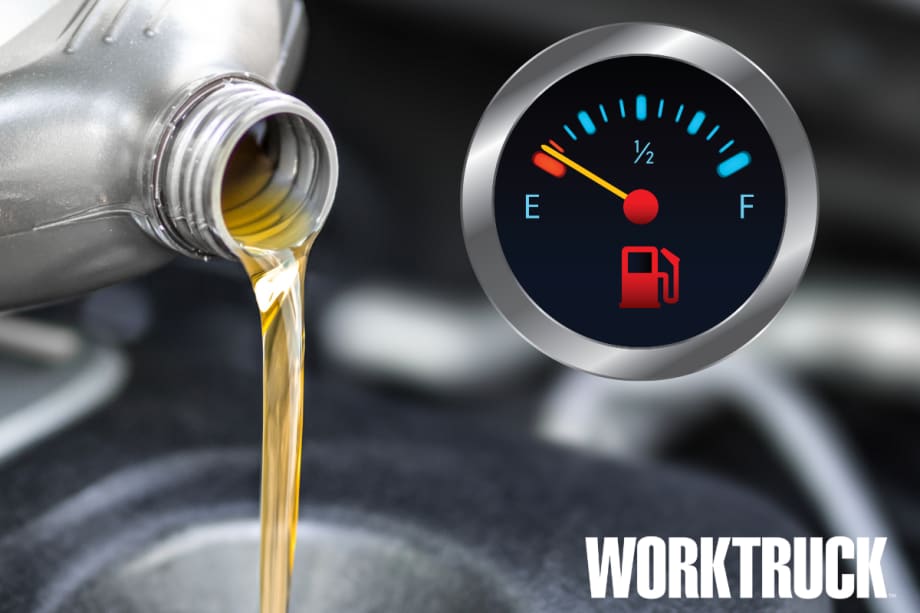
Developed to meet the needs of Original Equipment Manufacturer (OEM) engine architecture, recent decades have seen both engine and lubricant technologies become more advanced as they work together to improve fuel economy.
Photo: Canva/Work Truck
Across the globe, the sustainable journey to reduce exhaust and carbon emissions have been on-going for more than 20 years. For fleets across North America, the announcement of PC-12 clearly signals the advancement of the lubricant journey to help secure fuel economy gains, and in turn reduce carbon emissions.
When considering the overall fuel economy of a vehicle, engine oils and other lubricants are often overlooked, but they can play a key role in contributing to the efficiency and reliability of a vehicle.
Driving Efficiency & High Performance
Engine oils and lubricants enable the protection of vital hardware and support the overall performance of a vehicle. Engine oils in particular can improve engine performance and efficiency, which can help lead to reduced carbon emissions.
Developed to meet the needs of Original Equipment Manufacturer (OEM) engine architecture, recent decades have seen both engine and lubricant technologies become more advanced as they work together to improve fuel economy.
This has seen the lubricants industry begin a journey toward lower viscosity solutions. Traditionally the ‘go-to’ lubricant for the heavy-duty industries was an SAE 15W-40 engine oil, while today SAE 10W-30 lubricants are more commonly used. In fact, SAE 15W-40 lubricants have peaked and are forecast to decline to near 30% by 2029. By the same year, SAE 10W-30 is expected to account for approximately 40% of the market and SAE 5W-XX could account for up to 10%.
These lower viscosity engine oils can flow faster, and therefore need less work to move through the engine. They also reduce engine drag and pumping and rotational losses to further improve engine efficiency and performance. Together these enhanced properties enable equipment to use less fuel to achieve the same output, which reduces carbon emissions and improves fuel economy.
Considerations Selecting a Low Viscosity Lubricant
Low viscosity lubricants go through the same robust qualification testing process as high viscosity lubricants to determine their performance characteristics, including wear protection, durability, oxidation resistance, aeration control and shear stability. However, when selecting a lubricant to enhance the performance of your fleet, there are several key considerations to be aware of.
The first and most important step is to consult the Original Equipment Manufacturer (OEM) manual, or contact the OEM directly, to get their recommendation based on the engine specification.
Beyond this it’s important to consider the benefits of synthetic vs non-synthetic oils. Synthetic lubricants can offer better performance characteristics compared to conventional oils, due to their superior low temperature performance and ability to maintain viscosity to protect the engine at increased operating temperatures. Fully synthetic oils are designed for premium performance and only use synthetic base stocks and incorporate high performance additives to further improve the oil’s performance and key characteristics.
For fleets looking to secure fuel economy gains, proof of performance is key when selecting a lubricant. This should include proof of certification to relevant industry standards such as ACEA or API, along with results of real-world trials and testing. Customer testimonials form an essential component of this as they can provide a clear indicator of how a product performs.
Technical experts from lubricant manufacturers are also an expert resource that should be called upon. They can support throughout the lubricant selection process and provide informed recommendations for your fleet based on extensive experience and product testing data.
A Holistic Approach to Fuel Economy
Beyond engine oils, fuel economy gains can also be secured by using lower viscosity lubricants, where permissible, throughout the vehicle.
The drivetrain is a crucial component of the vehicle and if not performing at optimal efficiency, can adversely affect any efficiencies secured by the engine. Transmitting the power generated by the engine, the system must function correctly to maximize efficiency and improve the overall fuel economy of the vehicle.
Low viscosity lubricants can support in this holistic approach for improvements. For example, controlled field testing has shown that synthetic SAE 75W-90 gear oils can offer up to 2.25% fuel economy improvement, compared to their SAE 85W-140 counterparts. However, it is vital to always check the OEM manual and work with lubricant experts to select the correct lubricant for your fleet and operating needs.
Driving Toward Fuel Economy & Low Viscosity
The transition toward lower viscosity lubricants, and the resulting enhanced fuel economy along with reduced carbon emissions, will only be accelerated in the future with the introduction of PC-12 engine oils. Currently being developed to help OEMs meet future greenhouse gas and fuel mileage regulations, the new specification clearly highlights the role of lubricants in a fleet’s fuel economy and sustainability journey.
By choosing to work in partnership with lubricant technical experts today, fleets can make use of the latest lubricant technologies to secure both economic and environmental gains, and begin preparing for the introduction of PC-12 and the upcoming changes for heavy-duty engine oils.
About the Author: Darryl Purificati is the sr. technical advisor, OEM/automotive for Petro-Canada Lubricants. This article was authored and edited according to WT editorial standards and style. Opinions expressed may not reflect that of WT.
More Fuel

The Smart Way to Build a Mixed-Energy Fleet Isn’t About Picking a Side
Mixed-energy fleets aren’t about picking a winning fuel. Sarah Booth of WEX explains how vehicle data, duty cycles, charging strategy, and real-world costs can help fleets choose the right energy source for each job.
Read More →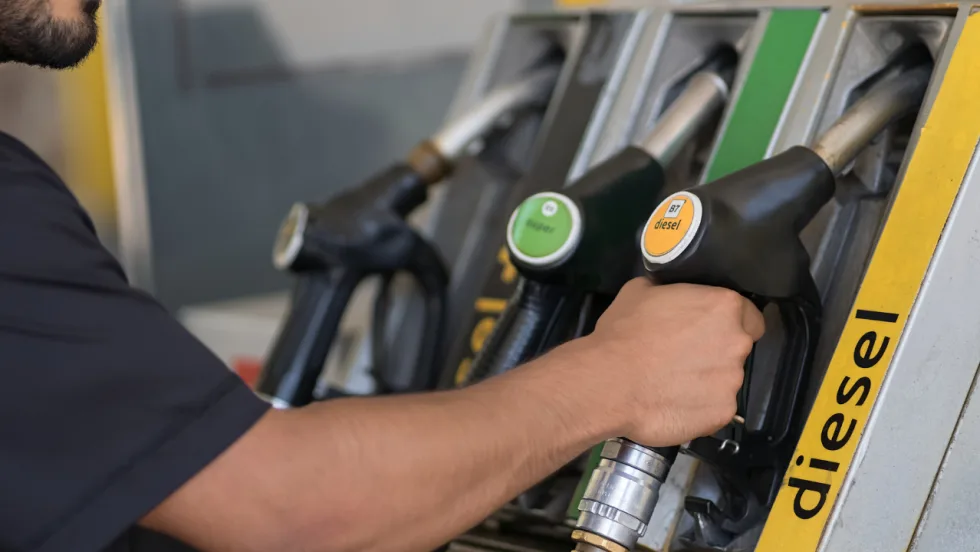
Ignoring This Dashboard Warning Could Cost Your Fleet Thousands in Fuel
New research suggests neglected diesel aftertreatment systems could waste up to $30 in fuel per vehicle each day. Here's why vocational fleets should pay attention.
Read More →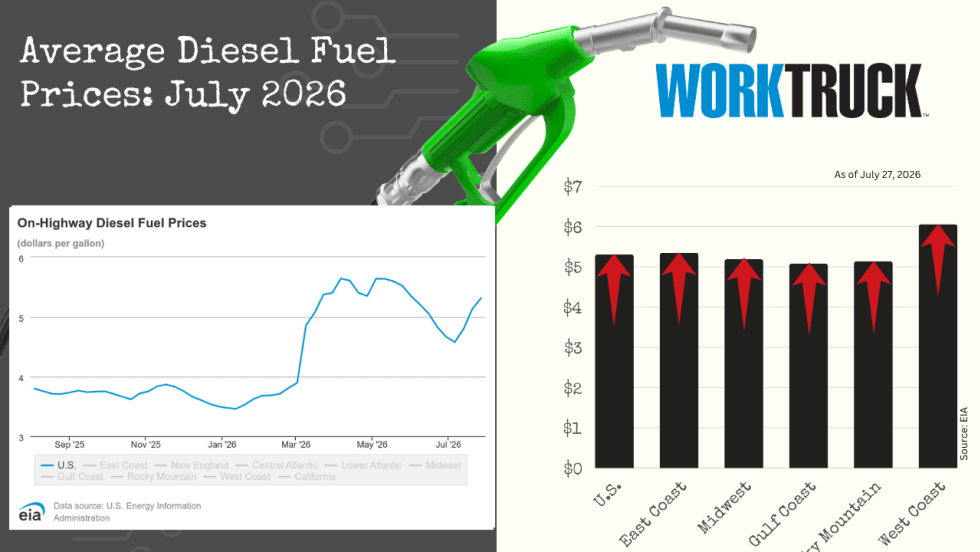
July Diesel Trends Update
The average price of a gallon of diesel increased again this week, and the EIA reported a new national average of $5.31 at the start of the week.
Read More →
WEX Brings Standard Fleet's Connected Vehicle Platform to Fleet Customers
This week’s product launch with Standard Fleet’s connected vehicle platform reflects WEX Venture Capital's strategy of turning startup innovation into customer solutions. Standard Fleet is now available to WEX fleet customers.
Read More →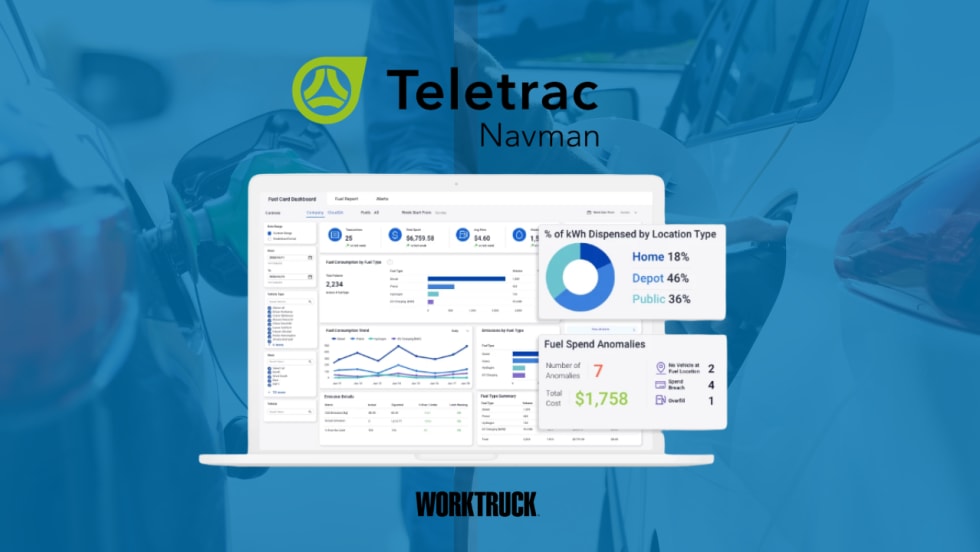
Teletrac Navman Adds Mixed-Energy Fleet Tools to TN360
The new Energy Hub combines fuel transactions, EV charging data, vehicle range, and energy costs in one dashboard for fleets operating multiple vehicle and energy types.
Read More →
WEX DriverDash adds CITGO, Expands Nationwide Access for Fleets
The DriverDash mobile payment app, by WEX, has been integrated into the CITGO merchant network, which means WEX has expanded its U.S. station footprint with the addition of approximately 4,000 CITGO locations.
Read More →
Mixed Energy Fleet Tips for Balancing EVs, Gas and Diesel Vehicles
Mixed energy fleets are becoming the new normal. Learn how fleet managers are balancing EVs, gas and diesel vehicles while controlling costs and planning for the future.
Read More →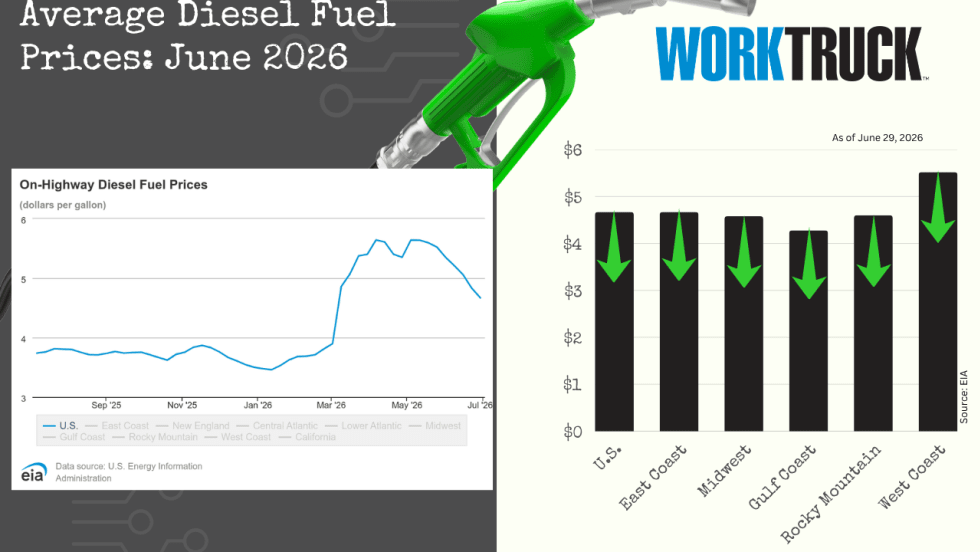
June Diesel Trends Update
The national average price of a gallon of diesel has dropped again, this week by more than 16 cents. All five regions reported lower average prices, ranging from almost 13 cents to more than 28 cents cheaper than a week ago.
Read More →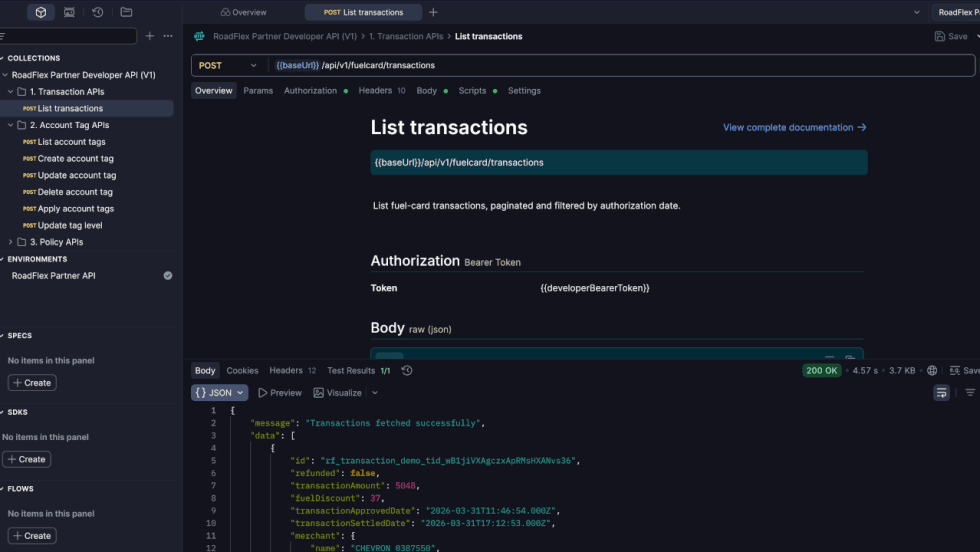
RoadFlex Launches RoadFlex Direct Open API Platform
RoadFlex Direct connects fuel cards, controls, and data to the telematics and fleet management systems fleets already run, from Geotab and Samsara to Fleetio and RTA, with no separate dashboard or double data entry.
Read More →
The Key to Fuel Efficiency Sits in the Cab
Learn how driver behavior, telematics, coaching, and fuel data can help fleets improve fuel efficiency, lower costs, and reduce emissions.
Read More →