





Want More? How to Prepare for the New Entry-Level Driver Training Rule
A Summary of ELDT Requirements
Assisting drivers through the new entry-level driver training (ELDT) requirements is to the motor carrier’s benefit.
April 12, 2022
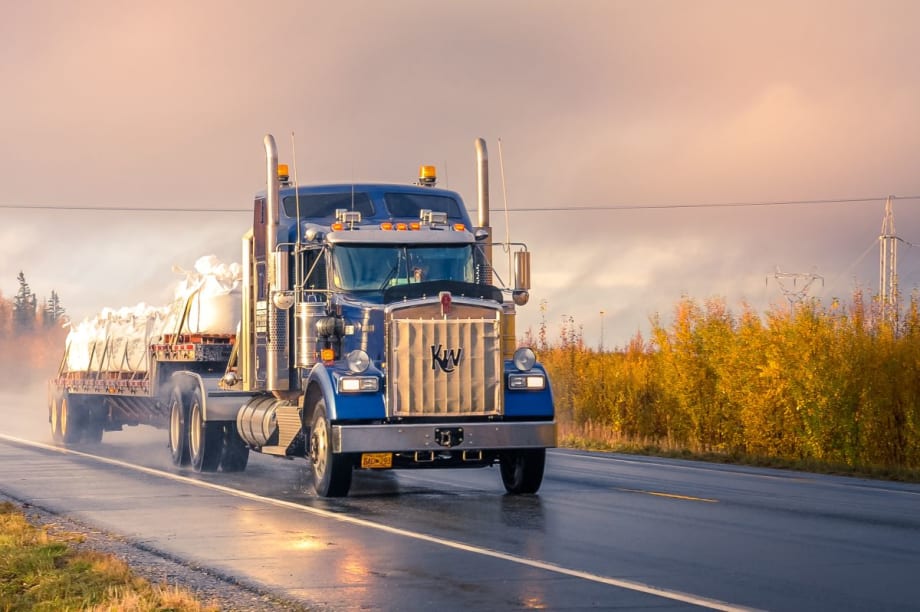
On and after the effective date, drivers must pass in-depth classroom and behind-the-wheel training — from an FMCSA-registered training provider — prior to obtaining a Class A or Class B commercial driver’s license (CDL) for the first time.
Photo: Zetong Li on Unsplash
3 min to read
New entry-level driver training (ELDT) rules went into effect on February 7, 2022.
What had previously been an employer’s training obligation switched to licensing procedures that leave most employers out of the process unless they have registered with the Federal Motor Carrier Safety Administration (FMCSA) as a training provider.
What are the ELDT Requirements?
On and after the effective date, drivers must pass in-depth classroom and behind-the-wheel training — from an FMCSA-registered training provider — prior to:
Obtaining a Class A or Class B commercial driver’s license (CDL) for the first time;
Upgrading an existing CDL to a higher class; or
Obtaining a school bus (S), passenger (P), or hazardous materials (H) endorsement for the first time.
Drivers will still be able to take the knowledge test needed to obtain a commercial learner’s permit (CLP) without entry-level training, but will need training before taking a CDL or endorsement skills test (or the H endorsement knowledge test).
Exemptions to Training Requirements
The following drivers are exempt from the new training requirements:
Drivers who already hold a CDL, learner’s permit (CLP), or an S, P, or H endorsement as of February 7, 2022, unless seeking an upgrade or if the CLP expires before the driver gets a CDL.
Any drivers for whom the state has waived the CDL skills test (see §383.77).
Drivers seeking to remove a restriction (see §383.135(b)(7)).
Who Can Act as the Training Provider?
Anyone who wants to provide ELDT-based training must apply to be added to the Training Provider Registry (tpr.fmcsa.dot.gov). This includes employers with in-house training programs intended to assist drivers in getting a CDL, upgrading a CDL class, or obtaining an endorsement. To qualify as a training provider, parties must:
Develop or purchase a curriculum that complies with 49 CFR Part 380;
Have an adequate classroom and range where they conduct the training;
Have vehicles of the correct type and class;
Have instructors with the correct CDL and at least two years of driving experience;
Comply with any state/local requirements that might apply to training providers; and
Complete the TPR application.
Employers who do not want to be listed on the TPR can still conduct routine driver training as a best practice, but they can’t perform ELDT-based training without appearing on the TPR.
Employers Can Help Facilitate the Process
To prevent any surprises at the local DMV window, employers may need to communicate the new training requirements to drivers and even lead them through the process of finding someone on the TPR. A motor carrier may even choose to pay for this training on behalf of the driver, but that’s optional.
Assisting drivers through the new ELDT requirements is to the motor carrier’s benefit. Any delay in licensing due to outstanding training prevents the carrier from using the driver in certain capacities, and with the driver shortage, a company cannot afford to have idle trucks.
Subscribe to Our Newsletter
More Operations
Family Ties Inside the Fleet Families Building Careers Across Generations
Three fleet families share what it really takes to work together, learn across generations, and keep business from following them home.
Read More →
Shades of Fleet Call for Voices: Fleet's Hidden Heroes
Fleet’s hidden heroes are often the ones keeping everything moving behind the scenes. September’s Shades of Fleet is looking for dispatchers, coordinators, parts specialists, and other support pros to share their stories.
Read More →
Truck Centers, Inc. Celebrates National Truck Driver Appreciation Week with $1,000 Fuel Card Giveaways
During National Truck Driver Appreciation Week, Truck Centers, Inc. is offering customers a chance to fuel up for free. Customers at all Truck Centers locations can enter to win one of four $1,000 fuel cards from Sept. 14 - 18.
Read More →
Fleet Guides, AI Time-Savers, Truck Tariffs & Fuel Strategy Lead the News
This week’s Truck Chat Cheat Sheet covers new fleet vehicle guides, practical AI use cases, U.S.-Canada truck production, mixed-energy strategy, and more.
Read More →
What Fleet Employers Are Missing When Hiring Veterans
What if some of the strongest candidates for fleet are already out there, but their experience is written in a language our industry does not always recognize?
Read More →
Automotive Fleet Opens 2026 Personal Use Survey for Commercial Fleet Managers
Less than two weeks left! Commercial and corporate fleet managers are invited to share how their organizations handle company vehicle personal-use policies, charges, and driver eligibility.
Read More →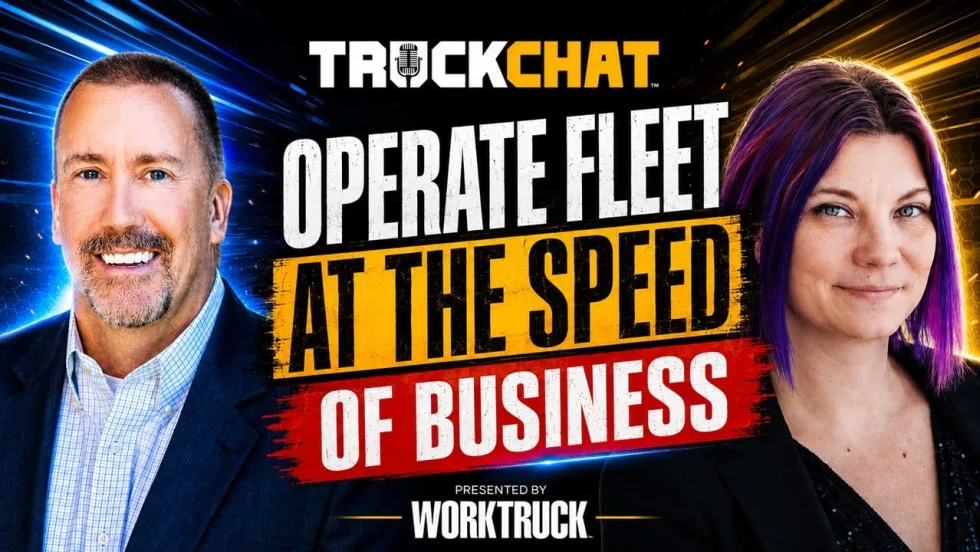
What Resilient Fleets Do Differently When Conditions Change
Fleet resilience is about more than reacting to disruption. Lauren Fletcher talks with AP Fleet’s Alex Coveney about flexibility, planning, scaling, and what helps fleets adapt when business conditions shift.
Read More →
If We Want the Next Generation in Automotive, We Have to Give Them a Reason to Care
The automotive industry talks constantly about its workforce shortage. But before we can recruit the next generation, we may need to do a better job giving kids a reason to care about automotive in the first place.
Read More →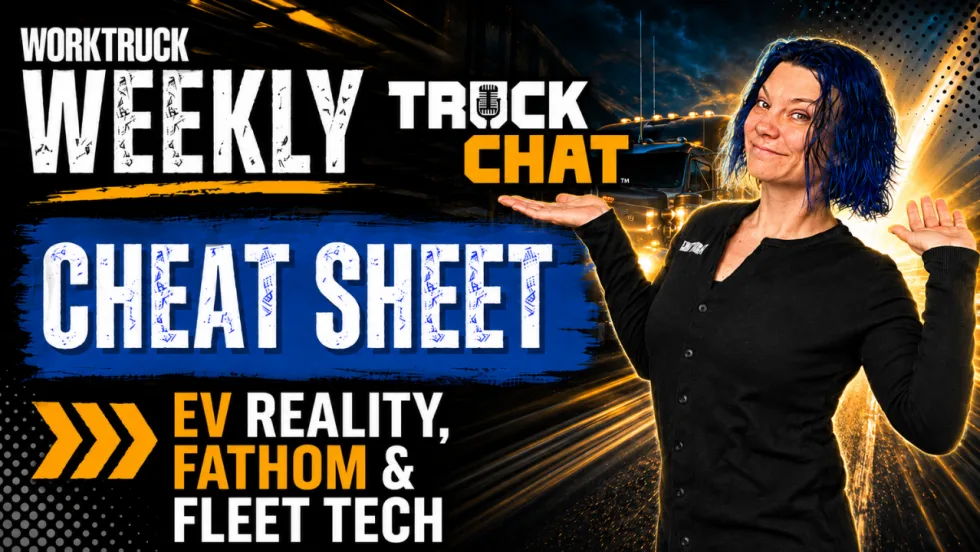
Ram ProMaster City Under $40K, Truck Tariffs, and AI Maintenance Lead the News
A sub-$40K commercial van, tariff questions, AI-powered maintenance, and a new EV production strategy headline this week’s Truck Chat Cheat Sheet.
Read More →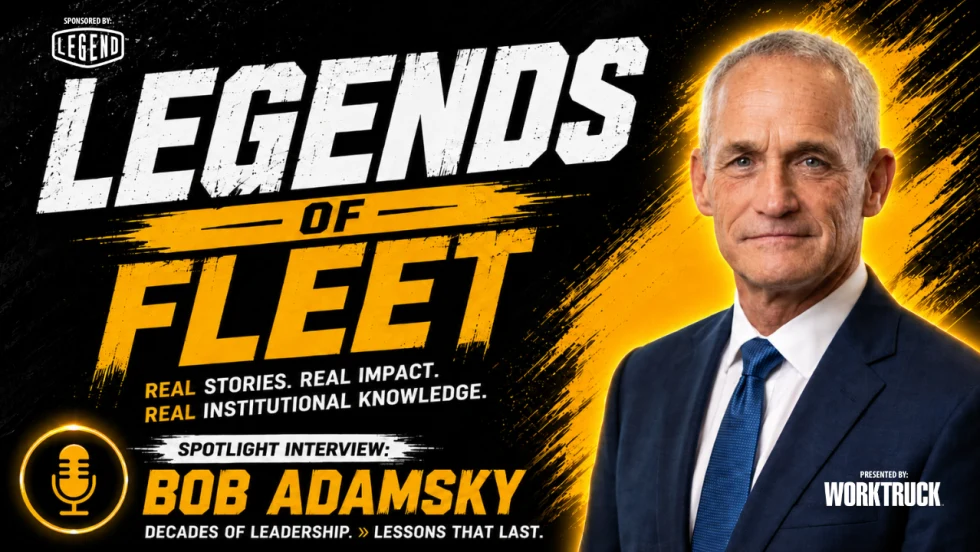
Bob Adamsky Shares the Fleet Lessons You Usually Learn the Hard Way
After more than 30 years in fleet, Arrow International’s Bob Adamsky has learned that the job is about far more than vehicles. He shares the lessons he wishes every fleet manager could learn a little earlier.
Read More →