




20 Ways to Increase Cargo Security
Not all vehicles or fleet policies are equal when providing cargo security. Minimizing temptation for would-be thieves is the key to eliminating vehicle content theft problems.


Encourage drivers to keep windows closed at all times. It is a wiser investment to pay for air conditioning than replacing pricey equipment. AC will also enhance vehicle resale.
Photo: This is an AI-generated image. Refer to our Terms of Use.
If you think vehicle break-in is a huge problem for fleet managers, you’re right. Cargo theft still remains a major problem when maintaining a fleet budget.
What’s the solution? Staying out of high-crime areas? Hiring an army of rent-a-cops? Sometimes, these are not realistic solutions to a very real problem. Real answers lie in facing potential cargo security problems by taking preventive steps to minimize risk.
Here is a checklist of ways to see if you are presenting an irresistible target for thieves or if you are making it harder for them to accomplish their thieving pursuits.
1. Don’t Tempt Thieves
Why hold up a flag alerting would-be thieves that you are carrying valuable cargo? Vehicles painted with elaborate logos and fancy colors are like moving advertisements for thieves.
2. Consider Theft Alarm Systems
In most states, insurance companies give discounts to vehicles equipped with passive alarm systems. Finding a high-quality, competitively-price alarm system should not be a problem.
3. Drive with the Doors Locked
Carjackers can enter an unlocked door in a split-second while a vehicle is at a stop light. Minimize this risk by keeping your doors locked at all times.
4. Invest in a FOB Lock System
It is easy to forget to lock up when lugging heavy equipment or thinking about the tough job ahead. Purchasing vehicles with a keyless FOB entry transmitter is a great way to ensure vehicles are automatically locked as soon as the driver leaves the vehicle. The small FOB transmitter can be carried in-pocket.
5. Lock Up Those Tools
Utility boxes are great for tool storage. They are also perfectly compact, takeaway packages of valuable goodies for thieves. Make sure to padlock all bin covers and doors. Storage systems are excellent ways to secure items to the vehicle while making it impossible for thieves to walk away with a box full of expensive tools.
6. Keep the Windows Closed
Encourage drivers to keep windows closed at all times. It is a wiser investment to pay for air conditioning than replacing pricey equipment. AC will also enhance vehicle resale.
7. Tool Storage Security for Pickup Trucks
Cargobody units offer 210 cu. ft. of interior storage capacity while larger models can accommodate 300 cu. ft of interior storage capacity. All Cargobody products can be universally mounted to any standard 6.5-ft. or 8-ft. domestic pickup bed. These storage units are excellent choices for maximum tool security on open-bed trucks.
8. Consder Sliding-Door Compartments
Sliding interior doors are a godsend for valuables. The drawers slide rearward from the vehicle for easy access and conceal items when closed. Joey Bed cargo pull-out drawers allow for maximum space with easy maneuverability. Load ranges are from 200-2,000 lbs. Joey Beds are manufactured in several lengths, widths, and styles to fit the particular storage and security needs of any fleet.
9. Install Van Shelving and Bins
Service vans are tempting targets; shelving and bins organize what is carried and reduce visibility from the outside.
10. Avoid Bad Delivery Times
Schedule deliveries during business hours in high-crime areas, and make sure customers are ready to receive them. Local police can inform you of time periods when crime is at its worst.
11. Keep in Touch with Drivers
Telematics technology is a wise investment for long-term savings. Satellite monitoring of driver routes and times, fuel usage, and even maintenance problems can all be tracked via GPS systems. They are also an excellent tool when drivers need immediate emergency assistance should a security problem occur.
12. 'Chain' Keys to Your Drivers
Written fleet policies should instruct drivers to always place vehicle keys in their pockets when leaving vehicles unattended. Always.
13. Control Rest-Stop Parking
It only takes about 40 seconds for a thief to break into a vehicle and hotwire the engine. Caution your drivers to park where danger is least likely to occur during breaks and food stops.
14. Schedule Cargo Handling in Safer Areas
Counsel your drivers not to handle cargo in unsafe areas — have them drive away and work with cargo where it is safer.
15. Use Two-Person Teams in Dangerous Areas
Reduce risks in high-crime areas by using a “buddy system” during deliveries. Women on the job are twice as likely to be considered targets for theft. Take extra precautions, such as training employees in self-defense and using PDAs for improved morale and personal safety.
16. Consider Deep-Tinted Glass
Take a tip from limousine operators — deep tinted glass lets light in, but makes it hard to see inside.
17. Anonymity can be Helpful
Consistently using the same vehicles and the same drivers carrying the same load is an easy way for thieves to stalk and target which vehicles carry the most treasured goods. Throw a wrench in the mix. Criminals make their living taking advantage of unsuspecting people doing day-to-day activities. Being unpredictable with your fleet activities is a great way to outsmart crooks.
18. Communicate Through Warning Decals
If your drivers don’t carry money, let others know it. Other decals can offer rewards for information assisting in the arrest of suspected vehicle theives.
19. Secure Company Parking Lots
Fencing and illumination for company parking lots are other tools to ward off thieves. Security surveillance systems and armed response are great ways to keep an eye on equipment when you can’t.
20. Park Vehicles Overnight in Secure Areas
Overnight street parking is trouble waiting to happen. Specify where you do and do not want to have vehicles parked.
More Safety & Compliance

Recalls You Need to Know About in October 2026
In October 2026, what recalls might impact your fleet? Work Truck has the answers in this comprehensive overview of recent NHTSA recalls.
Read More →
Construction Fleets Show Telematics Adoption Alone May Not Reduce Driving Risk
SambaSafety found construction fleets monitor roughly 92% of their vehicles but recorded the highest severe speeding rate among industries studied.
Read More →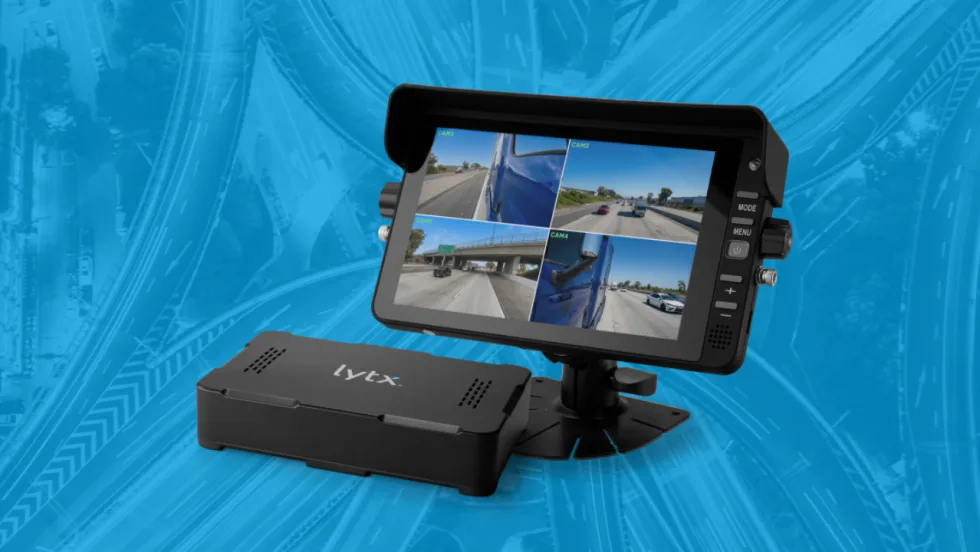
Lytx Launches 360 Hub Kit for Expanded Fleet Camera Visibility
Lytx’s new AI-ready gateway and HD auxiliary camera ecosystem, the Lytx 360 Hub Kit, extends visibility across side, rear, cargo, and blind-zone views to help fleets see more and respond faster.
Read More →From Our Partners


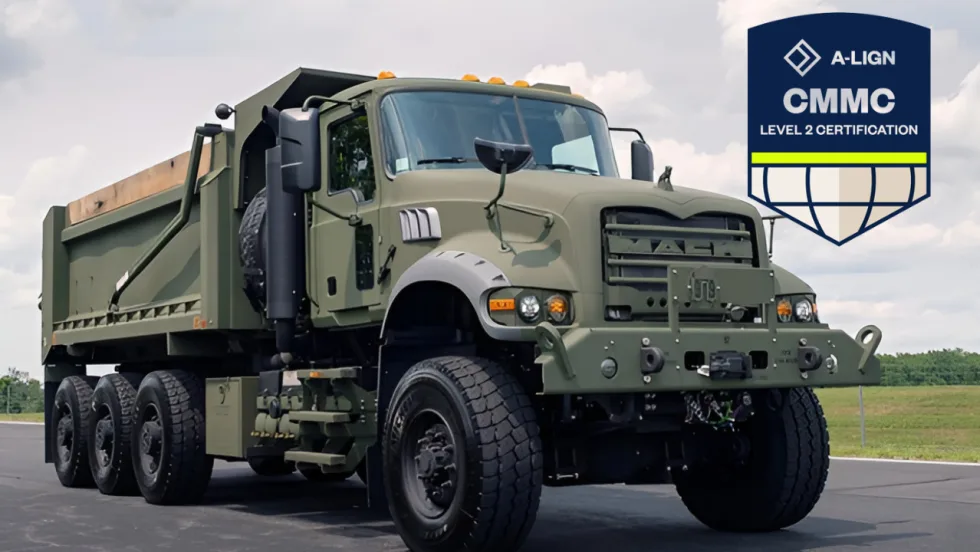
Mack Defense Achieves Cybersecurity Maturity Model Certification Level 2
After an assessment conducted by an authorized Certified Third-Party Assessment Organization (C3PAO), Mack Defense has achieved Cybersecurity Maturity Model Certification (CMMC) Level 2.
Read More →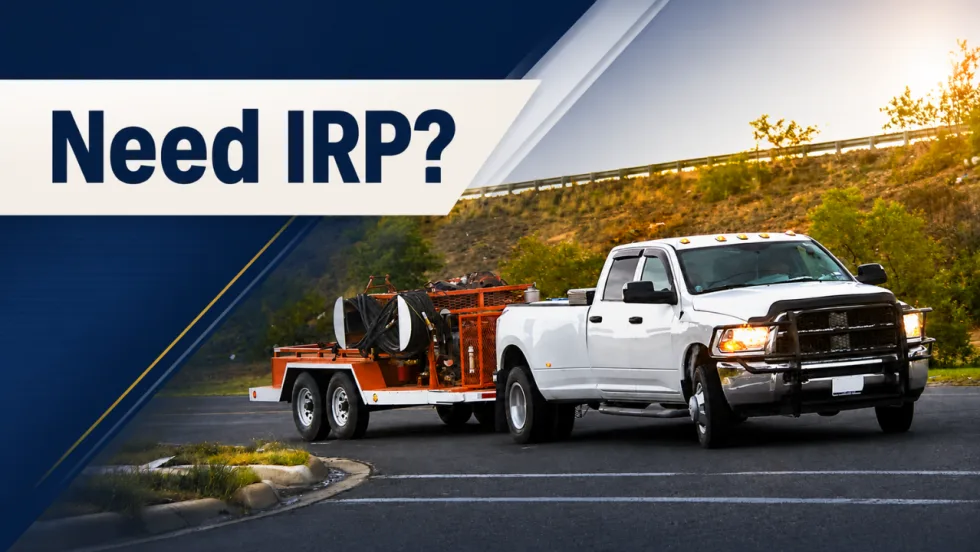
When Work Trucks Under 26,001 Pounds Need IRP Registration
Think trucks under 26,001 pounds are automatically in the clear when it comes to IRP? Not always. Learn where lighter vehicles can still run into trip permit, apportioned registration, and IFTA compliance requirements when crossing state or provincial lines.
Read More →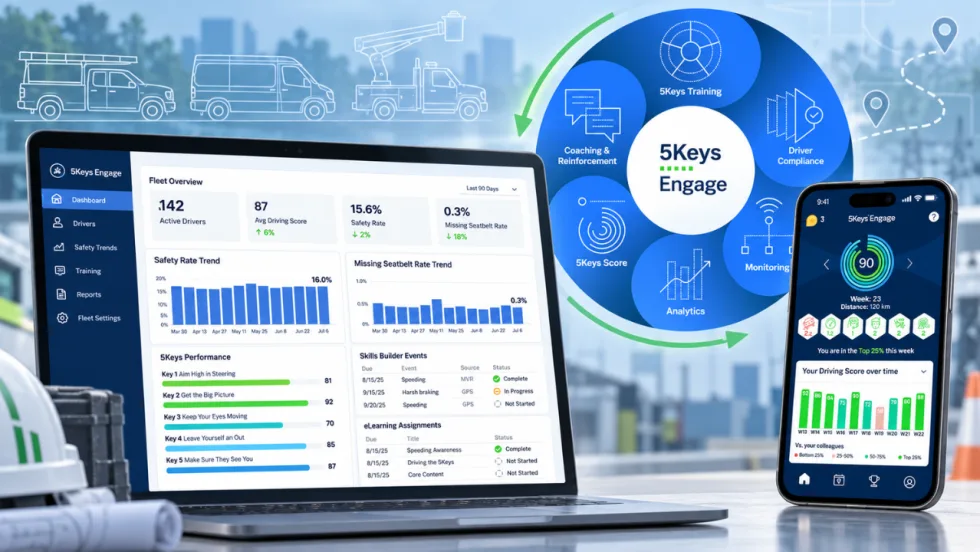
Smith System Wants Work Truck Fleets to Look Beyond the Driver Alert
Smith System’s new Driver Risk Management program is built to help mixed work truck fleets turn telematics alerts and observations into specific behaviors, coaching actions, and measurable follow-up.
Read More →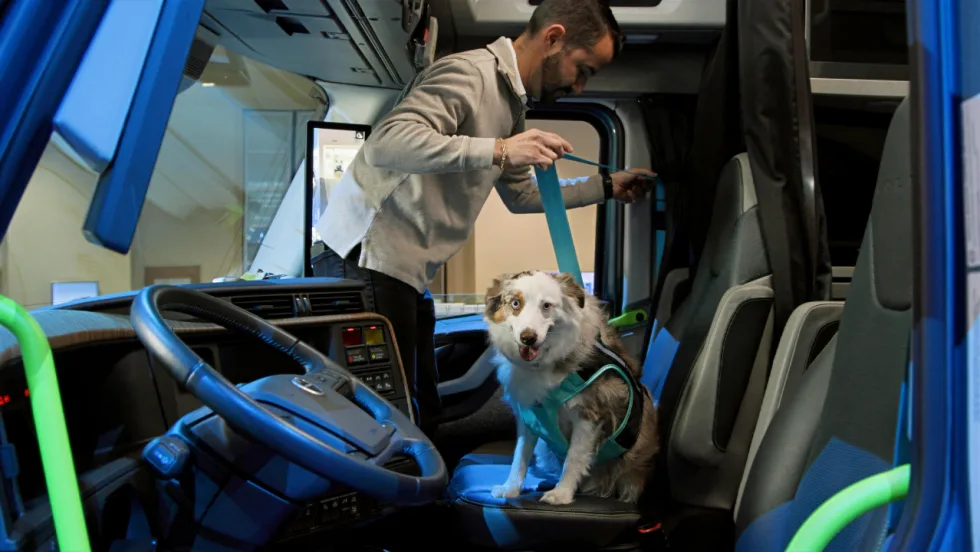
Volvo Trucks Releases New Safety Recommendations for Traveling with Pets
One of the most important recommendations for professional drivers traveling with pets is to ensure pets are properly restrained while the truck is moving. Other tips are available in the new guide from Volvo Trucks North America and Center for Pet Safety.
Read More →
Are Work Truck Drivers Warming Up to Dash Cams and GPS Tracking?
A new survey finds field-service drivers may be more comfortable with dash cams and GPS tracking than fleet managers think, especially when the technology helps protect them after a crash.
Read More →
Recalls You Need to Know About in September 2026
If you have Altec, Chrysler, Ford, Heil, General Motors, International, Mack Trucks, Paccar, Rivian, Royal Truck, Toyota, US Truck Body, or Volvo Trucks vehicles in your fleet, you should check these important recalls issued by the National Highway Safety Administration.
Read More →
API Issues Refueling Safety Guidelines
The American Petroleum Institute offers a list of safe vehicle refueling guidelines, including ways to avoid potential problems with static electricity discharges in fall, winter, and early spring.
Read More →