




Related: A Solid Safety Culture Steers Crucial Fleet Outcomes
Five Ways Seat Belts Help Prevent Injuries
There are five ways seat belts protect occupants from injuries, according to the Tennessee Department of Safety and Homeland Security.
by Staff
February 4, 2026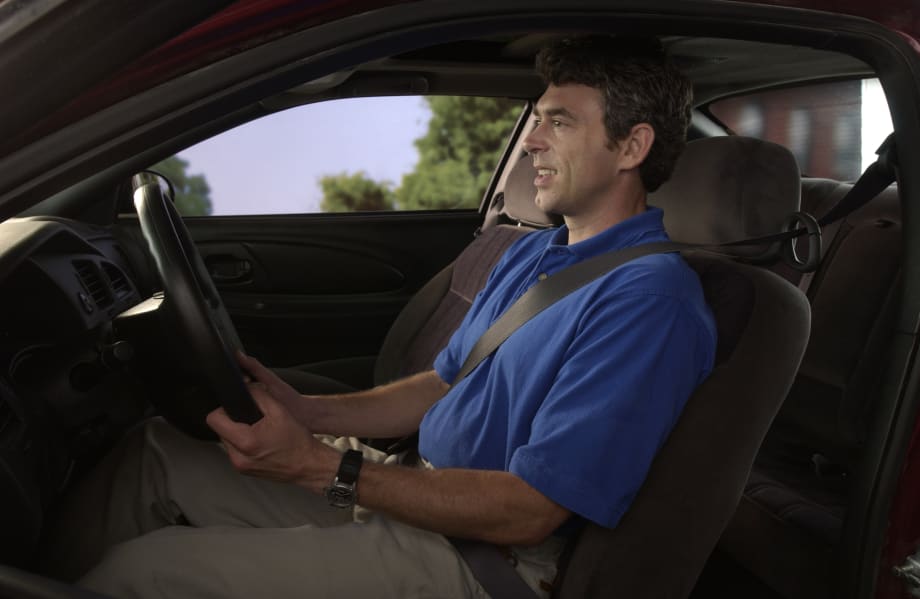
Photo courtesy of the National Highway Traffic Safety Administration.
2 min to read
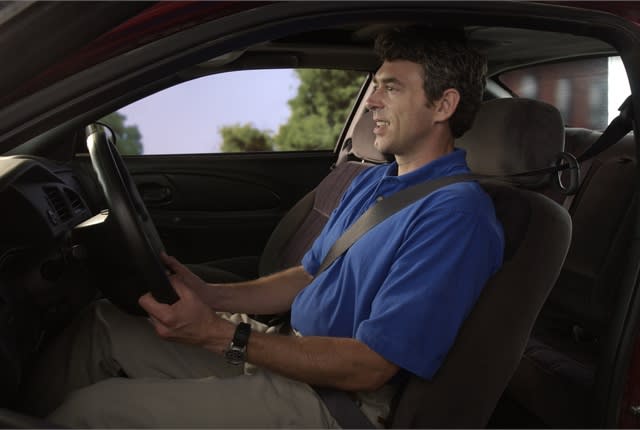
Photo courtesy of the National Highway Traffic Safety Administration.
Editor's Note: This content was originally published in August 2017. It has been reviewed and updated for continued relevance.
It’s important that fleet drivers remember to buckle up each and every trip. According to the Tennessee Department of Safety and Homeland Security, here are five ways seat belts protect occupants from injuries:
Preventing ejection. Ejection greatly increases the chance of death or serious injury. The chance of being killed in a crash by being ejected from a vehicle is one in eight. Safety belts virtually eliminate ejection. The belted driver stays inside the car and is better protected from injury.
Shifting crash forces to the strongest parts of the body’s structure. To get the most benefit from a seat belt, be aware of the following points:
The lap belt should be worn low over the pelvis with the bottom edge touching the tops of the thighs snugly.
The shoulder belt should be worn over the shoulder and across the chest, not under the arm and over the abdomen. Make certain that the shoulder belt is not worn so loosely that it slides off the shoulder.
Pregnant women should wear the lap belt below the abdomen and the shoulder belt above the belly.
Spreading crash forces over a wide area of the body. Safety belts reduce the possibility of injury from “hostile” surfaces inside the car (steering wheel, dashboard, windshield, controls, etc.). Even if the belted driver collides with one of these surfaces, the impact is much less forceful and often results in less serious injury.
Keeping the body more closely in the “proper driving posture.” The belt keeps the driver “in the driver’s seat.” A belted driver is better able to handle emergencies and often avoids more serious trouble.
Protecting the head and spinal cord. A belted driver is less likely to be stunned or unconscious in a crash and is better able to cope with the situation. Research has found that proper use of lap/shoulder belts reduces the risk of fatal injury to front-seat passenger car occupants by 45% and the risk of moderate-to-critical injury by 50% (for light truck occupants, 60% and 65%, respectively).
Originally posted on Automotive Fleet
More Safety
When Work Trucks Under 26,001 Pounds Need IRP Registration
Think trucks under 26,001 pounds are automatically in the clear when it comes to IRP? Not always. Learn where lighter vehicles can still run into trip permit, apportioned registration, and IFTA compliance requirements when crossing state or provincial lines.
Read More →
Volvo Trucks Releases New Safety Recommendations for Traveling with Pets
One of the most important recommendations for professional drivers traveling with pets is to ensure pets are properly restrained while the truck is moving. Other tips are available in the new guide from Volvo Trucks North America and Center for Pet Safety.
Read More →
API Issues Refueling Safety Guidelines
The American Petroleum Institute offers a list of safe vehicle refueling guidelines, including ways to avoid potential problems with static electricity discharges in fall, winter, and early spring.
Read More →
Winter Fleet Prep: Expert Tips to Keep Vehicles Running Smoothly
Cold weather can expose weak batteries, tires, fuel systems, and maintenance gaps fast. Use this winter fleet checklist to prepare trucks and drivers before temperatures drop.
Read More →
When a Work Truck Breaks Down, the Job Can Stop, Too
A work truck breakdown can stop more than the vehicle. Discover how payloads, jobsites, and specialty equipment change the roadside response.
Read More →
What Stronger Long-Term Fleet Service Partnerships Actually Require
Fleet service partnerships rarely fall apart all at once. Learn the three warning signs that trust is eroding and what fleets and providers can do before downtime, frustration, and lost revenue follow.
Read More →
Applause & TRUCE Software Partner to Improve Driver Safety Through AI-Powered Telematics & Employee Performance Management
Applause has integrated TRUCE driving metrics directly into its employee-first performance and safety platform that transforms mobile devices into AI-powered telematics.
Read More →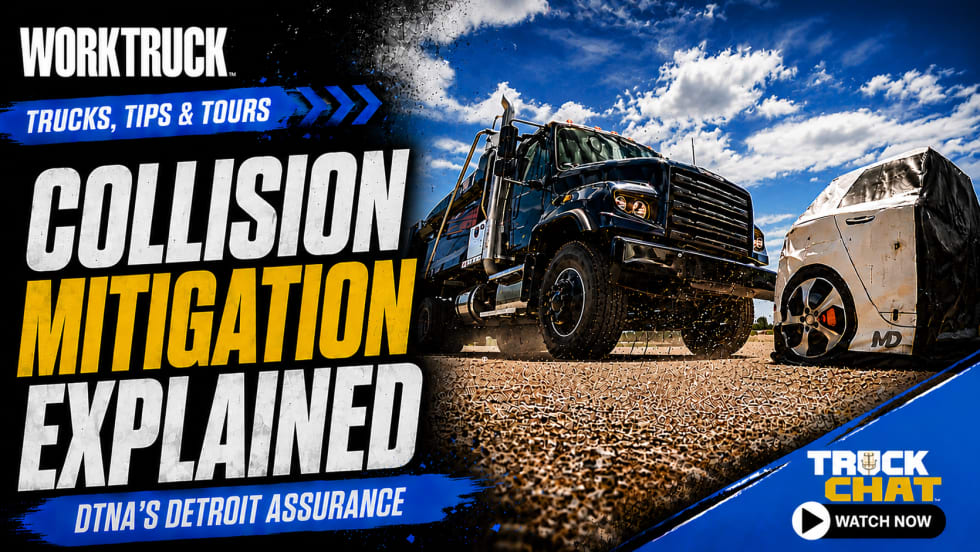
How Detroit Assurance with Active Brake Assist Works
Do you want to see what it is like to experience Detroit Assurance’s Active Brake Assist? In this video, Work Truck will put you in the cab to see how it all works and then hear more details from DTNA’s Mike Young.
Read More →
Get Left of Loss: A 5-Step Workplace Violence Prevention Framework for Fleet Operators
Violence risks do not stop at the driver’s door. Learn five practical steps fleets can take to spot threats early and protect workers before loss occurs.
Read More →
Sponsored•July 17, 2026
How Better Visibility Cut Speeding Violations by 48%
Fleet leaders don't need more data, they need clearer visibility into what the data is saying. This case study explores how one utility replaced speeding-event counts with a single metric — miles driven in violation — to strengthen safety and significantly reduce speeding violations.
Read More →