





Fleet Tips: Developing Budget-Friendly Driver Safety Programs
API Issues Refueling Safety Guidelines
The American Petroleum Institute offers a list of safe vehicle refueling guidelines, including ways to avoid potential problems with static electricity discharges in fall, winter, and early spring.
August 31, 2026

Static electricity can build during refueling and, in rare cases, ignite gasoline vapors. Fleet drivers can reduce the risk by staying outside the vehicle while fueling and following basic pump safety practices.
Credit:
This image was generated with OpenAI. Please refer to our terms of use.
3 min to read
Static electricity-related fires at fueling stations are rare, but the risk can increase when conditions are cool and dry. For fleet drivers who spend more time at the pump than the average motorist, following a few basic refueling practices can help reduce the chance of a static discharge or other fueling-related incident.
The American Petroleum Institute offered a list of safe vehicle refueling guidelines, including ways to avoid potential problems with static electricity discharges in fall, winter and early spring.
One of the most important precautions is simple: Do not get back into the vehicle while refueling.
Entering and exiting a vehicle can allow static electricity to build up, particularly in dry conditions. If a driver then reaches for the nozzle or fuel-fill area without first discharging that static electricity, a spark could ignite gasoline vapors near the fill point.
If a driver must re-enter the vehicle while fueling, they should touch a metal part of the vehicle away from the fuel-fill opening before returning to the nozzle.
Safe Refueling Practices for Fleet Drivers
Fleet managers can reinforce these basic fueling procedures with drivers:
- Turn off the vehicle engine before refueling.
- Place the vehicle in park and set the parking brake.
- Do not smoke or use matches or lighters near the fueling area.
- Do not get back into the vehicle while fuel is being dispensed.
- Use only the hold-open latch provided on the fuel nozzle. Never use another object to keep the nozzle open.
- Do not overfill or top off the fuel tank.
- Stay near the vehicle and monitor the fueling process.
What to Do if a Fire Starts
If a fire occurs while refueling, drivers should not attempt to remove the nozzle from the vehicle. Instead, back away from the vehicle and immediately alert the station attendant so the pumps can be shut down using the facility's emergency controls.
At an unattended fueling location, drivers should use the emergency fuel shut-off and call for emergency assistance.
Filling Portable Fuel Containers Safely
Portable gasoline containers also require additional precautions. Use only an approved fuel container and always place it directly on the ground before filling. Portable containers should not be filled while inside a vehicle, trunk, pickup bed, or trailer.
Keeping the container on the ground helps reduce the possibility of static electricity igniting fuel vapors.
For fleet managers, these procedures are simple enough to incorporate into driver safety meetings, fueling policies, and new-driver training. Static-related incidents may be uncommon, but consistent fueling habits can help keep a routine stop at the pump from becoming a preventable safety event.
Editor’s note: This article was originally published in January 2001 based on tips from API and has been updated with current refueling safety guidance to make sure the information remains relevant for today’s fleets and drivers.
More Safety & Compliance
GeoFencing Adds to Your Truck Security Arsenal
Geofencing is a familiar fleet tool today, but its early adoption marked a major shift in vehicle tracking, route monitoring, and the debate over employee privacy.
Read More →
Recalls You Need to Know About in October 2026
In October 2026, what recalls might impact your fleet? Work Truck has the answers in this comprehensive overview of recent NHTSA recalls.
Read More →
Construction Fleets Show Telematics Adoption Alone May Not Reduce Driving Risk
SambaSafety found construction fleets monitor roughly 92% of their vehicles but recorded the highest severe speeding rate among industries studied.
Read More →From Our Partners


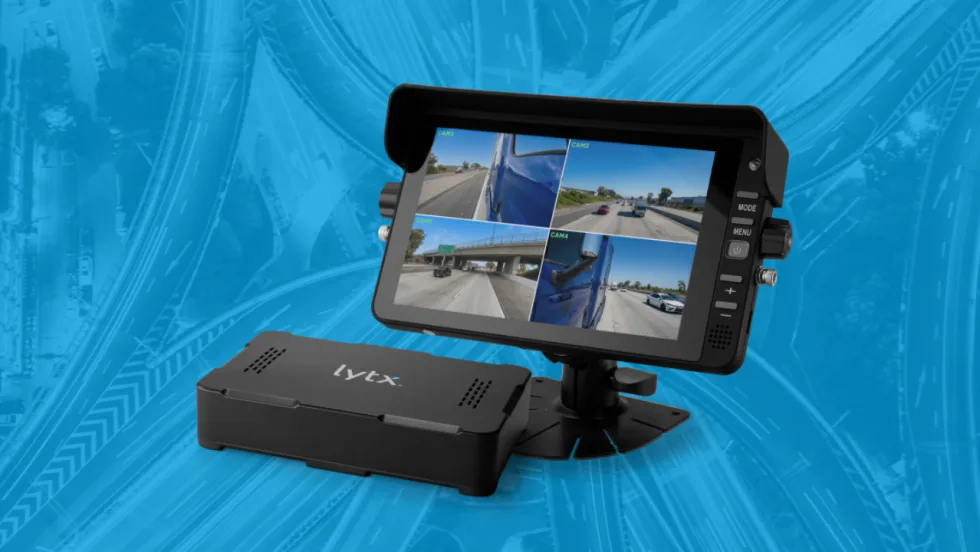
Lytx Launches 360 Hub Kit for Expanded Fleet Camera Visibility
Lytx’s new AI-ready gateway and HD auxiliary camera ecosystem, the Lytx 360 Hub Kit, extends visibility across side, rear, cargo, and blind-zone views to help fleets see more and respond faster.
Read More →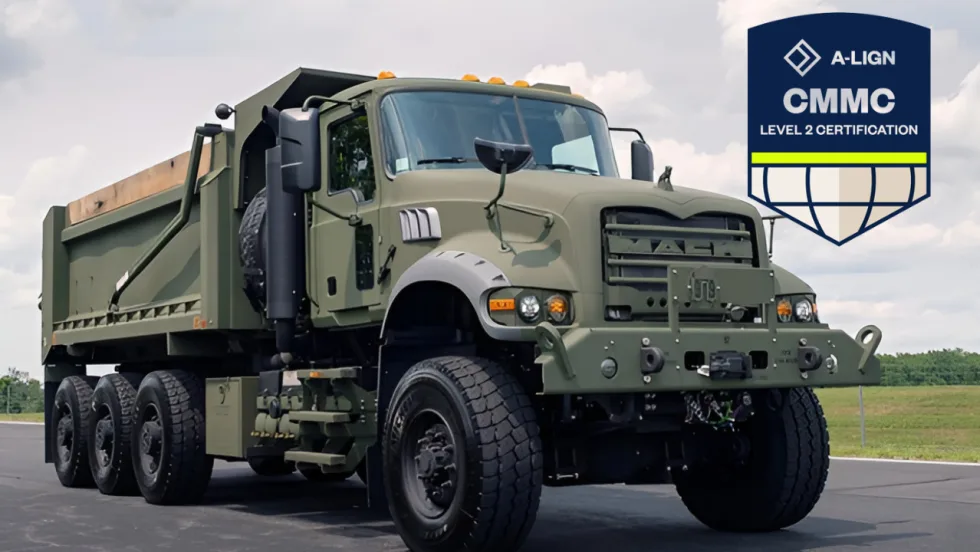
Mack Defense Achieves Cybersecurity Maturity Model Certification Level 2
After an assessment conducted by an authorized Certified Third-Party Assessment Organization (C3PAO), Mack Defense has achieved Cybersecurity Maturity Model Certification (CMMC) Level 2.
Read More →
When Work Trucks Under 26,001 Pounds Need IRP Registration
Think trucks under 26,001 pounds are automatically in the clear when it comes to IRP? Not always. Learn where lighter vehicles can still run into trip permit, apportioned registration, and IFTA compliance requirements when crossing state or provincial lines.
Read More →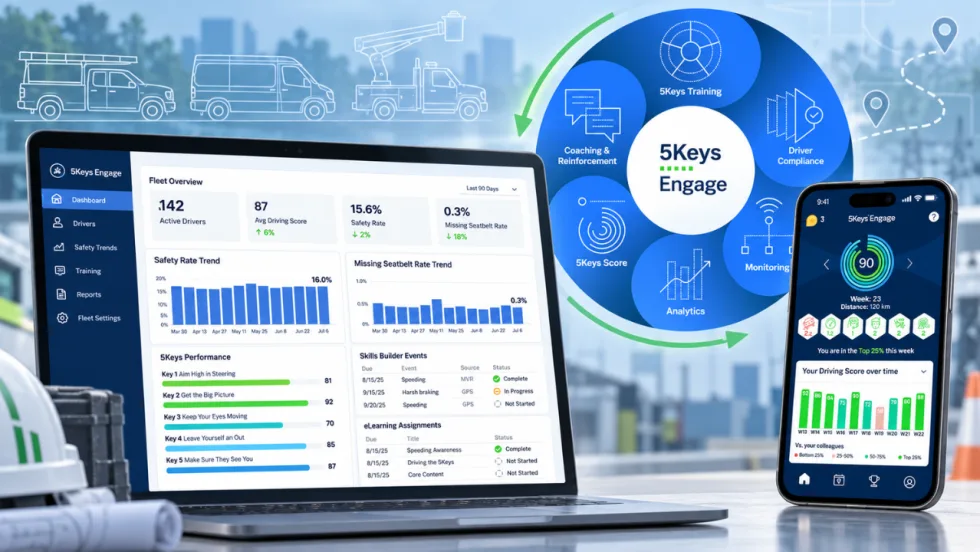
Smith System Wants Work Truck Fleets to Look Beyond the Driver Alert
Smith System’s new Driver Risk Management program is built to help mixed work truck fleets turn telematics alerts and observations into specific behaviors, coaching actions, and measurable follow-up.
Read More →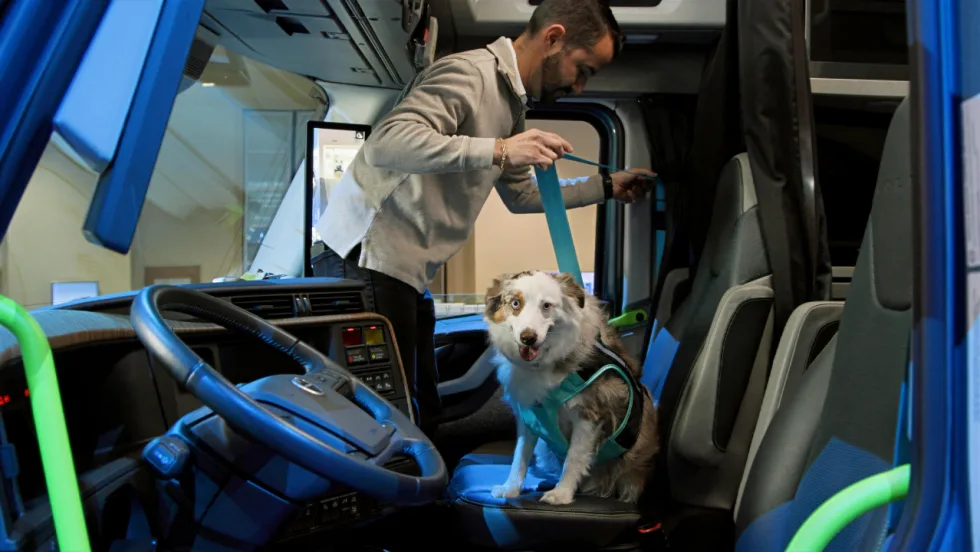
Volvo Trucks Releases New Safety Recommendations for Traveling with Pets
One of the most important recommendations for professional drivers traveling with pets is to ensure pets are properly restrained while the truck is moving. Other tips are available in the new guide from Volvo Trucks North America and Center for Pet Safety.
Read More →
Are Work Truck Drivers Warming Up to Dash Cams and GPS Tracking?
A new survey finds field-service drivers may be more comfortable with dash cams and GPS tracking than fleet managers think, especially when the technology helps protect them after a crash.
Read More →
Recalls You Need to Know About in September 2026
If you have Altec, Chrysler, Ford, Heil, General Motors, International, Mack Trucks, Paccar, Rivian, Royal Truck, Toyota, US Truck Body, or Volvo Trucks vehicles in your fleet, you should check these important recalls issued by the National Highway Safety Administration.
Read More →