




Winter Fleet Prep: Expert Tips to Keep Vehicles Running Smoothly
Cold weather can expose weak batteries, tires, fuel systems, and maintenance gaps fast. Use this winter fleet checklist to prepare trucks and drivers before temperatures drop.


Preparing trucks for winter means looking beyond the vehicle itself. Emergency supplies, visibility tools, and cold-weather gear can help drivers stay safer when conditions turn rough.
Work Truck
- Experts emphasize the importance of preparing fleet vehicles in advance for the challenges of winter weather.
- Companies like FleetNet America and Cox Automotive provide valuable guidance on winterizing vehicles effectively.
- Optimal vehicle maintenance ensures fleet operations remain smooth during colder months.
*Summarized by AI
Winter has a way of finding the maintenance issue nobody had time to deal with in October. A battery that seemed fine suddenly struggles to start a truck. Tire pressure drops. Washer fluid runs out halfway through a storm. Diesel fuel begins creating cold-weather headaches. And a relatively minor roadside problem becomes considerably more serious when temperatures fall below freezing.
For work truck fleets, winter preparation is not just about getting vehicles through snow and ice. It is about keeping trucks available for the jobs that still have to get done when conditions are at their worst.
That makes the weeks before winter an important time to take a closer look at vehicles, maintenance schedules, driver supplies, and operating procedures.
The following checklist incorporates winter maintenance guidance from Fleet Services by Cox Automotive along with additional Work Truck coverage on preparing commercial vehicles for cold-weather operation.
Start With the Battery and Electrical System
Winter weather puts additional demands on batteries and starting systems. Cold temperatures slow the chemical reactions inside a battery, reducing available power just when the vehicle may need more of it to start.
According to winter maintenance guidance from Fleet Services by Cox Automotive, fleets should test batteries before sustained cold weather arrives rather than relying on battery age or appearance alone.
A pre-winter electrical inspection can include:
- Load-testing batteries where appropriate.
- Cleaning battery terminals and checking connections for corrosion or damage.
- Confirming the charging system is operating correctly.
- Inspecting starters, alternators, wiring, and related electrical components.
- Checking belts for wear, cracking, or improper tension.
- Testing block heaters, battery heaters, and other cold-weather equipment before they are needed.
Electric vehicles require their own cold-weather strategy. Low temperatures can reduce battery efficiency and available driving range while cabin heating adds another demand on stored energy.
Preconditioning is one tool fleets can use to help manage the impact. Warming the EV battery and cabin while the vehicle is still connected to a charger allows the vehicle to use grid power for some of that heating instead of pulling energy from the battery once the route begins.
Give Tires More Attention as Temperatures Drop
Tire maintenance becomes particularly important as temperatures change.
Tire pressure decreases as temperatures fall, which can affect handling, fuel economy, tire wear, and traction. Drivers and technicians should check tires when they are cold and inflate them according to the vehicle manufacturer's recommended pressure.
Fleet Services by Cox Automotive also recommends fleets closely monitor tire pressure and adjust as temperatures change.
Do not rely only on a tire pressure monitoring system. TPMS technology can alert drivers to significant pressure loss, but regular inspections can identify developing problems before a warning appears.
A winter tire inspection should look at:
- Inflation pressure.
- Remaining tread depth.
- Uneven or irregular wear.
- Cuts, cracks, bulges, and punctures.
- Sidewall damage.
- Valve stems and caps.
- Whether the tire is appropriate for the vehicle's winter operating conditions.
Fleets operating regularly in severe winter conditions should also evaluate whether their tire selection matches the environment and duty cycle. Depending on geography and application, that could include winter tires or other cold-weather tread options.
Fleets evaluating additional traction strategies can also learn more about tire siping and other winter tire considerations.
Make Visibility Part of the Winter PM Checklist
Snow, freezing rain, road spray, shorter daylight hours, and dirty roads can turn a small visibility problem into a significant safety issue.
Visibility checks should go beyond simply replacing worn wiper blades. Before winter, inspect:
- Headlights and high beams.
- Brake lights and turn signals.
- Emergency flashers.
- Marker and clearance lights.
- Trailer lighting where applicable.
- Wiper blades and washer systems.
- Defrosters and heaters.
- Heated mirrors, if equipped.
Replace wiper blades if they streak, skip, or fail to clear the windshield properly. Washer reservoirs should also be filled with fluid rated for the temperatures the vehicle is expected to encounter.
Drivers should be reminded to clear snow and ice from lighting, mirrors, windows, cameras, sensors, and other visibility or safety equipment before leaving.
A vehicle can be mechanically ready for the day and still be unsafe to operate if the driver cannot see or other motorists cannot see the vehicle.
Check the Cooling System Before the Cold Arrives
A cooling-system problem may sound more like a summer concern, but coolant is just as important during cold-weather operation.
Check coolant condition and concentration according to the vehicle manufacturer's specifications rather than assuming every vehicle in the fleet requires the same mixture.
Winter maintenance guidance from Fleet Services by Cox Automotive also calls for checking diesel coolant additives, where applicable, and inspecting the supporting components of the cooling system.
That includes:
- Hoses and clamps.
- Belts.
- Radiators.
- Coolant reservoirs.
- Water pumps and related components where part of the PM inspection.
- Signs of leaks, deterioration, or contamination.
- Block heaters on vehicles equipped with them.
This is especially important for mixed fleets. Different vehicles, engines, and model years may have different coolant specifications and maintenance requirements, so one universal shop rule may not work across every asset.
Winter preparation is a good opportunity to make sure technicians know which fluids belong in each vehicle and that the correct replacement fluids are readily available before severe weather hits.
Do Not Ignore Air and Brake Systems
Air dryers play an important role in protecting truck braking systems from moisture, and that becomes particularly important when temperatures fall below freezing.
Winter maintenance guidance from Fleet Services by Cox Automotive identifies freezing within air systems as an area fleets should address before cold weather arrives.
Moisture that enters an air system can freeze and interfere with normal operation. Air dryers, filters, tanks, lines, and related components should be inspected and maintained according to OEM recommendations.
Winter preparation should also include a broader brake-system inspection. Depending on vehicle type, that may involve checking:
- Brake pads, shoes, or linings.
- Rotors and drums.
- Air lines and hoses.
- Air dryer operation.
- Air tanks and moisture accumulation.
- Brake adjustment and overall operation.
- Warning indicators and system faults.
Snow and ice already make stopping more difficult. Worn or poorly maintained brake components only add another variable.
Build a Cold-Weather Diesel Fuel Plan
Diesel fleets have their own winter concerns, particularly when trucks operate across regions with significantly different temperatures. Fuel properties change in cold weather, and diesel can begin to form wax crystals as temperatures fall. If enough wax accumulates, filters and fuel systems can become restricted and leave a truck unable to operate.
Fleets should work with their fuel supplier and follow engine and vehicle manufacturer recommendations for the temperatures and regions where their trucks operate.
Depending on the application, the winter fuel strategy could include:
- Seasonal or region-specific fuel blends.
- OEM-approved fuel additives.
- Testing or servicing fuel heaters.
- Replacing fuel filters according to the proper maintenance interval.
- Monitoring water separators.
- Keeping appropriate cold-weather supplies on hand at fleet facilities.
- Reviewing fueling locations for trucks traveling between warmer and colder regions.
Do not wait until the forecast calls for a deep freeze to start thinking about fuel. A truck fueled in a relatively mild climate may be dispatched into conditions considerably colder than where that fuel was purchased.
Diesel exhaust fluid presents a different winter consideration. DEF freezes at about 12 degrees Fahrenheit, but modern selective catalytic reduction systems are designed to thaw it as the vehicle operates.
Fleets should follow OEM guidance for DEF storage, handling, and cold-weather operation. Do not add anything to DEF or attempt to prevent freezing with an improvised or aftermarket workaround that is not approved by the manufacturer.
Plan for Reduced EV Range in Cold Weather
Electric work trucks do not have diesel gelling or traditional cold-start concerns, but winter still changes the operating equation.
Cold temperatures can reduce available battery energy while heating the passenger compartment consumes additional energy. For fleets, that means the range available on a cold January morning may not match the range operators see during mild weather.
That makes route planning and charging strategy particularly important for EVs operating in cold climates.
Fleet managers should understand how temperature affects each vehicle's actual duty cycle rather than planning around a single year-round range figure.
Preconditioning can help, particularly when vehicles can be warmed while still connected to a charger. Parking EVs indoors or in covered locations when possible may also help moderate exposure to extreme temperatures.
Connected-vehicle tools and EV telematics can give fleet managers a clearer picture of how winter is affecting:
- State of charge at dispatch.
- Energy consumption.
- Charging time.
- Charging behavior.
- Route completion.
- Vehicle location.
- Idle and dwell periods.
- Day-to-day range.
Winter planning should also account for what happens when the route does not go according to plan. Traffic, road closures, detours, extended idle periods, and weather delays can change the energy equation.
Know where charging is available along critical routes and consider maintaining a larger range buffer during severe weather rather than planning routes around the vehicle's maximum expected capability.
Put the Right Emergency Supplies in Every Truck
Preventive maintenance can reduce breakdown risk, but it cannot eliminate every weather-related delay.
Fleet Services by Cox Automotive recommends preparing the cab along with the vehicle itself so drivers have essential supplies available if they are stranded, delayed, or waiting for roadside assistance.
The contents should reflect the vehicle's application, route, and operating region, but a basic winter kit may include:
- Ice scraper and snow brush.
- Flashlight and spare batteries.
- Portable phone charger or power bank.
- Warning triangles, flares, or other approved warning devices.
- First-aid supplies.
- Work gloves and insulated gloves.
- Blanket or other cold-weather covering.
- Water.
- Nonperishable food.
- Shovel.
- Traction material.
- Jumper cables or an approved jump pack.
- Extra windshield washer fluid.
- Job-specific cold-weather PPE.
The exact kit will look different for a service van making local calls than it will for a truck traveling hundreds of miles through rural areas.
Build the kit around the places the vehicle actually operates and how long a driver could realistically be waiting for assistance.
And do not treat emergency kits as a one-and-done purchase. Include them in periodic inspections. Missing flashlight batteries, expired supplies, an empty washer-fluid bottle, or the blanket someone borrowed last February will not be particularly helpful when a driver is sitting roadside in January.
Prepare Drivers Along With the Vehicles
A winter-ready truck still needs a winter-ready driver.
Before severe weather arrives, review fleet expectations for operating in snow, ice, freezing rain, high winds, and reduced visibility.
That can include reminders about:
- Reducing speed for conditions.
- Increasing following distance.
- Conducting thorough pre-trip inspections.
- Removing snow and ice from the vehicle.
- Monitoring changing weather and road conditions.
- Adjusting or abandoning a route when conditions warrant.
- Knowing when to stop instead of trying to push through deteriorating conditions.
- Reporting vehicle problems before they turn into roadside failures.
Creating a strong driver-centric culture also means making sure drivers feel comfortable speaking up when road conditions become unsafe or a vehicle does not seem ready for the road.
Drivers should know who to contact when conditions change and understand how much authority they have to alter a route or stop operating when they believe continuing would be unsafe.
Route planning becomes especially important when storms are expected. Weather forecasts, road closures, chain requirements, fuel or charging availability, and safe stopping locations can all affect whether a trip should continue as planned.
Winter driving coaching can also reinforce something experienced drivers already know well. The posted speed limit is not necessarily the right speed for the conditions.
Use Fleet Data to Find Winter Trouble Earlier
Winter preparation should not begin from scratch every year.
Review maintenance and roadside records from previous winters. Look specifically for:
- Jump-starts.
- No-start events.
- Battery replacements.
- Roadside service calls.
- Tows.
- Tire failures.
- Fuel or fuel-filter issues.
- Brake or air-system problems.
- Heating and defrost complaints.
- Wiper or visibility problems.
- Repeat failures involving the same vehicles or components.
Patterns can help identify vehicles, systems, or maintenance intervals that need more attention before the next cold snap.
Mileage is not the only measurement that matters for work trucks. Engine hours, idle time, duty cycle, geography, equipment use, and seasonal workload can all help determine when maintenance should occur.
Telematics and fleet management systems can also help flag diagnostic trouble codes, battery concerns, maintenance intervals, and other developing problems before they turn into an emergency repair.
The goal is not another dashboard full of alerts. It is using the information the fleet already collects to find the truck most likely to cause a problem before the weather does it for you.
Winter Fleet Preparation Comes Down to Uptime
There is no way to remove winter from the equation for fleets operating in cold-weather regions.
But there is a big difference between dealing with weather and dealing with weather plus a maintenance problem that could have been caught weeks earlier.
Before temperatures drop, make sure your winter checklist covers the basics:
- Test batteries and charging systems.
- Inspect tires and monitor pressure.
- Check coolant and cold-weather fluids.
- Inspect brakes and air systems.
- Test lights, wipers, defrosters, and heaters.
- Prepare diesel fuel systems for low temperatures.
- Adjust EV charging and range plans for cold weather.
- Stock emergency supplies.
- Review winter operating procedures with drivers.
- Look at last winter's data for clues about where problems may appear again.
When the first major winter storm arrives, the goal should be pretty simple.
The truck is ready, the driver is ready, and the job can keep moving.
Editor's note: This article was originally published in November 2024 and has been substantially updated with additional Work Truck winter maintenance and safety coverage. The article incorporates winter maintenance guidance originally provided by Cox Fleet.
Quick Answers
Preparing vehicles for winter is crucial to ensure they operate smoothly and safely in cold conditions, reducing the risk of breakdowns and accidents.
*Summarized by AI
More Maintenance & Uptime

Armor Equipment Strengthens Minnesota Service Capabilities with Acquisition of Dakota Truck
Armor Equipment has acquired Dakota Truck, a medium- and heavy-duty truck and trailer repair business based in Lakeville, Minnesota. The acquisition adds truck and trailer repair expertise, building on Armor’s expansion into the Upper Midwest.
Read More →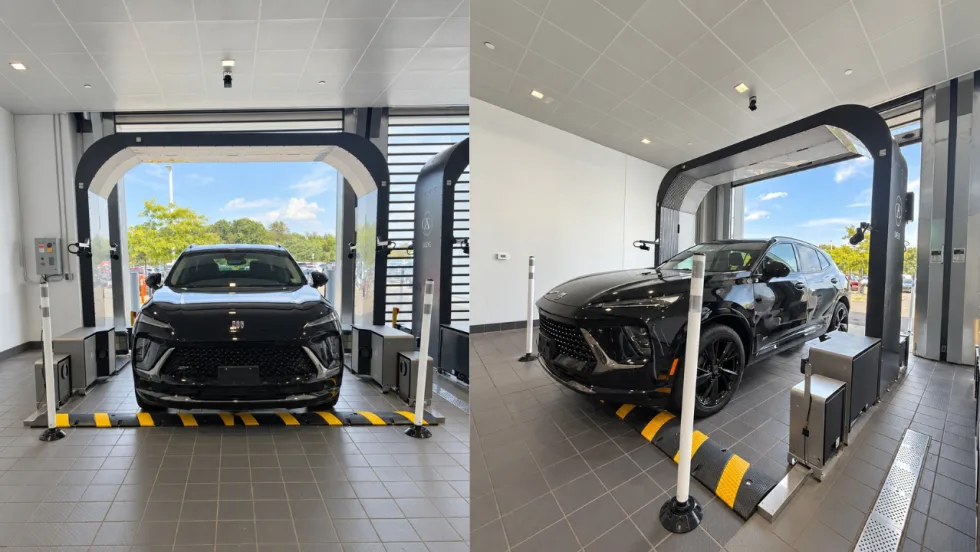
LaFontaine Partners With UVeye to Expand AI Vehicle Inspections in Michigan
LaFontaine is expanding UVeye AI vehicle inspections across Michigan, while UVeye tells Work Truck how the technology can support fleet maintenance and heavy-duty vehicle inspections.
Read More →
Les Schwab Expands Commercial Tire Footprint Into Arizona
Les Schwab Tires has expanded into Arizona with two commercial tire locations in Phoenix and Tucson, strengthening its fleet service footprint in the Southwest.
Read More →From Our Partners



Volvo Trucks’ 'Lock and Leave' Software Updates Go Live Across North America
Unattended over-the-air software updates are now available in Volvo trucks across the U.S. and Canada. The new capability lets trucks stay current with the latest software without interrupting operations or requiring a dealership visit.
Read More →
Why Technician Appreciation Can’t Be a Once-a-Year Thought
For fleets trying to keep skilled technicians, recognition cannot begin and end with Technician Appreciation Week. Learn what year-round appreciation really looks like and why the everyday technician experience matters just as much as pay when fleets are trying to keep good people.
Read More →
How Faster Driver Reporting Can Keep Small Truck Problems Small
When minor damage, warning lights, or equipment issues are reported late, small problems can quickly become bigger maintenance headaches. Conversational AI can help shorten the path from what a driver notices in the field to the person who can act on it.
Read More →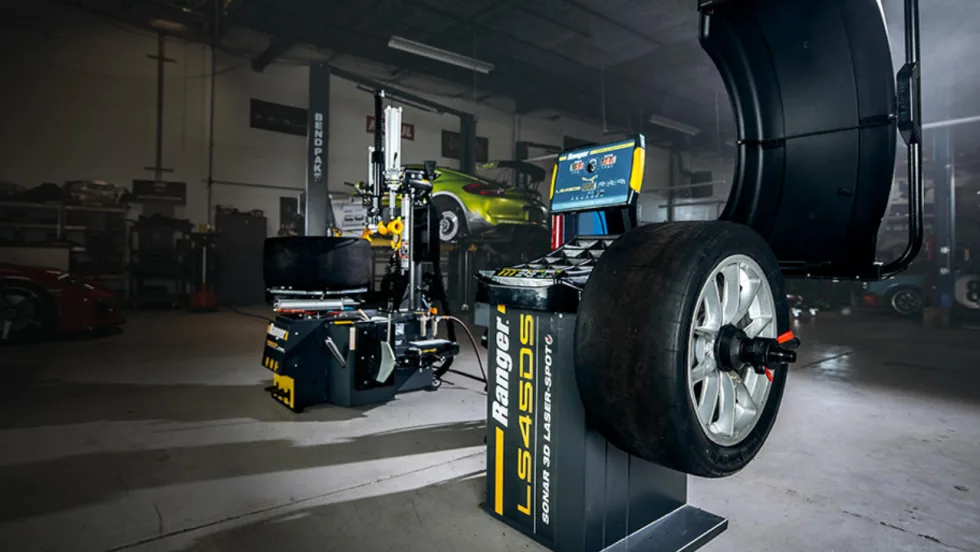
BendPak’s Ranger Wheel Service Equipment Achieves North American Safety Certification
BendPak’s full line of Ranger tire changers and wheel balancers has been ETL certified to UL and CSA standards to improve operator safety.
Read More →
Isuzu & U.S. Department of Labor Celebrate Milestone for Veterans Apprenticeship Program
The Isuzu Veterans Apprenticeship Program (IVAP) signing ceremony highlighted Isuzu’s long-term commitment to veterans, Isuzu dealers, and the skilled workforce supporting its customers and the commercial transportation industry.
Read More →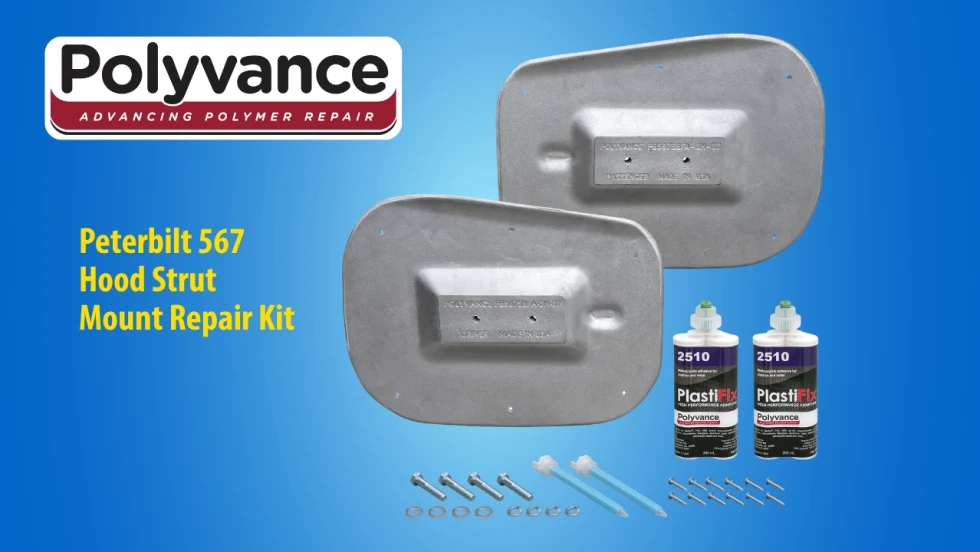
Polyvance Introduces New Peterbilt 567 Hood Strut Mount Repair Kit
Polyvance has launched a repair solution for Peterbilt 567 hood struts, helping truck owners and repair facilities avoid costly hood replacements.
Read More →
Cox Automotive Celebrates Technical Excellence at 2026 Top Tech Finals
The top technicians from Cox Fleet and Manheim tested their skills in Nashville, Tennessee, at Cox Automotive’s 2026 Top Tech Finals. The overall winners will advance to compete at the American Trucking Association’s TMC SuperTech competition.
Read More →