




Georgia Tech PhD Students Join Geotab Teams in $223K Traffic Study
Georgia Tech PhD students are partnering with Geotab on a $223K research project to study traffic data and improve mobility and safety.


PhD students from Georgia Tech are working with Geotab on a $223K traffic research project focused on mobility, safety, and congestion in Atlanta.
Photo: Work Truck | Geotab
Geotab Inc. announced a research investment of up to $223,000 to support a doctoral project at Georgia Tech. The funding allows PhD students to work with Geotab staff to study traffic patterns and explore ways to improve road safety using advanced data and AI tools.
Geotab and Georgia Tech formalized their collaboration through a Master Agreement that opens the door for joint research between Geotab teams, faculty, and students.
“We are driven by innovative research,” said Neil Cawse, founder and CEO of Geotab. “Geotab is marking its 25th anniversary, celebrating remarkable global growth, pioneering AI driven innovation, and continuing to support research in the communities we serve. Georgia Tech is a key community partner that is helping us improve a real-world problem — traffic congestion — by embedding researchers on our teams where they can learn and contribute alongside one another.”
The project, Assessing the Potential of Geotab’s Altitude Data for Urban Freight and Mobility Insights, is being led by Dr. Sofia Perez-Guzman and Dr. Benoit Montreuil. The research focuses on analyzing traffic in the Atlanta area and evaluating how Altitude by Geotab can help validate traffic congestion models. PhD candidates began embedded researcher roles at Geotab this summer, working directly with internal teams.
“We’re excited about this collaboration to drive innovation in mobility systems,” said Pinar Keskinocak, chair of the H. Milton Stewart School of Industrial and Systems Engineering at Georgia Tech. “It reflects Georgia Tech’s commitment to advancing technology with tangible societal benefits and preparing our students to tackle real-world challenges. Leveraging advanced data analytics and AI, this collaboration will address critical mobility challenges and improve traffic flow, safety, and freight logistics and bring transformative change in urban transportation systems and smarter cities, starting with Atlanta.”
Geotab also works with Georgia Tech through its annual Engineering Capstone Design competition and the Supply Chain and Logistics Institute Industrial Advisory Board. This includes a keynote and panel discussion earlier this year where Cawse spoke with students, researchers, and partners about how Geotab uses data and AI to support fleet operations.
Watch the latest Automotive Fleet interview with Neil Cawse to hear more about his insights and vision for the industry:
More Technology & AI
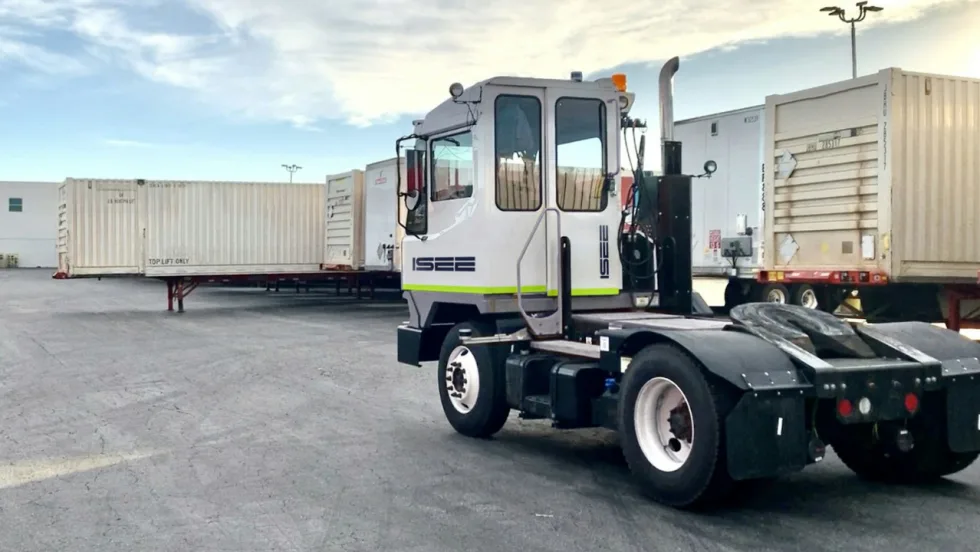
Holman and ISEE Partner to Expand Autonomous Yard Truck Operations
The partnership combines Holman's fleet management and upfitting capabilities with ISEE's autonomous driving technology to help businesses deploy and manage driverless yard trucks.
Read More →
Who You Gonna Call? Rivian Turns Electric Vehicles Into Ghostbusters Rides
Rivian teams up with Sony Pictures for a Ghostbusters-inspired Halloween software update, complete with custom sounds, lighting effects, and a special Ecto-R1.
Read More →
The Second Trip and What Missing Tools Really Cost a Service Business
For service fleets, missing tools and equipment can lead to second trips, lost technician time, higher operating costs, and delayed jobs. Equipment tracking can help HVAC, plumbing, electrical, landscaping, and other service businesses improve visibility and reduce downtime.
Read More →From Our Partners
Basic Tracking vs Next Generation Fleet Technology
Sponsored by AT&T Business
5 Facts Every Fleet Manager Should Know About Embedded Telematics
Sponsored by Stellantis/Mobilisights
How AI Video Telematics Boosts Driver Safety and Helps to Avoid Unnecessary Costs
Sponsored by Verizon Connect
Charting the 8 Bottom-Line Benefits of Workforce Optimization
Sponsored by Verizon Connect

GeoFencing Adds to Your Truck Security Arsenal
Geofencing is a familiar fleet tool today, but its early adoption marked a major shift in vehicle tracking, route monitoring, and the debate over employee privacy.
Read More →
Geotab Data Shows Regional Trucking Growing Faster as Last Mile Routes Get Denser
Geotab's first U.S. supply chain report finds stable long-haul activity, stronger regional freight movement, tighter hub-and-spoke utilization, and more last-mile trips on shorter routes.
Read More →
When Fleet Technology Helps and When It Just Adds Complexity
New technology can help fleets work smarter, but only if it solves the right problem. Lauren Fletcher talks with AP Fleet’s Alex Coveney about innovation, AI, data, and knowing when a new solution is actually worth adopting.
Read More →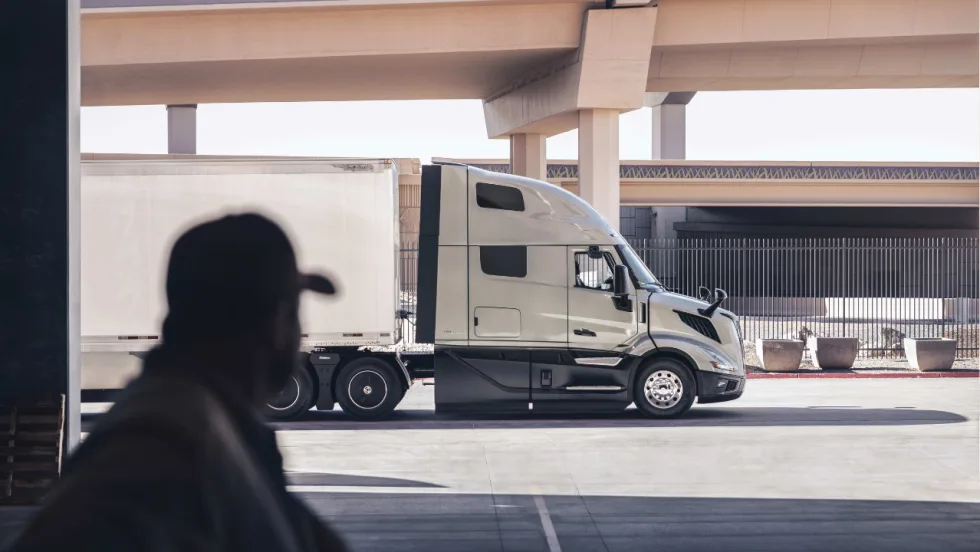
Volvo Trucks’ 'Lock and Leave' Software Updates Go Live Across North America
Unattended over-the-air software updates are now available in Volvo trucks across the U.S. and Canada. The new capability lets trucks stay current with the latest software without interrupting operations or requiring a dealership visit.
Read More →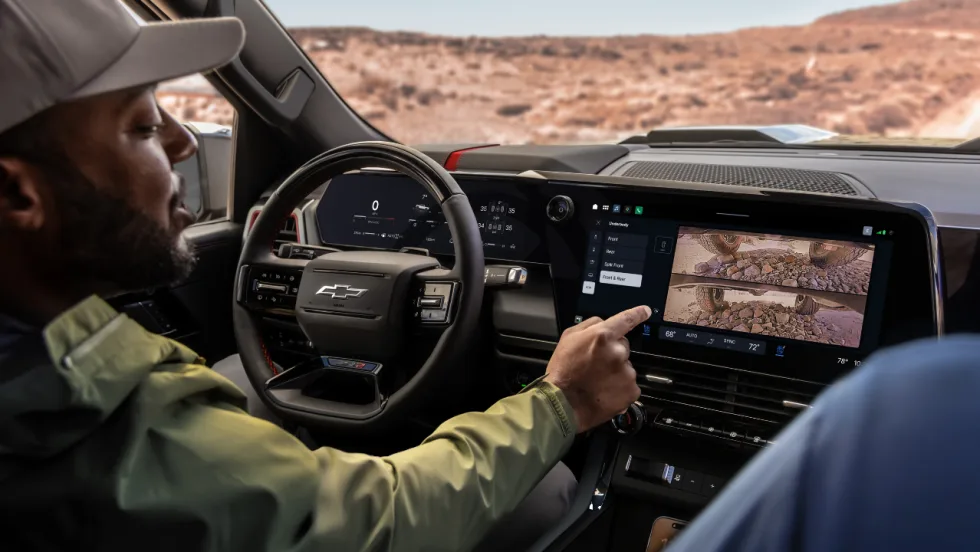
GM Brings New Truck Focused Interface to 2027 Silverado and Sierra
GM's new pickup interface puts trailering data, camera views, vehicle controls, and smartphone integration closer to the driver in the 2027 Silverado and Sierra.
Read More →
Samsara Driver Perks Expands Rewards Beyond the Long Haul Driver
Samsara’s new driver rewards program was built with a broader professional driver in mind, including employees who split their day between driving, job sites, service calls, and other work.
Read More →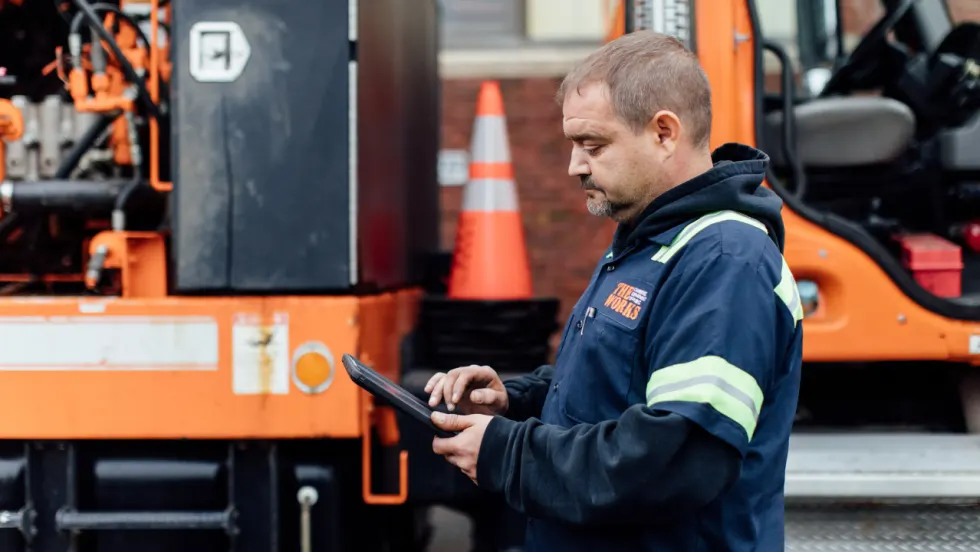
AI Service Advisor Aims to Cut Fleet Repair Downtime
Fleetio said its AI Service Advisor can help fleets cut repair downtime by an average of 2.5 hours per repair while reducing manual maintenance work.
Read More →