




Legends of Fleet: Rick Longobart’s Insights on the Changing World of Fleet Management
Fleet management is evolving fast, and industry veteran Rick Longobart shares key lessons, rookie mistakes to avoid, and the future of fleet tech in this episode.

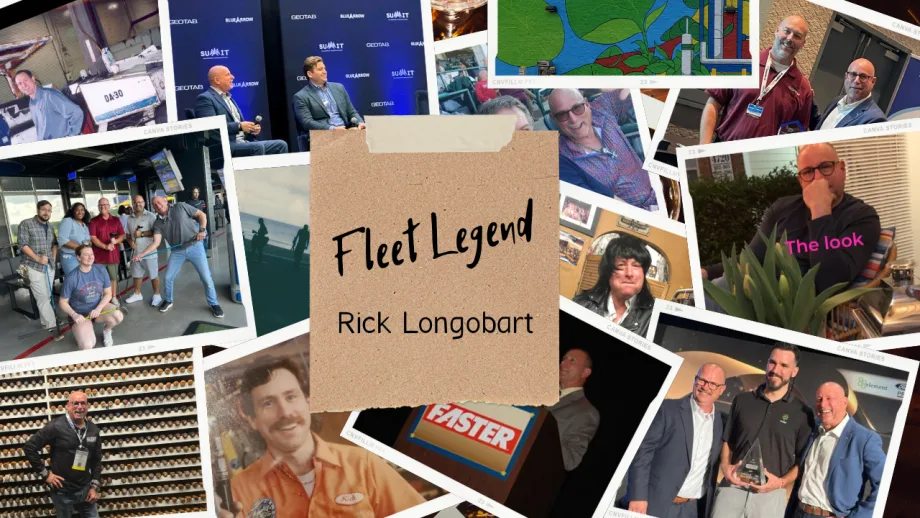
From mechanics to IT specialists—Longobart discusses the evolving role of fleet technicians and the future of vehicle technology.
Photo: Work Truck | Rick Longobart
Fleet management is constantly shifting and evolving, and leaders like Rick Longobart have seen those changes firsthand.
In this edition of the Legends of Fleet interview series, sponsored by Legend Fleet, Longobart shared his career journey, lessons learned, and insights into the most significant shifts in fleet management over the years.
Embracing Change and Transparency in Fleet
Reflecting on his career, Longobart highlighted the increased focus on transparency and accountability in government fleet management. “In the old days, fleet operations kind of lived in a silo,” he explained. “We did what we needed to do, worked on the vehicles, and got them back on the road. But we didn’t really look at our surroundings or how our work impacted the broader government sector.”
Today, fleet managers are expected to communicate their successes and demonstrate responsible stewardship of taxpayer dollars. “It’s important to broadcast what we do and how we do it. There are more eyes on us now, and we need to make sure we’re recognized as a core part of city operations,” Longobart said.
His advice? “Don’t be afraid to promote yourself. If you don’t, no one will do it for you.”
Learning to Listen and Admit Mistakes
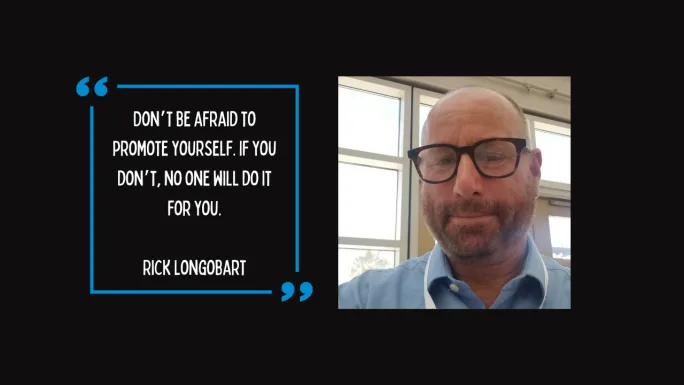
'Don’t be afraid to promote yourself.’ Rick Longobart highlights the importance of fleet managers communicating their impact and successes.
Photo: Work Truck | Rick Longobart
When asked about memorable challenges, Longobart focused on the importance of communication and self-awareness.
“The biggest challenge I’ve faced is learning to admit when I’m wrong,” he shared. “There’s two sides to every story, and what you think is right for your customer may not be what they need. You have to look at things from their perspective to create win-win situations.”
In his early career, Longobart described himself as more dogmatic in his approach. “It was my way or the highway,” he said. Over time, he learned the value of open dialogue and collaboration, which has helped him achieve better outcomes.
Building a Cohesive Team Culture
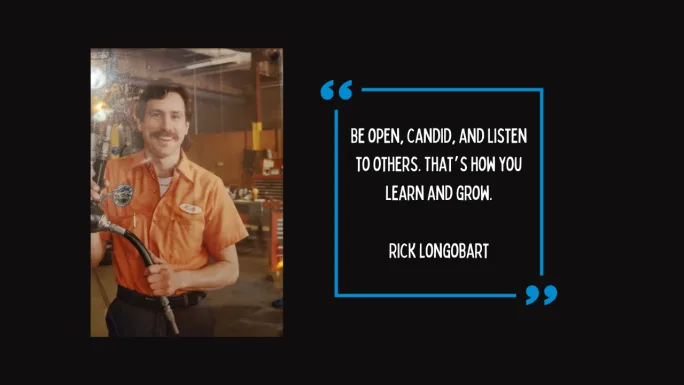
Bring energy to the workplace.’ Longobart encourages fleet managers to foster teamwork, innovation, and a positive work environment.
Photo: Work Truck | Rick Longobart
One of Longobart's key lessons for fleet managers is the importance of creating a cohesive team culture.
“Don’t be an idiot,” he said candidly. “I’ve learned that it’s not about saying, ‘This is my department’ or ‘my fleet management operation.’ It’s about saying, ‘This is our fleet operation.’”
Longobart emphasized the importance of empowering employees to take ownership of their roles and supporting their growth. “You want to create a legacy where people can step into your position when the time is right. Don’t be afraid to hire people who are smarter than you and can advance the cause.”
He also encouraged fleet managers to foster a positive work environment by bringing energy and creativity to the workplace.
“No one wants to come to work in a low-energy environment. Bring ideas to the table, listen to your team, and encourage brainstorming,” Longobart said.
The Importance of Work-Life Balance
As his career progressed, Longobart gained a deeper appreciation for work-life balance. “No one wants to work 12 hours a day and go home pondering what they did or didn’t do,” he said. “People need to feel good about their work and come back energized the next day. It’s about creating a balance between work and personal life.”
Longobart shared advice he received from a mentor during a difficult time in his career.
“They asked me, ‘What are you going to remember—the day you missed at work or a life event with your family?’ That really stuck with me. If you’re not at your best, you can’t give your best to your job,” he said.
Rookie Fleet Mistakes to Avoid
For new fleet managers, Longobart offered several pieces of advice to help them avoid common mistakes:
- Bring Energy to the Workplace: People respond to energy. Bring a positive attitude and encourage creativity. Let your team brainstorm and come up with ideas, even if they seem crazy at first.
- Involve Everyone in Decision-Making: Get your technicians and frontline employees involved in meetings. They have valuable insights that can help improve operations. Bring them to conferences and trade shows to broaden their perspectives.
- Don’t Be Afraid to Fail: If you’re not failing, you’re not trying. Give people the freedom to try new things and learn from mistakes. If something doesn’t work, fix it and move on.
Game-Changing Technologies
Longobart is particularly excited about the advancements in telematics and virtual meetings.
“Telematics has changed the industry,” he said. “It’s no longer just about tracking vehicle locations. It’s about anti-idle, EV transitions, fuel consumption, and preventive maintenance compliance. Telematics is now a required component of fleet management.”
He also noted the impact of virtual meetings on productivity, stating that spends most of his day in virtual meetings, which "allows us to get a lot done without wasting time traveling. It’s changed the way we do business.”
Finally, Longobart discussed the future of electric vehicles (EVs) and the shift toward IT-focused technicians.
“We’ve gone from grease monkeys to technicians, and now we’re moving toward IT professionals who diagnose vehicles through tablets and laptops. It’s a paradigm shift that will change how we hire and train employees.”
Fleet veteran Rick Longobart shares insights on how transparency and collaboration have reshaped government fleet management over the years.
Photo: Work Truck | Rick Longobart
The Growing Role of Fleet
Longobart emphasized that fleet managers are no longer working in isolation.
“Electrification is creating new connections with other departments like facilities, IT, and human resources,” he said. “You also need to work with utilities, colleges, and trade centers to ensure you have the right infrastructure and trained personnel.”
This collaborative approach is essential for successful EV transitions and other initiatives. “It’s about working together to achieve shared goals,” Longobart said.
Final Advice for New Fleet Managers
Longobart's parting advice for new fleet managers is simple: “Don’t be afraid. Don’t be afraid of making mistakes, trying new things, or reaching out to others for advice. There’s a wealth of knowledge in this industry, and people are willing to share it.”
He also stressed the importance of clear communication and listening. “Be open, candid, and listen to others. That’s how you learn and grow.”
Longobart’s journey in fleet management is a testament to the power of collaboration, adaptability, and continuous learning. Stay tuned as we share even more Fleet Legends in upcoming epsiodes of our Legends of Fleet series.
More Operations
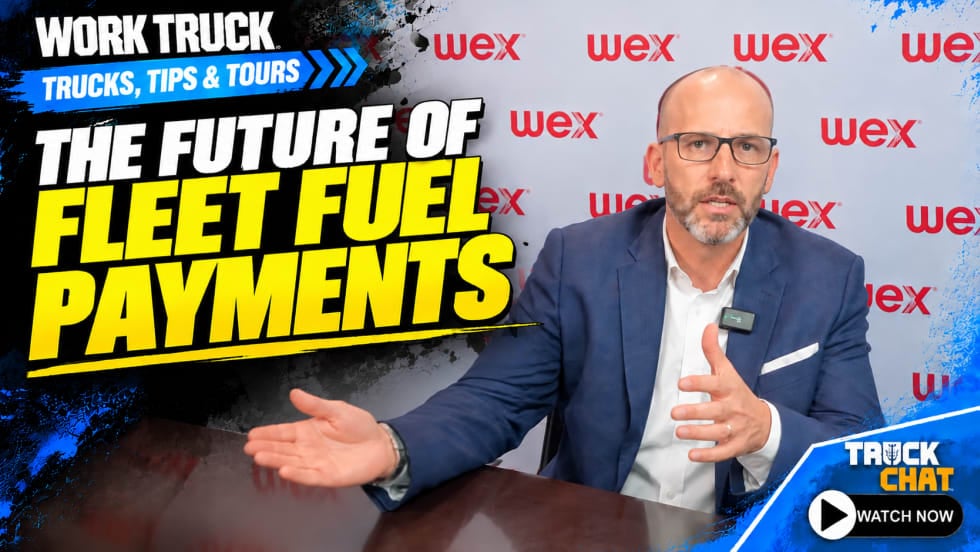
How Cardless Fuel Payments Benefit Commercial Fleets
Is it time for fleets to move beyond plastic fuel cards? David Abraham of WEX explains how cardless fuel payments can help reduce fraud, simplify driver transactions, and improve efficiency by allowing drivers to pay for fuel using their smartphones.
Read More →
Good Fleet Leadership Starts With the People You Already Have
From developing future leaders to listening to employees, discover how better leadership can help work truck fleets retain talent and build stronger teams.
Read More →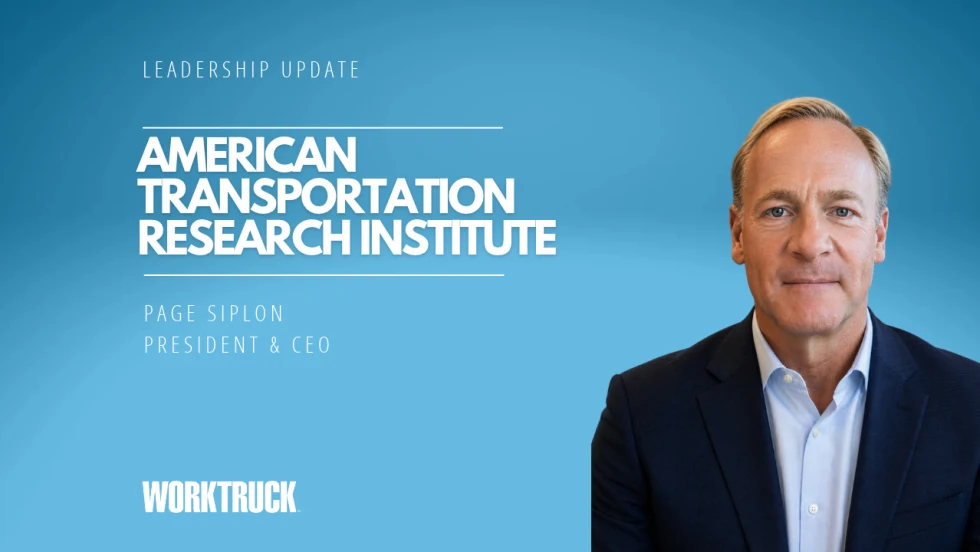
ATRI Names Next President and CEO
Page Siplon, a longtime transportation and logistics industry executive, has been chosen as the next president and CEO of the American Transportation Research Institute (ATRI).
Read More →From Our Partners
Basic Tracking vs Next Generation Fleet Technology
Sponsored by AT&T Business

5 Facts Every Fleet Manager Should Know About Embedded Telematics
Sponsored by Stellantis/Mobilisights
How AI Video Telematics Boosts Driver Safety and Helps to Avoid Unnecessary Costs
Sponsored by Verizon Connect

Charting the 8 Bottom-Line Benefits of Workforce Optimization
Sponsored by Verizon Connect

Coltrain Onsite Fleet Care Sponsors 2026 Cure Bowl to Support Cancer Research
The mobile fleet maintenance provider is supporting the annual college football bowl game, which has helped raise $6.83 million for cancer research since 2015.
Read More →
Racing Lessons, Electric Fleet Growth, and Ghostbusters Lead This Week's Work Truck News
Racing lessons for fleets, Republic Services' electric truck expansion, 40 years of fleet wisdom, truck trivia, autonomous yard trucks, and more headline this week's Truck Chat Cheat Sheet.
Read More →
A buyer's guide to fleet management software in 2027
Buying fleet management software in 2027 means looking beyond features and price. As fleet operations, technology and expectations evolve, this guide explores what today’s fleet professionals should consider when choosing a system that can deliver value now and adapt to what comes next.
Read More →
How to Build a Lasting Fleet Career by Staying Curious and Connected
Tina Kourakos never planned on a career in fleet. More than 30 years later, she says curiosity, strong relationships, and a willingness to keep learning helped turn an unexpected assignment into a career spanning fleet management and OEM leadership.
Read More →
Think You Know Trucks? Take Our 19-Question Fleet Trivia Challenge
From chicken lights to diesel engines and trucking history, test your knowledge with 19 questions from the 2026 Work Truck Exchange and Heavy Duty Trucking Exchange.
Read More →
Where’s My Truck: Inside the Fleet Logistics Work Nobody Sees
Shades of Fleet video thumbnail featuring Lauren Fletcher beside the text “The People Behind the Process, Keeping Fleets Moving,” with fleet vehicles and logistics imagery in the background.
Read More →
Work Truck Seeks Fleet and Industry Insights on 2026 Trends and 2027 Forecasts
Work Truck is seeking insights from fleet leaders and industry partners on the trends that shaped 2026 and what commercial fleets should prepare for in 2027. Participate today!
Read More →