



Workforce Trends Study Highlights Labor Challenges, Tech Solutions for Fleets
A new Samsara report reveals workforce challenges, safety priorities, and how tech is reshaping fleet management to attract, retain, and protect drivers.

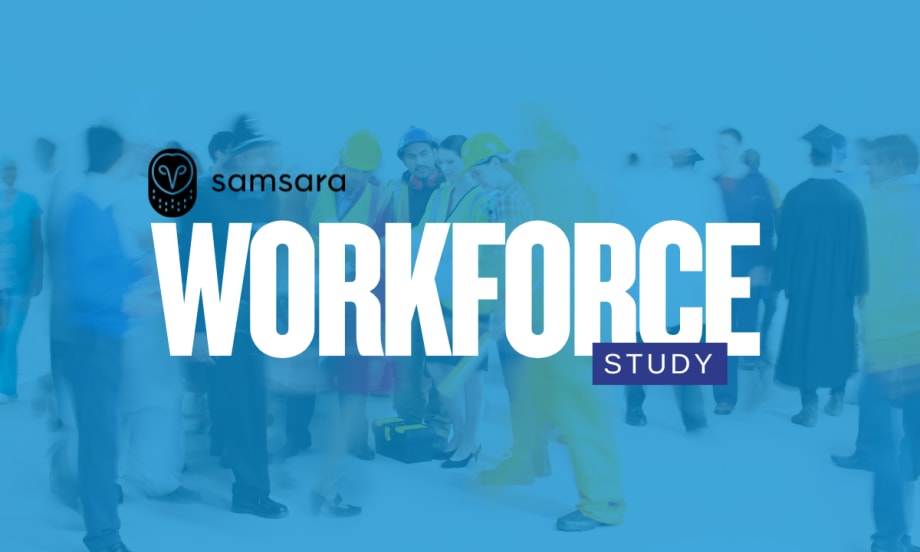
As the workforce continues to shift, fleet managers who prioritize safety, efficiency, and employee well-being will be in the best position to attract and retain top talent.
Photo: Work Truck
A new report from Samsara, The State of Connected Operations: Building for the Next Generation, digs into some of the biggest workforce challenges and opportunities facing physical operations, especially transportation, logistics, and fleet management.
With more than 1,550 industry leaders surveyed across 21 industries and seven countries, the findings reinforce what many fleet managers already know: the workforce is changing, and fleets need to keep up.
“It’s no secret, the labor market can be tough in industries like transportation, construction, and field services but we’re seeing technology make a real difference in how younger talent views their career opportunities,” said Meagen Eisenberg, Chief Marketing Officer at Samsara. “Our research shows that technology is not only making these industries more attractive, but also helping retain workers for the long term. The ROI is impressive and yet, there’s so much potential ahead as many are at the beginning of their digital transformation.”
The Workforce Shift: A Growing Challenge
The driver shortage isn’t going away anytime soon. The report estimates over 7 million positions will remain unfilled by 2028, putting even more pressure on fleets to attract and retain talent.
On top of that, the workforce is aging: 24.3% of transportation workers are over 55, while only 12% are under 25. That gap is a major concern, especially as seasoned drivers retire and younger workers are harder to bring in.
Safety and Security Remain Top Priorities
Safety is a key focus area, with 71% of leaders stating they hear frequent employee feedback on the need for greater safety investments. The top requests? Improved emergency response protocols (44%), better PPE (41%), and tools to help locate and recover stolen or lost equipment (40%).
Despite investments, many workers still feel that safety measures could go further. Nearly all (99%) of organizations plan to increase investments in workforce safety and security technologies over the next five years. Many are prioritizing IoT-enabled safety devices, automation that reduces worker exposure to hazards, and predictive safety analytics.
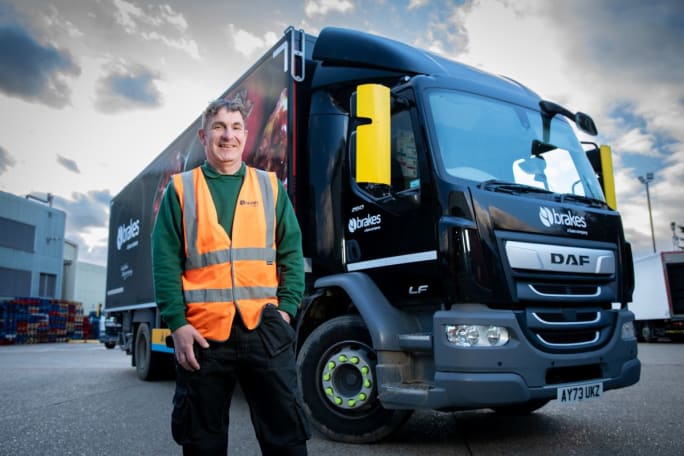
Samsara's study revealed that the majority (85%) of leaders agree that modern technology tools have made their industries more desirable to younger workers.
Photo: Samsara
Modern Tech is Shaping the Industry’s Future
The majority (85%) of leaders agree that modern technology tools have made their industries more desirable to younger workers. Many also report increased employee morale, improved productivity, and lower turnover. Recognizing their value in protecting workers from not-at-fault incidents and false claims, leaders ranked cameras as the top technology for improving recruitment and retention.
Automation and robotics closely followed, reflecting younger workers' emphasis on job safety and their comfort with technology that enhances workplace safety.
Technology Investments Pay Off Financially
Leaders also report significant financial benefits from technology investments. A substantial 41% say their safety-focused technology investments have saved their organization more than $1 million. Additionally, 99% confirmed that technology has empowered the workforce to shift their focus toward higher-value tasks, such as preventative maintenance, safety checks, and valuable upskilling opportunities.
E-learning platforms are also becoming standard, with 85% of organizations already using them to train and retain workers. Employee retention stands out as the top benefit of these investments, signaling a better employee experience and reduced turnover costs.
Why This Study Matters for Work Truck Fleets
For fleet managers, these trends reinforce the need to be proactive, not just in hiring, but in how they equip their teams. The challenge isn’t just finding drivers; it’s keeping them safe, engaged, and supported. Investing in the right technology can mean the difference between a fleet that struggles and one that thrives. Tools that enhance safety, provide real-time data, and streamline operations don’t just help the bottom line, they also create a better work environment for drivers.
As the workforce continues to shift, fleet managers who prioritize safety, efficiency, and employee well-being will be in the best position to attract and retain top talent. With the right approach, fleets can adapt to these changes while staying ahead of industry demands.
For more details, the full report is available from Samsara.
About the Research
The survey was conducted by independent research firm Wakefield Research between October 24 and November 4, 2024. It surveyed 1,550 physical operations leaders across seven countries: the United States, Mexico, the United Kingdom, Ireland, France, Germany, and Canada.
The survey was conducted online in English or translated into local languages as needed. Global results were aggregated to provide an average. Additional details about the research can be found in the full report.
More Technology

Why Vocational Fleets Need Payment Infrastructure That Scales
Fleet downtime isn't the only cost. Discover why scalable payment and invoicing infrastructure is becoming essential for vocational fleet efficiency and loyalty.
Read More →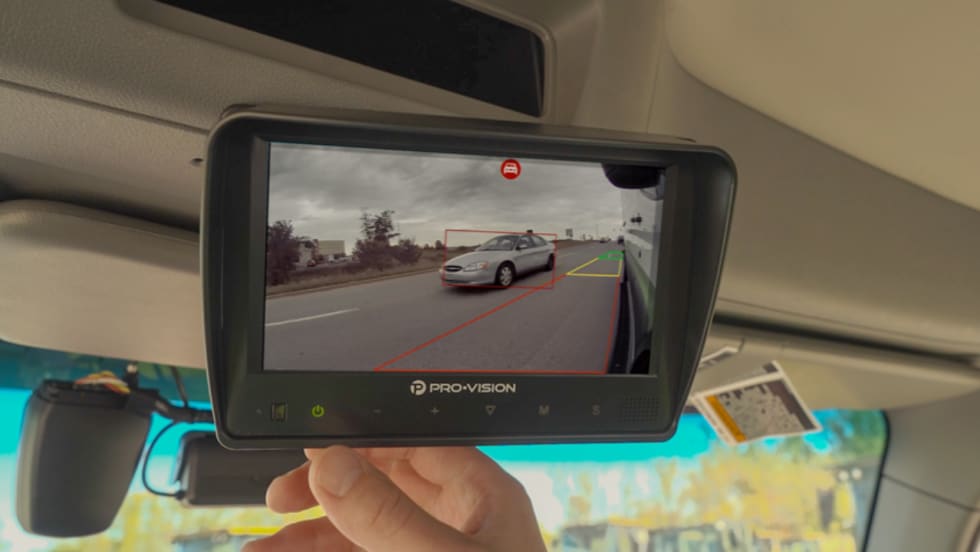
Pro-Vision Brings AI Hazard Detection to More Camera Views Around the Vehicle
Pro-Vision's latest AI camera and inline processing module help commercial drivers detect pedestrians and vehicles during backing, merging, and lane changes.
Read More →
Motive Announces 2026 Visionary Customer Award Winners
The 2026 Motive Visionary Customer Awards honor forward-thinking leaders across global industries and regions who have harnessed the power of AI to drive measurable improvements in safety, productivity, and profitability in physical operations.
Read More →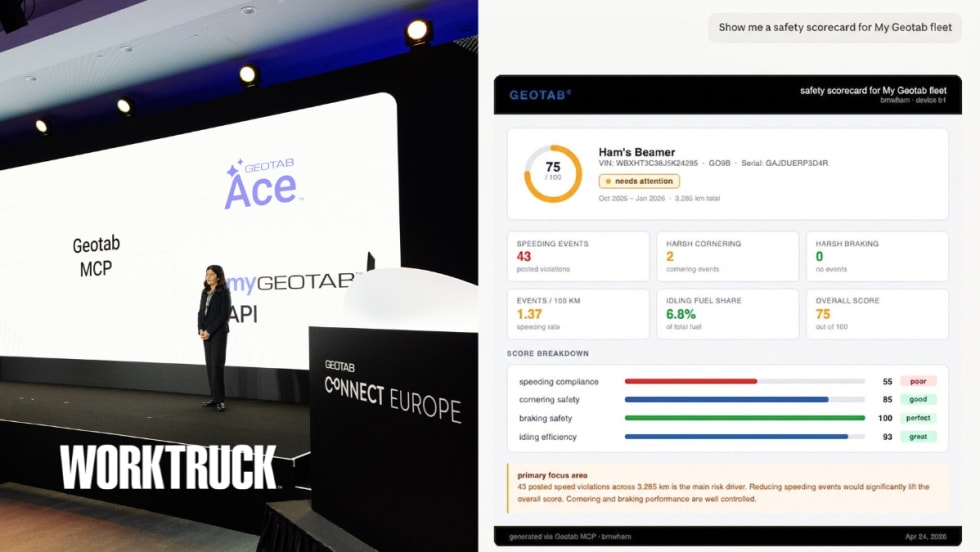
Geotab's New AI Connector Could Help Fleets Cut Maintenance Admin and Reduce Downtime
Geotab's new AI connector brings fleet data into ChatGPT and other platforms, helping fleets automate maintenance decisions and reduce downtime.
Read More →
RTA Introduces Ron360 AI Assistant for Fleet360 Users at Government Fleet Expo 2026
Unveiled at Government Fleet Expo 2026, Ron360 embeds AI into Fleet360, helping fleets quickly find data and generate insights.
Read More →
How Real-Time AI Coaching Is Changing Fleet Safety
Learn how AI-powered driver coaching, real-time alerts, and behavior-based insights help fleets reduce risk and improve safety.
Read More →
AI Is Reshaping Fleet Management Faster Than Most Fleets Realize
Learn more about how AI, data, and operational intelligence are transforming fleet management, replacement planning, and the future of fleet operations.
Read More →
What is Motive Vision?
Motive Vision brings together fleet operators, safety leaders, and industry professionals to collaborate, share insights, and help shape the future of fleet technology. Learn why the Motive innovation summit continues to grow year after year.
Read More →
Motive Focuses on Integration & Automation as it Rolls Out New AI-Driven Systems & Hardware
Motive unveiled new AI-driven safety tools, systems, and hardware during its annual innovation summit. New launches included the Atlas AI assistant, Automations, AI Omnicam Plus, and updates to AI Dashcam Plus.
Read More →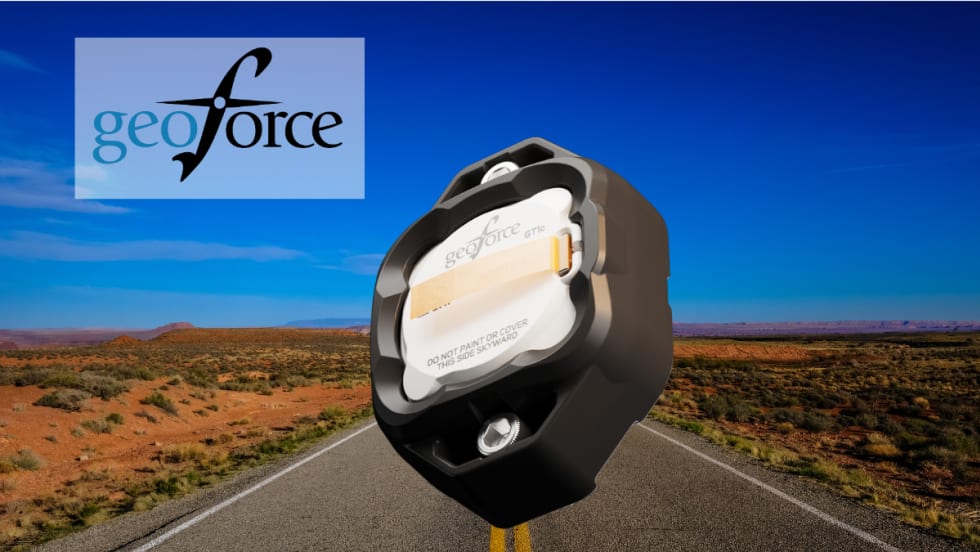
Geoforce Launches GT1c with AT&T Business for Rugged Cellular Asset Tracking
Geoforce, a global leader in rugged asset tracking, has launched the GT1c, which leverages cellular technology and has a more cost-effective, purpose-built design to enable rugged cellular equipment tracking at scale. The GT1c complements Geoforce's full range of satellite tracking devices.
Read More →