




Related: Digging into Work Truck Fleet Costs
Getting Control of Fleet Operating Costs
Maintaining a fleet is an expensive endeavor. Understanding the TCO for fleet assets is the first step to controlling operating costs.
by Rachael Plant, Fleetio
December 15, 2022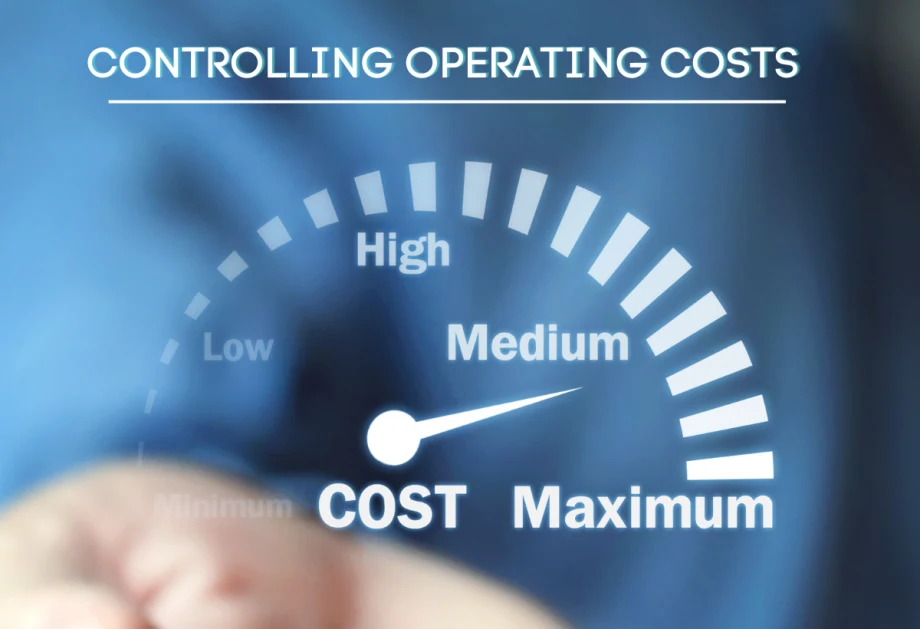
Fleets using FMS and other fleet solutions can help save a fleet time and money.
Photo: Work Truck
4 min to read
When it comes to controlling operating costs, understanding the total cost of ownership (TCO) for fleet assets is the first step.
Fleets can compare operating costs against usage metrics to determine what assets cost the most — yet are tanking in productivity — so stakeholders can make data-driven decisions around lifecycle improvement, asset replacement, and procurement.
Calculating Asset TCO
It’s no secret that maintaining a fleet is an expensive endeavor. While maintenance and fuel make up most of the operating costs, it’s essential to also factor in asset TCO to help identify sources of inflated costs.
TCO is the sum of an asset’s capital, maintenance, depreciation, fuel consumption, licensing, and administration costs. Without knowing the TCO for assets, you may miss out on opportunities to:
Correct costly issues.
Improve asset lifecycles.
Optimize replacement cycles.
Asset procurement isn’t cheap. It’s often hard to justify the purchase of new vehicles and other assets to stakeholders. Add to that the extensive lead times for new vehicle acquisitions, and it’s easy to understand why many fleets focus more time, money, and effort on extending the useful life of their assets.
TCO is critical in understanding the cost of your assets so you can make informed financial decisions and improve operations to help control expenses.
Applying Usage Data
Understanding what vehicles are costing the fleet concerning their productivity — or usage — can help you identify when and where to allocate funds, whether creating a process to extend current asset lifecycles or deciding it’s time to replace assets that have outlived their profitability.
Fleets can compare asset usage to TCO to better understand what’s driving up costs. You can get a high-level overview of asset usage by tracking daily mileage, whether with paper inspections, telematics, or fleet management software (FMS).
If you’re seeing wild fluctuations in use — maybe a vehicle is sitting at the depot, unused, for no discernible reason, or perhaps a vehicle is clocking more miles than normal — it could indicate an imbalance in overall fleet utilization.
Utilization imbalance can cause increased wear on overused vehicles and reduce the ROI of underused assets.
Thanks to automatic data collection and aggregation, Fleets using FMS and other fleet solutions can quickly and easily break down asset usage on a granular level, including:
Asset assignment and duration.
Usage percentage.
Status history.
Service costs.
Having instant access to this data allows managers to home in on imbalances in fleet utilization that could be driving up expenses, such as inflated service costs for overused vehicles.
Usage-related data includes ignition start and cutoff, mileage/meter hours clocked, and true and operational idle time. While some of this information can be gathered manually or recorded through asset inspections, solutions such as telematics devices automatically track usage data straight from the assets for more reliable, real-time data.
Issues like unnecessary idling can lead to increased service spend and lower resale value. Tracking vehicle idle time and discerning between true and operational idle time can help determine where unnecessary idling can be cut down to improve an asset’s useful lifecycle.
If your fleet vehicles utilize power take-off (PTO), tracking that usage can help navigate true and operational idle time.
Furthermore, tracking PTO usage gives you the usage data (hours run) of the equipment it powers so you can adjust preventive maintenance schedules and monitor for discrepancies, further helping control operational costs.
Regarding fuel expenses, tracking and monitoring fuel consumption can help determine which vehicles are running up the bill and why. Increased fuel spend can occur due to:
Driver behavior issues.
Vehicle age.
Mechanical issues.
If you’re looking at your hour meter or odometer reading reports and the associated fuel consumption for the asset in question is too high or too low, there may be an issue.
Improving Cost Control with Software
While fleets can gather high-level usage data and calculate TCO manually, the process is time-consuming and frustrating. Additionally, manual data entry is more prone to human error than automated data collection and can lead to an accumulation of obsolete data.
Integrated FMS provides data consolidation of crucial fleet management metrics and aggregates raw data, whether manually input or automatically gathered through integrations or application programming interfaces (APIs), to generate robust reports you wouldn’t be able to get if your data was siloed.
Using integrated FMS, fleets can quickly and easily compare usage data against asset TCO to determine whether a vehicle is being used optimally or if there is an opportunity for improvement.
About the Author: Rachael Plant is a content marketing specialist for Fleetio, a fleet management software company that helps organizations track, analyze, and improve their fleet operations. This article was authored and edited according to WT editorial standards and style. Opinions expressed may not reflect that of WT.
Subscribe to Our Newsletter
More Operations
Work Truck Seeks Fleet and Industry Insights on 2026 Trends and 2027 Forecasts
Work Truck is seeking insights from fleet leaders and industry partners on the trends that shaped 2026 and what commercial fleets should prepare for in 2027. Participate today!
Read More →
30 Years in Fleet and Still Learning: Lessons Beyond Trucks
After more than three decades in fleet, Bob Adamsky has learned that knowing trucks is only part of the job. The bigger lessons come down to communication, understanding, and never assuming you know it all.
Read More →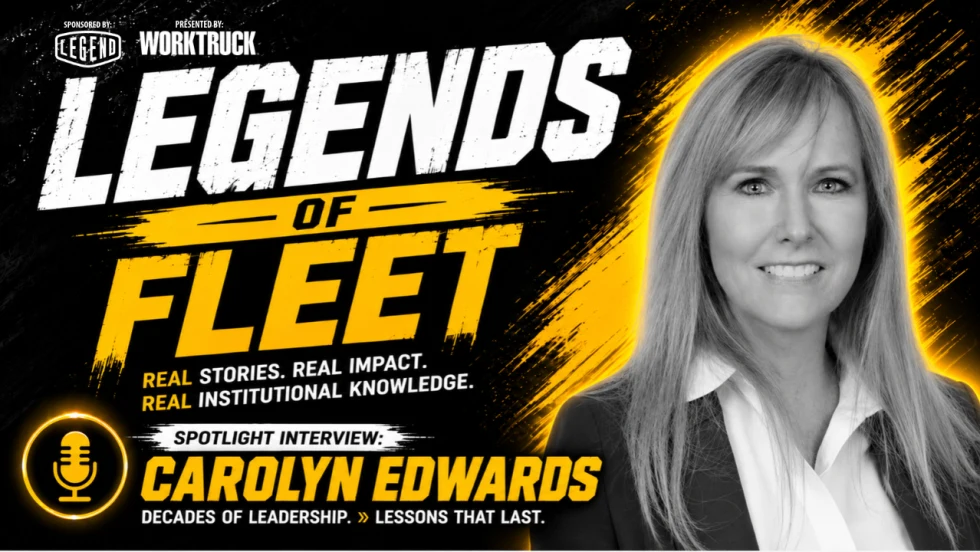
What Every New Fleet Manager Should Know
Carolyn Edwards shares lessons on finding mentors, showing fleet’s value, and leading teams in this episode of Legends of Fleet.
Read More →From Our Partners
Basic Tracking vs Next Generation Fleet Technology
Sponsored by AT&T Business

5 Facts Every Fleet Manager Should Know About Embedded Telematics
Sponsored by Stellantis/Mobilisights

How AI Video Telematics Boosts Driver Safety and Helps to Avoid Unnecessary Costs
Sponsored by Verizon Connect

Charting the 8 Bottom-Line Benefits of Workforce Optimization
Sponsored by Verizon Connect


Les Schwab Tires Launches Foundation With $100,000 for Community Recovery
Les Schwab Tires launches a foundation with $100,000 to support recovery for Silver Rail Elementary and the Bend community following a school shooting.
Read More →
Bring Some Fleet to Your Halloween with Our Pumpkin Carving Templates
Download Work Truck’s truck-themed pumpkin patterns, explore more automotive designs, and give your shop or front porch a seasonal upgrade.
Read More →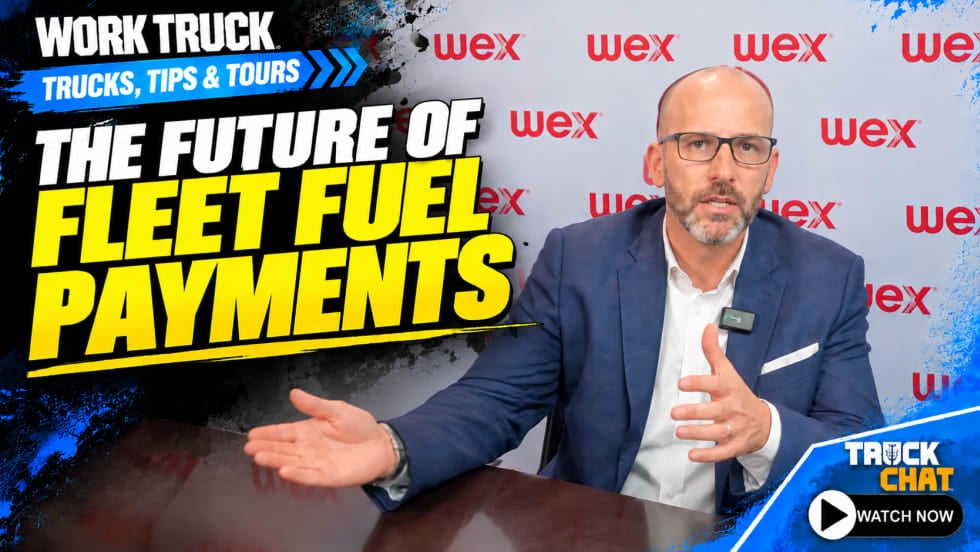
How Cardless Fuel Payments Benefit Commercial Fleets
Is it time for fleets to move beyond plastic fuel cards? David Abraham of WEX explains how cardless fuel payments can help reduce fraud, simplify driver transactions, and improve efficiency by allowing drivers to pay for fuel using their smartphones.
Read More →
Good Fleet Leadership Starts With the People You Already Have
From developing future leaders to listening to employees, discover how better leadership can help work truck fleets retain talent and build stronger teams.
Read More →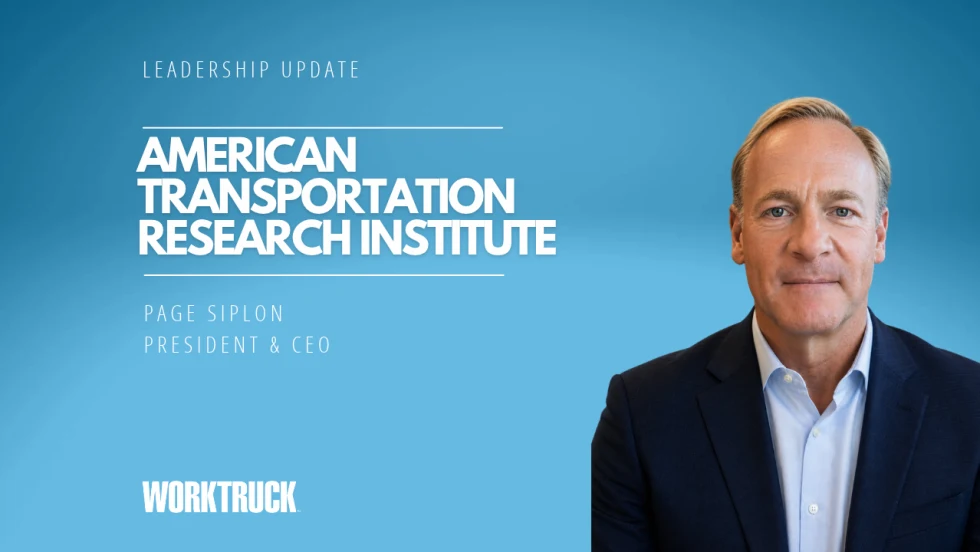
ATRI Names Next President and CEO
Page Siplon, a longtime transportation and logistics industry executive, has been chosen as the next president and CEO of the American Transportation Research Institute (ATRI).
Read More →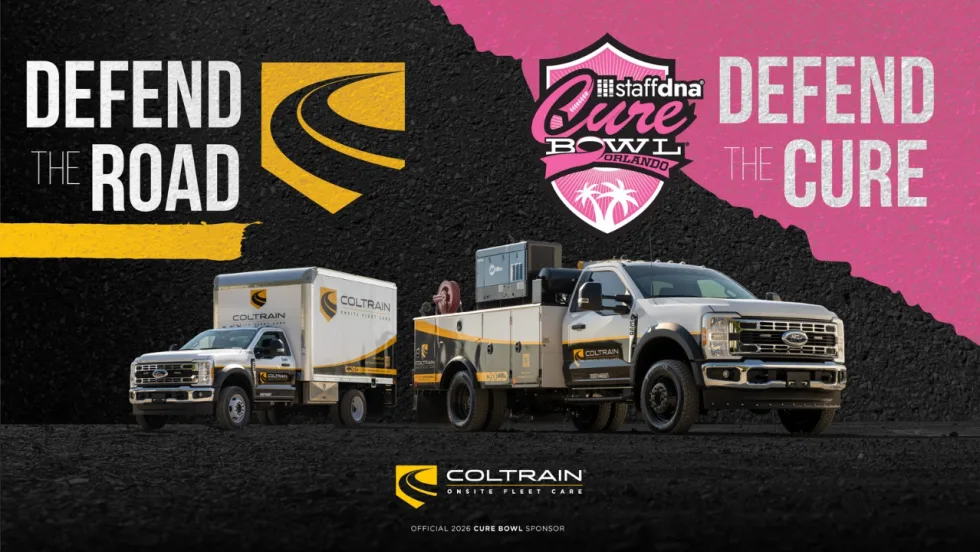
Coltrain Onsite Fleet Care Sponsors 2026 Cure Bowl to Support Cancer Research
The mobile fleet maintenance provider is supporting the annual college football bowl game, which has helped raise $6.83 million for cancer research since 2015.
Read More →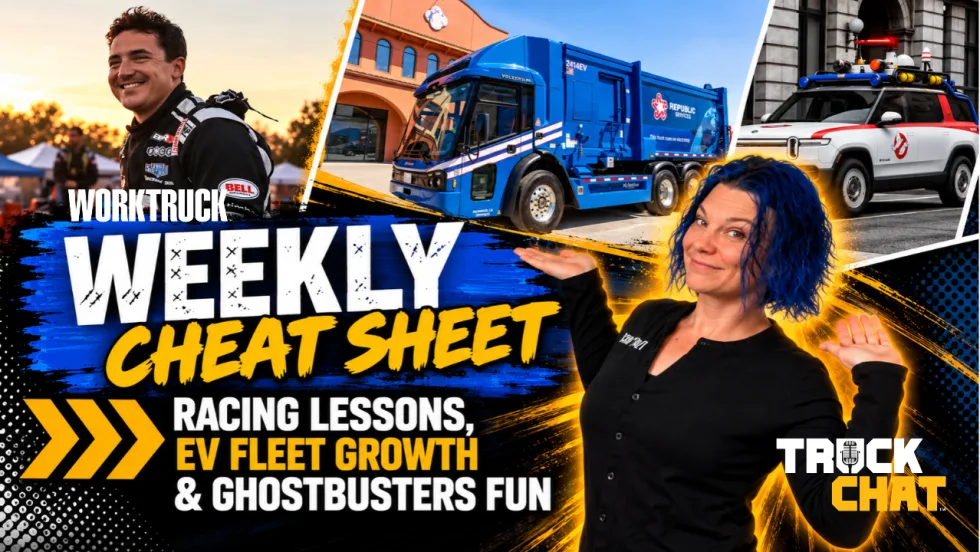
Racing Lessons, Electric Fleet Growth, and Ghostbusters Lead This Week's Work Truck News
Racing lessons for fleets, Republic Services' electric truck expansion, 40 years of fleet wisdom, truck trivia, autonomous yard trucks, and more headline this week's Truck Chat Cheat Sheet.
Read More →