




Yokohama Tire Corporation's Low Rolling Resistance Tires Help Truckers and the Environment
FULLERTON, CA - All commercial truck owners want tires that last longer, perform better and use less fuel. It's also a bonus if they minimize the impact on the environment; much like Yokohama Tire Corporation's low rolling resistant Zenvironment line.
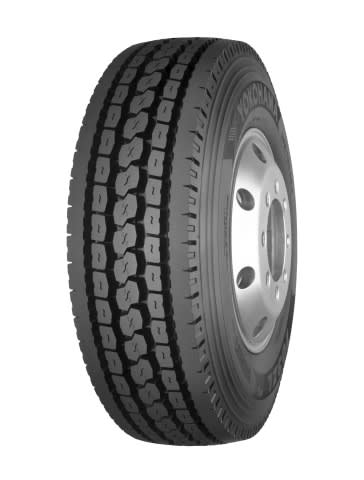
Zenvironment 703ZL
FULLERTON, CA - All commercial truck owners want tires that last longer, perform better and use less fuel. It's also a bonus if they minimize the impact on the environment; much like Yokohama Tire Corporation's low rolling resistant Zenvironment line.
According to John Cooney, Yokohama's director of commercial sales, "low rolling resistance tires are good for the environment because they improve fuel efficiency by minimizing the energy wasted (as heat) as the tire rolls down the road. Studies show that Yokohama's low rolling resistance tires can improve fuel economy from 3 to 5 percent in over the road applications."
"We're building products for the future that will use less energy, cost less to operate, provide a longer lifecycle and reduce costs to the trucking company," continued Cooney.
The Zenvironment lineup includes the 703ZL, 103ZR, 501ZA, and the new, premium long-haul steer tire, the 101ZL. "The 101ZL runs longer, and is more trouble-free and efficient than anything we've ever brought to the market," said Cooney. "It provides at least a 10-percent increase in overall tread life and significant resistance to irregular wear."
The 101ZL, along with the 703ZL and 103ZR are also on the U.S. Environmental Protection Agency's (EPA) SmartWaySM list of verified technologies for tires. Yokohama now has seven tires that are recognized as SmartWay "low rolling resistance tires."
"The low rolling resistance comes from efficiencies in Yokohama's high-tech design and our production," said Cooney. "The new manufacturing process provides a more retreadable casing that produces lower rolling resistance. It uses less fuel and provides more original tread life than anything Yokohama's produced before. These features result in reduced material consumption, reduced pollution and contribute to the health of our environment."
For more information on Yokohama's extensive product line, visit www.yokohamatire.com.
More Fuel

The Smart Way to Build a Mixed-Energy Fleet Isn’t About Picking a Side
Mixed-energy fleets aren’t about picking a winning fuel. Sarah Booth of WEX explains how vehicle data, duty cycles, charging strategy, and real-world costs can help fleets choose the right energy source for each job.
Read More →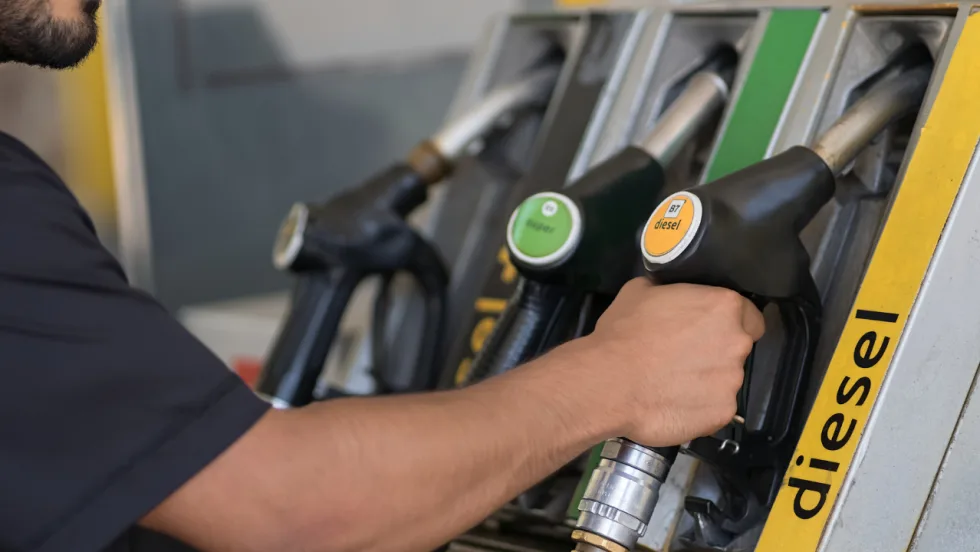
Ignoring This Dashboard Warning Could Cost Your Fleet Thousands in Fuel
New research suggests neglected diesel aftertreatment systems could waste up to $30 in fuel per vehicle each day. Here's why vocational fleets should pay attention.
Read More →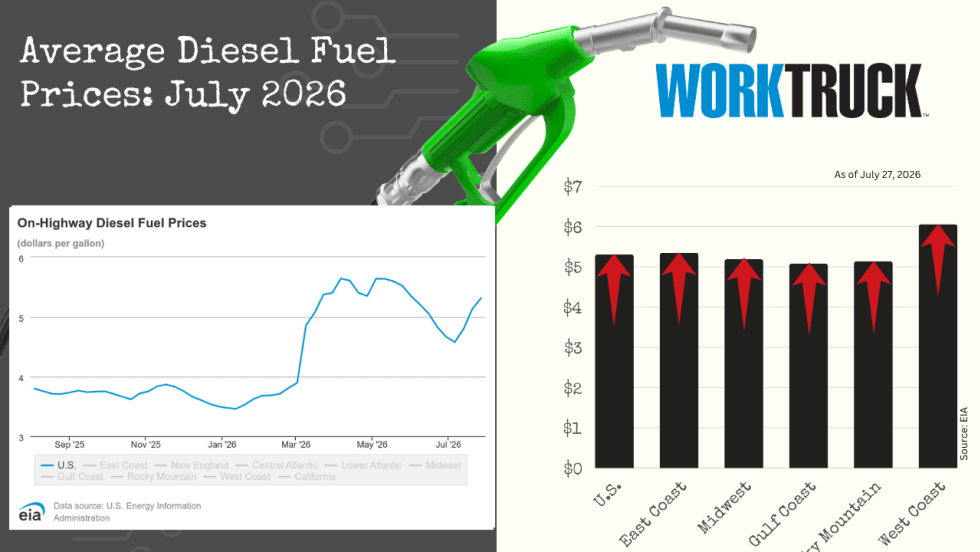
July Diesel Trends Update
The average price of a gallon of diesel increased again this week, and the EIA reported a new national average of $5.31 at the start of the week.
Read More →

WEX Brings Standard Fleet's Connected Vehicle Platform to Fleet Customers
This week’s product launch with Standard Fleet’s connected vehicle platform reflects WEX Venture Capital's strategy of turning startup innovation into customer solutions. Standard Fleet is now available to WEX fleet customers.
Read More →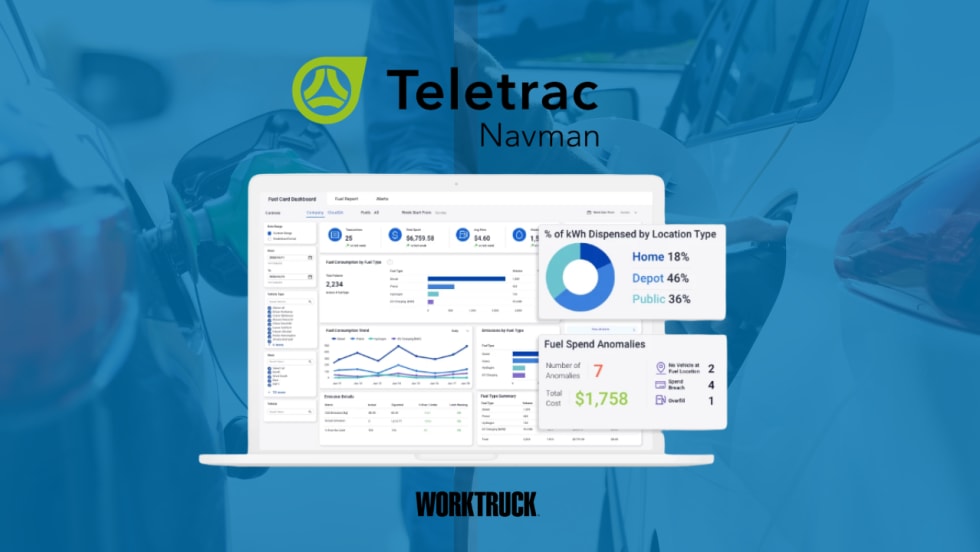
Teletrac Navman Adds Mixed-Energy Fleet Tools to TN360
The new Energy Hub combines fuel transactions, EV charging data, vehicle range, and energy costs in one dashboard for fleets operating multiple vehicle and energy types.
Read More →
WEX DriverDash adds CITGO, Expands Nationwide Access for Fleets
The DriverDash mobile payment app, by WEX, has been integrated into the CITGO merchant network, which means WEX has expanded its U.S. station footprint with the addition of approximately 4,000 CITGO locations.
Read More →
Mixed Energy Fleet Tips for Balancing EVs, Gas and Diesel Vehicles
Mixed energy fleets are becoming the new normal. Learn how fleet managers are balancing EVs, gas and diesel vehicles while controlling costs and planning for the future.
Read More →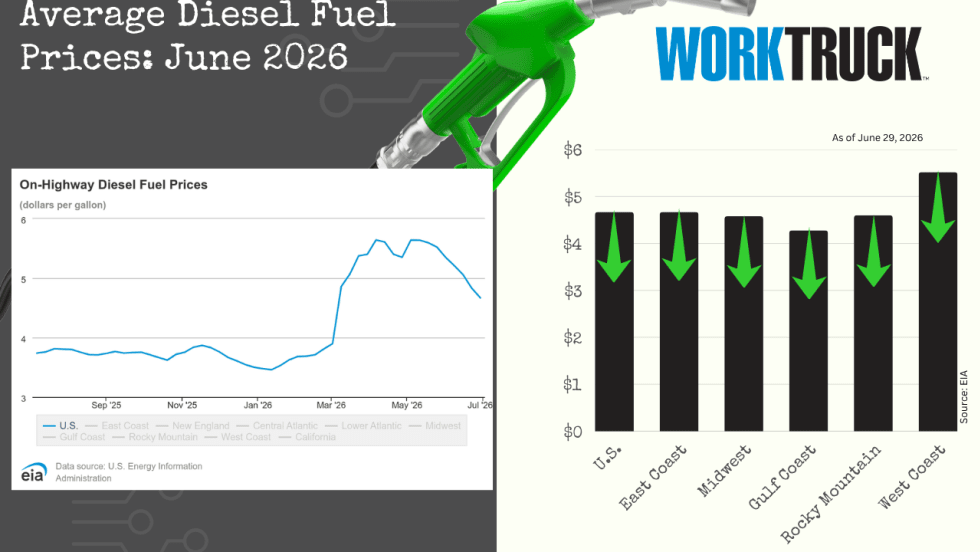
June Diesel Trends Update
The national average price of a gallon of diesel has dropped again, this week by more than 16 cents. All five regions reported lower average prices, ranging from almost 13 cents to more than 28 cents cheaper than a week ago.
Read More →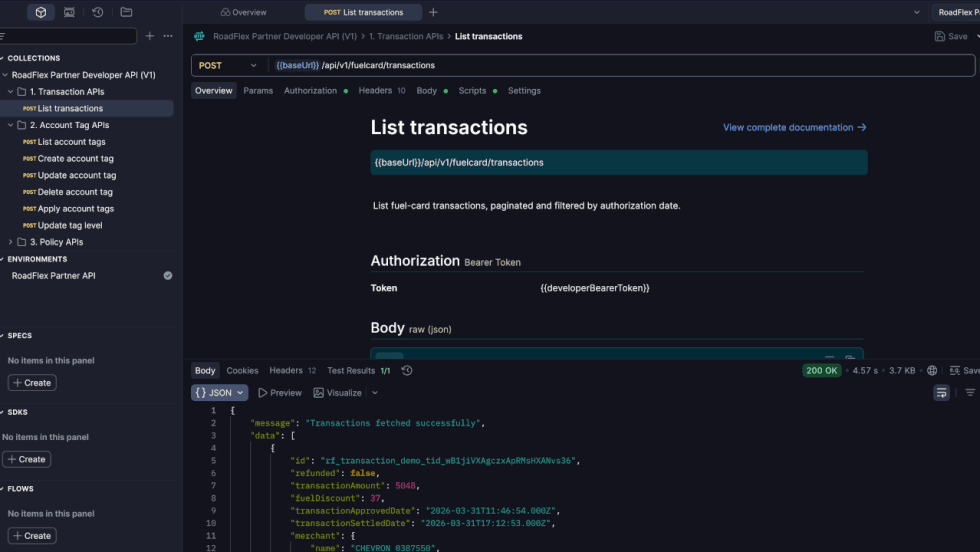
RoadFlex Launches RoadFlex Direct Open API Platform
RoadFlex Direct connects fuel cards, controls, and data to the telematics and fleet management systems fleets already run, from Geotab and Samsara to Fleetio and RTA, with no separate dashboard or double data entry.
Read More →
The Key to Fuel Efficiency Sits in the Cab
Learn how driver behavior, telematics, coaching, and fuel data can help fleets improve fuel efficiency, lower costs, and reduce emissions.
Read More →