




White House Sets Fuel-Economy Targets for Heavy-Duty & Vocational Vehicles
WASHINGTON - The new fuel-economy and emissions standards will go into effect beginning in MY-2014.
WASHINGTON – The Obama administration announced new fuel-economy and emissions standards for heavy-duty trucks and buses, heavy-duty pickup trucks and vans, and vocational vehicles. The U.S. Department of Transportation (DOT) and Environmental Protection Agency (EPA) worked with commercial carriers to develop the program, according to a statement released by the White House. This announcement comes on the heels of the White House's program to set CAFE standards for vehicles built in model-years 2017-2025.
The new fuel-economy and emissions standards will go into effect beginning in MY-2014. The program will include a range of fuel-economy targets specific to vehicle type and application.
Vehicles are divided into three categories: combination tractors (semi-trucks), heavy-duty pickup trucks and vans, and vocational vehicles, such as refuse trucks, delivery vehicles, and transit buses. Within each category, the program sets more specific targets based on vehicle design and application.
For the three categories, the standards are as follows: Certain combination tractors (big rigs or semi trucks) will be required to achieve up to approximately 20 percent reduction in fuel consumption and greenhouse gas emissions by MY-2018, saving up to 4 gallons of fuel for every 100 miles traveled.
For heavy-duty pickup trucks and vans, the program requires separate standards for gasoline-powered and diesel trucks. The program requires these vehicles to achieve up to about 15 percent reduction in fuel consumption and greenhouse gas emissions by MY-2018.
Lastly, vocational vehicles, including delivery trucks, buses, and garbage trucks, will be required to reduce fuel consumption and greenhouse gas emissions by approximately 10 percent by model-year 2018.
According to the White House’s statement, heavy-duty pickup trucks and vans must meet targets for gallons of fuel consumed and CO2 emissions per mile. The other two categories of trucks, which include combination tractors or semi-trucks and vocational vehicles, must meet targets for gallons of fuel consumed and GHG emissions per ton-mile. This figure is calculated by dividing the number of gallons of fuel consumed and grams of CO2 emissions per mile by tons of freight hauled.
The administration expects these standards to result in saving a projected 530 million barrels of oil and reducing carbon pollution emissions by about 270 million metric tons during the lifetime of vehicles built for MY-2014-2018.
For more discussion of this subject, Automotive Fleet's Editor Mike Antich has written a blog post discussing the impact of the new CAFE standards on fleets and the automotive industry.
You can see more detailed information on fuel-economy and emissions standards on the EPA's website here.
Originally posted on Automotive Fleet
More Operations

Bring Some Fleet to Your Halloween with Our Pumpkin Carving Templates
Download Work Truck’s truck-themed pumpkin patterns, explore more automotive designs, and give your shop or front porch a seasonal upgrade.
Read More →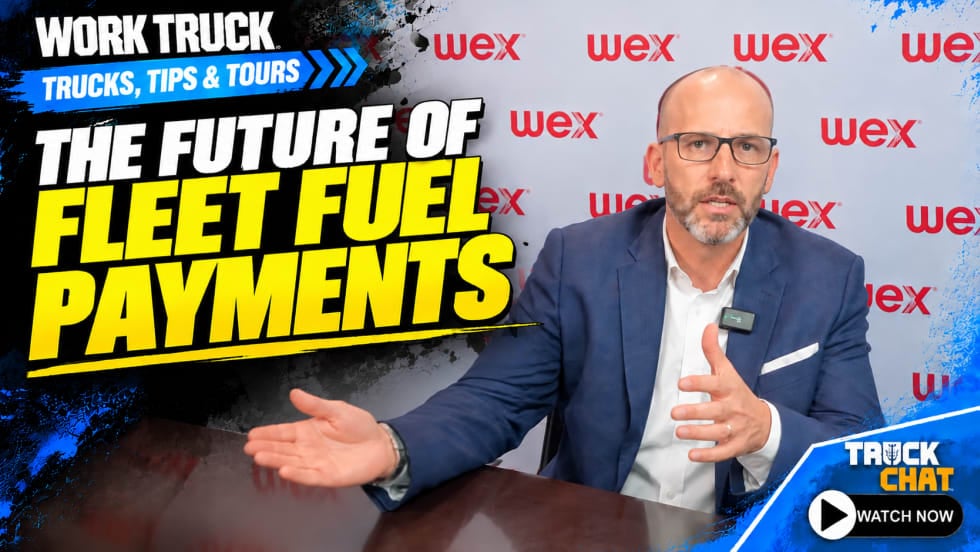
How Cardless Fuel Payments Benefit Commercial Fleets
Is it time for fleets to move beyond plastic fuel cards? David Abraham of WEX explains how cardless fuel payments can help reduce fraud, simplify driver transactions, and improve efficiency by allowing drivers to pay for fuel using their smartphones.
Read More →
Good Fleet Leadership Starts With the People You Already Have
From developing future leaders to listening to employees, discover how better leadership can help work truck fleets retain talent and build stronger teams.
Read More →From Our Partners
Basic Tracking vs Next Generation Fleet Technology
Sponsored by AT&T Business

5 Facts Every Fleet Manager Should Know About Embedded Telematics
Sponsored by Stellantis/Mobilisights
How AI Video Telematics Boosts Driver Safety and Helps to Avoid Unnecessary Costs
Sponsored by Verizon Connect

Charting the 8 Bottom-Line Benefits of Workforce Optimization
Sponsored by Verizon Connect

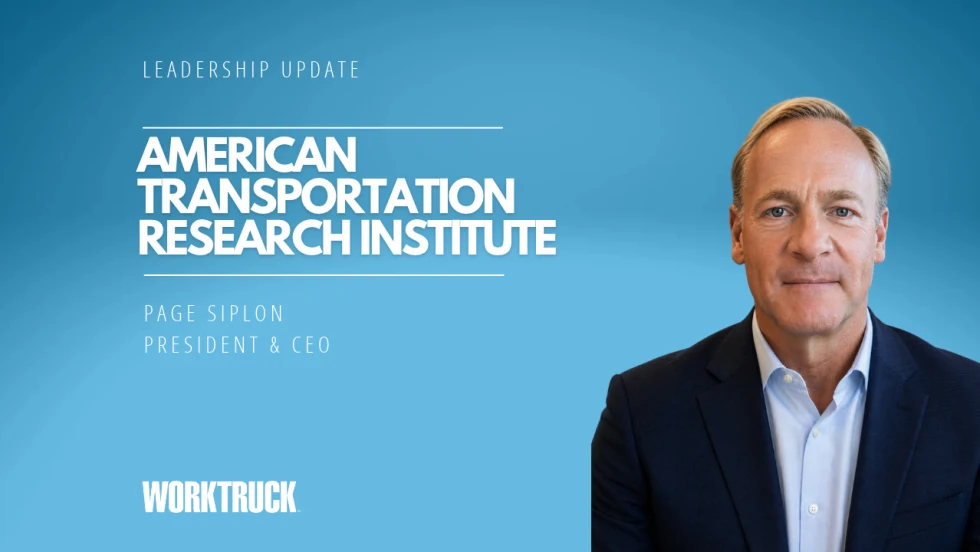
ATRI Names Next President and CEO
Page Siplon, a longtime transportation and logistics industry executive, has been chosen as the next president and CEO of the American Transportation Research Institute (ATRI).
Read More →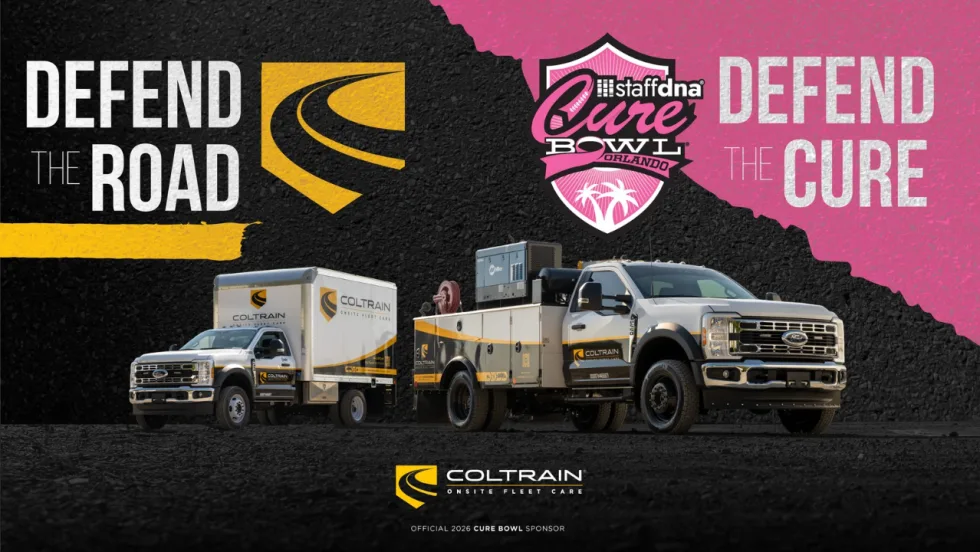
Coltrain Onsite Fleet Care Sponsors 2026 Cure Bowl to Support Cancer Research
The mobile fleet maintenance provider is supporting the annual college football bowl game, which has helped raise $6.83 million for cancer research since 2015.
Read More →
Racing Lessons, Electric Fleet Growth, and Ghostbusters Lead This Week's Work Truck News
Racing lessons for fleets, Republic Services' electric truck expansion, 40 years of fleet wisdom, truck trivia, autonomous yard trucks, and more headline this week's Truck Chat Cheat Sheet.
Read More →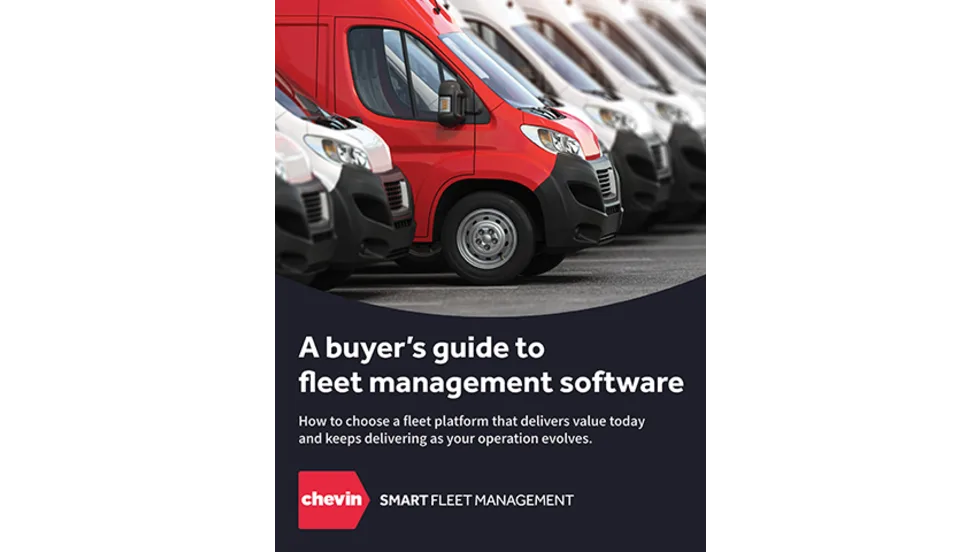
A buyer's guide to fleet management software in 2027
Buying fleet management software in 2027 means looking beyond features and price. As fleet operations, technology and expectations evolve, this guide explores what today’s fleet professionals should consider when choosing a system that can deliver value now and adapt to what comes next.
Read More →
How to Build a Lasting Fleet Career by Staying Curious and Connected
Tina Kourakos never planned on a career in fleet. More than 30 years later, she says curiosity, strong relationships, and a willingness to keep learning helped turn an unexpected assignment into a career spanning fleet management and OEM leadership.
Read More →
Think You Know Trucks? Take Our 19-Question Fleet Trivia Challenge
From chicken lights to diesel engines and trucking history, test your knowledge with 19 questions from the 2026 Work Truck Exchange and Heavy Duty Trucking Exchange.
Read More →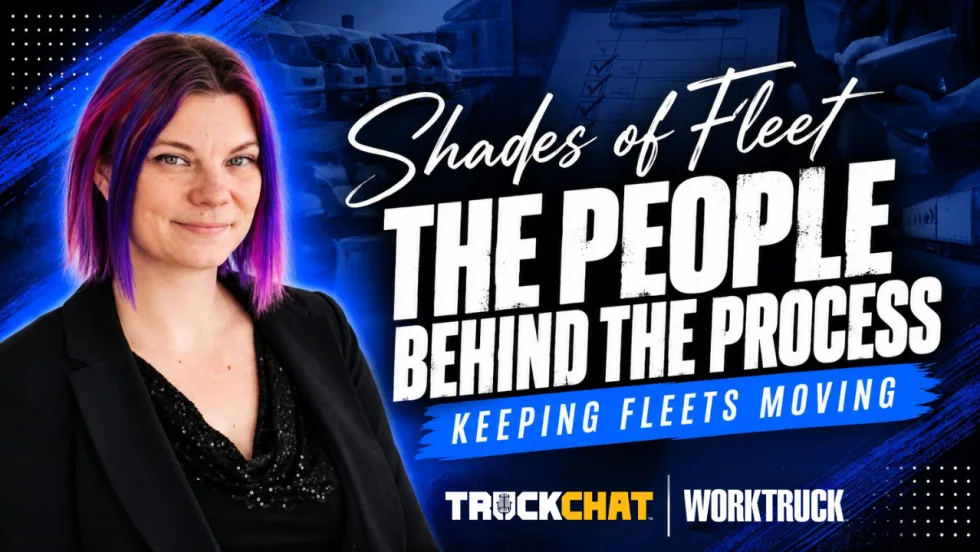
Where’s My Truck: Inside the Fleet Logistics Work Nobody Sees
Shades of Fleet video thumbnail featuring Lauren Fletcher beside the text “The People Behind the Process, Keeping Fleets Moving,” with fleet vehicles and logistics imagery in the background.
Read More →