





Get Secure: 3 Easy Ways to Improve Fleet Cybersecurity
Wejo & Microsoft Partner for Real-Time Fleet Data
With Microsoft’s Connected Fleets Reference Architecture, connected vehicle data from Wejo can easily be streamlined directly from vehicles including light-and/or medium-duty Class 1-6 trucks.
January 9, 2023
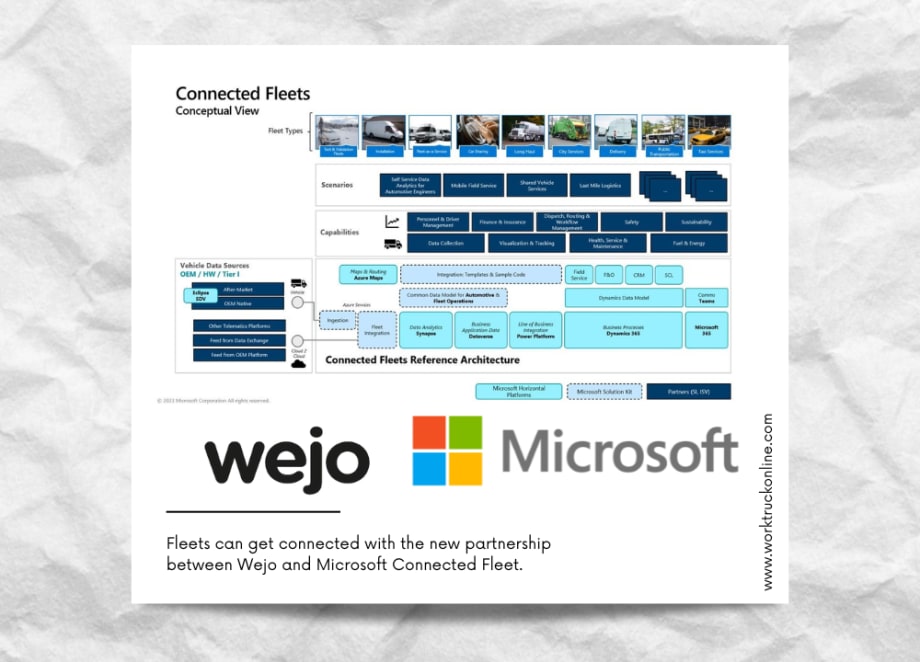
Facilitate faster integrations and accelerate time-to-insights for light- and medium-duty truck fleets.
Photo: Work Truck/Wejo
3 min to read
Wejo Group Limited, a global provider of "Smart Mobility for Good" and cloud and software solutions for connected, electric, and autonomous vehicle data, announced an extended collaboration with Microsoft through the adoption of the Microsoft Connected Fleets reference architecture.
Wejo will be part of an ecosystem of Microsoft partners addressing the fleet management market - anticipated at $38 billion by 2024, according to Wejo - by helping fleet management independent software providers (ISVs), system integrators (SIs), and fleet managers go beyond limited data sets and basic dashboards to integrate fleet data into core business processes and derive actionable insights for improved business outcomes.
“With Microsoft’s Connected Fleets Reference Architecture, connected vehicle data from Wejo can easily be streamlined directly from vehicles including light-and/or medium-duty Class 1-6 trucks to telematic service providers (TSPs), ISVs, SIs, and fleet management companies without the need for aftermarket hardware,” said Enfys Gray, vice president of global alliances at Wejo. “With this simplification of the value extraction from connected vehicle data, partners can easily incorporate the real-time data into their vehicle movement and location, driver performance, fuel consumption, and other fleet management solutions.”
What Is Microsoft Connected Fleets?
Microsoft Connected Fleets reference architecture enables an ecosystem of partners and partner solutions for fleet management by simplifying specialized analytics, value extraction from vehicle data, and streamlining integration with business systems.
According to a compnay release, the reference architecture enhances and will streamline access to Wejo’s connected vehicle data (CVD). Wejo’s CVD is delivered in near real-time, directly from its OEM partners.
“Our goal is to transform the growing connected vehicle, fleet, and mobility market with next-generation solutions that offer faster, better quality vehicle data with lower investment. Wejo brings deep experience and expanded data and fleet management insights to Microsoft Connected Fleets,” said Sanjay Ravi, general manager, automotive, mobility, and transportation industry, Microsoft. “Wejo helps to significantly increase solution velocity and lower data acquisition cost by eliminating the need to fit new hardware to vehicles for fleet management, helping drive efficiencies and more value for customers.”
ISVs, SIs, and fleet managers will benefit by:
Accessing Wejo’s CVD more efficiently.
Facilitating faster integrations with customer-specific requirements.
Enabling integration of fleet management functions with business applications for field services.
Simplifying the delivery of advanced analytics.
Accelerating time-to-insights.
Delivering fleet management capabilities without needing to retrofit hardware.
“With Microsoft Connected Fleets, Wejo will expand its footprint in the Connected Fleets space while embracing Microsoft’s scalability, reliability, and agility to drive application development and shape future business strategies,” said Richard Barlow, founder and CEO of Wejo. “We’re excited to be part of the Connected Fleets interconnected ecosystem of partner solutions and work with Microsoft on better delivering the data and insights necessary to fleet customers and partners to keep their drivers safe on the road while driving efficiencies across their fleets.”
With the ongoing supply chain shortages impacting vehicle purchasing, analytics has come to the rescue to help keep vehicles working better and longer. Predictive maintenance is one way that fleets are delivering a return-on-investment.
More Technology
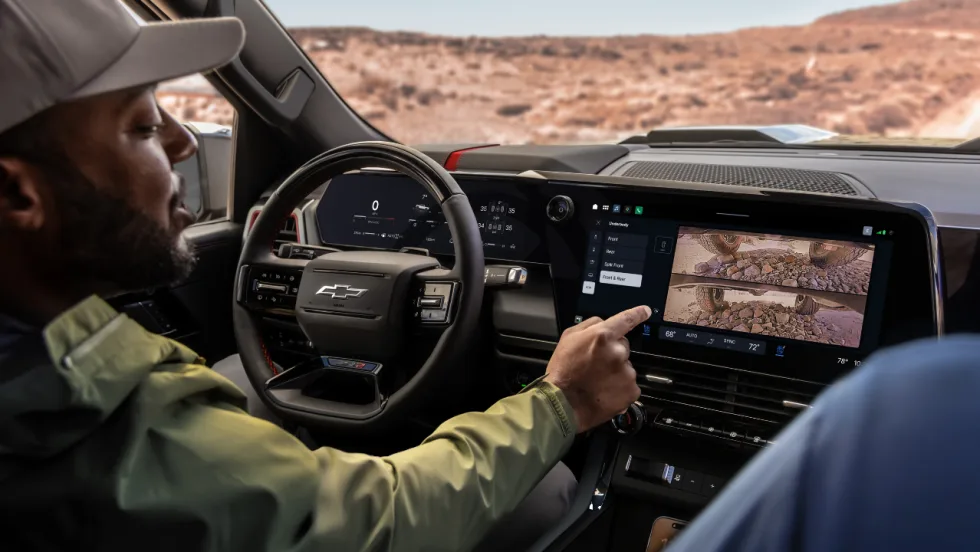
GM Brings New Truck Focused Interface to 2027 Silverado and Sierra
GM's new pickup interface puts trailering data, camera views, vehicle controls, and smartphone integration closer to the driver in the 2027 Silverado and Sierra.
Read More →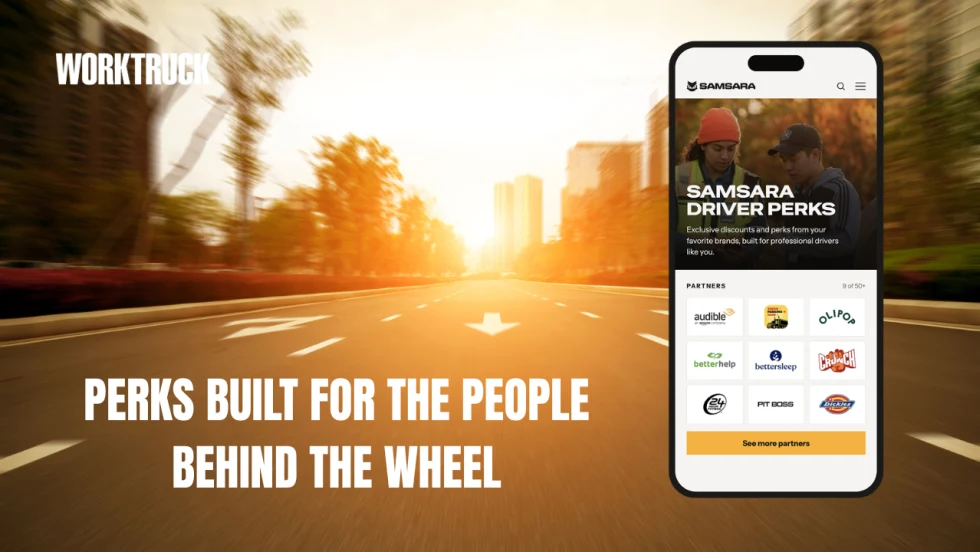
Samsara Driver Perks Expands Rewards Beyond the Long Haul Driver
Samsara’s new driver rewards program was built with a broader professional driver in mind, including employees who split their day between driving, job sites, service calls, and other work.
Read More →
AI Service Advisor Aims to Cut Fleet Repair Downtime
Fleetio said its AI Service Advisor can help fleets cut repair downtime by an average of 2.5 hours per repair while reducing manual maintenance work.
Read More →
Verra Mobility Launches AI-Driven Title & Registration Solution
Verra Mobility has launched a new AI-driven Title & Registration platform to help fleets move vehicles from acquisition to the road the same day while reducing compliance risk.
Read More →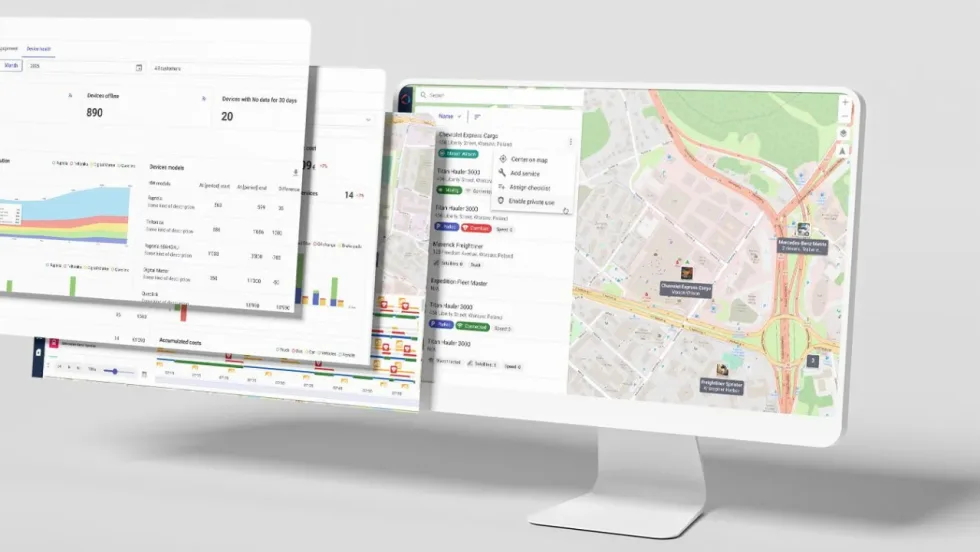
Wialon Unlocks OEM Data to Give Fleet Owners Data Ownership & Operational Clarity
Wialon has introduced hardware-free OEM integration as the EU Data Act accelerates the shift in vehicle data access across the fleet industry in many countries.
Read More →
Teletrac Navman Promotes New CEO from Within
Teletrac Navman’s next CEO, Ricardo Buranello, has served as the company’s chief financial and operating officer. He brings deep financial and operational expertise, a strong strategic orientation, and an intimate knowledge of the business to his new role.
Read More →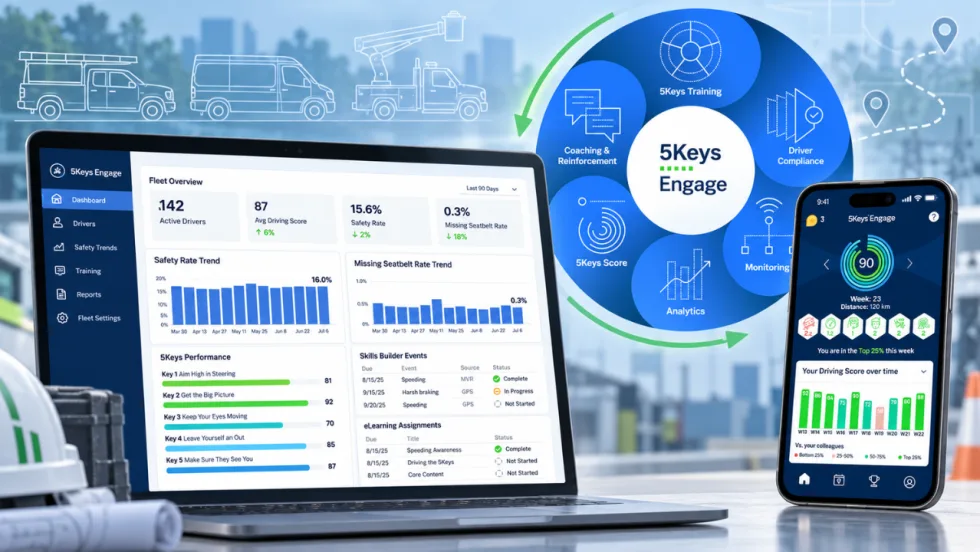
Smith System Wants Work Truck Fleets to Look Beyond the Driver Alert
Smith System’s new Driver Risk Management program is built to help mixed work truck fleets turn telematics alerts and observations into specific behaviors, coaching actions, and measurable follow-up.
Read More →
Ford Pro Software Updates: August 26
Check out the latest Ford Pro software updates, including Google Maps integration, Remote Vehicle Alarm integration, Motor Pool for easier management of shared pool vehicles, and more.
Read More →
Where AI Is Actually Saving Fleet Managers Time
AI is moving past the buzzword stage and into the daily fleet workflow. Fleetio’s Brianna Perry Lang breaks down where fleets are seeing real time savings, from maintenance and data entry to repair decisions, safety, and compliance
Read More →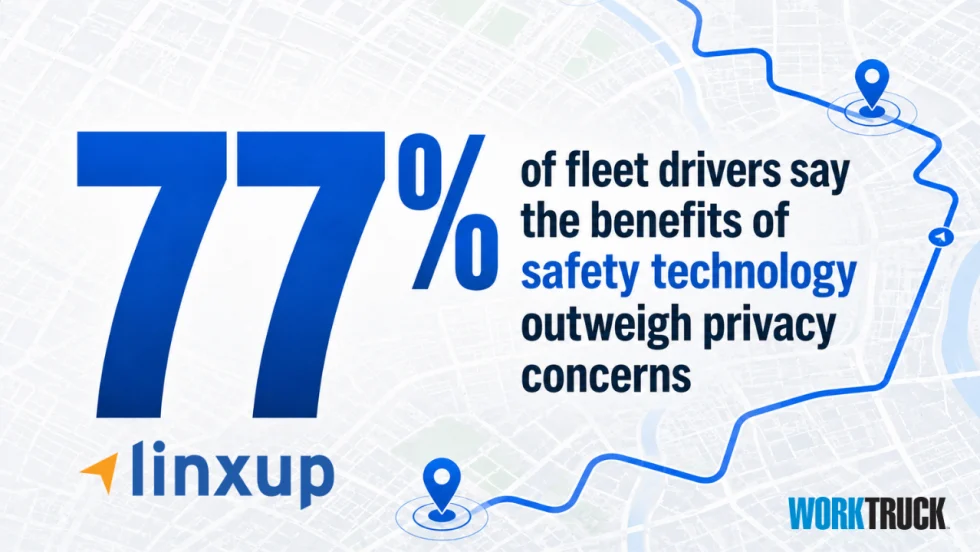
Are Work Truck Drivers Warming Up to Dash Cams and GPS Tracking?
A new survey finds field-service drivers may be more comfortable with dash cams and GPS tracking than fleet managers think, especially when the technology helps protect them after a crash.
Read More →